


Summary
- RPGs can be complex with multiple mechanics and levels, leading to a daunting learning curve for new players.
- Some RPGs like Atomfall, Dishonored, and Mass Effect offer streamlined gameplay with limited mechanics for easy immersion.
- Games like Borderlands and Sid Meier's Pirates focus on straightforward combat and character progression for accessible RPG experiences.
The RPG genre has produced some amazing games over the years. Although there is some dispute over what constitutes an "RPG," there are some common patterns, like exploration, creating and improving a hero and/or a party of allies, interacting with NPCs, and making decisions that impact the world. This isn't a perfect definition, but it does paint a picture of what makes the genre appealing. There's a reason so many acclaimed masterworks have come out of this genre. But, unfortunately, RPGs are often complicated.
Titles like Baldur's Gate 3 and Kingdom Come: Deliverence are great at worldbuilding and characterization, but they come with elaborate mechanics that can be daunting for a new player, or frustrating for those who just want to enjoy the world. Many RPGs require players to frequently level up their character by choosing from an overwhelming selection of skills, feats, and attributes. There's often a wide range of mechanics, some of which have effects that aren't immediately obvious. This complexity can put off some players who aren't looking for a steep learning curve. Fortunately, there are some examples of games that take all the best parts of an RPG without being too convoluted.

8 Best RPGs With Time-Based Combat, Ranked
While a bit rarer than some other systems, some of the best role-playing games use turn-based combat with timed inputs.
6 Atomfall
Like Fallout, but With Less Math

Atomfall




- Released
- March 27, 2025





WHERE TO PLAY







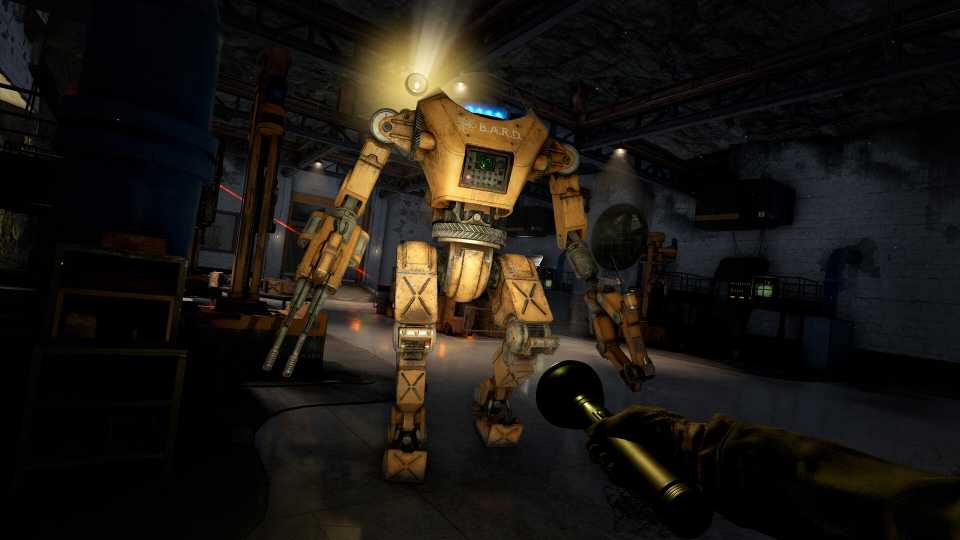
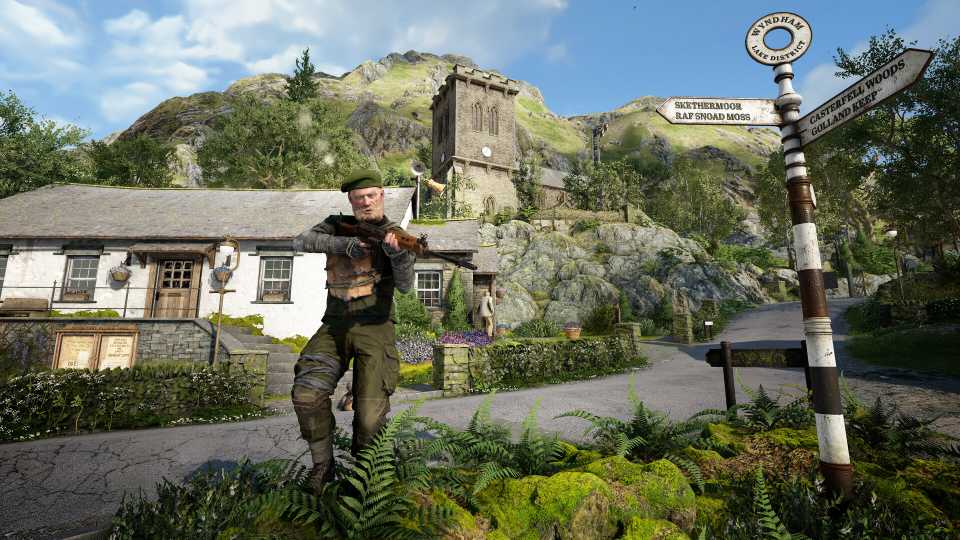
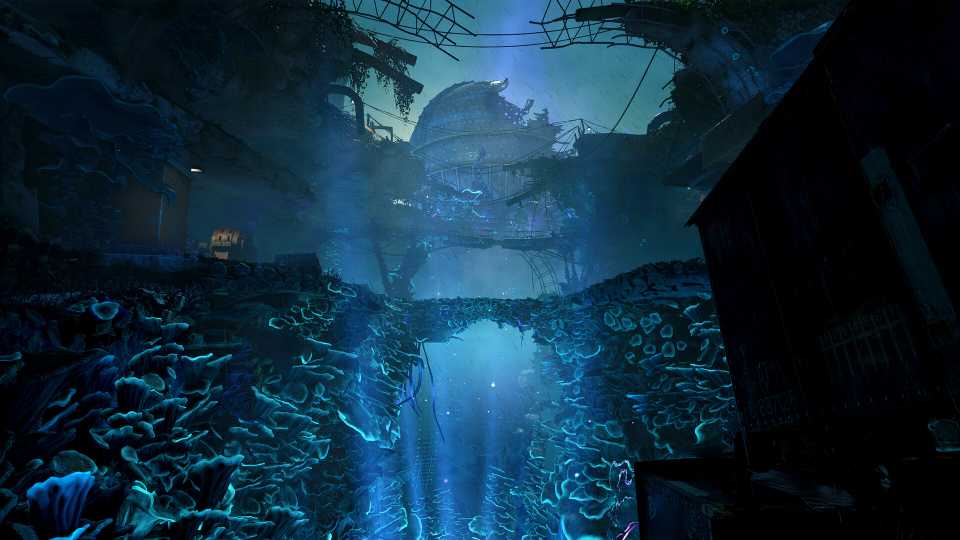
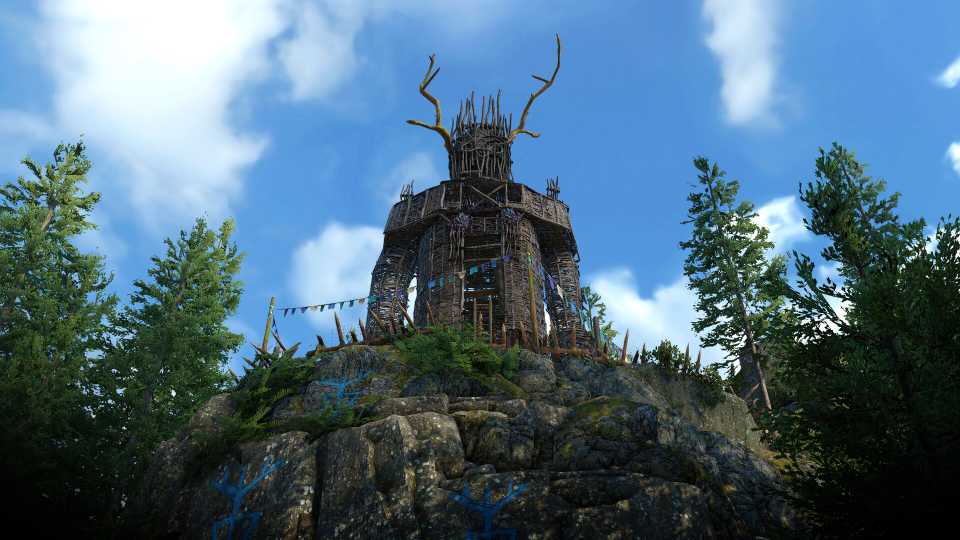
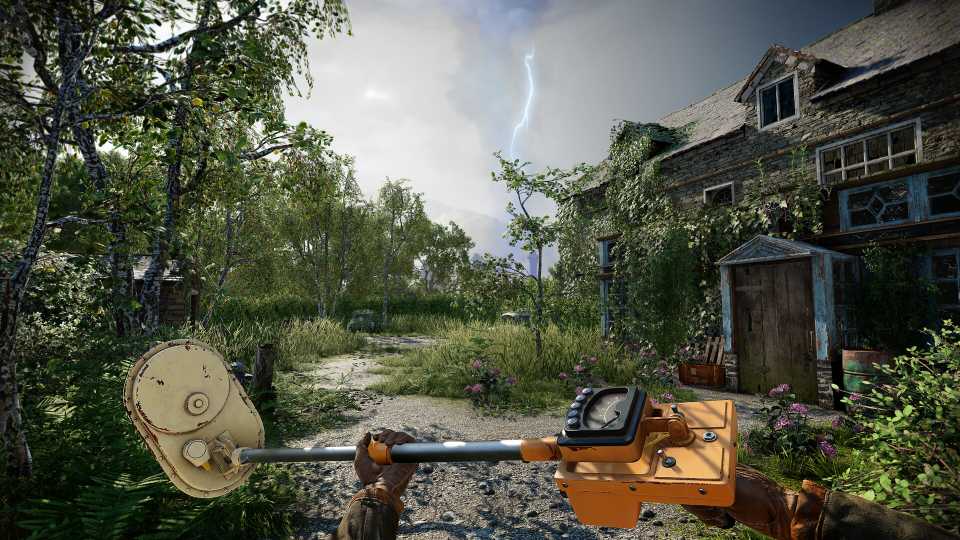
Fallout is a great series, but it does have a lot to keep track of. Players have to deal with skills, attributes, feats, damage to individual body parts, and other things that might be daunting to casual RPG players. What if a game took the things people loved about Fallout, but streamlined it into a unique experience that was challenging, but not overwhelmingly complicated? Atomfall does just that. It draws from Fallout (as well as similarly-themed games like S.T.A.L.K.E.R.) and produces a distinct experience with gameplay that's easy to learn without sacrificing challenge. The protagonist still gets to explore a post-apocalyptic world full of legitimate threats. They can just do so without struggling to understand how basic gameplay works.
Atomfall retains a lot of things that make RPGs appealing. The game involves a lore-rich open world, opportunities to interact with distinct characters, choices with long-term consequences, and options for different styles of gameplay. Instead of complicated levels or statblocks, there are purchasable skills. The limited inventory does make things challenging, but it also means not carrying a ridiculous amount of items. The use of a barter mechanic means not having to worry about money. There's more room to focus on the exciting features instead of getting bogged down in technical jargon.
5 Borderlands Series
Fast-Paced Action Without Simple Progression

Borderlands: The Pre-Sequel!

- Released
- October 14, 2014
- ESRB
- m
- Developer(s)
- Gearbox Software
- Publisher(s)
- 2K Games
- Engine
- Unreal Engine 3

WHERE TO PLAY
- Genre(s)
- FPS
Gearbox's famous looter-shooter series tends to be pretty straightforward in its gameplay. Almost every problem can be solved using guns and explosions, with the challenging aspect being more in the types of enemies encountered. This is a great one for RPG fans who are more interested in the action side of things than lengthy conversations and difficult choices. The basic format of each game involves a choice of 2-6 playable characters who each have their own "class" that comes with unique abilities. This typically includes an easy-to-learn special skill that can be activated when the player does enough damage.

8 Best RPGs That Feel Like a Living History Book
Players can take a walk through history, whether non-fiction or fiction with these immersive RPGs that present incredible worlds and stories.
The games do have skill trees and levels, but these are pretty easy to handle. Due to the greater focus on action, most purchaseable skills come down to improvements in damage output or damage resistance, with the occasional "badass token" that can be redeemed for a small increase in a particular trait. Plus, character progression also comes in the form of obtaining bigger and more powerful guns.
4 Dishonored
Linear RPG With Superpowers and World-Altering Choices

Dishonored
- Released
- October 9, 2012
- ESRB
- M For Mature 17+ Due To Blood and Gore, Intense Violence, Sexual Themes, Strong Language
- Developer(s)
- Arkane Studios
- Publisher(s)
- Bethesda
- Engine
- Unreal Engine 3

WHERE TO PLAY


The Dishonored series features a lot of things that people love about RPGs. It offers freedom to explore, character progression, different playstyles, and choices that affect how things play out. However, it simplifies a lot of those mechanics to create a tighter, less daunting experience.
Instead of a full open world, Dishonored has a series of mini-open worlds. Each one has a designated objective (usually a target that needs to be dealt with), but leaves the player to decide how they want to do it. They can build their character to plow through enemies or go for a stealthy approach. Sometimes they can interact with NPCs and take side quests to find less obvious solutions. And of course, there is a mechanic where players can choose how violent they want to be, which affects the game's overall story.
Leveling up is also straightforward. There are no complicated skill trees or XP to keep track of; players just need to collect any runes they find. There's even an item that helps track them. Runes can be spent to get powers or personal upgrades. There isn't a huge selection, so it's easy to pick out the ones that seem best suited to the current playstyle.
3 The Forgotten City
No Statblocks, Just Exploration and Interaction

The Forgotten City
-
 OpenCritic Reviews
- Top Critic Avg: 84 /100 Critics Rec: 92%
- Released
- July 28, 2021
- ESRB
- T For Teen due to Alcohol Reference, Blood, Mild Language, Suggestive Themes, Violence
- Developer(s)
- Modern Storyteller
- Publisher(s)
- Dear Villagers

WHERE TO PLAY



- Genre(s)
- Adventure
Modern Storyteller's The Forgotten City originated as a mod for The Elder Scrolls V: Skyrim, before being remade as a standalone game. While keen-eyed players will definitely spot influence, they will also notice that it dispenses with a lot of Skyrim's more complex mechanics. There's no mechanic for leveling up. There's almost no combat, and there isn't even much of an in-game economy. Even character customization is simplified. The first-person perspective obscures the protagonist's face, so the player only needs to choose their gender, skin tone, and name.
The Forgotten City follows a modern protagonist who gets stuck in a time loop in an Ancient Roman city. The two main points of concern for gameplay are exploration and interacting with characters. Even when the protagonist gets a bow, it is more often used to get into hard-to-reach places than as a weapon. And the presence of the "Golden Rule" (a curse that turns everyone in the city into golden statues if one person does something wrong) makes killing impractical. Most of the few "enemies" in the game are dealt with through intellect instead of force. Instead of explicit levels, character progression comes from the player developing a better understanding of the city each time they go through the time loop.
2 Mass Effect Trilogy
As Simple as an RPG Can Get

Mass Effect: Legendary Edition
-
OpenCritic Reviews
- Top Critic Avg: 87 /100 Critics Rec: 96%
- Released
- May 14, 2021
- ESRB
- M for Mature: Blood, Drug Reference, Partial Nudity, Sexual Content, Strong Language, Use of Alcohol, Violence
- Developer(s)
- BioWare
- Publisher(s)
- Electronic Arts
WHERE TO PLAY

Mass Effect is an icon of the RPG genre, but it's also one of the most easily accessible major RPG franchises. The bulk of gameplay involves a straightforward mix of roleplay and combat, with a bit of exploration in between. The roleplay sections involve interacting with various characters, sometimes making decisions which affect how the story plays out. The combat sections take the form of a third-person shooter, with Shepard having options for special abilities and backup from up to two allies. There is also an action mode that makes decisions for the player, great for anyone overwhelmed by choice, and an option for party members to automatically use their abilities in combat, so the player can focus on their own attacks.

8 Best 8-bit Action RPGs, Ranked
Although primarily associated with more graphically advanced games, a few 8-bit RPGs have fantastic real-time action combat systems.
While there is a level system for both Shepard and the party, it's about as basic as an RPG can get. Each character has a few abilities which can be improved by allocating points — no selecting feats or perks required. And for those who just want to get on with things and not worry about character traits, there is an option for automatic leveling.
1 Sid Meier's Pirates
Low-Stress High Seas Adventure

Sid Meier's Pirates!

- Released
- November 22, 2004
- ESRB
- E10+ For Everyone 10+ Due To Alcohol Reference, Mild Language, Mild Violence, Suggestive Themes
- Developer(s)
- Firaxis Games
- Publisher(s)
- Atari, 2K, Feral Interactive
- Engine
- Gamebryo
WHERE TO PLAY
- Genre(s)
- Strategy, Action-Adventure
A somewhat unusual example, Sid Meier's Pirates is a sandbox adventure built around testing the player's skills as a pirate. There's a loose narrative around the protagonist searching for his lost family, though the player isn't required to pursue it. The bulk of gameplay concerns captaining a ship around the Caribbean. There isn't a central progression system, although the player can affect their reputation in various ways. One aspect of this involves being able to gain or lose favor with the major colonial powers: Britain, France, Spain, and Holland. There are also options to challenge real-life pirates, pursue lost treasures, and discover lost civilizations.
The protagonist can also improve simply by getting better equipment. As they advance their pirating career, players can get access to better ships, equipment, and bonuses. Sometimes they can get specialized crew members who provide bonuses or ship upgrades. A particularly successful pirate can even do wild things like capture a port and hand it over to a European power of their choosing, changing up the political landscape of the world.

8 Isometric RPGs With The Steepest Learning Curves, Ranked
If you're a seasoned fan of isometric RPGs, these are great games to try.