


The Witcher 3: Wild Hunt was known for its enormous map, and The Witcher 4 will hopefully follow in its footsteps. The Continent is a vast world, and there are plenty of places to explore – whether it's revisiting Velen and Novigrad or introducing completely new locations. The Witcher 4 should definitely include a large open map like the previous game, which managed to mostly avoid the open world stigma of feeling empty by being fairly civilization-dense and, of course, filled to the brim with deadly monsters.

The Witcher 4 Can't Follow in Cyberpunk 2077's Footsteps After Its Reveal
While there are plenty of things about Cyberpunk 2077 that The Witcher 4 should avoid, there is one thing in particular it needs to stay away from.
Wild Hunt's Map Was Large, But Mostly Dense
Open-world games can easily fall into the trap of feeling empty. The Witcher 3: Wild Hunt managed to mostly avoid this concern by featuring a variety of small and large settlements throughout the map, most requiring some form of aid from Geralt. Even the more remote areas of the map did not feel completely empty, because there were monsters threatening Geralt – and some of the most dangerous, such as the leshy, stalked players specifically in areas with minimal human habitation.
The only area of Wild Hunt's map that did fall prey to "open world emptiness" was Skellige. Although the main islands were decently populated and home to many interesting quests, the area consisted of a number of smaller islands and stretches of open water. These had little interesting for players to do, save for a large number of caches of mostly low-value treasure scattered around and the occasional battle against drowners or other aquatic foes.
Many players found exploring Skellige boring and did not fully complete every objective on the map like they might have in Novigrad or Toussaint. This is one area in which The Witcher 4 should not follow its predecessor exactly; if Skellige does return, it should either feature a smaller part of the islands or have more to do in the open water and uninhabited sections around Skellige.
The Witcher 4 Could Explore New Areas And Revisit Old Favorites
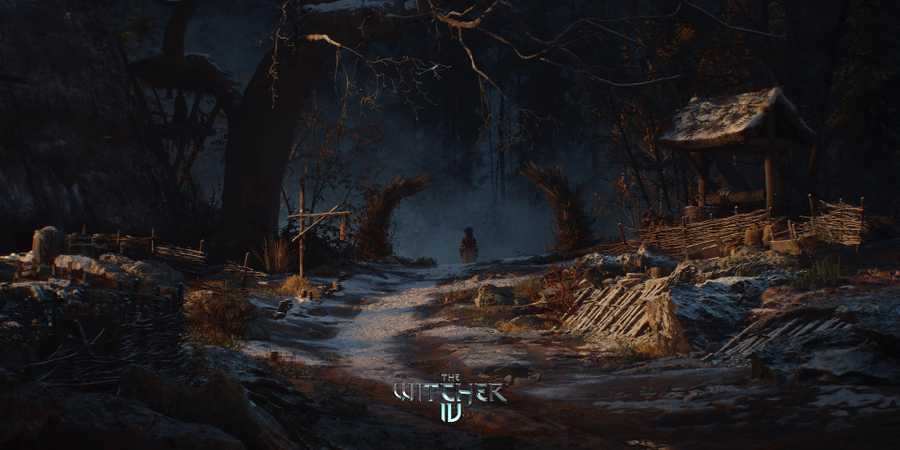
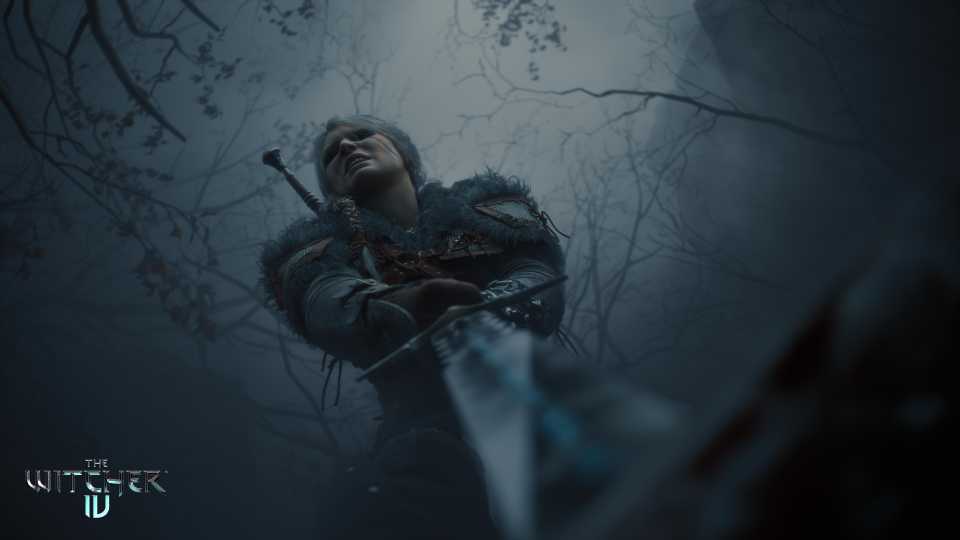
Ideally, The Witcher 4 should feature a large but well-populated map, similar to Wild Hunt, with a mix of small hamlets, larger, more populated settlements, and stretches of wilderness where the most dangerous monsters can lurk. While Ciri should definitely revisit some locations previously seen in Wild Hunt — a visit to Toussaint to see a retired Geralt at his winery would be particularly nice — the game has plenty of new locations to draw on, especially if it makes use of Ciri's powers to travel between worlds.
There are still many places on the Continent that have not made a major appearance in the three previous Witcher games. These include Ciri's former home of Cintra, now under Nilfgaard control; Ciri revisiting this area could be a meaningful moment in The Witcher 4. There are also many unexplored lands across the Great Sea and Korath Desert, large unvisited sections of Kaedwen and Redania, and the mostly untouched Lyria. Although Geralt may be famously "of Rivia," the games have actually not spent any significant time in Rivia itself, something that The Witcher 4 could change.
The Witcher 4 should emulate Wild Hunt's strategy of featuring a map that is large but not too large, breaking it into discrete areas such as Velen, Novigrad, and Skellige if needed, and avoiding creating an area like Skellige that consists mostly of open space with only minor objects scattered around. Although Wild Hunt is a decade old, its approach to map design was a successful one, and The Witcher 4 would only benefit from utilizing a similar strategy when developing its own maps for Ciri—and the player—to explore.

- Developer(s)
- CD Projekt Red
- Publisher(s)
- CD Projekt Red
- Engine
- Unreal Engine 5
- Franchise
- The Witcher





WHERE TO PLAY

- Genre(s)
- Action RPG, Open-World
