


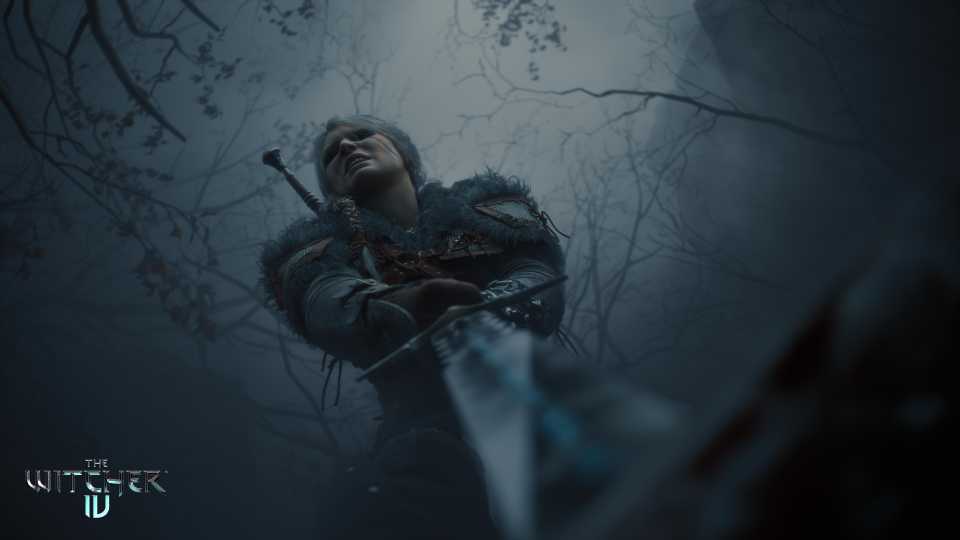
There are few upcoming games that inspire as much hype as The Witcher 4, the next chapter in the storied Witcher franchise, this time with Ciri at the helm instead of Geralt. Very little is known about this title, aside from the fact that it will be the start of a brand-new trilogy starring Ciri, so the sky is seemingly the limit with respect to what it can accomplish from both a story and a gameplay perspective.
Having said that, there will almost certainly be some overlap between The Witcher 4 and its predecessors by virtue of them existing in the same universe. This is fairly obvious, but it has a number of implications, not the least of which being the reintroduction of key characters like Geralt and Yennefer. But the broader world of The Witcher may also be further explored in this upcoming game, which has an opportunity to delve deeper into its myriad cultures and political factions in the wake of the tumultuous events of The Witcher 3. Interestingly enough, CD Projekt Red may be able to use this opportunity to touch on similar topics as the modern God of War games, either intentionally or incidentally.

The Witcher 4’s Bold New Weapon May Be More Than Meets The Eye
Based on what was shown in The Witcher 4's official reveal trailer, Ciri's new chain weapon might be useful for more than just keeping monsters down.
Revisiting the Skellige Isles Could Let the Witcher 4 Beat God of War at Its Own Game
Skellige Is a Clear Analog for Real-World Scandinavian Nations
The Witcher isn't exactly subtle about how its in-universe civilizations mirror real-world ones: Zerrakania is clearly influenced by Northern African and Middle-Eastern countries, the Grand Duchy of Toussaint has shades of France, and so on. But perhaps no firmer connection can be drawn than the one between the Skellige Isles and Scandinavian countries such as Norway, Denmark, and Sweden.
One could argue that Celtic cultures are also represented by Skellige, but Norse society is communicated as a much more dominant inspiration.
The links between Skellige and what would become current-day Scandinavia are numerous and hard to ignore. For instance, the Isles adhere to a warrior culture and mentality, with strength often being prized above all else, not unlike most modern interpretations of Vikings. Skelligans also embrace witchcraft, mysticism, and polytheism, in contrast to the authoritarian and xenophobic cultures that dominate the main continent—a dichotomy that mirrors real-world Nordic realms and post-Crusades continental Europe.
One could even make the case that the multiple different clans of Skellige are meant to represent the delineations between Scandinavian countries following the Napoleonic Wars. And, of course, Skelligans believe in a destined apocalypse called Ragh nar Roog—perhaps the most explicit reference to real-world Norse mythology in The Witcher franchise.
The Witcher 4 Could Offer an Interesting Alternative to Norse Culture
Thanks to massively successful IPs like the MCU and, from a more games-centric perspective, God of War, Norse mythology has firmly planted itself in the mainstream, serving as inspiration for countless new games, movies, and TV shows. But most of these properties, including God of War, take a decidedly literal approach to adapting these ideas. God of War assumes a good deal of creative license with its interpretations of various gods, realms, and events, but it's still rooted, and perhaps restrained, by its subject matter.
Thus, Skellige in The Witcher 4 could approach these broad-strokes concepts from a different angle, focusing on the impact that gods, Viking values, and mysticism have on society and culture. Players won't be fighting "Thor" or "Odin," but rather exploring the peoples, tribes, and municipalities that look to such entities for guidance. It will certainly be interesting to see if and how CDPR adjusts its presentation of The Witcher's Norse-inspired elements in the wake of God of War, but if Skellige once again plays a role in The Witcher 4, it could definitely be a breath of fresh air for a games industry inundated with Nordic-influenced fantasies.

- Developer(s)
- CD Projekt Red
- Publisher(s)
- CD Projekt Red
- Engine
- Unreal Engine 5
- Franchise
- The Witcher
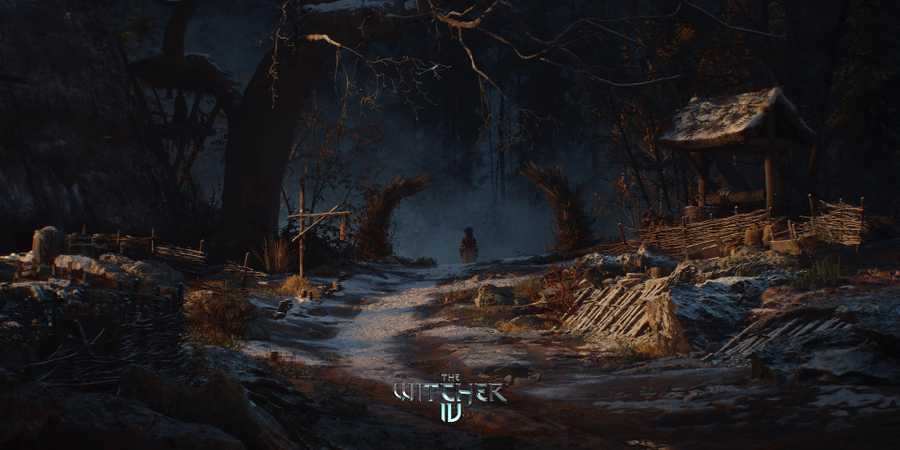


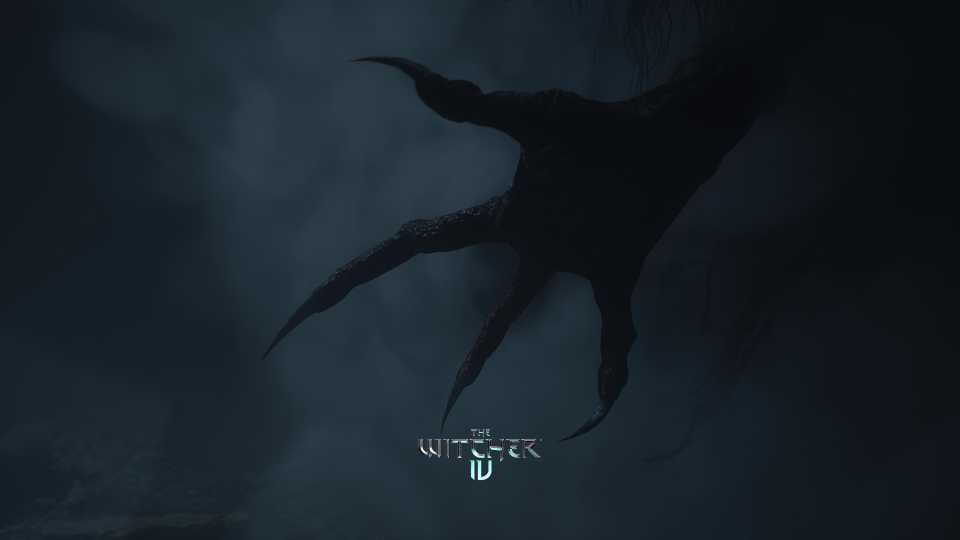


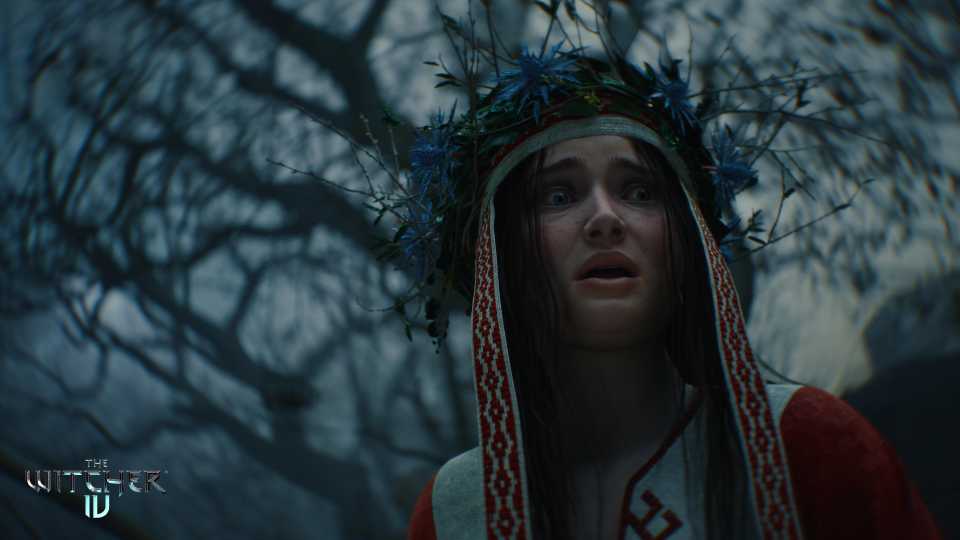

WHERE TO PLAY

The Witcher IV is a single-player, open-world RPG from CD PROJEKT RED. At the start of a new saga, players take on the role of Ciri, a professional monster slayer, and embark on a journey through a brutal dark-fantasy world. Powered by Unreal Engine 5, it aims to be the most immersive and ambitious open-world Witcher game to date.
- Genre(s)
- Action RPG, Open-World
