


Summary
- Fans want theaters to screen TV episodes for a communal viewing experience that streaming can't replicate.
- AMC's The Walking Dead and HBO shows like Succession show the potential for theater screenings of TV episodes.
- Licensing hurdles and subscription models are challenging, but theaters and studios have much to gain from TV show screenings.
TV shows like The Walking Dead on AMC or Succession and The Last of Us on HBO come with emotional punches, shocking twists, and intense fan discourse, sometimes generating even more buzz than a summer blockbuster. Yet, there is a major hole in the market that the studios have yet to capitalize on: a collective theatrical viewing experience for television fans.
With streaming dominating the entertainment landscape and movie theaters hungry for new ways to pack auditoriums, fans are starting to call on studios to provide regularly programmed movie-theater screenings of TV episodes, and at the very least, wide releases of season premieres and finales. Leaving this obvious moneymaker on the table seems like a strange choice for an infamously expensive industry—so why isn’t Hollywood seeing this?

'Makes No Sense At All' Fans Point Out How The Walking Dead Suffers From One Of The Most Annoying Zombie Story Pitfalls
AMC's The Walking Dead features a quintessential version of classic Hollywood zombies, but that creates a plot issue that starts in the pilot episode.
Why Streaming Services Should Embrace TV in Theaters
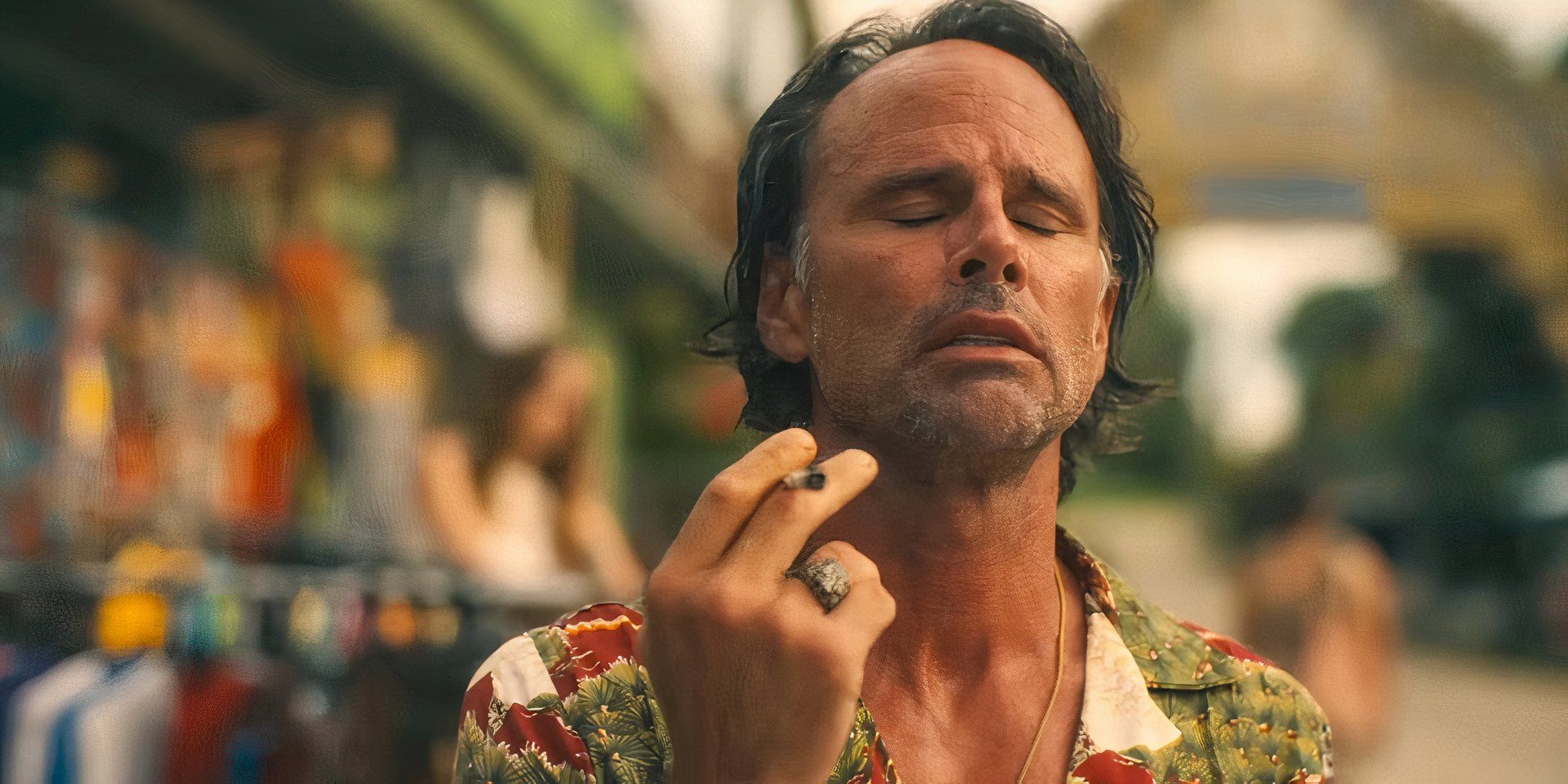
On Reddit, fans recently ignited a heated debate over why television episodes—particularly from prestige and cult genre shows—aren’t being shown in theaters more often. One post that gained serious traction asked why The White Lotus finale wasn’t offered as a big-screen event. “I would've paid a good $20 to see The White Lotus finale on a big screen tonight with a bunch of fellow TV nerds,” read the post. The idea sparked dozens of responses echoing the same sentiment: there’s demand, and lots of it.
One user offered a perfect example of the strategy’s potential: “For years, Alamo Drafthouse in Austin would pack an auditorium once a week for fans to congregate and watch The Walking Dead together.” This wasn’t some fluke success—The Walking Dead had a fervent fanbase ready to fill theaters, and they did… every week. The Redditor continued by adding that many of these fans likely chose the group experience even though they had another option: "This was an example of a cable show where people were already paying for the ability to watch it at home."
AMC's The Walking Dead Proved TV Can Sell Out Theaters
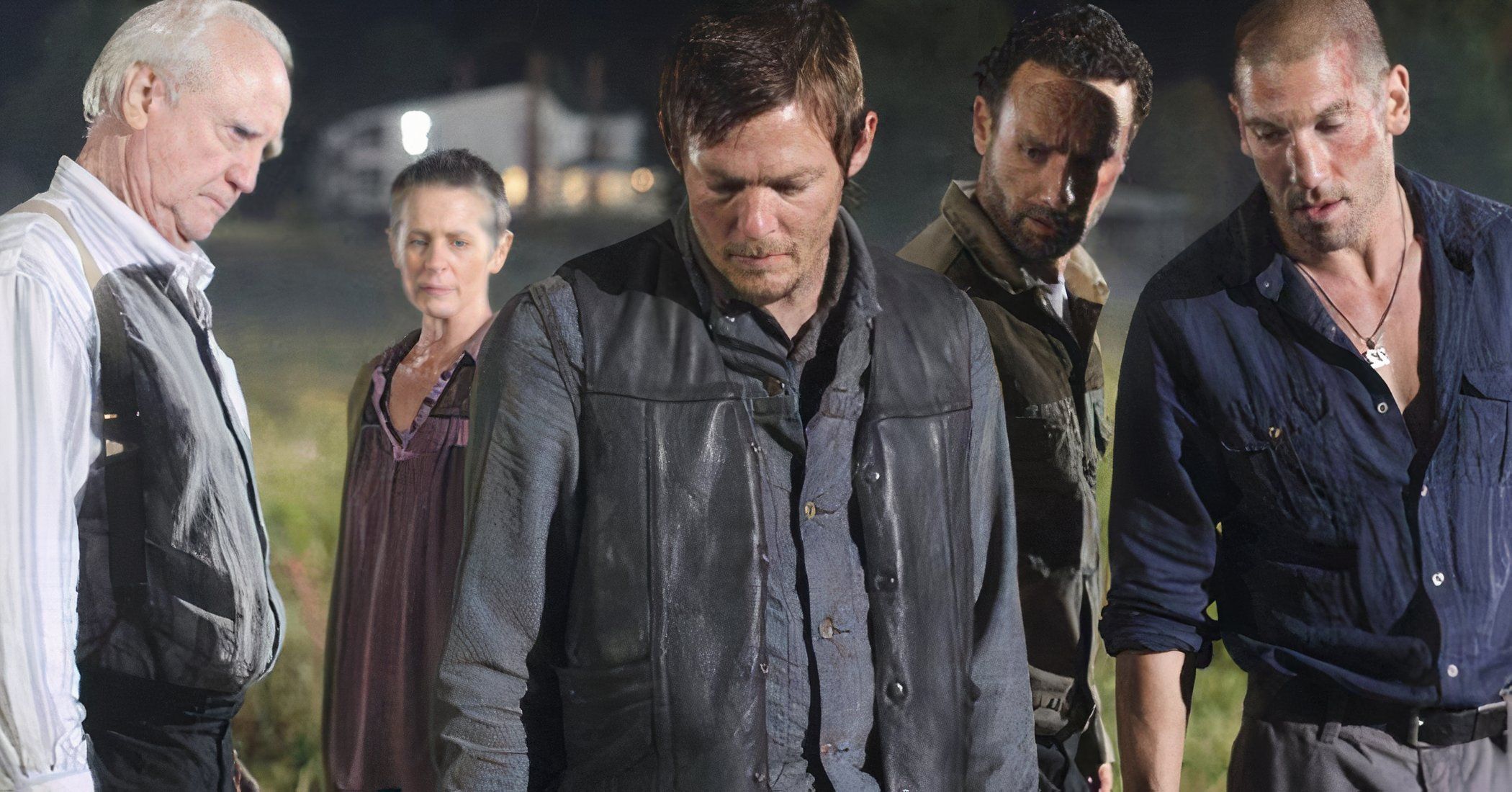
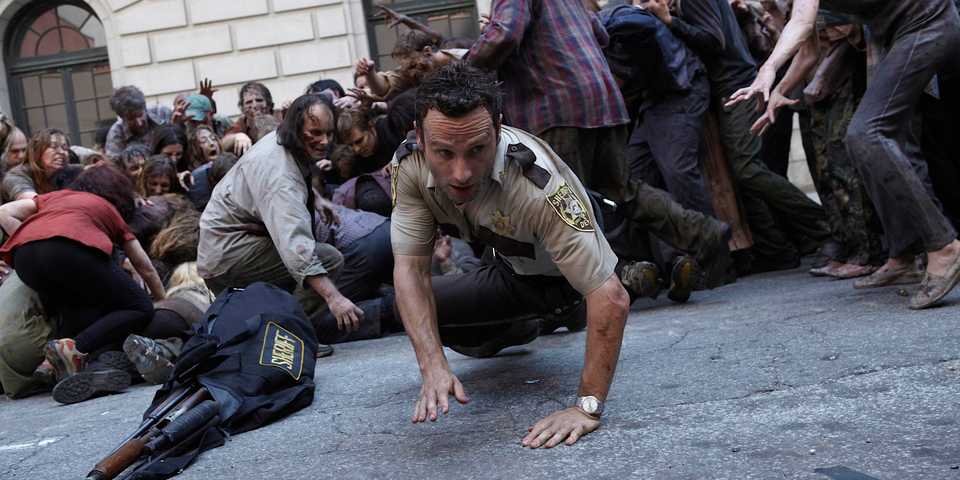
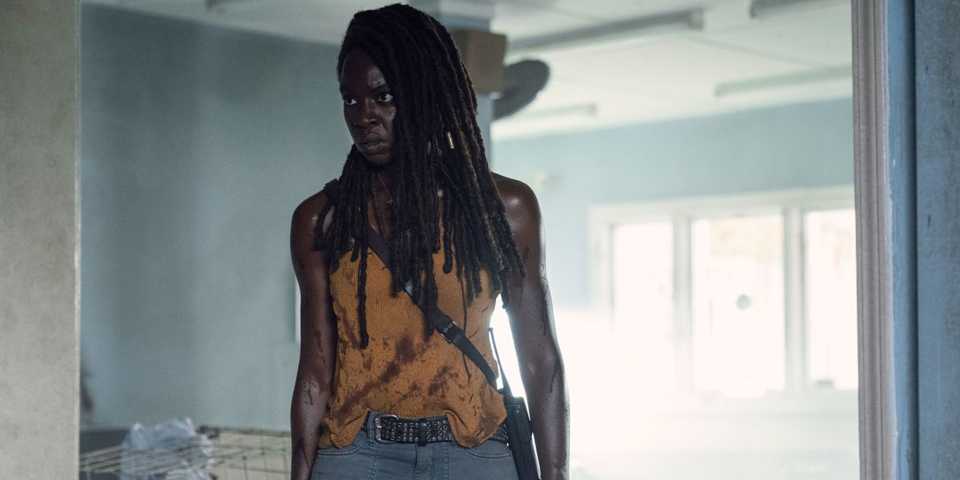
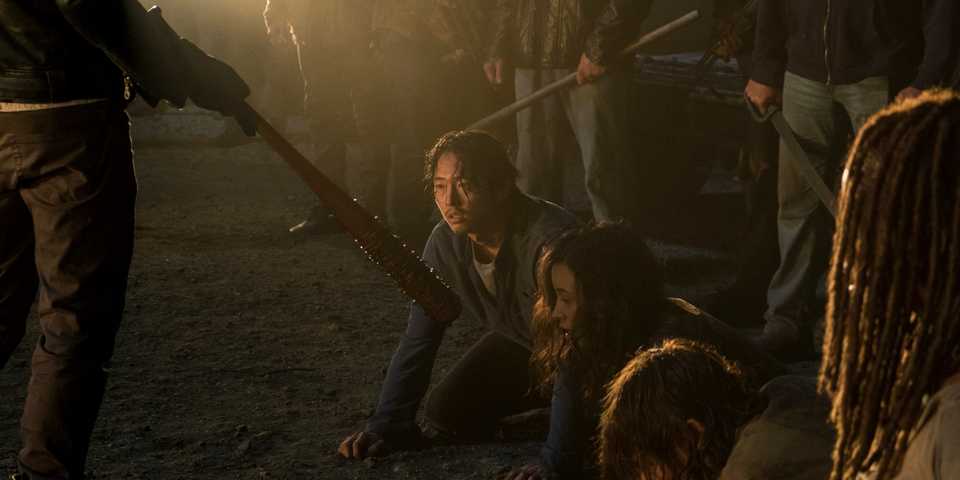
During its prime, AMC’s The Walking Dead, starring Andrew Lincoln as Rick Grimes and Norman Reedus as Daryl Dixon, became a cultural phenomenon. At the height of its run, it regularly pulled over 10 million viewers per episode and inspired everything from cosplay to full-blown viewing parties. Austin theater chain Alamo Drafthouse tapped into that fandom, drawing weekly crowds of fans who wanted to scream at the screen together when a favorite character died (RIP Steven Yeun's Glenn) or cheer when Daryl saved the day.
Importantly, these events were put on by the theater alone, with no studio involvement. According to the user, Alamo didn’t charge for the screening itself—they sold food vouchers instead. This move not only skirted around licensing hurdles but also created a profitable, communal experience. "They could mute the video/audio during commercial breaks while a host played games or trivia with the audience," the commenter added. That kind of interactivity is something streaming alone can’t replicate. It’s a genius move on the part of the dinner-theater raking in the dough, but AMC missed out on any potential income completely.
HBO’s Cinematic Experience Potential From Succession to The Last of Us
This strategy wasn’t limited to horror juggernauts. Redditor punk62 chimed in with another example: “I remember watching the season 2 premiere of The Righteous Gemstones at an Alamo Drafthouse. It was pretty cool.” HBO’s southern televangelist satire might not have the same global footprint as The Walking Dead. However, it still drew a passionate crowd, proving that there’s untapped ticket sales even for shows without colossal fan bases.
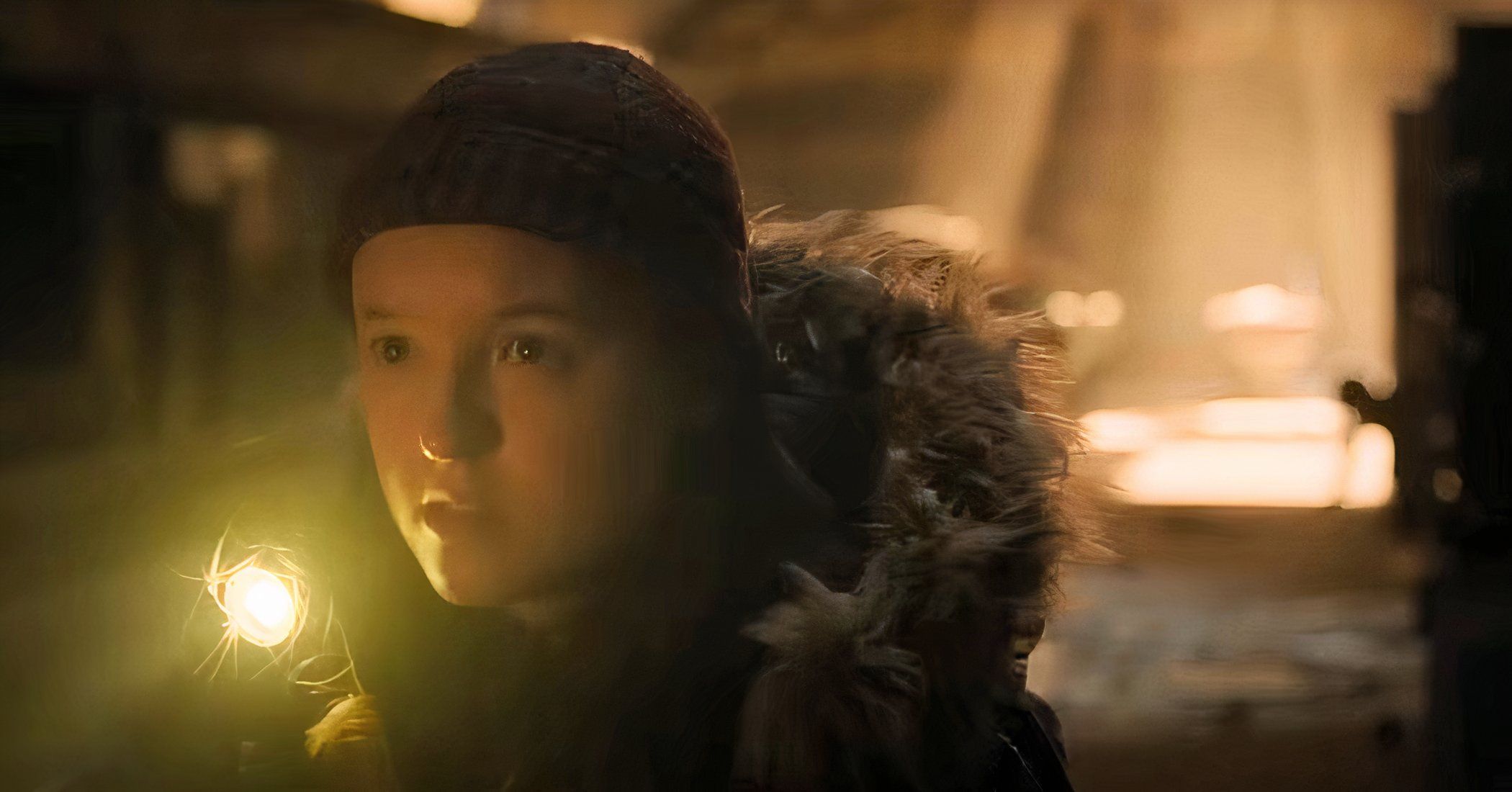
If any network understands the art of high-stakes TV, it's HBO. Shows like Succession delivered operatic boardroom battles that could've easily played to a rapt theater audience. Imagine the gasp from a live crowd during the penultimate episode of Season 4—Logan Roy's sudden death mid-flight, performed with brutal restraint by Brian Cox, and the sheer disbelief that followed. Or the devastating finale of The Last of Us, where Pedro Pascal’s Joel makes a morally fraught decision under the sound of echoing gunfire and hospital sirens. These scenes are dripping with cinematic tension, expertly shot and scored—they belong on a theater screen, and parent company Warner Bros. Is leaving money on the table by keeping them confined to home viewing.
Real Successes: Game of Thrones, Doctor Who, and More
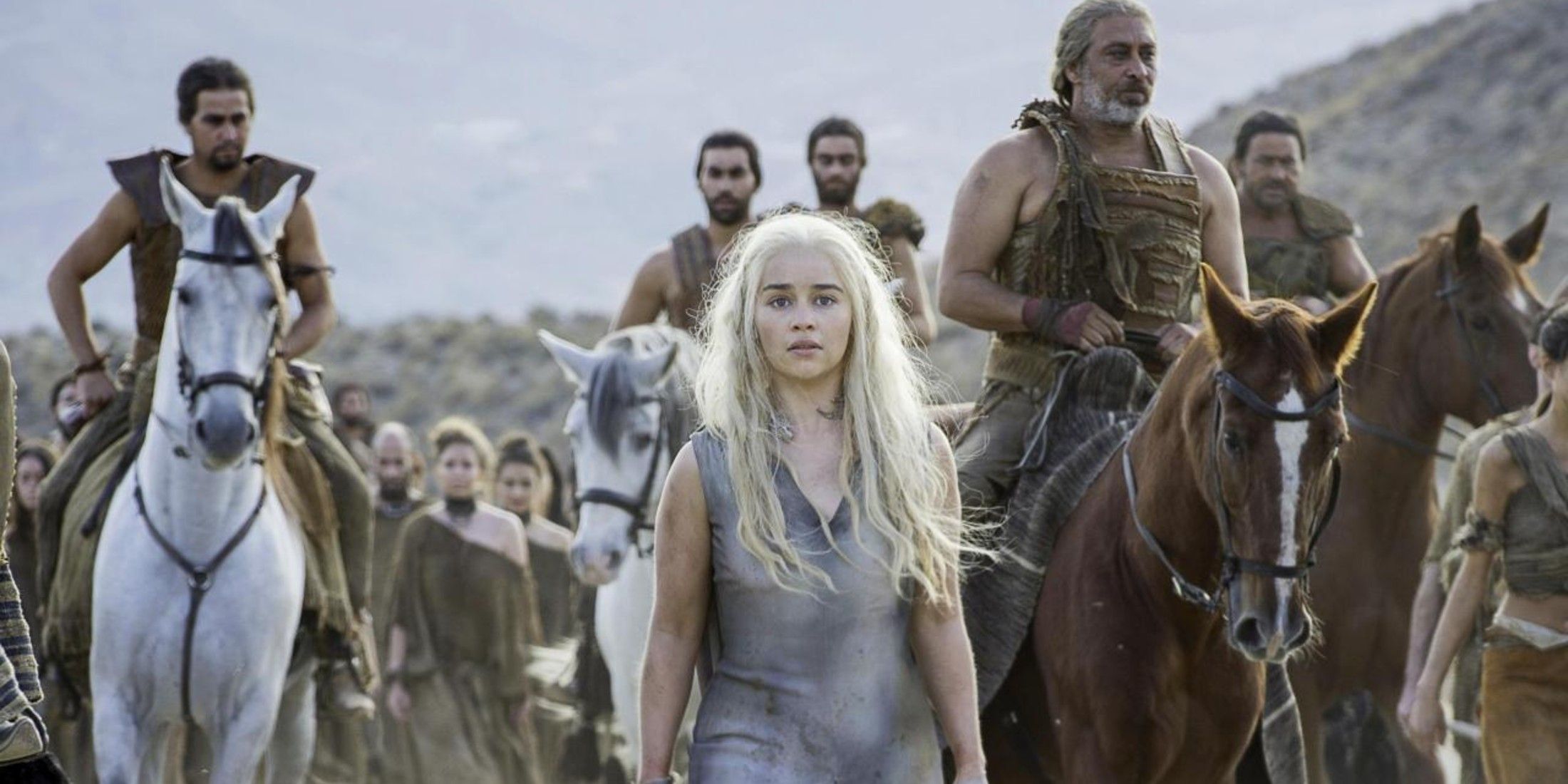
When done right, these events can and do sell out:
- The Game of Thrones Season 4 finale was screened at select IMAX theaters in 2015, paired with two key episodes. It generated $1.5 million on opening weekend—a limited release for a show already available at home.
- Doctor Who (BBC) episodes, especially anniversaries and regenerations, have routinely sold out limited screenings in the US and UK. The 50th Anniversary Special The Day of the Doctor, made $10 million globally in its brief theatrical run.
- HBO’s Euphoria was so popular during Season 2 that theaters in New York and L.A. Held unofficial watch parties, packing rooms with fans desperate to react in real time.
It’s not just Alamo Drafthouse. Theaters in urban centers and cultural hubs, especially, have seen success with these kinds of TV events. There’s a reason memes flood the internet immediately after episodes air: fans want to talk about what just happened and share in the fun with others. In these screenings, fans aren’t just showing up—they're showing up dressed up, quoting lines, making it an unforgettable experience. A theater lets you witness, react, theorize, and generally nerd out together. That kind of passion doesn’t just translate to ticket sales, it builds community loyalty and word-of-mouth momentum.
"An independent theater in my city did that. Walking Dead with a crowd was such a blast. I’m pretty sure AMC is the one that shut that down. Or possibly cable companies? Either way, an outside force prevented them from showing it any more. Which was a bummer."
Licensing and Logistics: Why Netflix and Others Haven’t Jumped In
With China recently tightening its import quotas and even threatening to cut off U.S. Films, American studios have one less massive market to rely on for box office revenue. That puts extra pressure on executives to get creative with domestic monetization. Event-based screenings of episodes from high-demand shows on HBO, Netflix, Prime Video, Apple TV, and more could offer a lucrative, low-risk option. They’re already spending the money to make and market these shows—some of which have episodes as long as feature-length films—so what’s the harm in putting them in theaters?
Several fans have also doubted that regularly screening these shows in theaters would be a sustainable approach. It might be a matter of simple dollars and cents, as one fan commented: “I doubt that many people would show up and pay $20 to watch the season finale of a show they are already paying to watch via subscription anyway.”
Redditor Pinewood74 suggested it could work, but only if fans aren't already paying for access. They argued that during the height of The Walking Dead, many fans didn’t have cable. “Walking Dead S1 was huge,” they wrote. “People wanted to watch the new seasons as they released, didn’t want to shell out for cable… so they paid for a theater ticket.”
In other words, ticketing a big-screen event was actually a more enjoyable and accessible way for many fans to keep up with the show. In today’s bloated and fragmented streaming world, where every platform costs $10–20 per month, some fans might prefer buying a ticket per episode for a few weeks rather than subscribing indefinitely to yet another service.
Of course, that’s exactly the issue. Streaming services like Netflix may be reluctant to give up even temporary control of their exclusivity. Their business models rely on maintaining subscriptions, and if too many fans know they can just catch the biggest episodes in a theater without signing up, it could erode the perceived value of their monthly plans. For these platforms, keeping content behind a paywall is part of the long-term subscriber retention strategy.
Licensing is another hurdle. For most TV shows, even a one-night screening involves a labyrinth of contracts, rights holders, and network approvals. That’s why theaters like Alamo Drafthouse have to get creative—offering food vouchers instead of tickets, turning it into a “viewing party” rather than a formal screening.
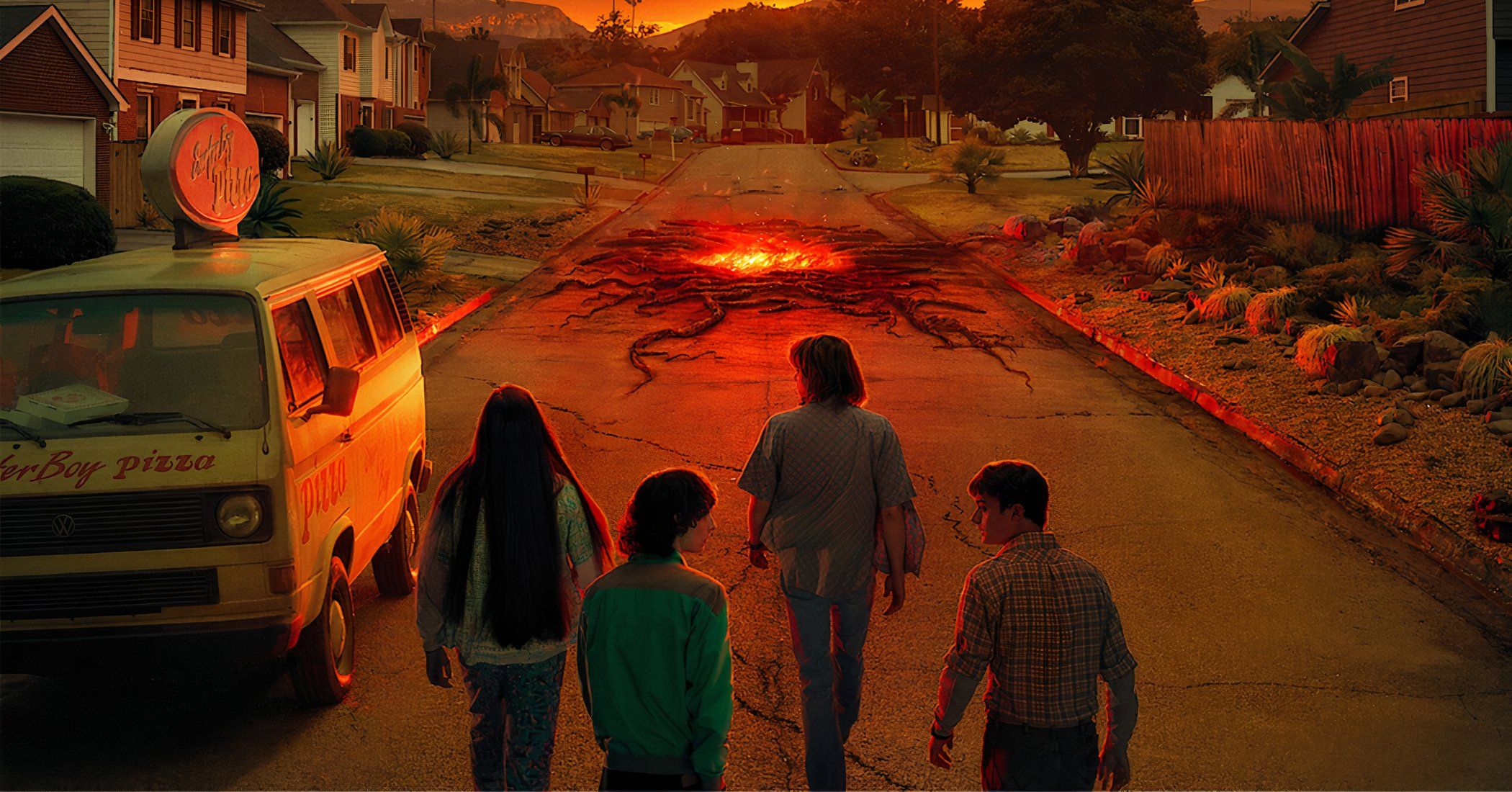
But with the right deals in place, there’s no reason big chains couldn’t partner directly with studios for these events on special occasions. Not to replace subscriptions, but to offer another option for fans. Imagine the premiere of Stranger Things Season 5 in theaters nationwide—Netflix could easily package it as a premium offering or even screen it early, charge $20, and fans would absolutely pay.
Fandom, Theaters, and Streaming: The Future of TV
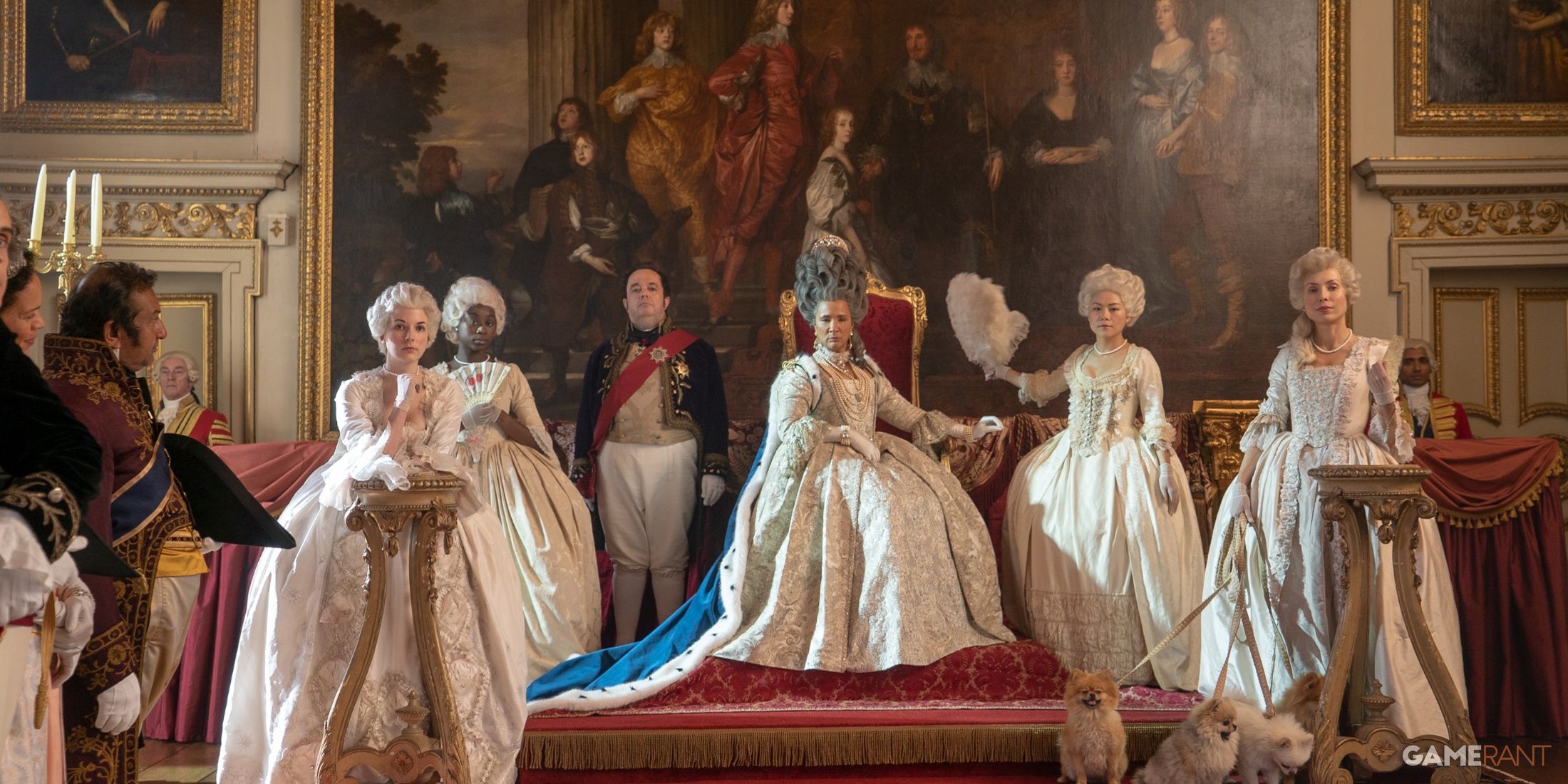
Too often, execs underestimate just how social TV fandom has become. The same way people line up for midnight Marvel premieres, they would show up to cheer—or sob—through a TV finale that’s captured their hearts. If fans are willing to roll up to a real-life Bridgerton ball in droves, they’d almost certainly be eager to catch a new season premiere in theaters.
And theaters need it. With tentpole films shrinking and streaming squeezing profits, events like this offer something traditional cinema is currently struggling to maintain: energy. People in cosplay. Audiences gasping at plot twists. Entire rows laughing in sync.
If studios are struggling to make theatrical runs viable and movie theaters are fighting to stay relevant, then letting fans experience massive shows together on the big screen is a no-brainer. There’s a whole microcosm of folks who watched The Walking Dead with strangers at midnight in packed theaters. That collective buzz doesn’t just live—it thrives. And it just might be the ticket to survival for theaters and studios alike.

- Release Date
- 2010 - 2022
- Network
- AMC
- Showrunner
- Frank Darabont, Angela Kang, Scott M. Gimple, Glen Mazzara




Cast
-
 Norman ReedusDaryl Dixon
 -
 Melissa McBrideCarol Peletier
WHERE TO WATCH
- Directors
- David Boyd, Ernest R. Dickerson, Billy Gierhart, Guy Ferland, Laura Belsey, Jeffrey F. January, Michael Cudlitz, Sharat Raju, Alrick Riley, Michael Slovis, Michelle MacLaren, Rosemary Rodriguez, Seith Mann, Tricia Brock, Daisy von Scherler Mayer, Daniel Sackheim, Fred Toye, Gwyneth Horder-Payton, Jon Amiel, Kari Skogland, Kevin Dowling, Tawnia McKiernan, Larry Teng, Julius Ramsay
- Franchise(s)
- The Walking Dead
