


The infamous “Console Wars” revolved around three major players for over two decades now: Nintendo, PlayStation, and Xbox. While all three of these console manufacturing companies have made important contributions to the video game industry, there’s no denying that some of them stand out in specific areas where the others pale in comparison.
Nintendo—the oldest and most famous member of this trio—is definitely one of the most important video game companies ever created. Since the '80s, its many developers, designers, and artists have repeatedly innovated the entire medium in ways that direct competitors can’t really keep up with. As a result, there are a lot of things Nintendo does better than both PlayStation and Xbox, with the following examples being the most notorious ones.
Innovation
Nintendo Has Revolutionized The Gaming Industry On More Than One Occasion
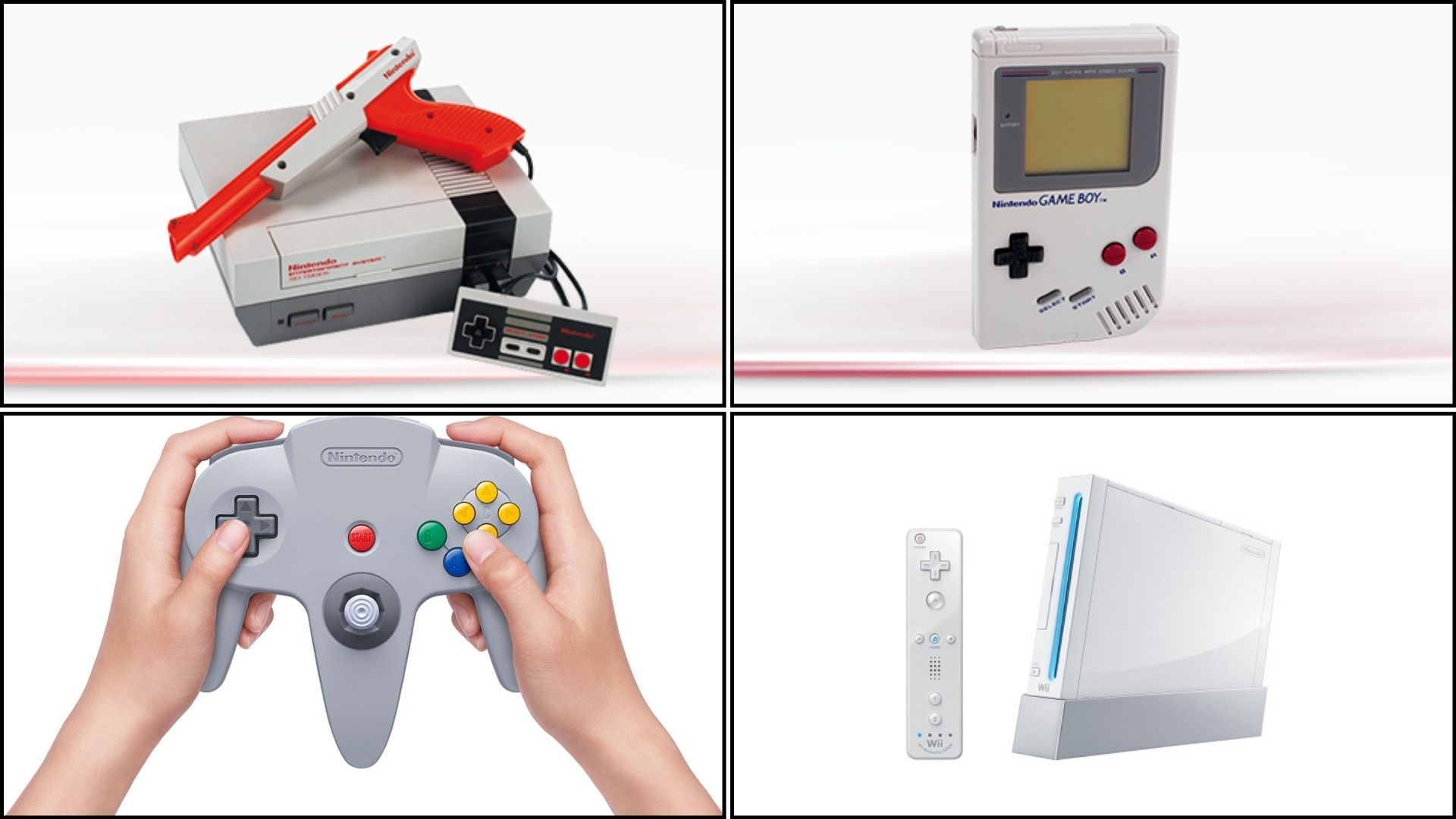

There’s no denying that both Sony and Microsoft have made their fair share of important technological advancements that changed the video game industry forever, like the original PlayStation or Xbox Live (respectively). However, Nintendo has made even more innovations than these two companies combined.
The original NES laid the groundwork for what a video game home console should be, the original Game Boy single-handedly popularized handheld gaming, the cross-shaped D-Pad of the Game & Watch systems changed how controllers are designed, the Nintendo 64’s analog stick did the same for 3D gaming, the Nintendo Wii perfected motion controls and introduced the concept to general audiences, and so on and so forth. These were such important advancements that PlayStation and Xbox eventually tried to replicate them all, and it’s safe to say that both companies wouldn’t be where they are today if it weren’t for Nintendo.
Experimentation
Nintendo Tends To Take More Risks With First-Party Games And Consoles
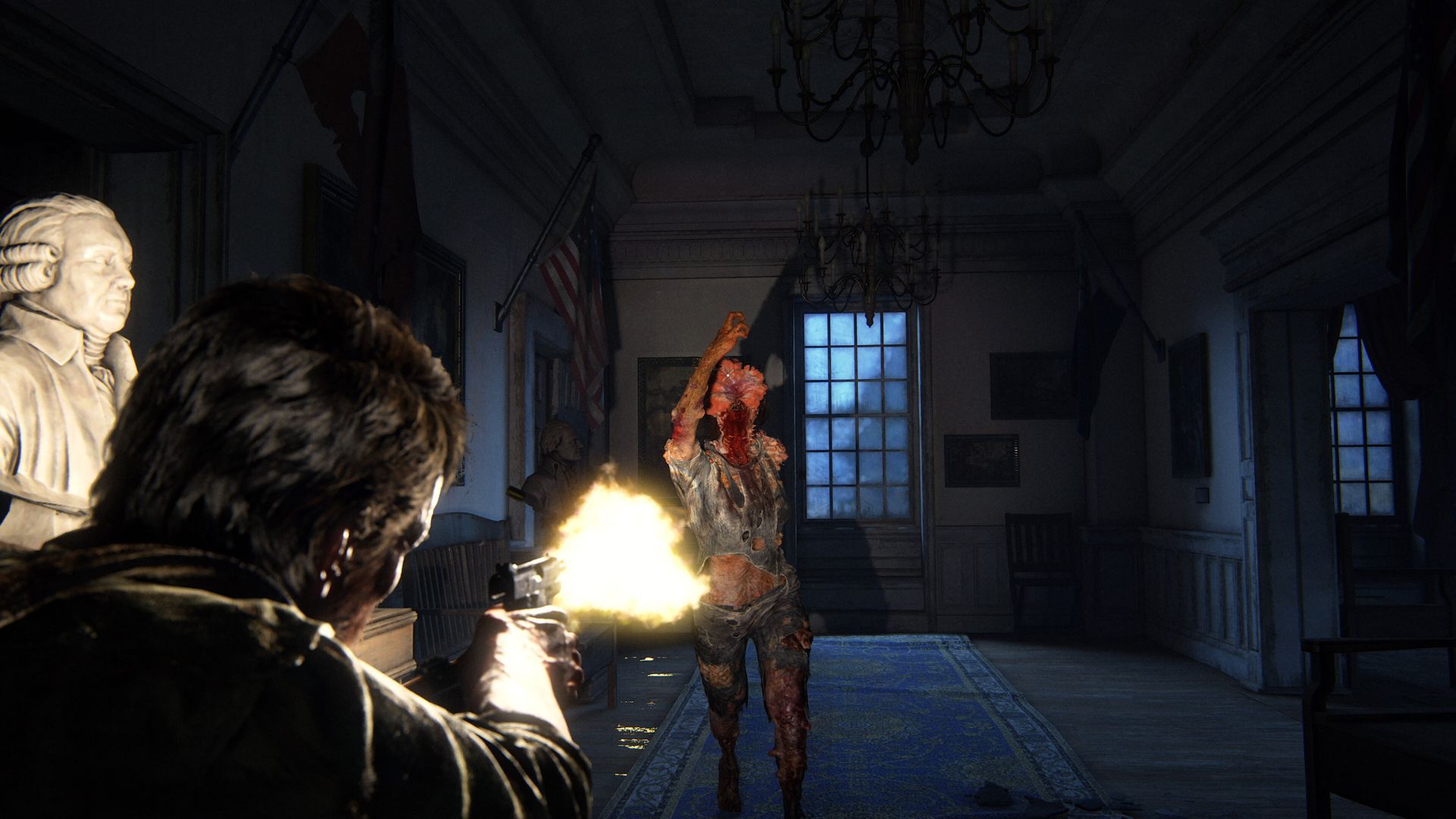
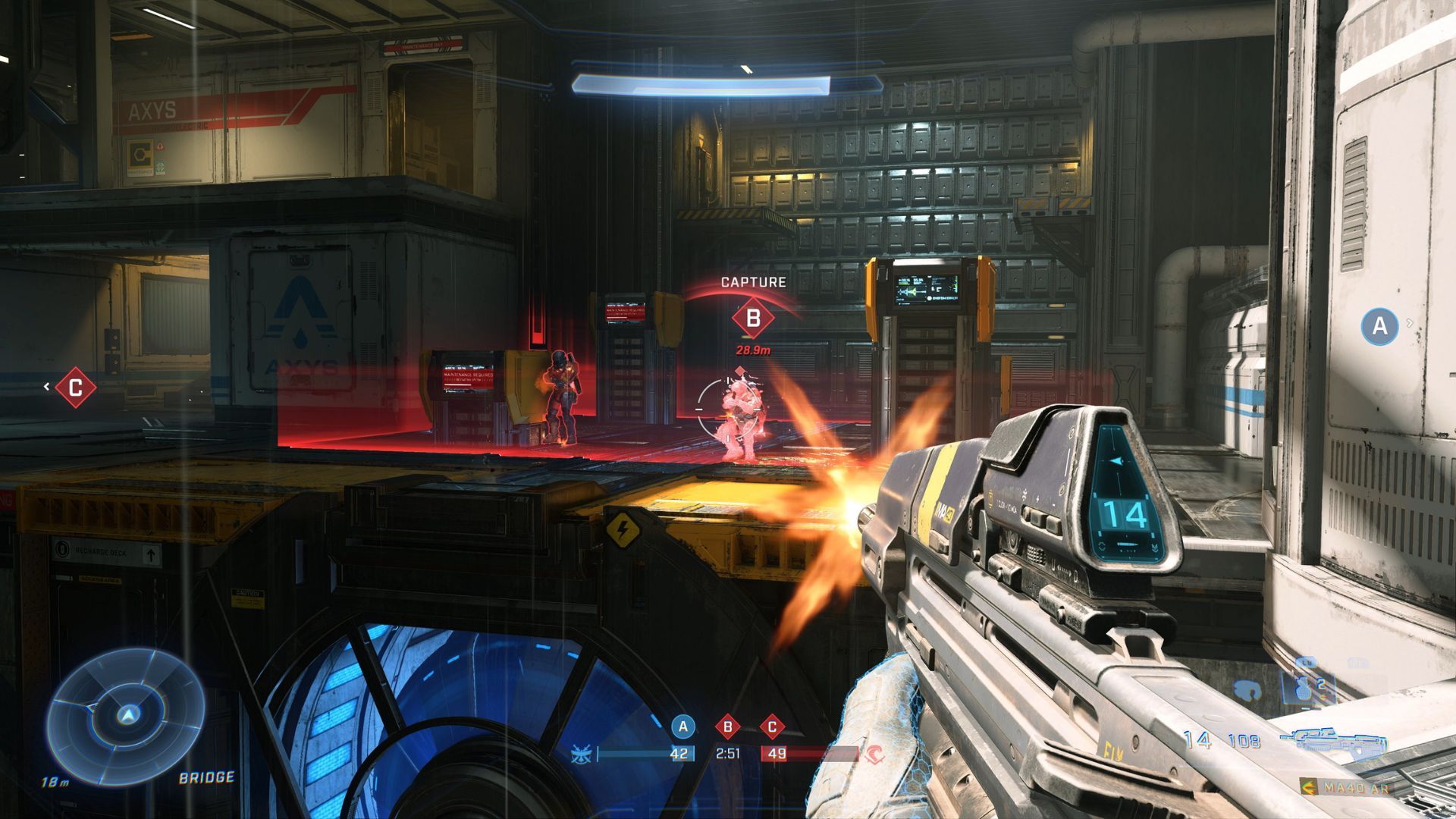
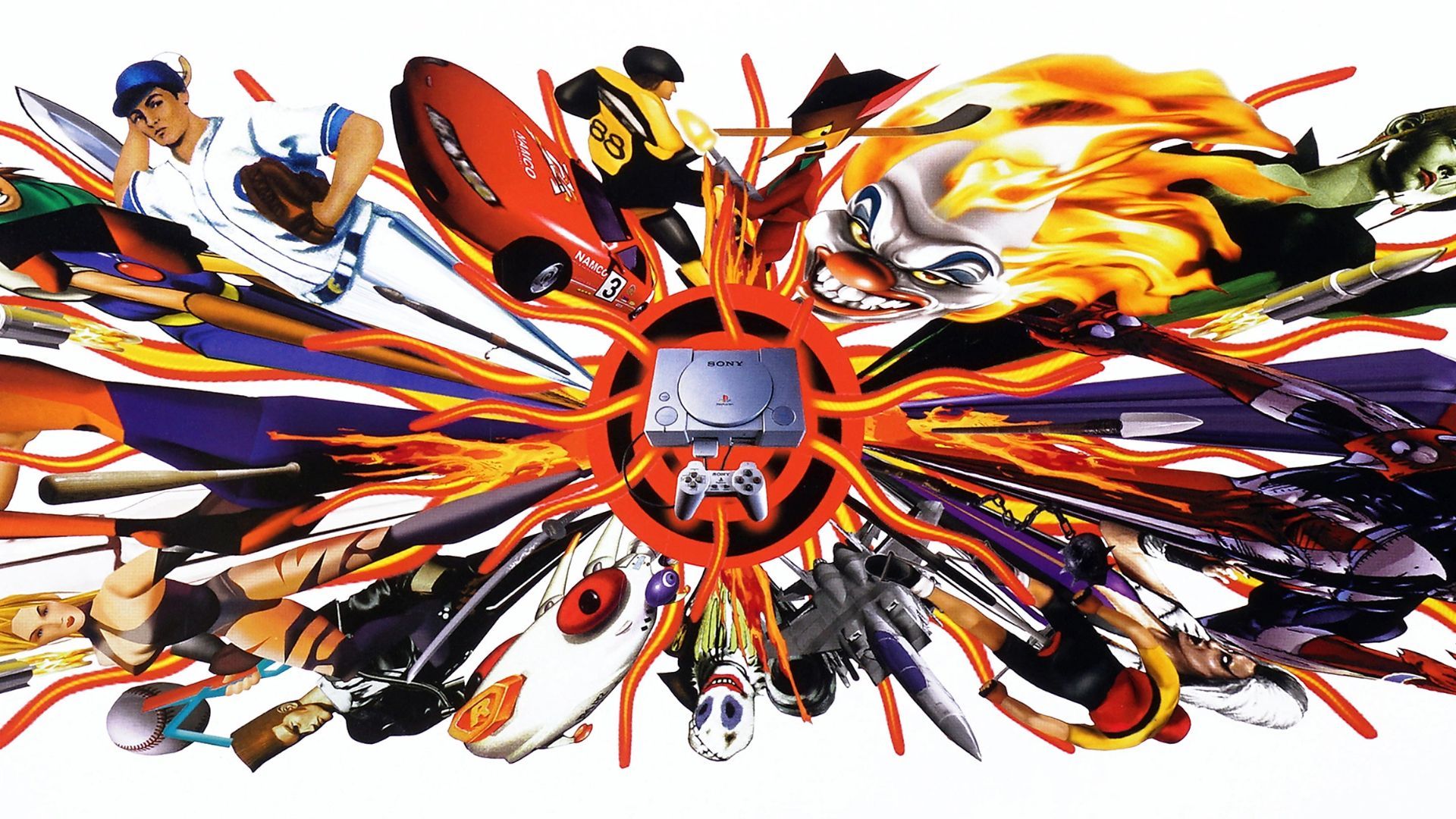
Back when they first entered the “Console Wars,” both Sony and Microsoft developed a lot of experimental video games that made a huge impact on the entire video game industry. Nevertheless, both companies eventually landed on a specific formula and have stuck to it over the years. Most first-party PlayStation and Xbox games nowadays are either cinematic AAA adventures, online multiplayer titles, or live-service games (with a few exceptions, of course).
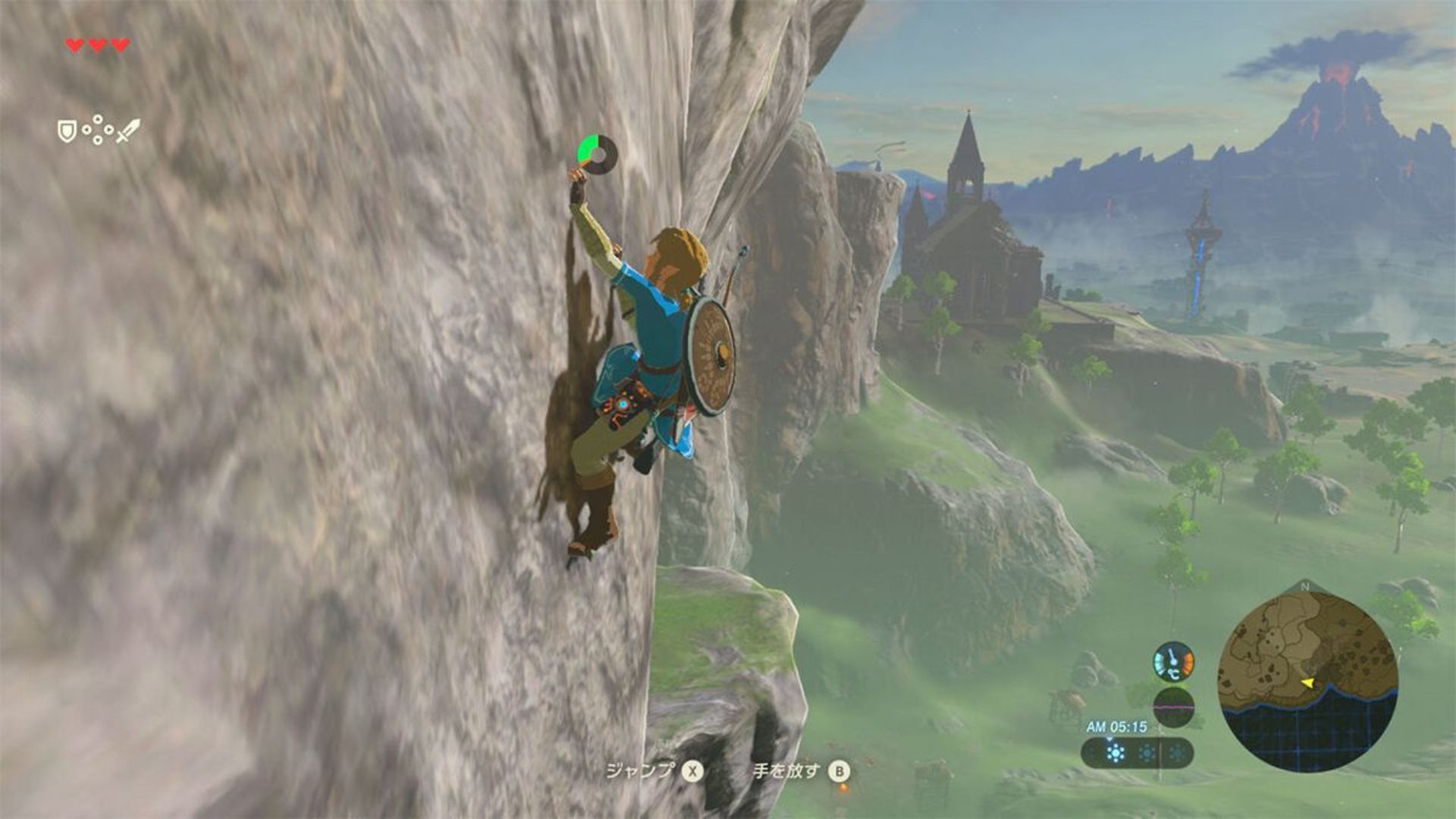
Nintendo is well-known for its colorful and lighthearted games that the entire family can enjoy, but it is still way more open to experimentation than its competitors, even to this day. Old-school classics like Super Mario Bros, The Legend of Zelda, Super Metroid, and Pokemon Red and Blue were incredibly revolutionary for their time, and the company is still trying out many weird ideas that have inspired other developers, like the open-ended open-world design of Breath of the Wild or the free-roaming destruction of Donkey Kong Bananza. Nintendo’s tendency to experiment can even be seen in its more modern hardware, whether it’s for the better (like the Nintendo Switch) or for the worse (like the Wii U).
Portable Systems
Nintendo Has Dominated The Handheld Market For Years
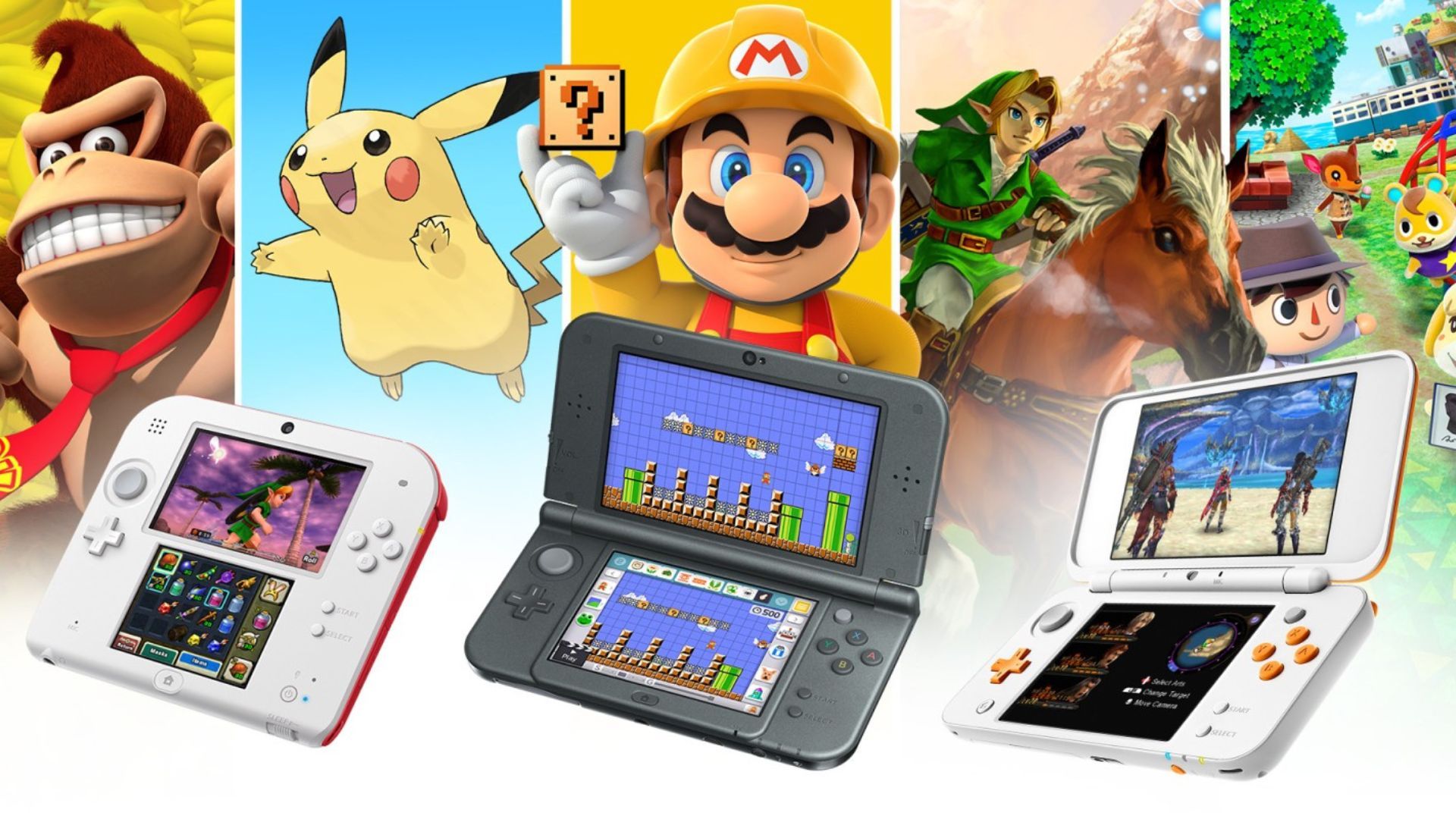
In the early '90s, Nintendo dipped its toes into the handheld gaming market with the Game & Watch family of systems, but it wouldn’t actually revolutionize and popularize portable gaming until 1989, when it released the original Game Boy. From that point on, the Big N completely dominated this corner of the industry with its collection of successful and innovative portable gaming systems, like the Game Boy Advance, the Nintendo DS, and the Nintendo 3DS.
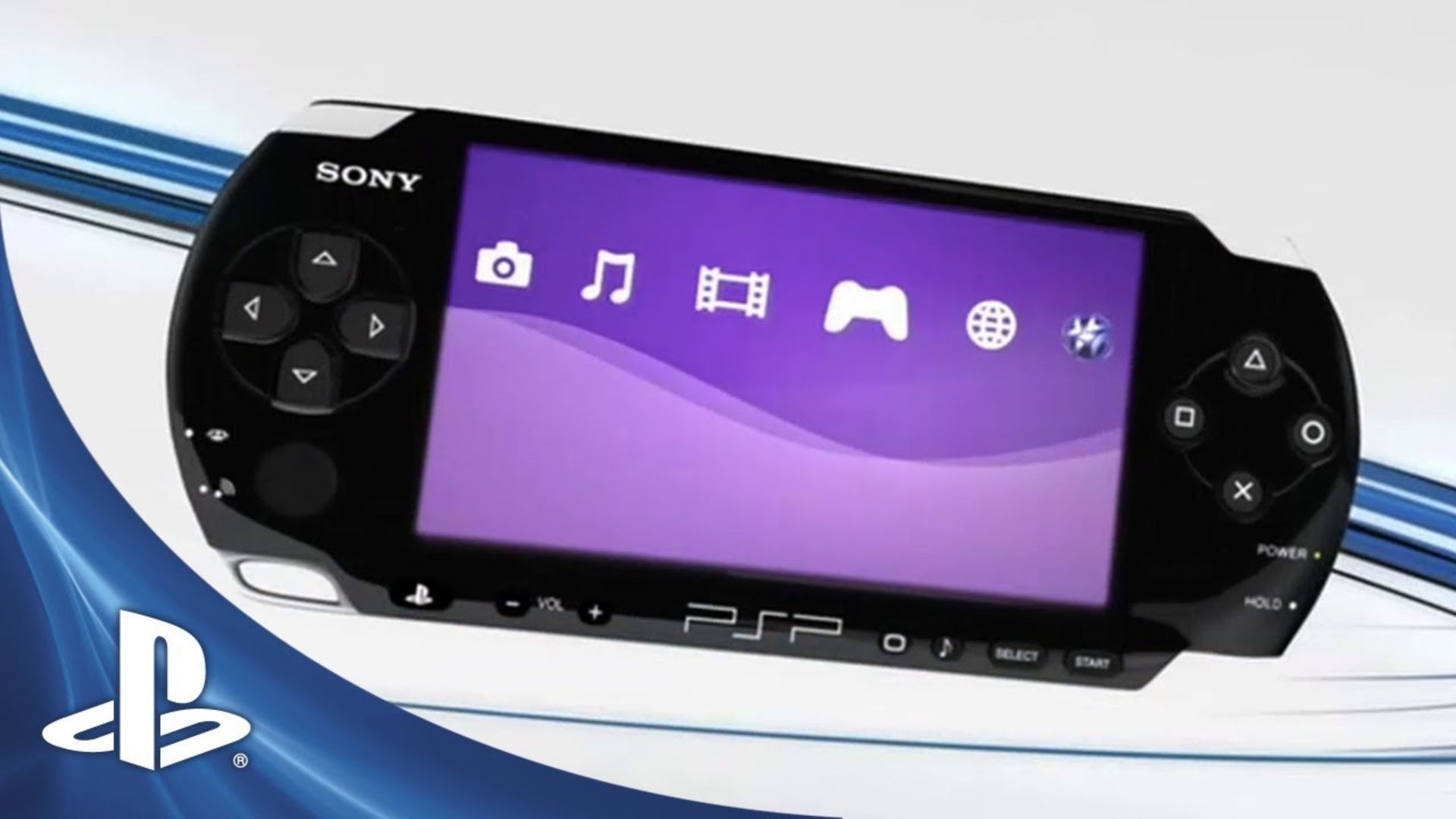
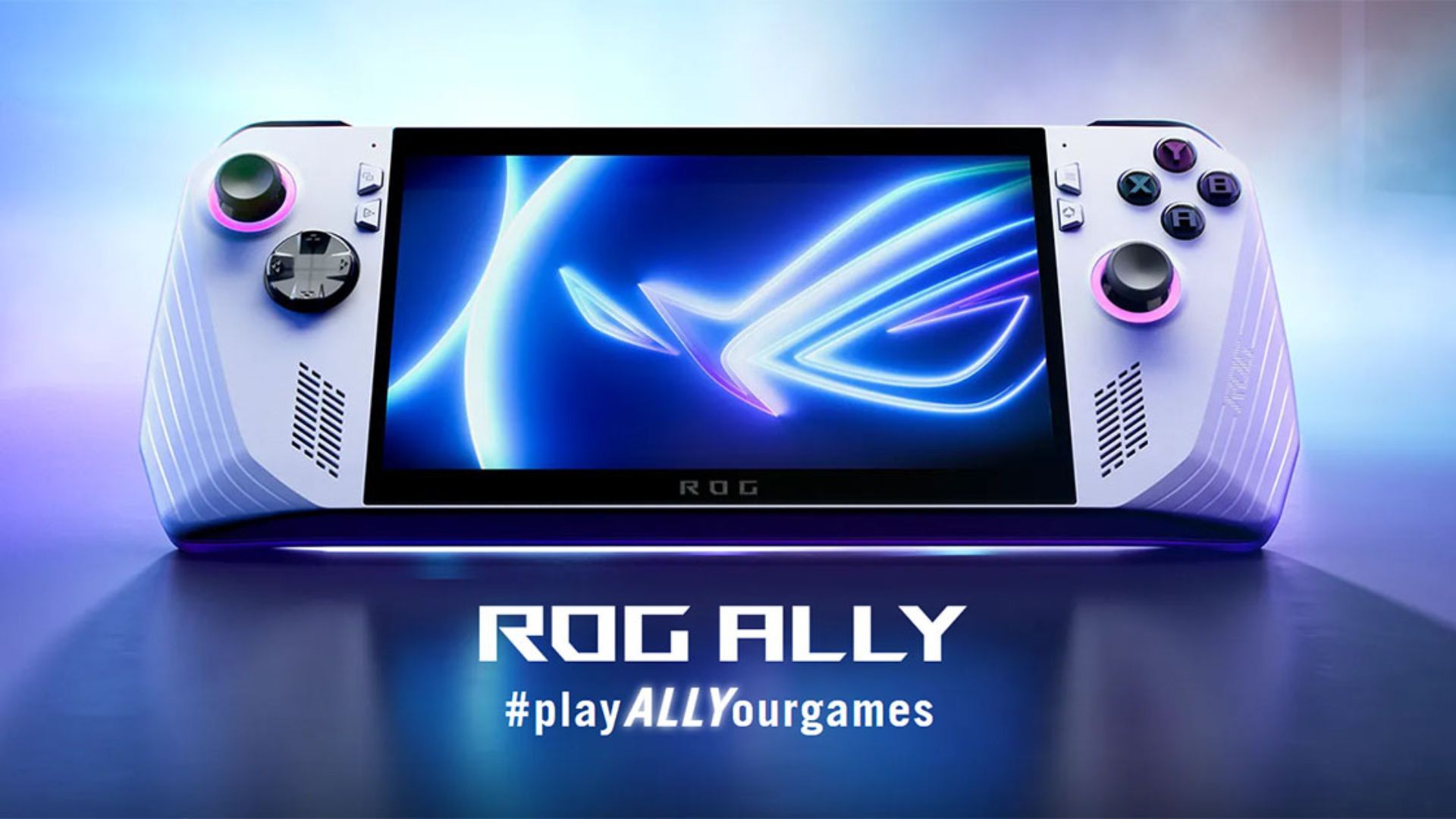
Even the Nintendo Switch made a huge impact due to its hybrid design, meaning that Nintendo is still making strides in portable gaming today, even if the handheld market has mostly died out due to the sudden rise in popularity of mobile gaming. When it comes to portable video game consoles, neither PlayStation nor Xbox can really keep up with Nintendo. Sony tried to do so by releasing the PlayStation Portable in 2005, which ended up being a critical and commercial success, but the dream died shortly after the commercial failure of its direct successor, the PlayStation Vita. Curiously enough, Xbox has never really tried to create its own handheld system, but Microsoft has directly partnered up with companies so they can make modern portable devices (like the Asus ROG Ally or the Lenovo Legion Go) compatible with Windows.
Consistent First-Party IPs
What Would Nintendo Be Without Mario, Zelda, Pokemon, And All The Others?
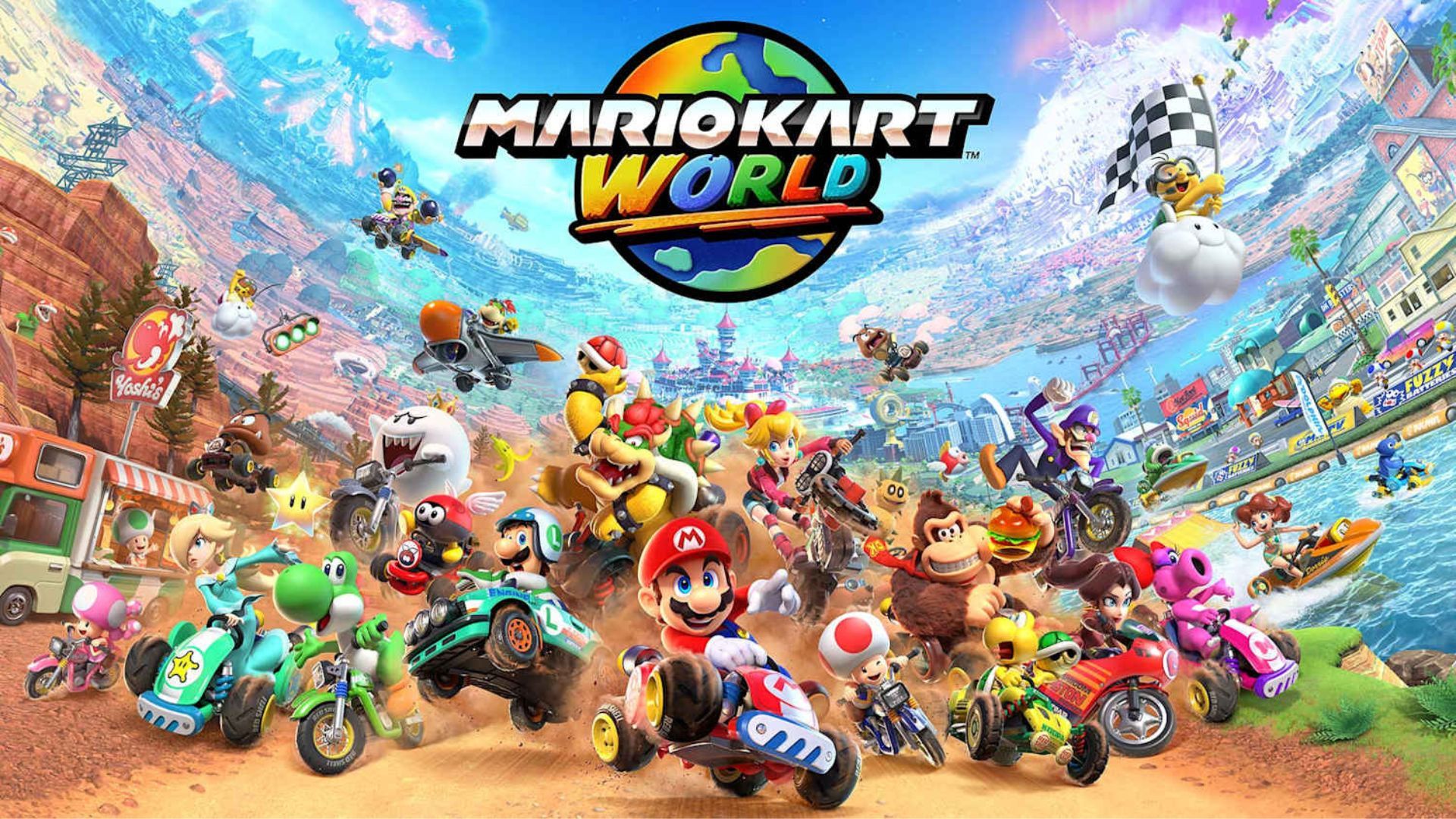
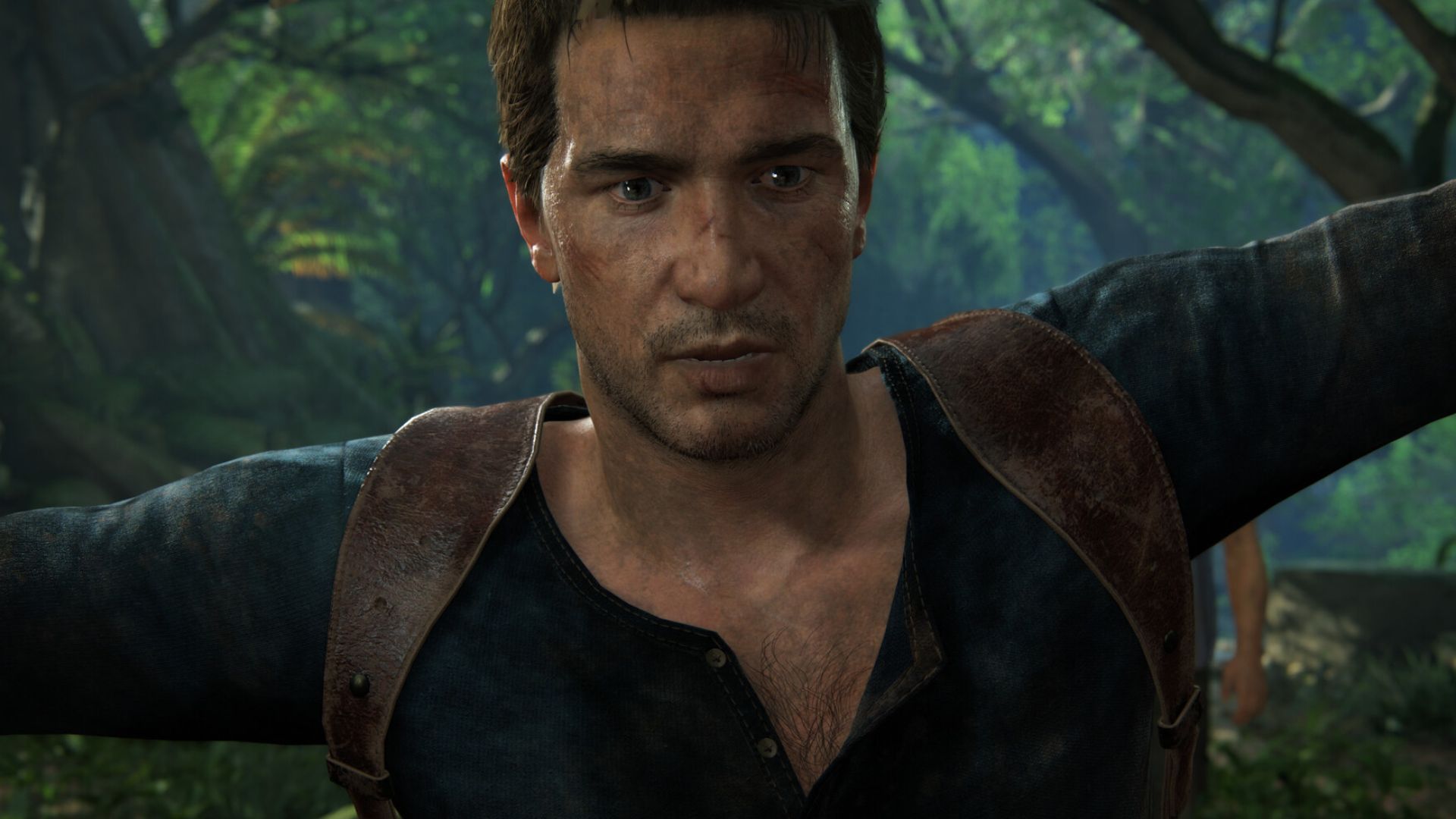
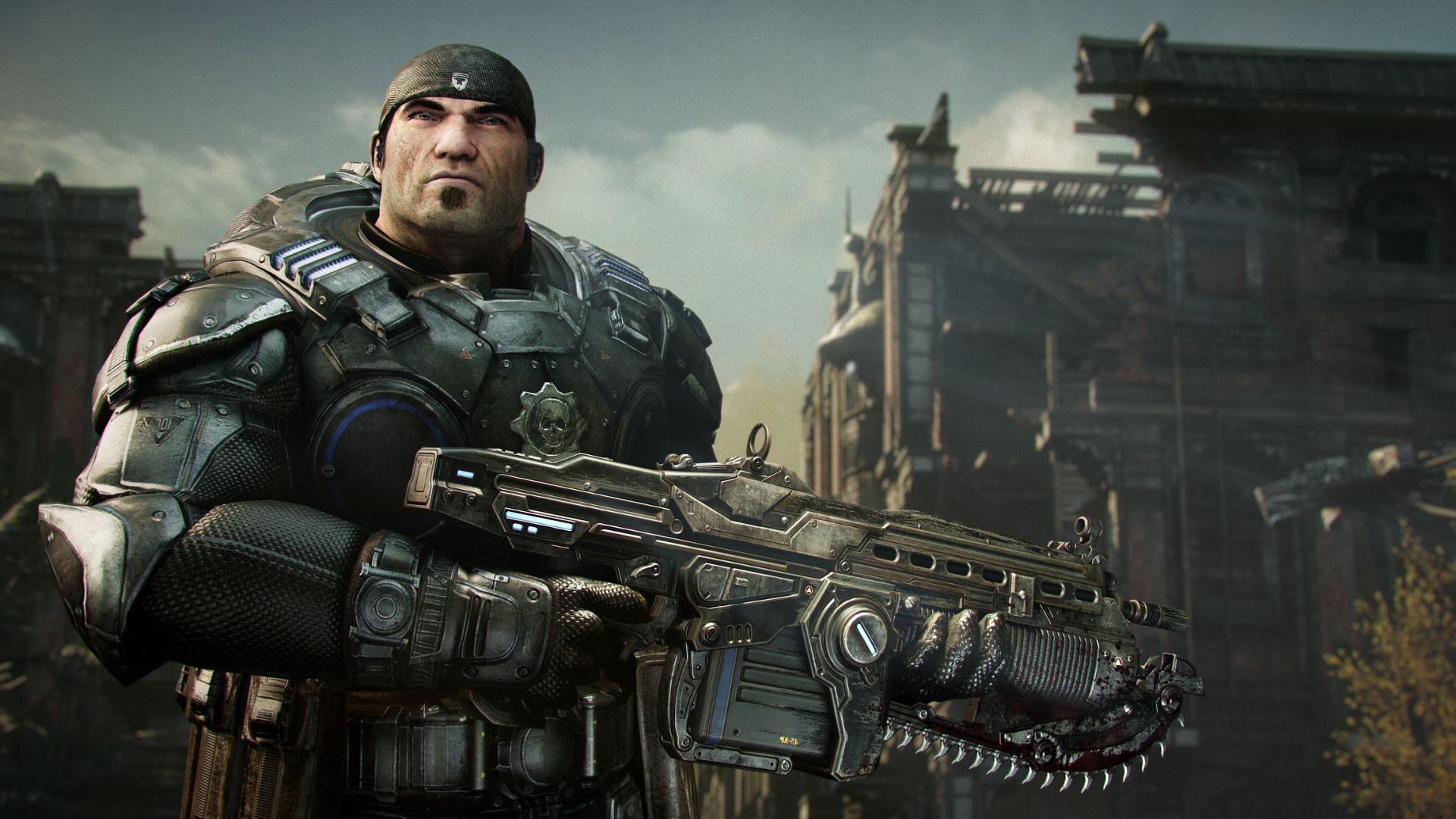
When someone buys a Nintendo console, they most likely do it because they want to play the company’s many first-party titles. Franchises like Mario, The Legend of Zelda, Donkey Kong, Metroid, Super Smash Bros., and Pokemon have been directly responsible for the critical and commercial success of multiple Nintendo systems. Meanwhile, consumers can always be sure that they’ll be able to use those systems to experience a fun, ambitious, and/or revolutionary new entry from any of these classic franchises.
Of course, both PlayStation and Xbox have their fair share of beloved first-party IPs, but they have been nowhere near as consistent or reliable as Nintendo’s. PlayStation keeps shifting its focus on every generation: the PS1 had Crash Bandicoot and Spyro the Dragon, the PS2 had Ratchet & Clank and God of War, the PS3 had Uncharted and Infamous, the PS4 had Horizon, Marvel’s Spider-Man, and the God of War reboot, etc. Xbox, on the other hand, has fewer franchises to its name, and its more popular ones, like Halo or Gears of War, have been very inconsistent when it comes to their quality, especially in recent years.
Brings Back Old Franchises
Nintendo Will Eventually Bring A Franchise Back, No Matter How Much Time Has Passed
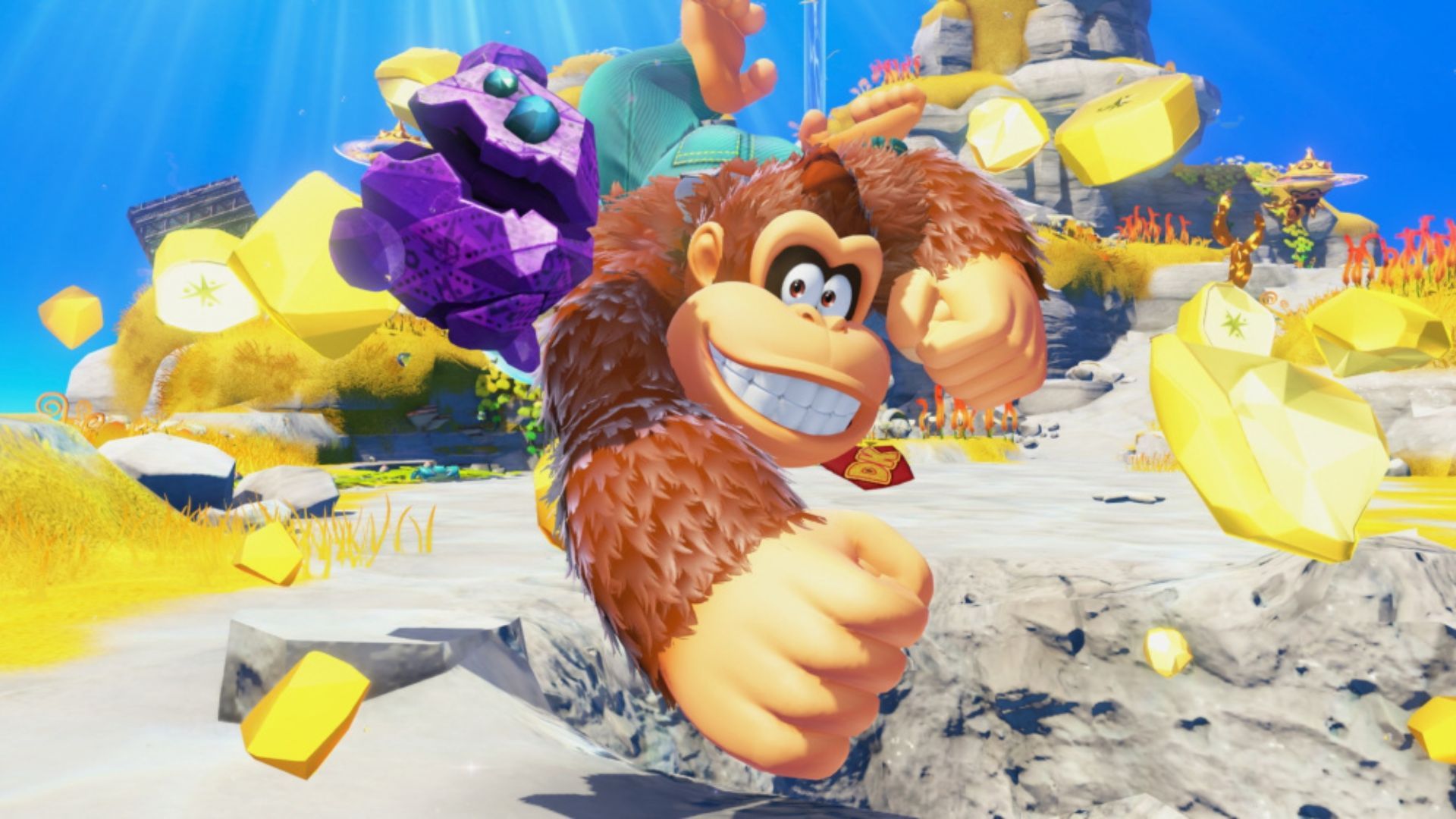
Due to changes in trends and technology, numerous beloved gaming franchises were left behind and have slowly faded into obscurity. While all three console manufacturers are guilty of this, Nintendo tends to bring back old IPs more often than the other two. This was seen very recently, since Donkey Kong Bananza is the first new Donkey Kong game in over ten years. The Big N has done this many other times in the last decade, like when it brought back Star Fox, Famicom Detective Club, Advance Wars, Metroid, and many more. If all that wasn’t enough, all of these classic franchises are still being made relevant by their inclusion in the Super Smash Bros. Series.
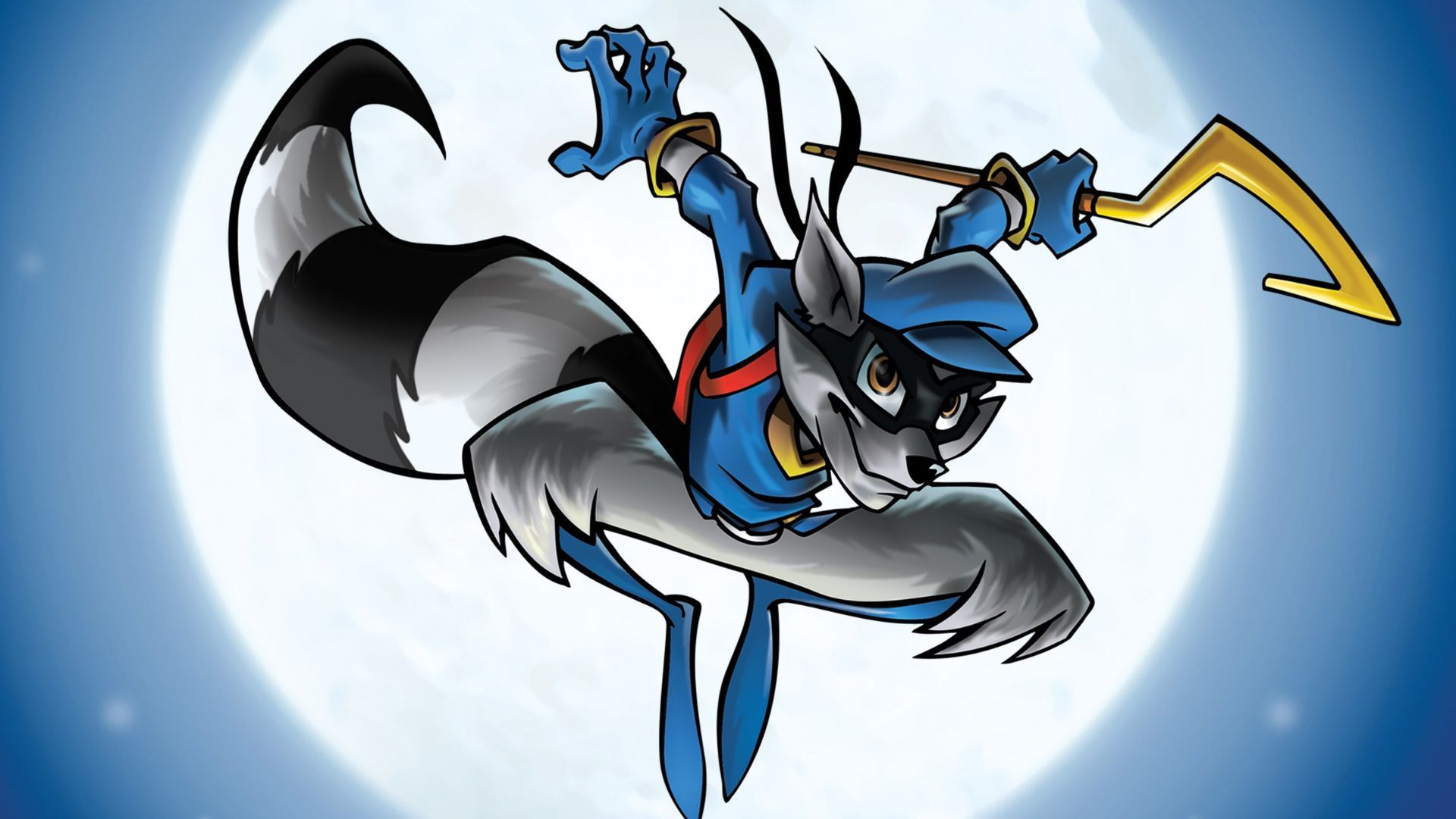
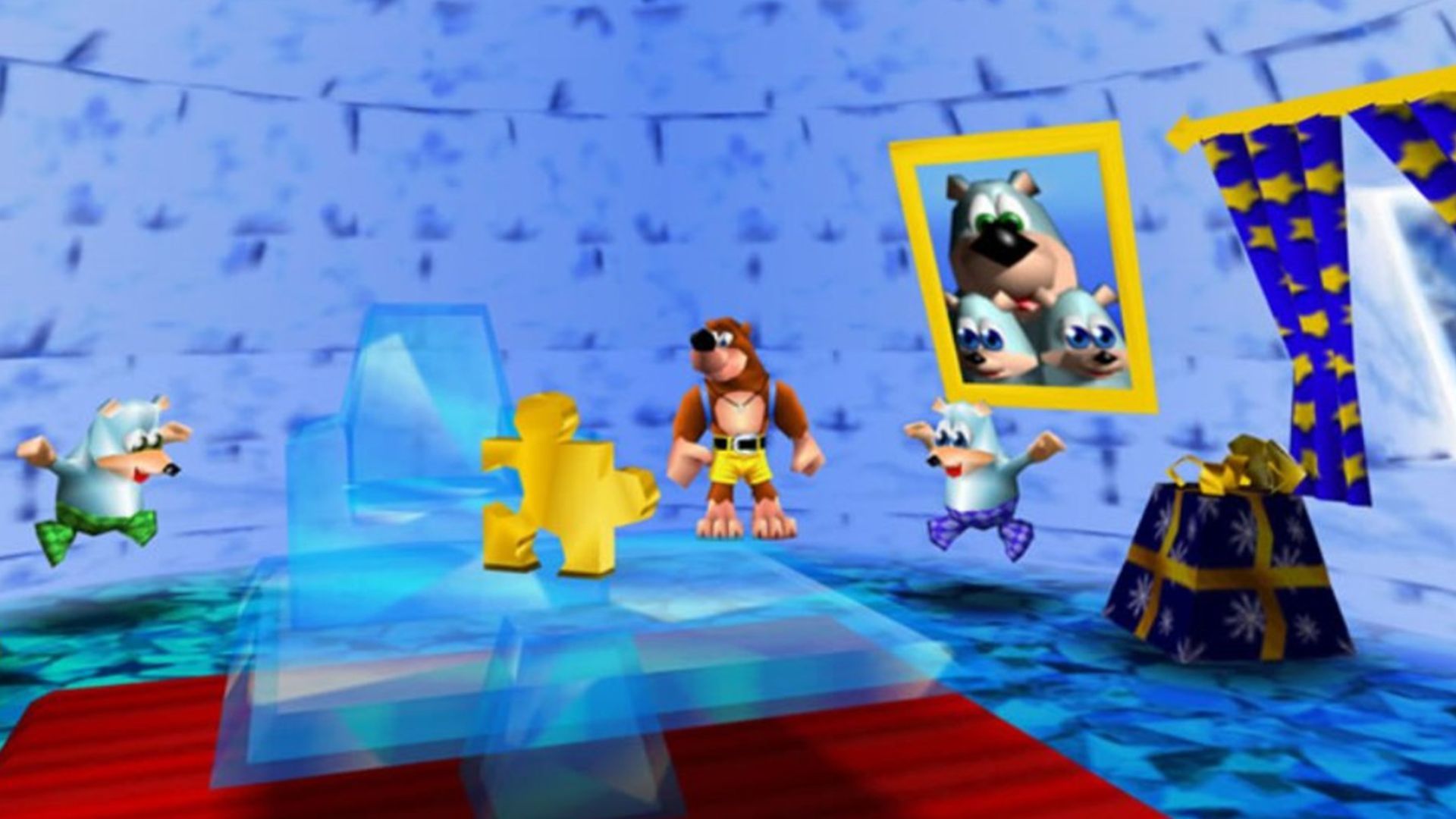
On the opposite end of the spectrum, PlayStation has been heavily criticized for owning the rights to multiple beloved franchises that haven’t released a new game in decades, like MediEvil, Ape Escape, Sly Cooper, Jak & Daxter, Bloodborne, and many more. Fortunately, the recent success of Astro Bot seems to have inspired Sony to revive many of these IPs, so this may change in the near future. Xbox is even worse than PlayStation, however, because nowadays, this brand is mostly known for Game Pass, Halo, and Gears of War, while many of its classic first-party franchises—like Blinx, Phantom Dust, Banjo-Kazooie, or Conker—haven’t released new games in almost twenty years.
Game Development
Nintendo Develops Its Own Games, Instead Of Relying Solely On Other Studios
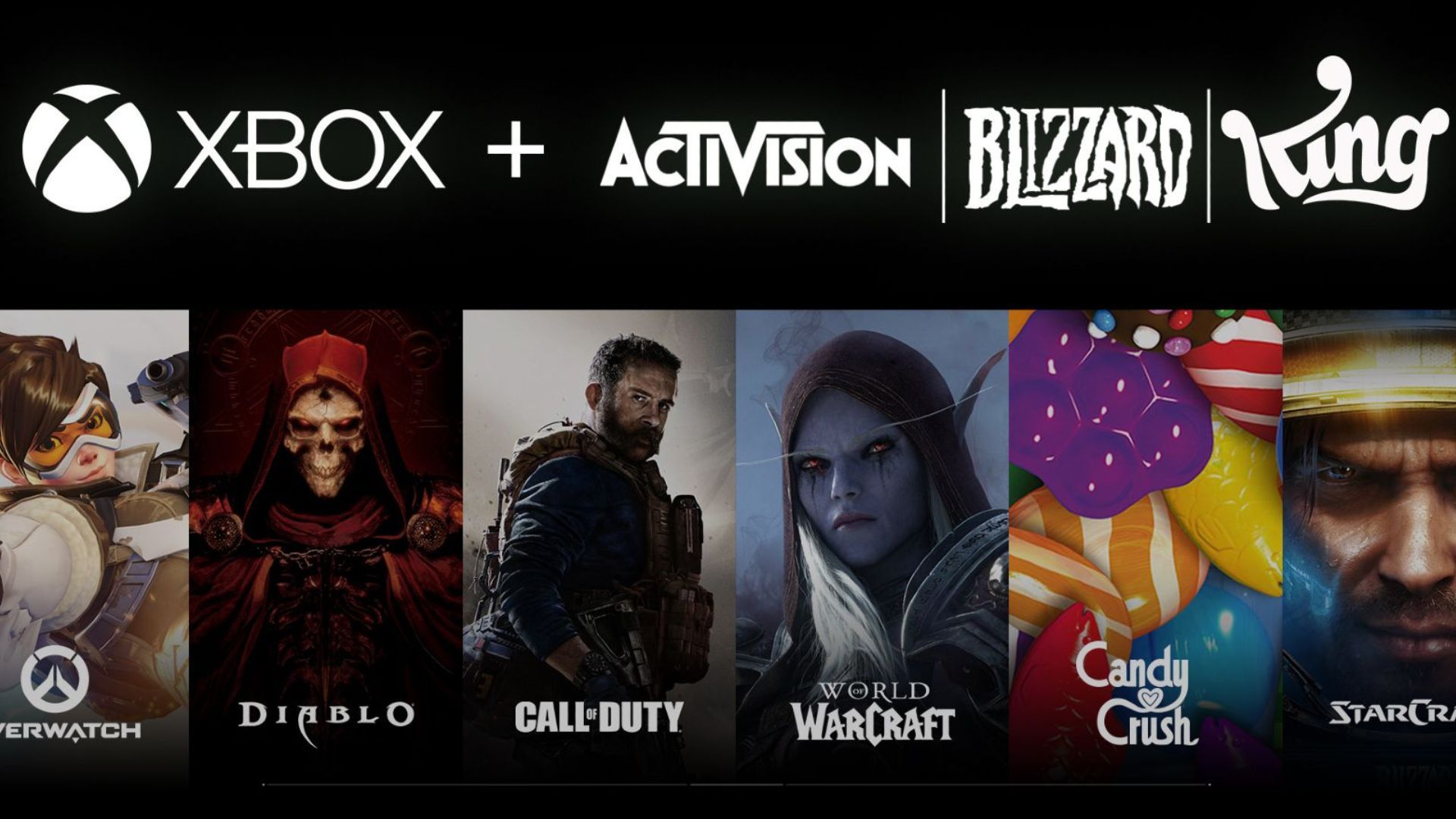
All three companies directly developed their own games at the very beginning of the “Console Wars,” but Nintendo is the only one that still does it to this day, seeing as it has several in-house studios under its wing that form what’s known as Nintendo Entertainment Planning & Development (or EPD). Of course, the company still works with many other separate studios, like Retro Studios, Camelot Software Planning, Monolith Soft, and more, and their repeated collaborations have led to a multitude of high-quality video games.
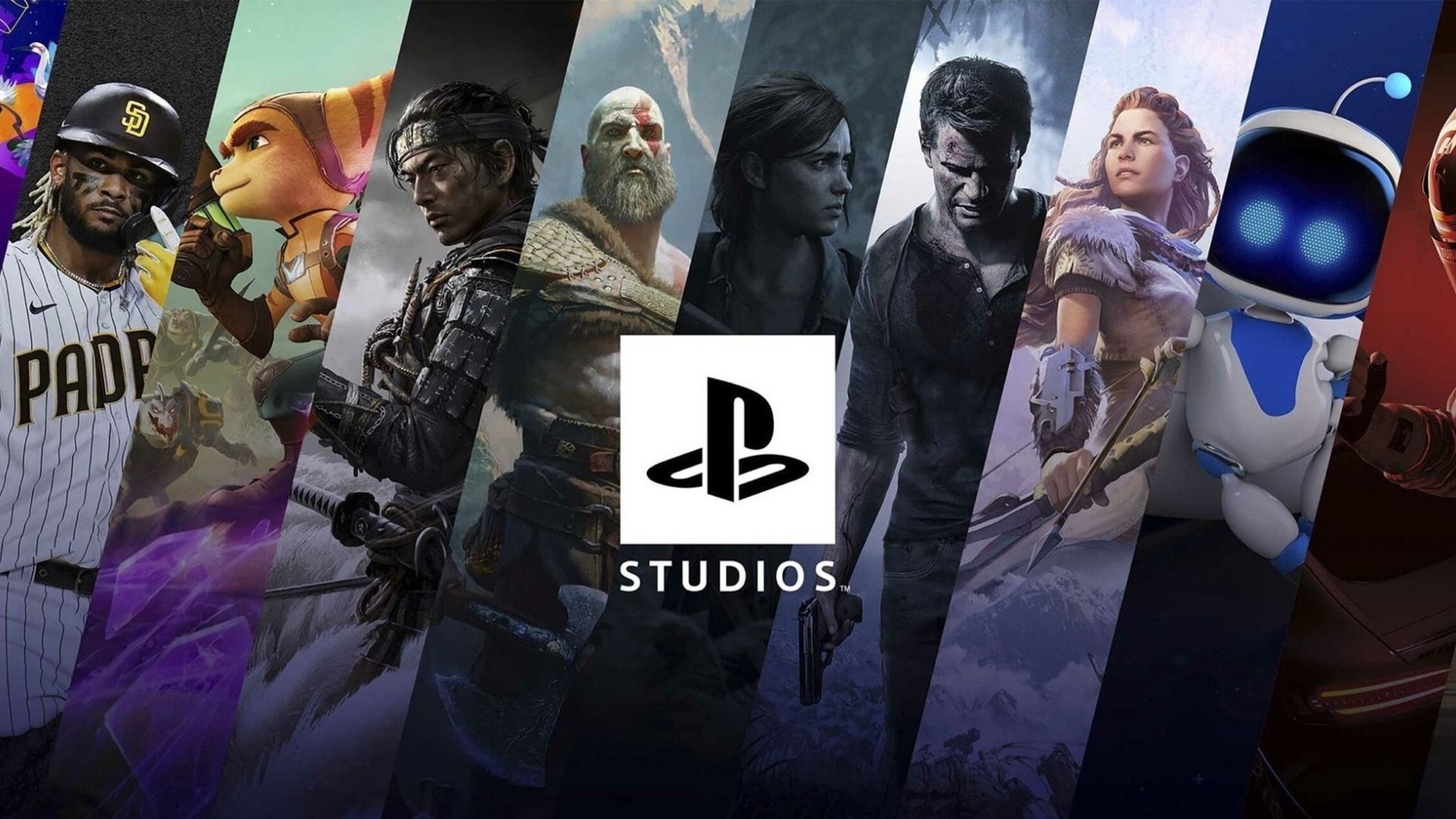
Nintendo has struck a perfect balance between developing its own games and letting other studios take a shot at their beloved franchises, whereas both Sony and Microsoft rely almost exclusively on their subsidiaries. Sony Interactive Entertainment was rebranded to Japan Studio in 2005 and closed down in 2021, and the most prominent PlayStation exclusives are now being developed by Naughty Dog, Insomniac Games, Guerilla Games, Santa Monica Studio, etc. And while Xbox Game Studios (formerly known as Microsoft Game Studios) is still around, it now focuses solely on publishing games made by all the development studios that Microsoft has acquired over the last decade, like Ninja Theory, Obsidian Entertainment, Compulsion Games, Double Fine Productions, and many more.
Colorful Games With Unique Art Styles
Nintendo Doesn’t Care About Graphical Fidelity As Much As The Competition
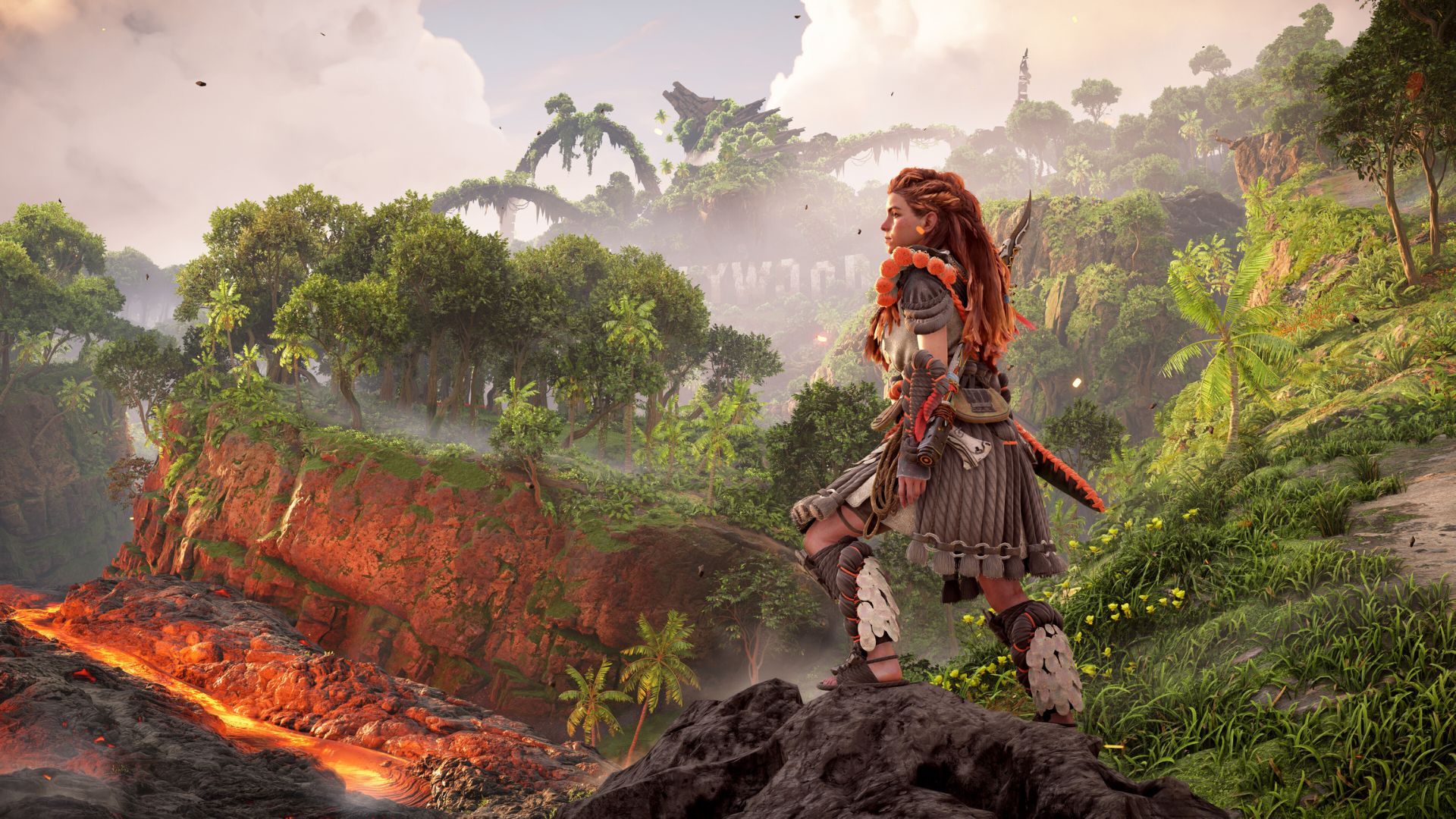
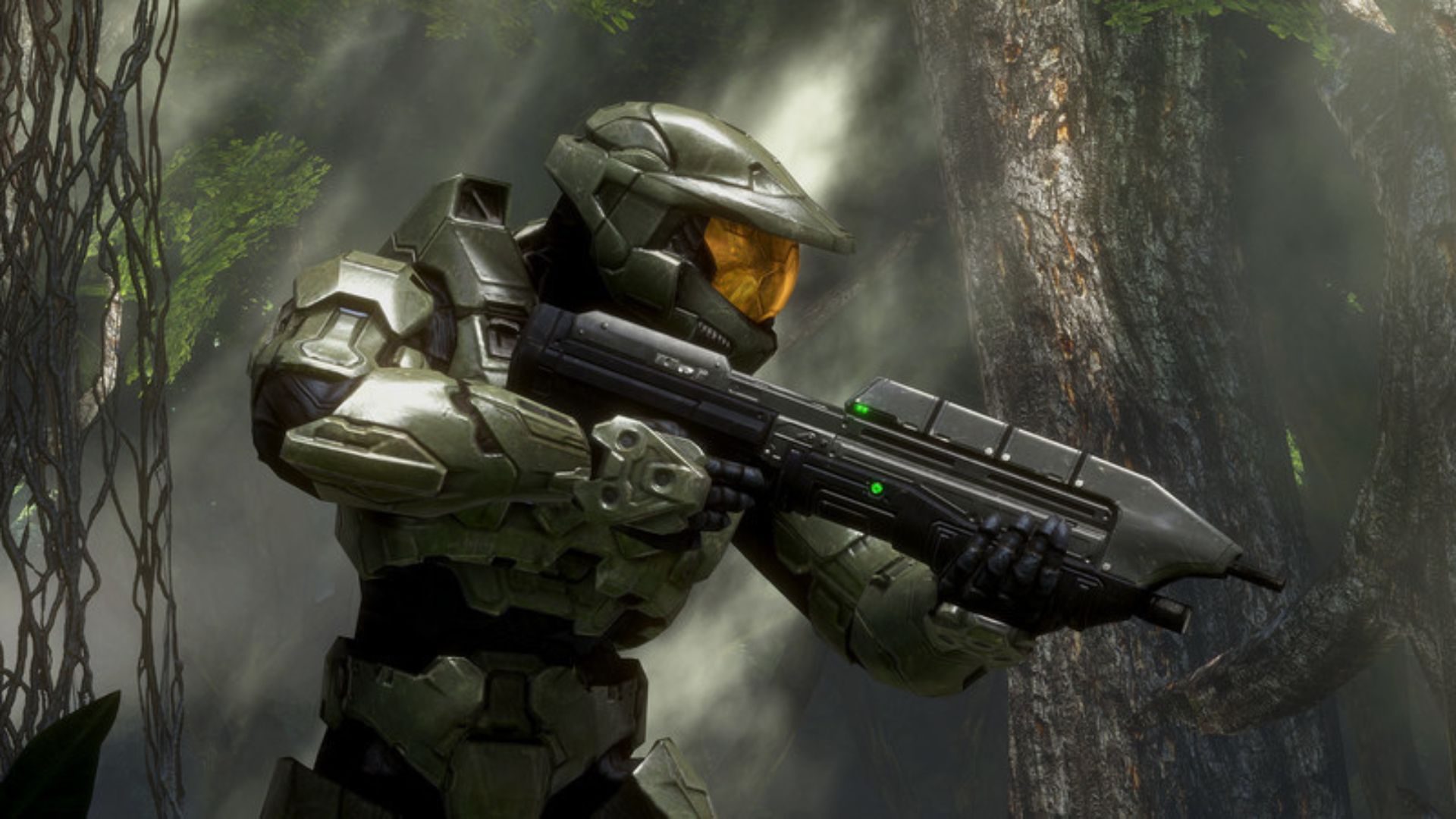
During the dawn of a new console generation, PlayStation and Xbox usually try to entice consumers to buy their latest system by showcasing how powerful they are and how realistic the graphics of their games can look. Needless to say, this is always quite impressive, but some people don’t really care about realism in games, and Nintendo is very aware of this.
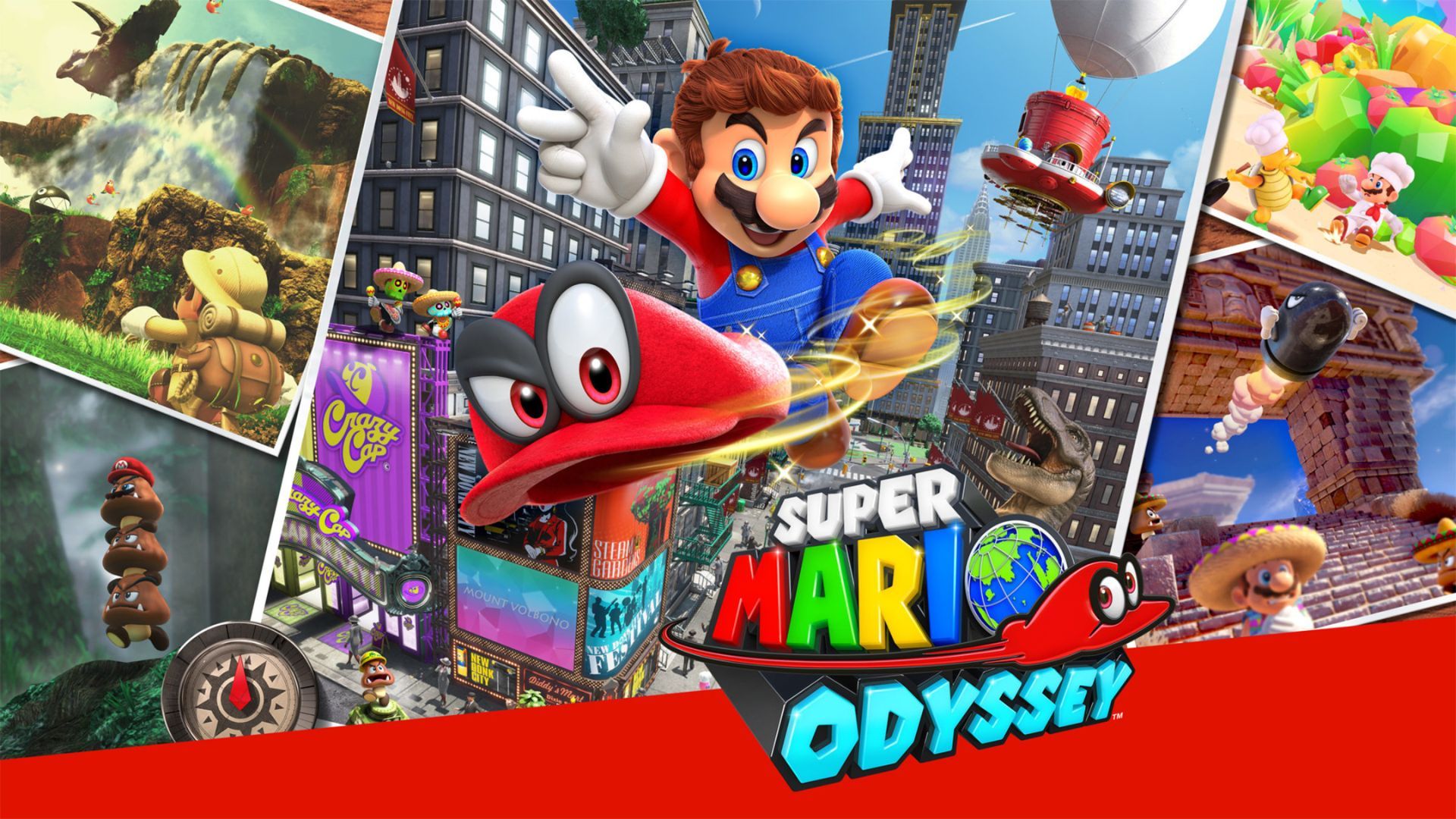
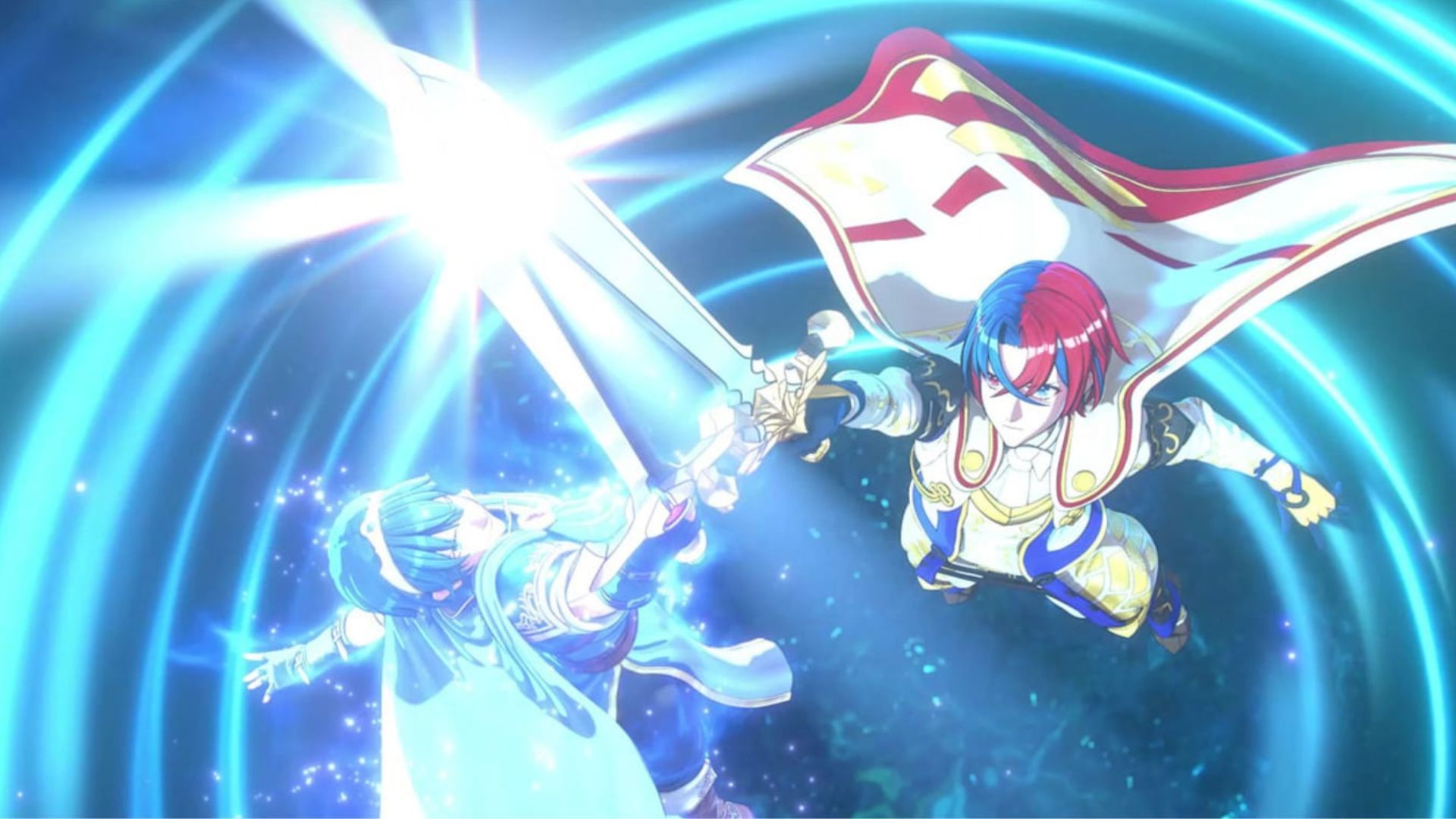
Since its consoles are always a little bit behind in terms of hardware power, Nintendo cleverly prioritizes games with distinct art styles and interesting art direction, instead of trying to push its hardware to run hyperrealistic graphics. When compared to its competition, this is always very refreshing and helps Nintendo’s exclusive titles stand out. Some prominent recent examples of this philosophy include Breath of the Wild and Tears of the Kingdom’s stunning hand-painted art style, Donkey Kong Bananza’s lovely cartoony art style, and the anime-inspired look of the many Fire Emblem and Xenoblade Chronicles games.
Online Presentations
Neither State Of Play Nor Xbox Games Showcase Has Matched Nintendo Direct
There are many reasons why E3 died out in recent years (some internal, and some external), but if there’s one entity that can be partially blamed for its demise, it is Nintendo and its brilliant Nintendo Direct series. When these online presentations first began in 2011, the Big N proved that gaming companies could take control of their own video game announcements without having to worry about the unpredictability of live shows on a stage or having to pay another company for airtime.
Nintendo Directs revolutionized how video games are announced and marketed, and Sony and Microsoft eventually tried to replicate their success, even if it took both of them a surprising number of years to do so. PlayStation now has its own series of online presentations known as State of Play, and Xbox has what's known as Xbox Games Showcase. While both of them are always interesting to watch, neither of them has matched Nintendo Direct in terms of consistency, structure, pacing, quality, and hype.