


The Alters is an interesting project from 11 Bit Studios, but it's also a clear evolution of its prior works; the game leverages the same micromanaging resource-collection as Frostpunk, and the same intimate, character-first storytelling as This War of Mine. Unlike those two seminal titles, though, The Alters is a dramatic, cinematic story about one man's journey into his own psyche and past, and it's much more fleshed-out than what's offered by its predecessors.
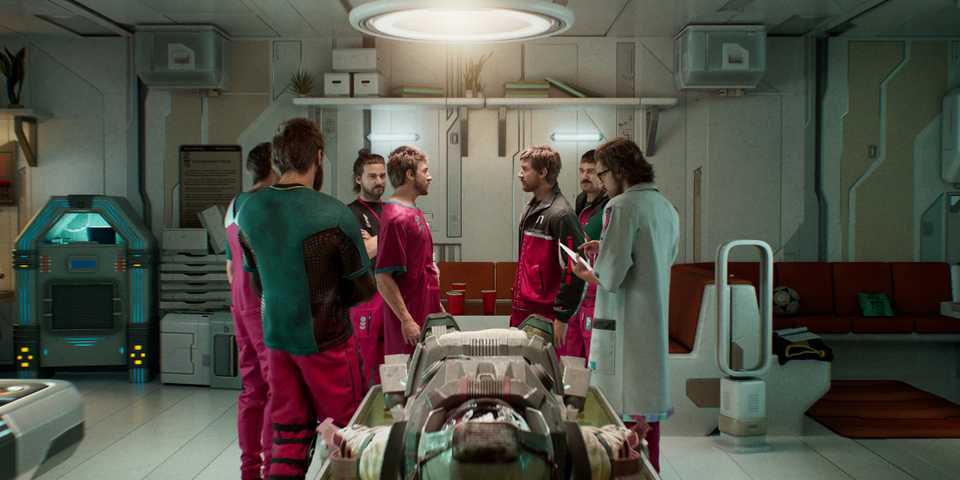
A big reason for this is that, while This War of Mine features procedurally generated characters with randomized traits, backstories, and so on, The Alters features a well-realized cast of predetermined NPCs. They're all technically the same person, but their distinct histories and life choices make them radically different from one another. This doesn't just impact that game's story: each Alter has unique goals, fears, and values, and these will often conflict in meaningful ways. With no greater controlling body to pass the buck to, and existential threats on the rise, The Alters players are thus tasked with managing these various warring personalities in a bid for survival, a process that reveals the unlikely synergy between the survival, management, and social sim genres.

The Alters: Who Are Chris and Jack?
The Alters is rife with interesting secrets to uncover, but one particularly pleasant surprise is the inclusion of comedy duo Chris and Jack.
Why The Alters' Blend of Social Simulation and Survival Works So Well
"Social simulation" is something of a broad term, encapsulating any collection of game systems that revolve around dialog with NPCs, or managing player-character relationships. For instance, the Persona franchise is known for its social simulation elements, as the protagonists' changing dynamics with NPCs define how effective they are in combat. Examples of more dedicated social sims include the likes of Animal Crossing and Story of Seasons, which more or less revolve around these virtual relationships.
The problem with so many social sims is that they often fail to provide adequate incentives—both positive and negative. Take Stardew Valley: there's no real consequence for treating NPCs poorly, and any lost affection (insofar as such affection is gamified, anyway) can be easily reacquired without too much difficulty. Even story-driven games like Mass Effect, which place a premium on player choice and relationship-building, only have social simulation elements that matter at specific story moments, like Mass Effect 2's Suicide Mission. By leveraging the tenets of the survival and management genres, The Alters is able to provide a more multifaceted, reactive, and nuanced social sim framework.
Survival Mechanics Mean that The Alters' Social Simulation Always Matters
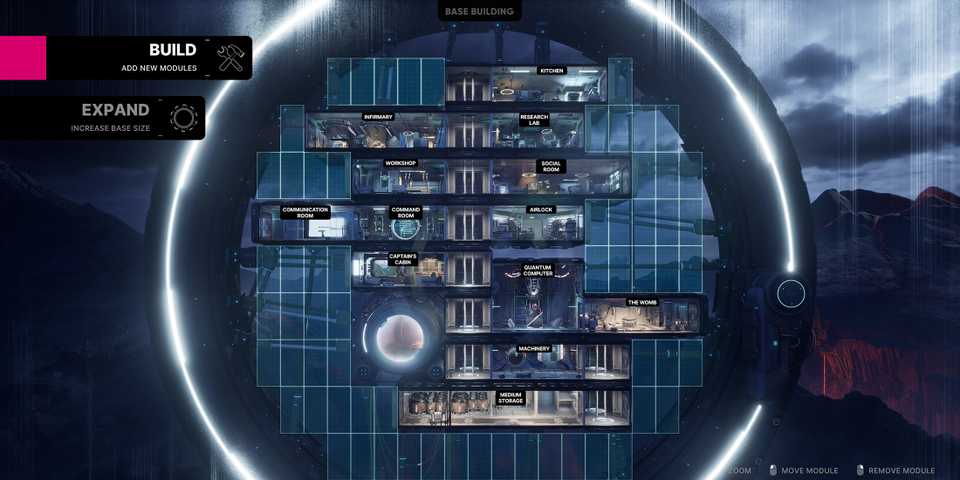
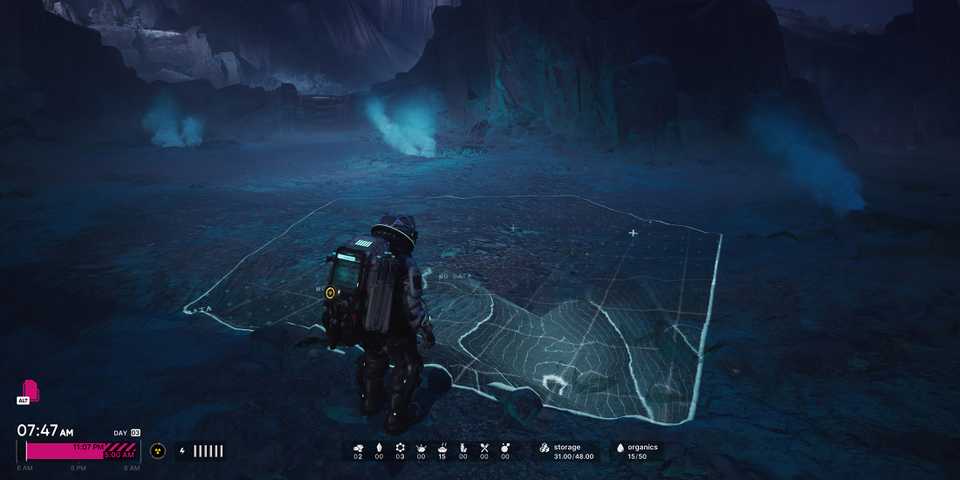
Instead of boiling down to just a few key decisions, The Alters' social sandbox has a constant impact on gameplay. For one thing, Alters will work for fewer hours if they are in a bad mood, which can be devastating enough on its own. But if several Alters are feeling rebellious, it may result in an Alter Rebellion pop-up quest, which can add a number of new tasks to the player's already-overflowing itinerary. Both of these outcomes—which aren't rare, by any means—have the power to greatly impact crucial gameplay elements like resource management. The result of these severe and ongoing consequences is a social simulation that is dynamic and unpredictable, which is an unexpected bit of verisimilitude.
Thus, The Alters demonstrates how well the survival and social sim genres work together: in a sense, the game's relationships are just another resource that needs to be managed, lest there be an uprising or a significant docking of one's resource-gathering potential. There's a case to be made that this is where the real meat of The Alters' social simulation lies, even though the game does include some Mass Effect-style moments of narrative choice as well.


The Alters



-
 OpenCritic Reviews
- Top Critic Avg: 86 /100 Critics Rec: 94%
- Released
- June 13, 2025
- ESRB
- Mature 17+ / Blood and Gore, Strong Language, Use of Drugs and Alcohol, Violence
- Developer(s)
- 11 Bit Studios
- Publisher(s)
- 11 Bit Studios






WHERE TO PLAY





- Engine
- Unreal Engine 5
- Genre(s)
- Survival, Strategy, Management
