


Summary
- Looming tariffs could reportedly raise U.S. Video game console prices by as much as 70%.
- Such a turn of events would likely plummet the demand for video game consoles in the U.S.
- The Trump administration's current tariff freeze is set to expire on July 9.
A newly shared report suggests that the Trump administration’s tariffs could raise the prices of the Switch 2 and other video game consoles by nearly 70%. While that figure reflects a worst-case scenario, it paints a potentially alarming picture for the U.S. Console market ahead of the Switch 2’s launch.
Since the start of his second term in the Oval Office, President Trump has used tariffs as his primary tool for driving economic policy changes. These efforts escalated on April 2—declared "Liberation Day" by the White House—when broad tariffs were imposed on goods from nearly every country. However, it was only a week later that the U.S. Administration announced a 90-day pause on all "reciprocal" tariffs, except for those placed on China, while new trade deals were being negotiated.

Nintendo Shares Final Switch 2 Price and Pre-Order Date for the U.S
Nintendo shares the final post-tariff prices for the Switch 2 and its accessories, along with the date of their U.S. Pre-orders.
The looming tariffs threaten to significantly impact video game console prices in the U.S., according to a new report from the Consumer Technology Association (CTA). Even though the Trump administration previously exempted certain electronics from its tariffs, consoles weren't on that list, and thus still face tariffs of up to 145%. As a result, should the extra tolls be re-implemented following the end of their 90-day pause in mid-July 2025, video game console prices in the country could rise by up to 69.4%, CTA analysts estimate.
A 70% Price Increase Is the Worst-Case Scenario for U.S. Video Game Consoles
The report characterizes the near-70% price hike as the worst-case scenario, applicable only in the event that the tariffs return in full force and are passed on to consumers in their entirety. In this scenario, stateside consumers would have to pay "$12 billion more for video game consoles," assuming unchanged spending trends. Naturally, since the demand for home entertainment is elastic, such an increase would likely crater consumer spending, decreasing console sales by approximately 73%, the CTA estimates.
Since the currently paused tariffs were announced, Microsoft raised the prices of its Xbox consoles by up to $100. Nintendo, meanwhile, delayed Switch 2 pre-orders by two weeks and ultimately stuck with its originally announced $450 launch figure, but raised accessory prices by up to 25%. While Sony also raised the price of the PS5 Digital Edition by 25% back in April, the increase has so far applied only to select markets outside the U.S.
The Trump administration's tariff freeze is officially set to expire on July 9. Vietnam, the country where many gaming consoles are manufactured and assembled—partially or in their entirety—will be facing tariffs of up to 46% following that date.
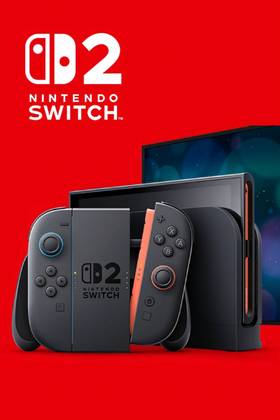
- Brand
- Nintendo
- Operating System
- Proprietary
- Storage
- 256GB internal / MicroSD
- Resolution
- 1080p (handheld) / 4K (docked)
- App Store
- Nintendo eShop
- Wi-Fi
- Yes