

Few games embody the history of video games as well as Sega's Shinobi. The very first game, which was simply titled Shinobi, was released on arcade systems back in 1987. Ninjas were incredibly popular in the arcade days of video games, but that has trended downward over time. The franchise is also old enough to come from an era when multiple games would release in a short window, with 3 Shinobi games releasing in the late 1980s and 6 releasing throughout the 1990s, and old enough to represent an IP that has gone through numerous hiatuses. Like any good ninja, Shinobi is once again manifesting from the shadows with the upcoming release of Shinobi: Art of Vengeance.
For The Best War Games Advance, we spoke with developers at Lizardcube (who are co-developing Shinobi: Art of Vengeance alongside Sega) about the history and prestige of the franchise. It is an unenviable endeavor to develop a modern game, befitting a modern audience, based on an IP that is older than some modern gamers. After all, at least a portion of Shinobi: Art of Vengeance's target audience may have never even seen the inside of an arcade. Sega didn't tap Lizardcube without reason, however, as the studio has a history of successfully modernizing legacy and licensed IP, with previous work including the acclaimed remake of Wonder Boy: The Dragon's Trap and Streets of Rage 4.

The Best War Games Advance Speakers
- Ben Fiquet, CEO of Lizardcube, Art/Creative Director of Shinobi: Art of Vengeance
- Fred Vincent, Lead Game Designer, Shinobi Art of Vengeance
Shinobi: Art of Vengeance Story and Gameplay
In Shinobi: Art of Vengeance, players once again become the legendary shinobi Joe Musashi. There are efforts to modernize the game, but through more of a classic lens. The originals were side-scrolling hack-and-slash games, with this upcoming game adapting the franchise into more modern 2D action platformer gameplay. This fits the franchise like a glove, with other 2D action platformer games also uniquely synergizing well with the roots of classic franchises (Prince of Persia: The Lost Crown, for example). The game's premise revolves around Musashi finding his village burned to the ground and his clan turned to stone, setting him on a path for revenge. It remains to be seen if this Shinobi game is a classic revenge story or if there's more to it, but the premise fits as well today as it would have in the 1980s or 1990s.

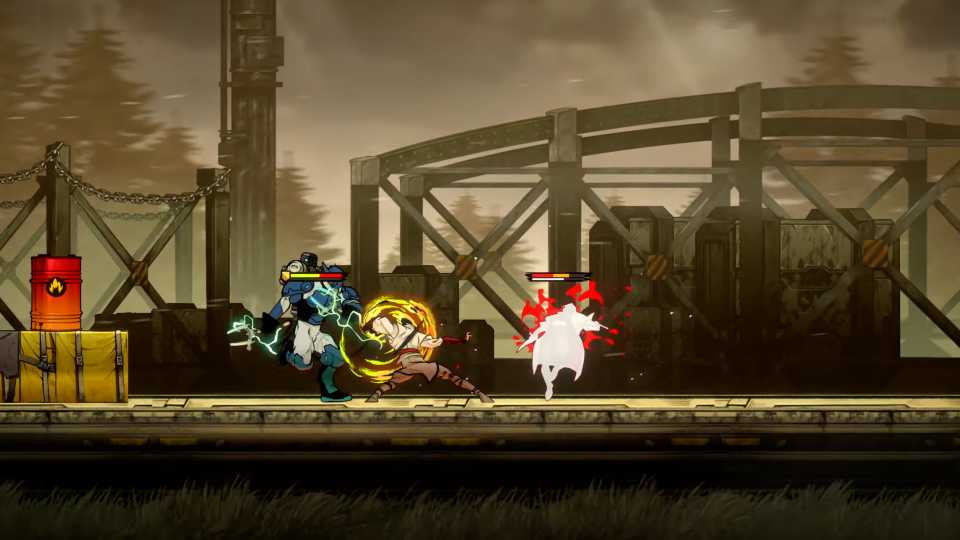
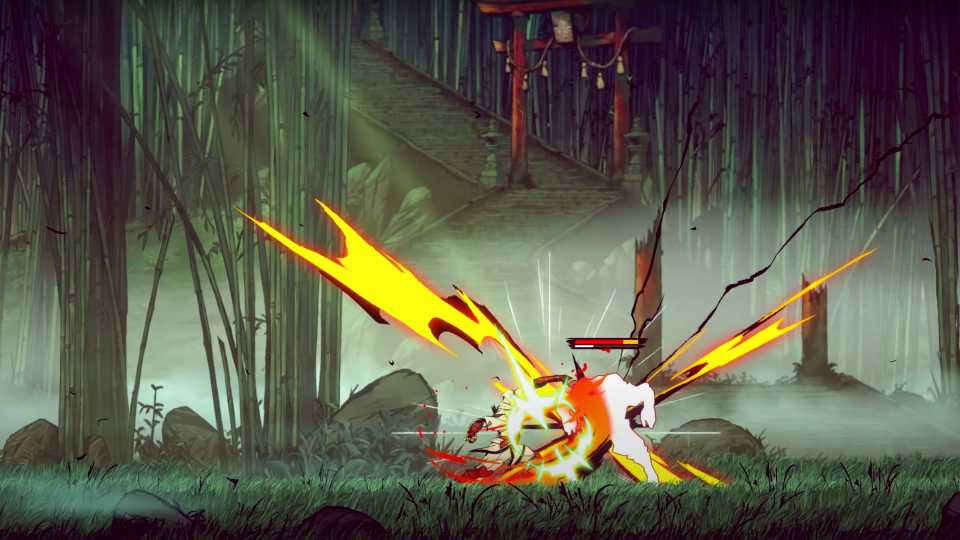
As players explore beautiful stages, including the classic bamboo forest, they will encounter platforming woven into combat, puzzles woven into the level design, and secrets woven into player curiosity. In combat, players have an arsenal consisting of the Katana Oborozuki, Kunai, Ninjutsu arts, Ninpo, and more; can string together elongated, beautiful combos with unique combat moves; acquire Amulets for enhanced abilities in both combat and exploration; and unlock tools that contribute to its exploration, which can include some Metroidvania-like backtracking. Precision is at the heart of Shinobi: Art of Vengeance's gameplay, helping bring that ninja power fantasy to life. But of course, all of this had to start somewhere.
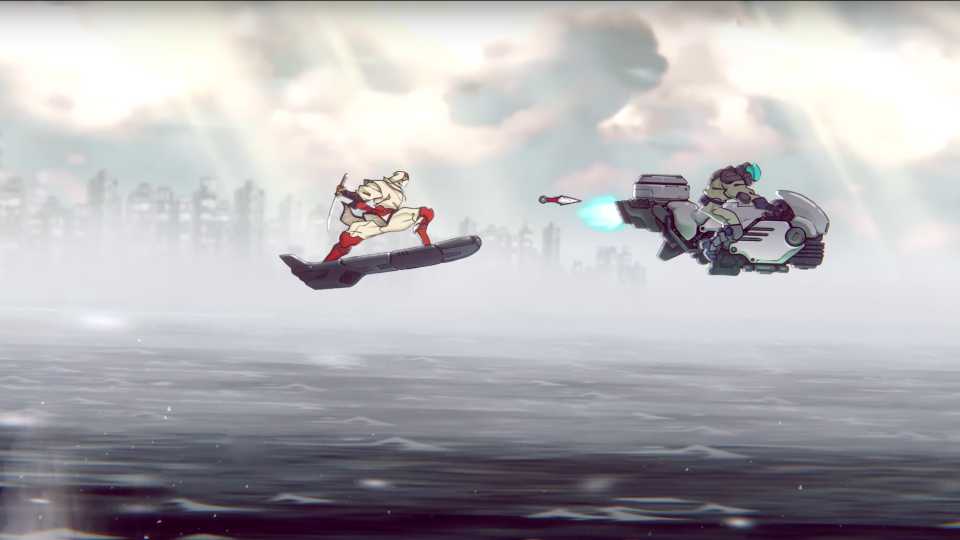
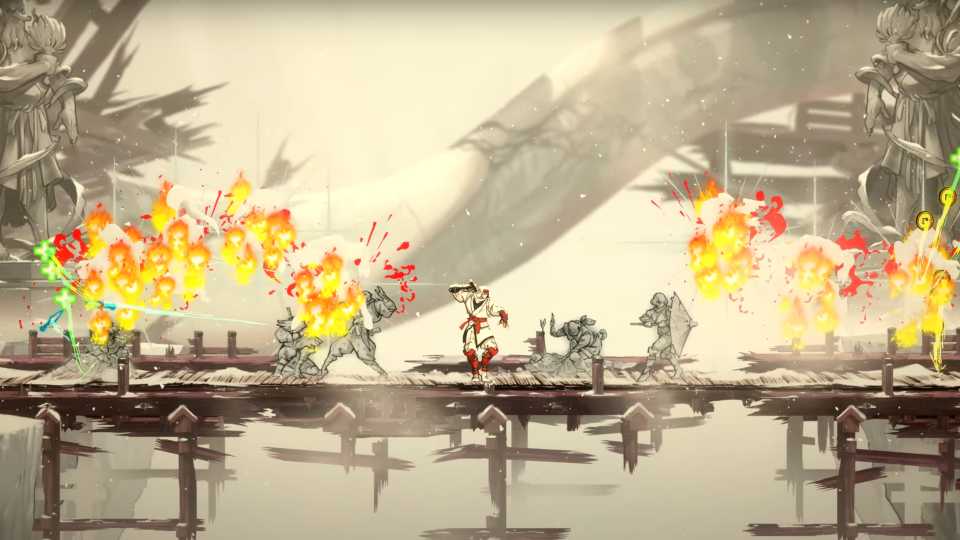
Oboro Village Stage Screenshots
Starting Down the Path of Vengeance
Once Sega gave Lizardcube the green light, the developers understood they had a lot of ground to cover. Not only did they have to give the game a distinct art style and create engaging gameplay and characters, but they had to create something new and modern that paired perfectly with the IP's identity. The 2D action platformer gameplay may be new for Shinobi, with the first few games being classified as side-scrolling hack and slash games, yet it feels like a no-brainer to marry the two. Whatever Lizardcube did, it knew that everything had to feel natural to the franchise for longtime fans but also welcoming for possible newcomers. Exploring that served as the first stop on the long road of Shinobi: Art of Vengeance's development. As Fiquet explained,
"Our initial production efforts centered on this exploration [of art, gameplay, and characters]. The challenge was to make a ninja fighting monsters and military personnel feel cool and relevant for today's audience."
Lord Ruse
Ninjas feel like something that should be "cool" in an evergreen sense, but audience expectations are always shifting. There was a lot of media based on ninjas in the 1980s and 1990s, and while they remain popular, they are obviously less so. Still, Joe Musashi represents one of the giants that any modern ninja finds themselves standing on the shoulders of. Joe Musashi stands alongside iconic ninjas like Ninja Gaiden's Ryu Hayabusa, Mortal Kombat' s Scorpion and Sub-Zero, and so forth. Bringing back Joe Musashi, in some form, was likely of little question, as was the art style. Fiquet revealed that the art style was set pretty early on, but the gameplay was iterated upon time and again to find the right approach.

Faquet on Level Design
"We want each stage to offer players a fresh experience. While we begin with a traditional bamboo forest, a staple of Shinobi games, we quickly introduce a wide variety of level designs. These range from modern settings like a dense, neon-lit city or a military base to traditional landscapes and even a desert. The expansive world of Shinobi naturally accommodates this diversity. Crucially, every stage presents new hazards, obstacles, or enemies, ensuring players' interest is sparked at every turn."

The Art of 2D and Fandom in Gameplay
Fiquet also explained that 2D games are better in 2025 than ever, and part of this is reflected in Lizardcube's mission statement to make "high-quality 2D games, respectful of players and respectful of licenses." Lizardcube believes there are inherent artistic and animation strengths of 2D, and that these strengths are only amplified by the capabilities of modern hardware. Because modern graphic cards are capable of rendering thousands of frames at once, 2D can truly shine in every single digital stroke of the brush.

However, the art of Shinobi: Art of Vengeance isn't just about translating the original IP into modern 2D graphics. As any fandom knows, a game is greater than the sum of its parts, and Lizardcube believes in getting a cohesive look at any franchise, including the artistic renditions of its fans. Fiquet revealed that, at the start of any development, Lizardcube dives into the source material, past official artworks, and interviews/details on the making of said game. But a lateral step is also necessary to glean what the art and game mean to fans. Deriving meaning from that approach only makes its games stronger, with Fiquet saying,
"We also take a lateral step and look at the fan art and the expanded lore; it provides a very insightful glance at what these games mean to the players throughout the years."
But it's also worth noting that the gameplay of Shinobi: Art of Vengeance is very new for the series, meaning that the developers had unique challenges. It couldn't just recreate original animations; it had to make unique animations that honored the original. This, Fiquet revealed, meant that he expanded the original animation work many, many times. At the heart of it remains the attitude and character art of the original characters, all packaged for its 2D platformer gameplay.

The end result of this dedication to original material, as well as its art and fandom, is Lizardcube's unique "mark" on an IP. Fiquet summarized this by saying,
"I believe we managed to make very special games, recognizable by the attention to art, animation and details faithful to the original material. There are not many traditionally animated 2D games out there, so it also makes them stand out."
The "Art of Vengeance" is in Fun, Ninja Gameplay
Even to a non-gamer, it's pretty easy to picture what's fun when it comes to ninjas, regardless of genre or in a 2D or 3D game. They must be masters of the environment, there must be precision to their moves, and they must be light-footed. All of these pair perfectly well with platforming and beat 'em up gameplay, as players will no doubt navigate the levels of Shinobi: Art of Vengeance looking to do just this: master the environment, take out enemies quickly, and keep moving. Lizardcube is aware of this, with Vincent explaining that the combat system was built "around the idea that players should always keep moving." As he continued,
"We wanted to blend both platforming and beat’em all aspects of the game, allowing players to transition from one phase to another seamlessly. Joe Musashi is agile and has a lot of ways to position himself on the battlefield, through offensive and defensive moves. You need to constantly mind your surroundings and carefully pick your targets, as you’ll rarely fight only one enemy."
While that may be the case, it's also important that players can express themselves as the ninja they want Joe Musashi to be. That's where different builds and playstyles come into play, with Shinobi: Art of Vengeance's combat allowing players to lean into what they prefer. Limitations are a great tool in any game design, and because players are only allowed to equip so many Ninpo and Amulets, they will have to make conscious choices about their playstyle. For example, some Ninpo are better at breaking enemy armor, while others can trigger executions faster. Players are actively choosing the ability to quickly tear down enemies left and right or find their way to an execution faster and easier. Every attack, Ninpo, Ninjutsu, and Amulet is better against certain enemies or in certain contexts, so players can choose in which context they want to shine.

Vincent on Builds and Amulets
"Amulets are special items you can find or buy during your adventure that give bonuses. There are two types of them: Passive and Combo. The passive ones grant you a bonus as soon as you equip them, but the combo ones ask you to perform combos in order to trigger their effect. We have a lot of amulets, each improving a part of Musashi’s moveset or core abilities. For example, one of them allows your kunai to pierce through enemies. Another one upgrades your Fire Ninpo, which will deal more damage and have more range…We really want players to get them all and try out different combinations."
Even in its combat, of course, Lizardcube wanted to stay true to the first games. The team sought to expand Joe Musashi's moveset in a meaningful way, keeping a lot of iconic abilities like the dive kick, but they adapted their functionality to the unique combat of Shinobi: Art of Vengeance. If nothing else, it proves how versatile ninjas are when it comes to the various genres of video games. That makes them particular masters of genre-blending games.

To be clear, Shinobi: Art of Vengeance is not a Metroidvania game; it is a 2D action platformer. The beauty of popular genres, however, is how often they can be adapted into other games. "Art of Vengeance has a linear progression system," said Vincent, but there are rewards for those who seek to backtrack. The game is divided into zones, each with several stages, and players can later revisit stages as they expand Joe Musashi's moveset. Doing so lets them find hidden areas and secondary paths, and hidden down these paths are the hardest challenges of Shinobi: Art of Vengeance. As Vincent continued,
"We ask you to explore a bit, but it’s not the core of the experience, just a way to keep things fresh and take advantage of Musashi’s wide moveset. Also, a lot of traversal abilities Musashi will find have uses both in exploration and combat."
Lizardcube knew it needed to make sure that a ninja fighting the military and monsters feels equally fun and cool, and part of that is how each enemy has their own functions as opposed to Musashi's abilities. There is a wide variety of enemies and bosses, with Vincent explaining that the game features "different archetypes of bosses throughout the game to keep things fresh," and players must be quick and mindful when engaging them. It's not possible to face all enemies in Shinobi: Art of Vengeanc e the same way, and it's incredibly important to use all the various Ninja tools in their kit.
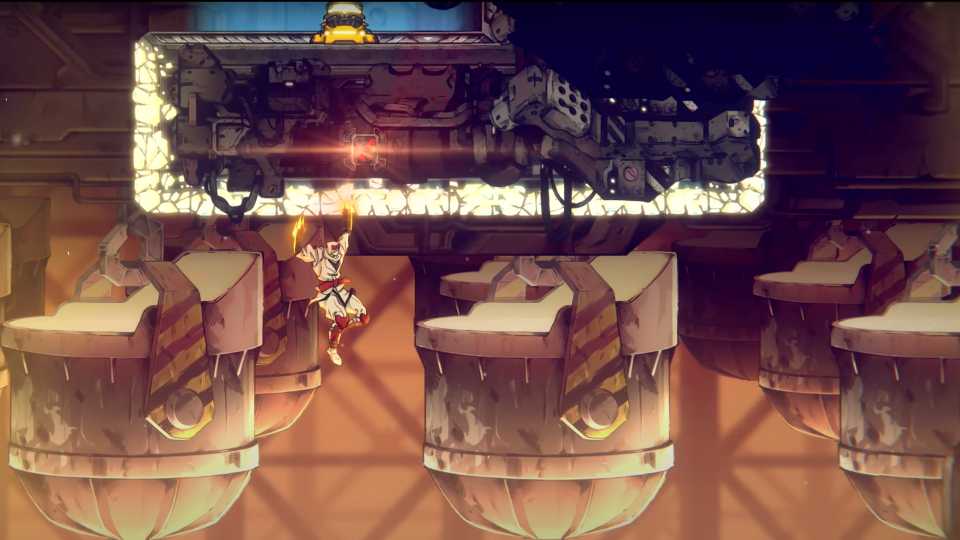
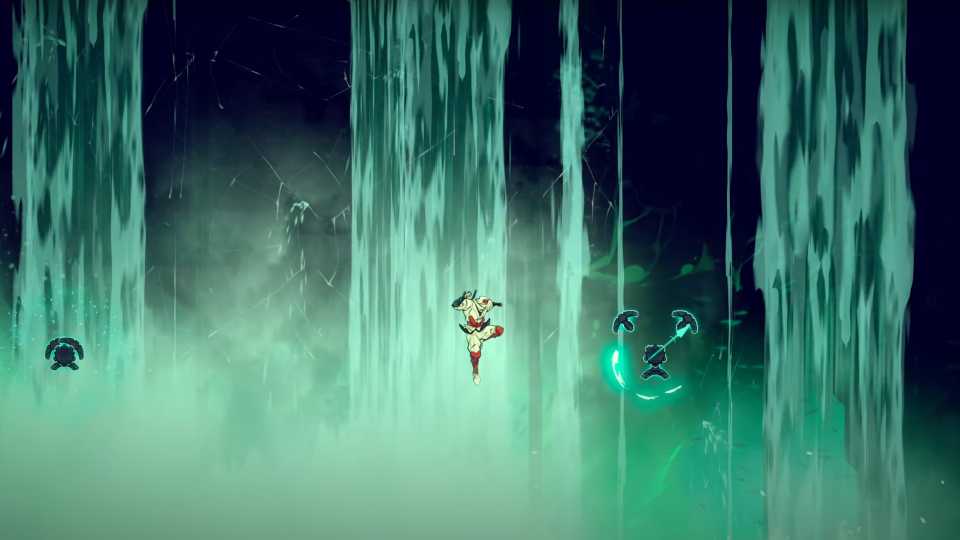
Lantern Festival Stage Screenshots
Beyond that, combat scenarios are crafted with level design and enemy combinations in mind. Players are encouraged to stay moving in the gameplay, which means jumping a lot, but sometimes there are tight spaces where players can't jump. What do they do when an enemy is charging at them, without the ability to jump and dodge? Likewise, if enemies are protecting a monk who can heal them all, how can they navigate the environment to make it to the monk first? There are tons of questions at the heart of Shinobi: Art of Vengeance' s gameplay, all made to fit naturally and reduce the cognitive load on players. That said, Lizardube really wants players to pick their moves carefully, with Vincent stating,
"We expect players to really pick carefully their next move in order to fight them: Which enemy do I need to target first? Do they have armor? What kind of abilities do I use to engage them?"
Shinobi: Art of Vengeance may feature a linear progression system, but according to Vincent, "the game is quite generous." Players can wrap up all the stages, but there's always more to go and do. When asked what there's to do after rolling credits, Vincent explained: "Completing the game and finding all the secrets and challenges can take a lot of time. You can also replay all the stages in “Arcade Mode,” a new mode where you get a ranking according to your performance: how many enemies you killed, how much time you spent in the stage…It’s a new way of enjoying the game, as you try to optimize each playthrough to get the best ranking."

Inherent to such a design choice is a key player question: how good of a shinobi can you be?
Shinobi: Art of Vengeance Feels Like a Reverent Reimagining
In the game industry, there are often questions about remakes, remasters, reboots, and reimaginings, and what they all exactly mean. For Sega's Shinobi franchise, which hasn't seen a new mainline game since 2011, there are certainly questions about what this revival means and where it fits into these other questions. Many questions will not be answered until sometime after Shinobi: Art of Vengeance releases in August, but there's no doubt about what exactly it is.

Shinobi: Art of Vengeance, at its heart, is a reimagining of the franchise in a new context. The 2D platformer gameplay brings something brand new to the popular IP that began in arcades, but more importantly, Lizardcube reveres everything that made the original Shinobi games what they were. Not just in gameplay, not just in IP expression, but in how it connects to its fans and what made it iconic in the first place. With such reverent treatment and such a clear reimagined vision, it's hard to see Shinobi: Art of Vengeance as anything less than an honoring of legacy and tradition.






-
 OpenCritic Reviews
- Top Critic Avg: 87 /100 Critics Rec: 94%




WHERE TO PLAY




- Genre(s)
- Action, Platformer, Hack and Slash
