


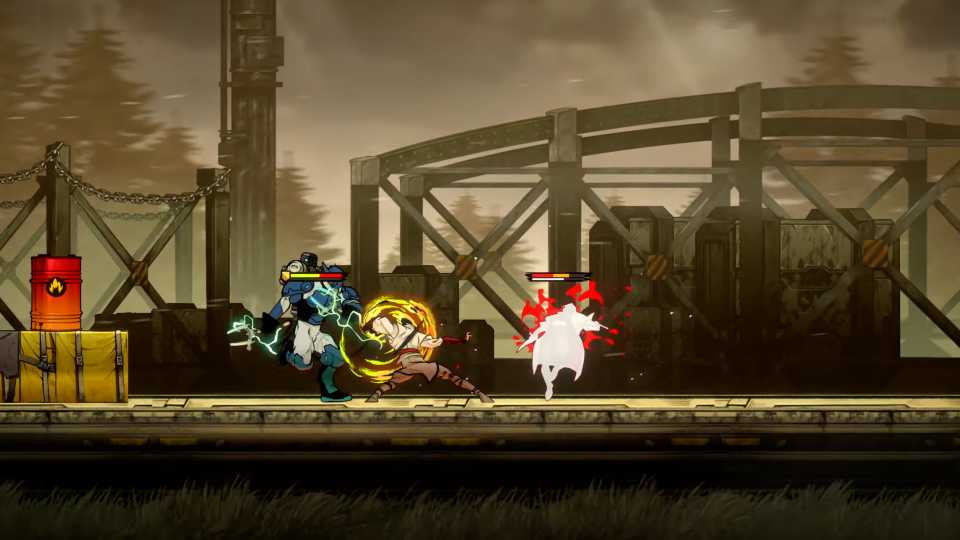
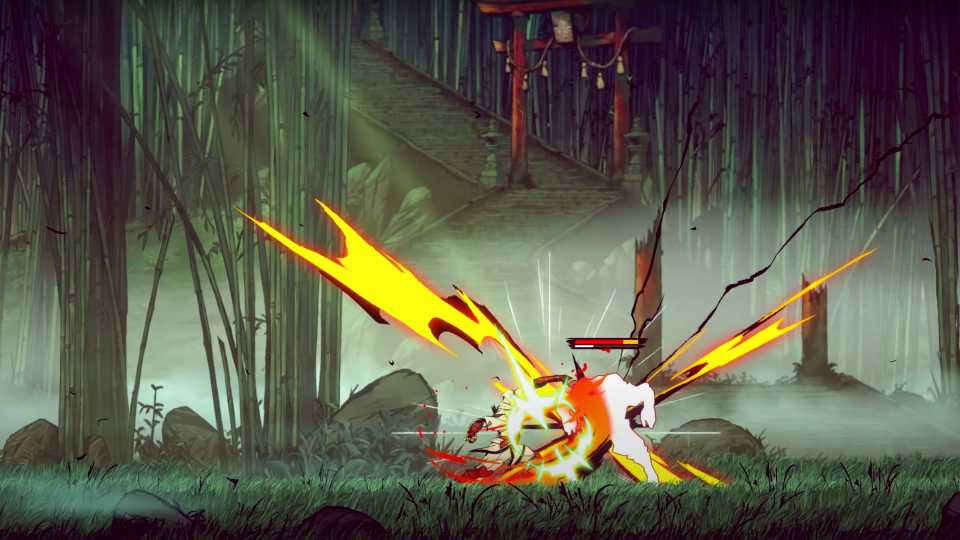
Shinobi: Art of Vengeance brings back one of Sega's most iconic IPs with style. A 2D action platformer, Shinobi: Art of Vengeance sees protagonist Joe Musashi utilize a mix of classic and all-new ninpo and ninjutsu moves against a wide variety of challenging foes. Utilizing the new Amulet system, Musashi can strengthen his abilities and pull off impressive combos as he wreaks vengeance on those who destroyed his village.
The Best War Games recently spoke with Lizardcube CEO Ben Fiquet and lead game designer Fred Vincent about the gameplay elements of their new title. They discussed how their work on Streets of Rage 4 helped them develop Art of Vengeance, which classic moves they made sure to include, and how the Amulet system works in combat. Furthermore, they revealed all the "entire arsenal" of Joe Musashi, so fans can know what to expect come release. This transcript has been edited for clarity and brevity.
Joe Musashi's Entire Arsenal of Ningi Abilities
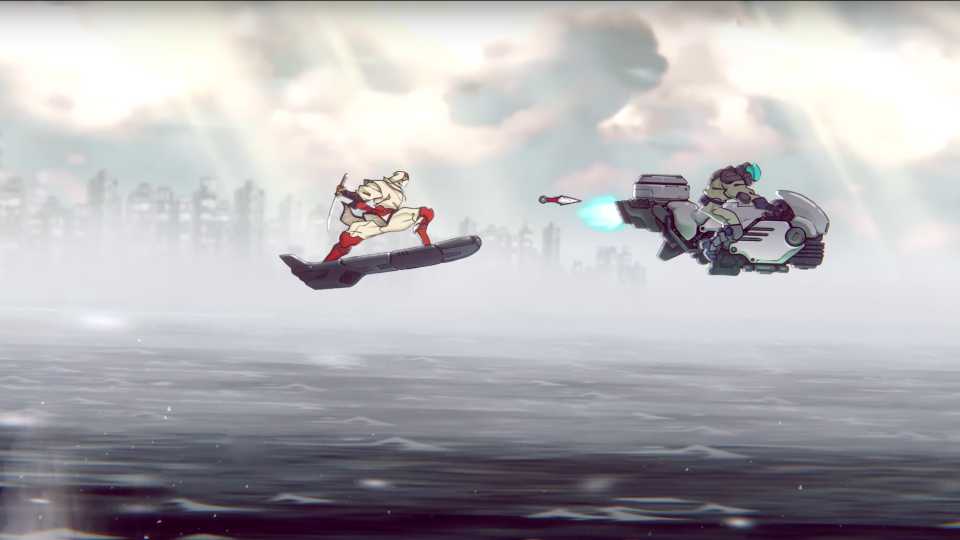
Each level in Shinobi: Art of Vengeance features free-flowing exploration that utilizes a variety of abilities called Ningi. They range from a hang glider to the ability to simply punch through barriers and enemies. As players unlock more abilities, they'll be able to reach new areas containing valuable treasures and powerful foes. They’re also useful for navigating the challenging traps littered throughout each level from hydraulic presses to buzzsaws.
Dash
- The first ability players get in Shinobi: Art of Vengeance is one of the most useful - Dash! It not only allows Joe Musashi to traverse gaps and close quickly on enemies, but it’s also one of the keys to chaining together combos and slashing through enemies.
Cannon Punch
- Some enemies have extra armor or shields, so this charge ability allows Joe Musashi to punch right through them. It can also be used to break down barriers and enter new areas.
Ninja Claws
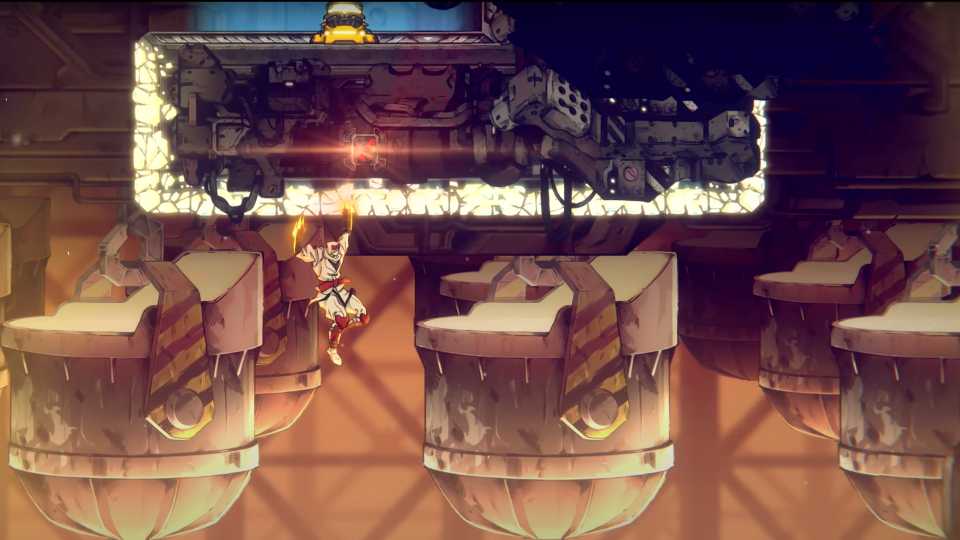
- These claws allow Joe Musashi to cling to certain walls and ceilings to explore new parts of each level.
Sword Dive
- When in the air, Joe Musashi can cleave through enemies with a powerful downward thrust of his katana. This attack not only launches enemies and charges up the Execution Gauge, but it can also destroy Yokai Barrier floors.
Ninja Hook
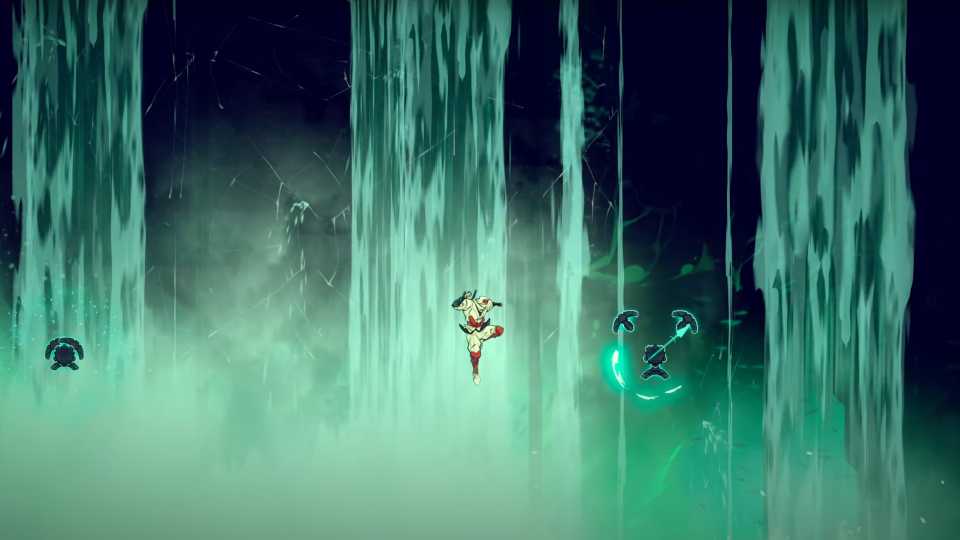
- This handy ability lets Joe Musashi propel himself to hook anchors to get across gaps and access new areas.
Glider
- This lets Joe Musashi glide down to new areas and dropkick any unlucky foes who might be waiting. If he needs to go up, the Glider can also catch a strong updraft.
Joe Musashi's Entire Arsenal of Elemental Arts
While Ningi abilities help Joe Musashi navigate the world of Shinobi: Art of Vengeance, Ninpo is where his true power shines. These mystical ninja arts channel elemental energy and deadly weapon techniques to devastate enemies, break through defenses, and dramatically shift the momentum of battle. Each Ninpo ability offers a unique tactical advantage—some are best used up close, others from midair, and many are perfect for charging the Execution Gauge to deliver finishing blows. Whether you’re clearing the screen or targeting a single heavily-armored foe, mastering Joe’s full suite of Ninpo is essential to surviving the game’s toughest encounters.
Fire Ninpo
- One of Joe Musashi’s earliest Ninpo techniques lets him unleash a cone of fiery breath, scorching anything in his path. It’s a powerful finisher that deals heavy damage.
Kunai Burst Ninpo
- After a swift katana slash, Joe Musashi flips back and unleashes a burst of three kunai at once. It’s a slick evasive move that builds your Execution Gauge fast, but with limited kunai, players need to make each volley count.
Water Ninpo
- Focus, deflect, strike. This counter-style technique slices through incoming attacks and punishes armored enemies in a single graceful motion.
Thunder Ninpo
- Become lightning. Zip through enemies in a blink, dealing damage as you pass. Ideal for charging your Execution Gauge while keeping your flow uninterrupted.
Wind Slash Ninpo
- Leap into the air and carve through enemies with a sweeping slash that sends a shockwave flying forward. A versatile move with both close-up bite and long-range sting.
Shuriken Ninpo
- Throw a massive shuriken that carves through enemies and returns to your hand. Its heavy damage and armor-breaking power make it a deadly boomerang in the right hands.
Bomb Ninpo
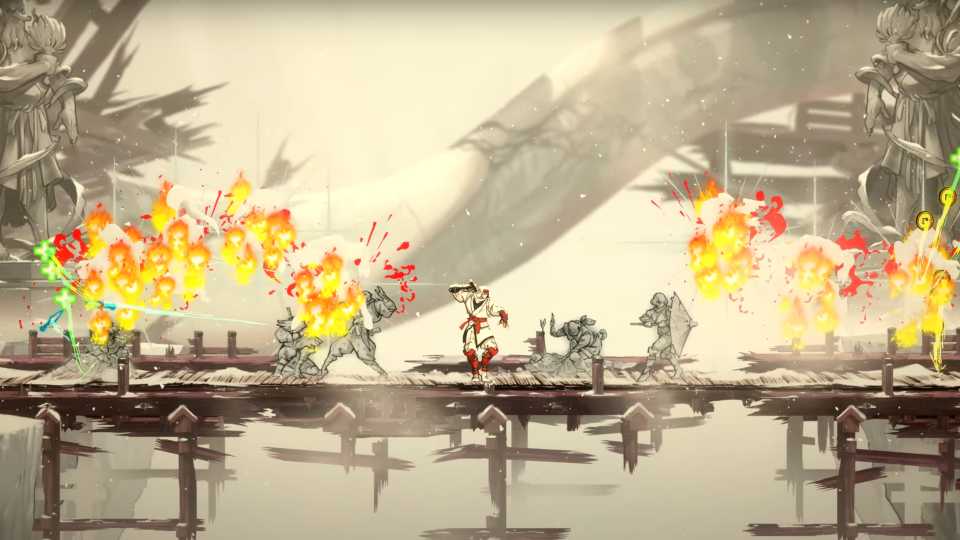
- Toss an explosive surprise that detonates beneath your enemies, launching them skyward. A powerful opener—or finisher—against clustered foes.
Great Serpent Ninpo
- Summon a colossal serpent from the depths of your energy reserves. It takes time to cast, but the destructive payoff is more than worth it.
Joe Musashi's Entire Arsenal of Ninjutsu
Once Joe Musashi’s Execution Gauge is full, he can channel his most devastating powers: Ninjutsu. These limit break-style attacks are rare, powerful, and come with stylish showcase animations that highlight just how deadly a master shinobi can be.
Karyu
- Joe calls upon the power of the dragon to engulf the battlefield in flames, incinerating every enemy onscreen or smashing a boss with heavy damage.
Shisui
- Surrounded and near death? Shisui draws from ancient ninja arts to rapidly restore a massive chunk of Joe’s health.
Shinobi: Art of Vengeance Mixes The Old And The New In Gameplay
Q: How much did the team's previous experience on Streets of Rage 4 influence Shinobi: Art of Vengeance? In particular, given the greater beat-'em-up influences evident in trailer material, how did this experience impact the game's combat and combat animation?
Fiquet: We developed Shinobi not particularly to make a beat ‘em up game but a fast-paced action platformer. We realized soon in the development that the fun we wanted the player to feel would be best conveyed with a deep combat system. All that we learned from Streets of Rage 4 came together to make the combat in Shinobi: Art of Vengeance greater than before.
Q: How have you designed the combat system to reflect the precision, speed, and stealth traditionally associated with shinobi?
Vincent: The game is meant to be spectacular. We built the combat system around the idea that players should always keep moving. We wanted to blend both platforming and beat’em up aspects of the game, allowing players to transition from one phase to another seamlessly. Joe Musashi is agile and has a lot of ways to position himself on the battlefield, through offensive and defensive moves. You need to constantly mind your surroundings and carefully pick your targets, as you’ll rarely fight only one enemy.
Q: What variety of weapons, tools, and abilities can players expect to use, and how do they support different play styles?
Vincent: Joe Musashi has a large range of abilities, allowing him to be efficient at close or long range. During your playthrough, you’ll be able to buy or find new attacks, Ninpo, Ninjutsu, and Amulets. Each has distinct strengths, making them efficient against a particular kind of enemy or more useful in a specific context. For example, some ninpos are good at breaking enemies’ armors, others for triggering execution faster… As you can equip only a set number of Ninpo and Amulets, it’s up to you to try out different combinations and build your own playstyle.
Q: What was the decision process like for bringing back or replacing Joe Musashi’s weapons and ninja arts from past Shinobi games?
Vincent: We wanted to stay true to the first games, but also expand Joe Musashi’s moveset in a meaningful way. We kept a lot of iconic abilities (like the dive kick) and adapted their function to fit the new combat system.
New Additions Include The Amulet System, Metroidvania Elements, And More
Q: Can you talk about how the Amulet system of ability enhancements will work in Art of Vengeance?
Vincent: Amulets are special items you can find or buy during your adventure that give bonuses. There are two types of them: Passive and Combo. The passive ones grant you a bonus as soon as you equip them, but the combo ones ask you to perform combos in order to trigger their effect. We have a lot of amulets, each improving a part of Musashi’s moveset or core abilities. For example, one of them allows your kunai to pierce through enemies. Another one upgrades your Fire Ninpo, which will deal more damage and have more range… We really want players to get them all and try out different combinations.
Q: The game seems to include Metroidvania elements. How would you say Shinobi: Art of Vengeance balances its combat and exploration mechanics?
Vincent: Shinobi: Art of Vengeance has a linear progression system. It’s divided into zones, each composed of several stages you can complete in any order. As your move set expands, you can revisit stages in order to access hidden areas or secondary paths, where the hardest challenges are. We ask you to explore a bit, but it’s not the core of the experience, just a way to keep things fresh and take advantage of Musashi’s wide moveset. Also, a lot of traversal abilities Musashi will find have uses both in exploration and combat.
Q: What can you tell us about the enemies? How much variety should players expect, how did you decide on their overall look, and what kind of gameplay scenarios do they create for players?
Vincent: Each enemy has distinct strengths and functions, echoing Musashi’s abilities. We expect players to really pick carefully their next move in order to fight them: Which enemy do I need to target first? Do they have armor? What kind of abilities do I use to engage them? You can’t face all the enemies the same way, and you must use all the tools at your disposal. In each combat scenario, level design and enemies’ combinations equally matter: it’s easy to dodge an enemy charging towards you, unless you fight in a tight space where you can’t jump. If there’s a monk in the squad of enemies you’re facing, you must target him first, because he will heal the others, for example.
Q: Similarly, can you talk about the boss encounters in the game? How do they differ from a standard encounter?
Vincent: Each boss obviously offers a tougher challenge. We wanted boss fights to be epic and the culmination of everything the player learned during the stage. Also, we came up with different archetypes of bosses throughout the game to keep things fresh.
Q: Will there be plenty for players to do after they beat the game? Collectibles/ New Game Plus, etc.?
Vincent: The game is quite generous. Completing the game and finding all the secrets and challenges can take a lot of time. You can also replay all the stages in “Arcade Mode,” a new mode where you get a ranking according to your performance: how many enemies you killed, how much time you spent in the stage… It’s a new way of enjoying the game, as you try to optimize each playthrough to get the best ranking.






-
 OpenCritic Reviews
- Top Critic Avg: 87 /100 Critics Rec: 94%




WHERE TO PLAY




- Genre(s)
- Action, Platformer, Hack and Slash
