Though there's never a shortage of horror games on the market, fans of survival horror in particular have been eating well recently. Resident Evil Requiem was just announced at the 2025 Summer Game Fest, and the anticipated Silent Hill f received its release date shortly beforehand. Both games are coming out soon, and both represent the potential beginning of new eras for their respective franchises. While Resident Evil Requiem will miss Halloween 2025 by a few months, Silent Hill f arrives a month in advance, so both titles should have their fair share of time in the spotlight.
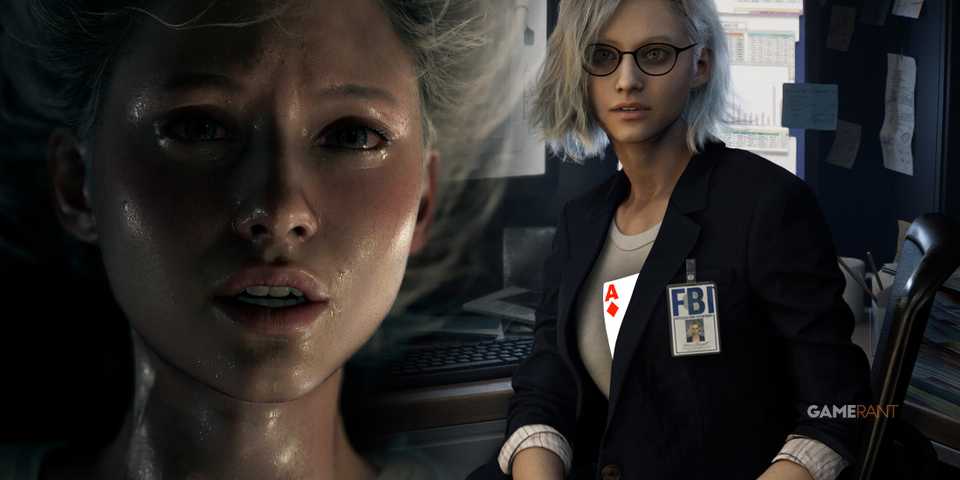
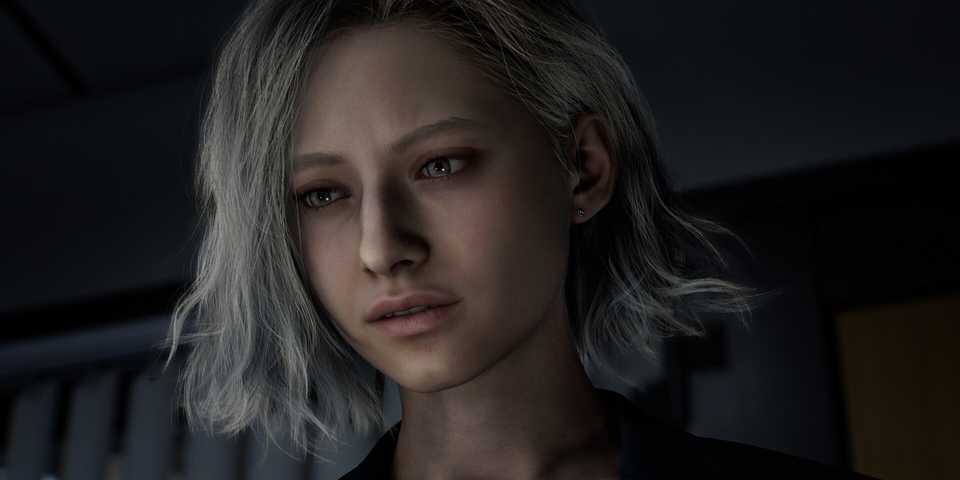
It's just as well because Resident Evil Requiem and Silent Hill f have a surprising amount in common. Both feature female protagonists, Grace Ashcroft for Resident Evil and Shimizu Hinako for Silent Hill, exploring decrepit areas filled with unnatural monsters. Specifics are still under wraps, but Grace will likely gain access to some of Resident Evil’s recurring weapons, albeit with a more ranged focus than Hinako’s arsenal. Resident Evil Requiem will even permit a third-person camera like what Silent Hill typically uses. However, these games couldn't be further apart when it comes to their settings and the implications they carry.

Resident Evil Requiem Could Be Following in Fallout's Footsteps
Following its announcement during 2025's Summer Games Fest, the return of a classic setting in Resident Evil Requiem could take notes from Fallout.
Resident Evil Requiem and Silent Hill f Have Opposing Settings
The Places in RE Requiem and Silent Hill f Are Aiming For Different Feelings
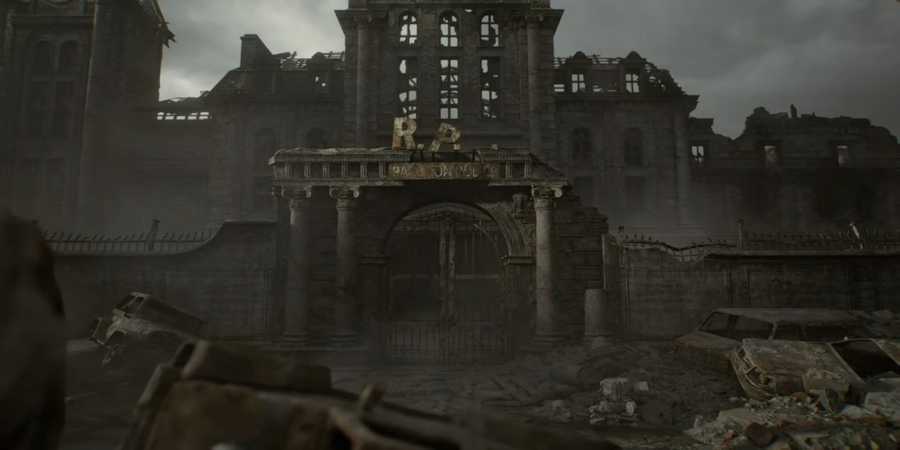
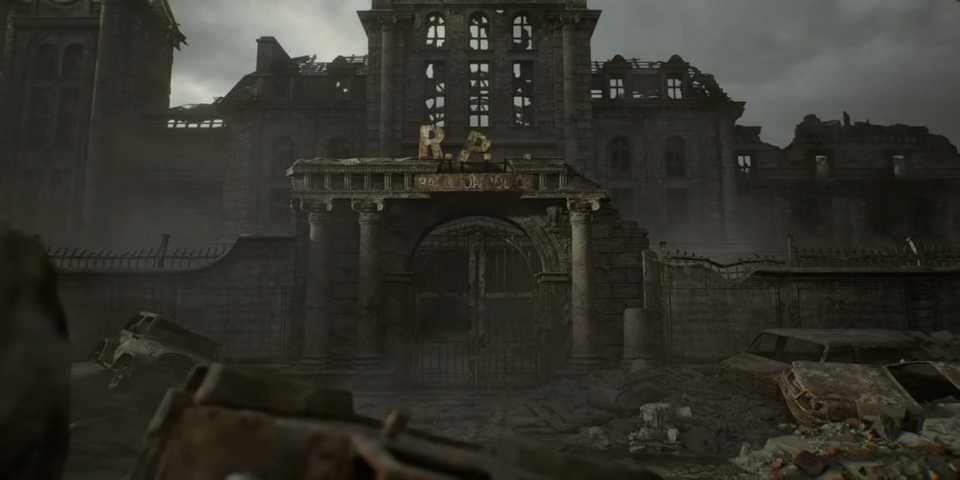
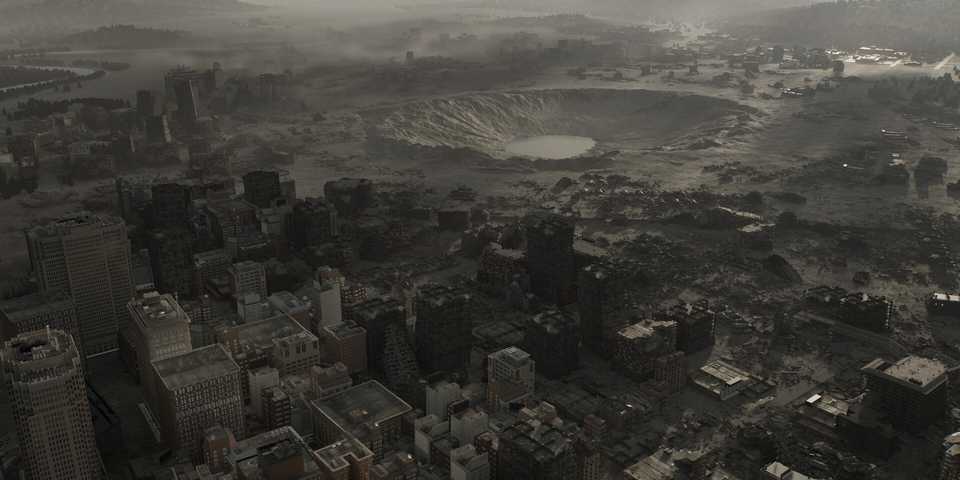
Despite representing novel approaches for both franchises, Resident Evil Requiem and Silent Hill f are aiming for opposite goals. Silent Hill f is pushing into a new setting for the franchise, bringing the story out of the foggy American countryside into the equally foggy Japanese town of Ebisugaoka. Meanwhile, Resident Evil Requiem is instead returning to Raccoon City, which not only served as the backdrop to Resident Evil 2 and Resident Evil 3, but was also located close to the Spencer Estate that gave rise to Resident Evil 1.
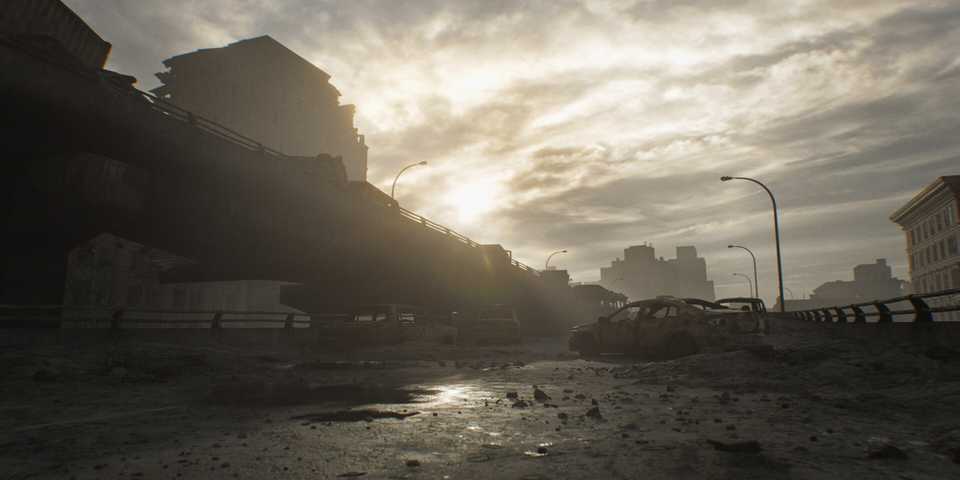
These two locales reflect each game’s contrasting themes. Resident Evil Requiem does want to experiment with new things but is still content with returning to the most iconic region in its world. It's more than idle nostalgia peddling, as the place is a bombed-out shell of its former self, but Requiem’s reveal trailer went out of its way to show recognizable locations like the Raccoon City Police Department for a reason. Comparatively, Silent Hill f is leaving the small-town American setting that most Silent Hill entries use. What this means for the final game is unknown, but that's the point.
Silent Hill f and Resident Evil Requiem Aren't United In Exploring Their Futures
Not only have Resident Evil Requiem and Silent Hill f set themselves up on different continents, but they've separated chronologically as well. Silent Hill f takes place in the 1960s Japan, earlier than basically any Silent Hill game up to this point and not without reason. As previously mentioned, Hinako’s weaponry will skew towards Silent Hill’s melee tools, owing to Japan’s stricter gun laws and the resulting lack of them in small settlements. Silent Hill’s iconic flashlight and pocket radio may also be absent in this setting, and any shrine, wilderness, or underground areas may feel cast out of time entirely.
As Silent Hill Steps Back In Time, Resident Evil Moves Forward
Meanwhile, Resident Evil Requiem seems to be accompanying its release date to the mid-2020s, at least if some hints are to be believed. RE Requiem’s place in the Resident Evil timeline should make it the furthest full game in the franchise, though it's unclear how impactful this status will be on its plot.
What makes this compelling is that it's been almost three decades in-universe since RE’s heroes needed to address the ruined Raccoon City, so there's no telling what could be waiting for them. Despite taking opposite approaches, Resident Evil Requiem and Silent Hill f are both serving fans new experiences in their own way.





 OpenCritic Reviews