


Two profound parts of what makes Resident Evil so fascinating as a survival-horror series are its enduring nature and ability to remain malleable for nearly 30 years. Sticking fairly firmly to Umbrella’s shady pharmaceutical corporation for quite some time, Resident Evil proved recently with its latest installment, Resident Evil Village, that its well of creativity is nowhere near dry.
Players are bound to enjoy one entry or stretch of games more than others, too, and that’s an inevitability due to how much the franchise has evolved and subverted its status quo since 1996.
Not completely unrelated, Star Wars’ enormous IP uses the theatrical Skywalker saga as its bedrock, with all other canonical Star Wars projects landing somewhere on the timeline that three trilogies of movies have established. These trilogies are the originals, prequels, and sequels, spanning quite lengthy periods and stretching across a galaxy far, far away between Episode 1: The Phantom Menace and Episode 9: The Rise of Skywalker, chronologically. Star Wars is defined by its eras, and so too will Resident Evil be once its own ninth mainline installment is released. Therefore, Resident Evil 9 may not want to rock the boat as contentiously as Rise of Skywalker did, lest it tarnish the trilogy it belongs to and concludes.

Zach Cregger’s Resident Evil is Spoiled for Choice Regarding the Tone of the Games
Resident Evil is receiving yet another live-action movie reboot, but this particular movie's director, Zach Cregger, may be perfect for the franchise.
Resident Evil’s Eras Illustrate the Franchise’s Adaptability
The Resident Evil franchise can’t be shoved in a box and labeled so cleanly. But, macrocosmically, it’s stretched across soon-to-be three ‘trilogy eras’ and littered within these eras’ timelines are extraneous and significant spin-offs, such as Resident Evil Survivor, Resident Evil Outbreak, and Resident Evil: The Darkside Chronicles.
Until Resident Evil 9 is released, Resident Evil presently has two concrete trilogy eras: a classic trilogy of retro games with tank controls and static camera angles, and an action-leaning trilogy with an emphasis on campy characters/dialogue and cinematic spectacle.
These aren’t conventional trilogies, either, but they happen to sustain throughlines between them, even if those throughlines are purely related to the three installments’ shared tone or gameplay design ethos. Depending on what conventions Resident Evil 9 follows, the franchise’s third mainline era could be defined as a horror-leaning trilogy that’s brought modern sensibilities to the Resident Evil franchise’s puzzle-laden survival-horror roots.
Resident Evil 9 Has the Honor of Crowning Three Trilogy Eras
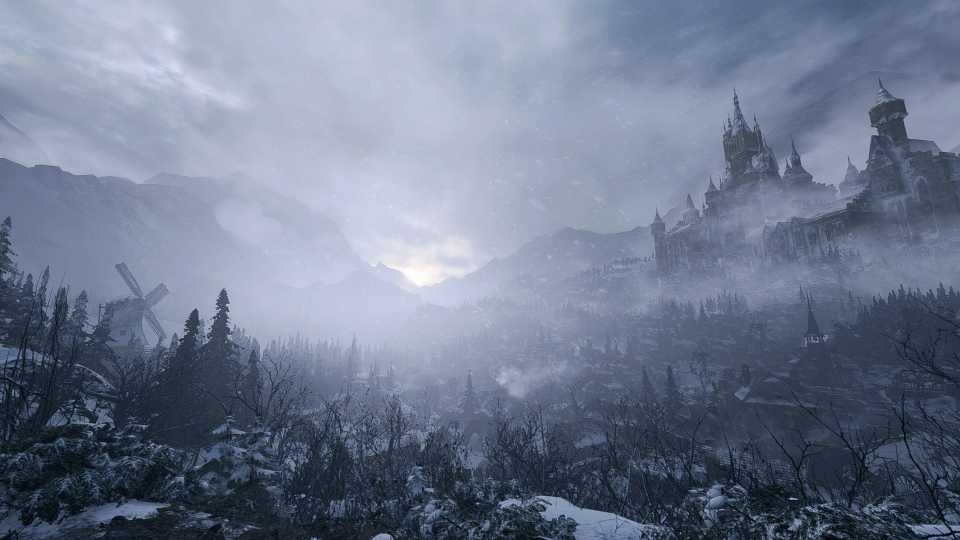
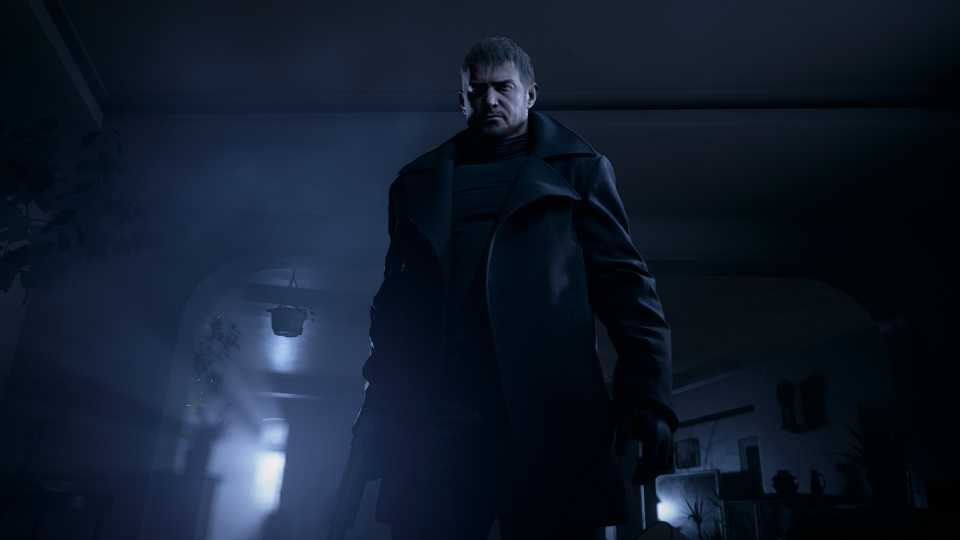
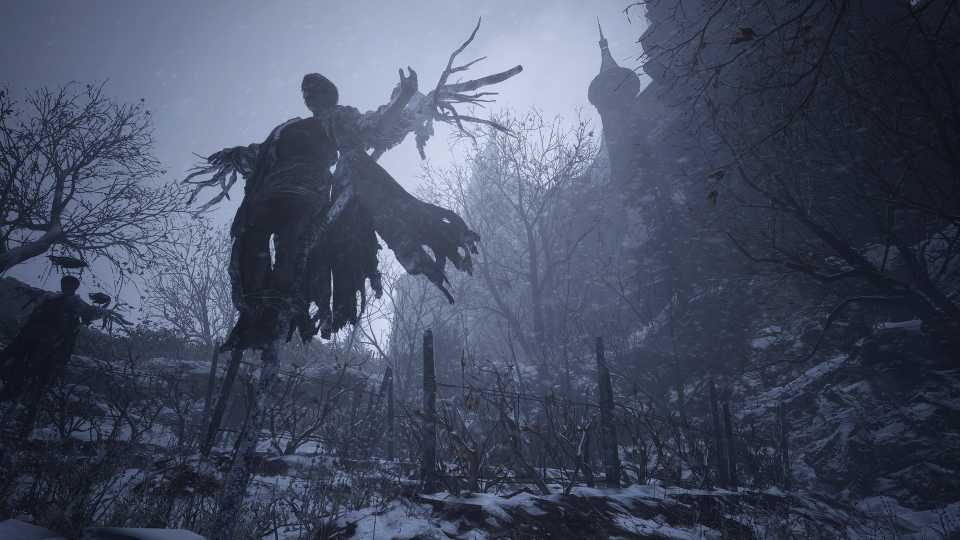
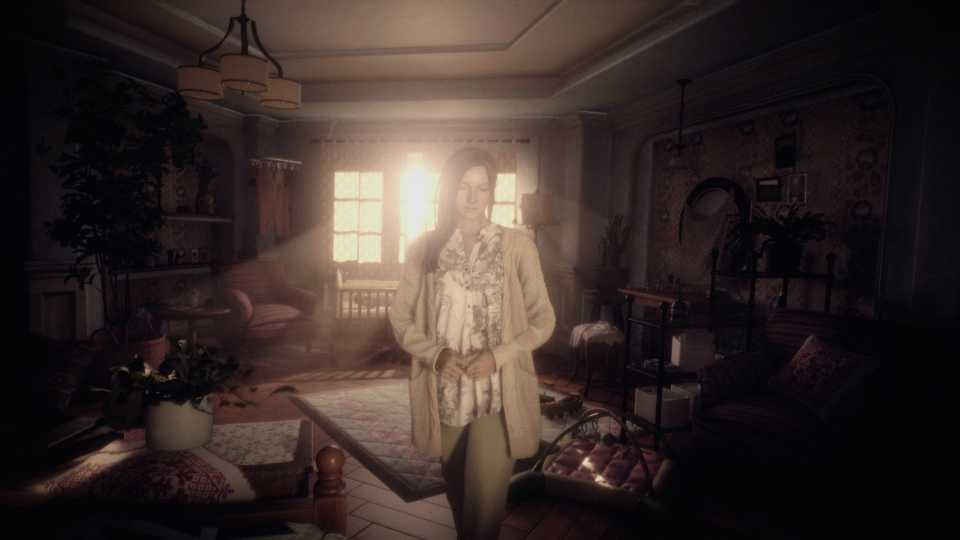
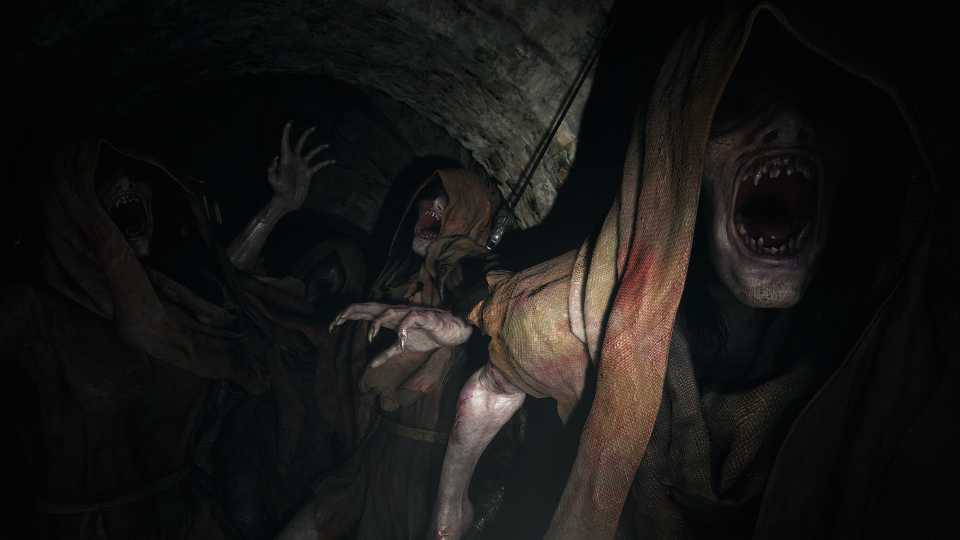
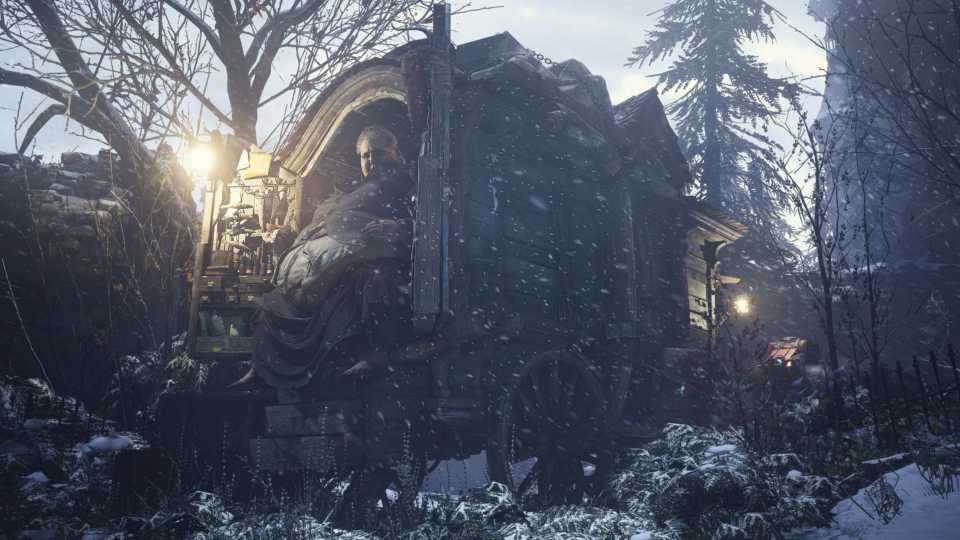
Ending the Winters saga with Resident Evil Village and its Shadows of Rose DLC, there’s practically no telling precisely what players will be up to in Resident Evil 9 or if the ninth entry will be anything like the two games preceding it. Resident Evil 9 doesn’t need to connect to Resident Evil 7 or Village wholly as the leap from Resident Evil to Resident Evil 2 was decidedly stark, as well, but it potentially following Chris Redfield to the BSAA headquarters in Europe would tether a throughline with high tensile strength between the seventh, eighth, and ninth entries.
Star Wars is defined by its eras, and so too will Resident Evil be once its own ninth mainline installment is released.
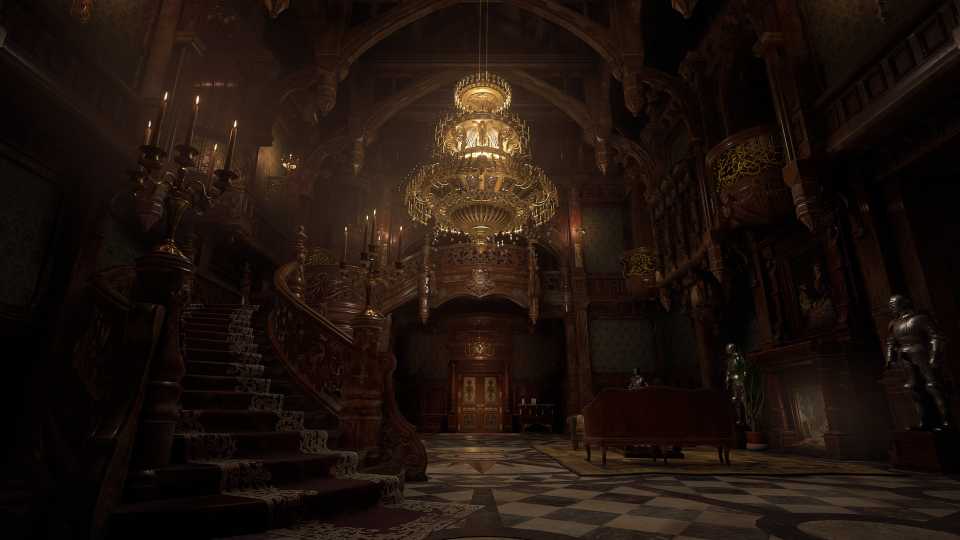
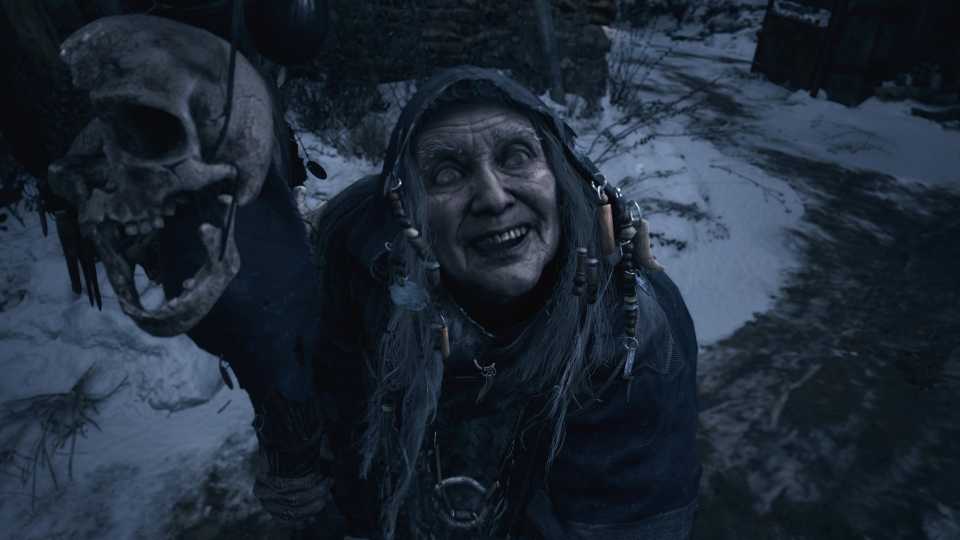
Plus, Capcom hopefully wouldn’t have ended Village with a painfully explicit cliffhanger if that’s not where Resident Evil 9 was headed. Of course, this ‘trilogy’ theory would be null and void if Resident Evil 9 neglects horror or eschews the shared tone of Resident Evil 7 and Resident Evil Village. Resident Evil 9 may or may not perpetuate Resident Evil Village’s dark fantasy indulgence, and only time will tell if it’s doubling down on that atmosphere.
After its ninth mainline installment, for better or worse, Resident Evil will be defined by three trilogy eras that act as a framework from which all other Resident Evil games depend on like a backbone of lore. Considering how bombastic and absurd the stories of Resident Evil games are, that backbone does a lot of heavy lifting in terms of comprehending what the state of the world is and what characters have already endured.


Resident Evil Village





-
 OpenCritic Reviews
- Top Critic Avg: 84 /100 Critics Rec: 92%






WHERE TO PLAY






- Engine
- RE Engine
- Franchise
- Resident Evil
- Steam Deck Compatibility
- Verified
- Platform(s)
- PlayStation 5, PlayStation 4, PlayStation VR2, Xbox Series X, Xbox Series S, Xbox One, Nintendo Switch 2, Nintendo Switch, PC, iOS
- OpenCritic Rating
- Mighty
- How Long To Beat
- 10 Hours
- X|S Optimized
- yes
