


There’s a potential issue some narrative-driven games face when they end up focusing too heavily on a singular protagonist and because of the strong emotional ties of the audience to that character, it becomes a double-edged sword when the story tries to evolve. Red Dead Redemption and The Last of Us may seem very different games, and yet they share some similarities. The Last of Us faced this very issue with Joel and Ellie. Both characters became iconic, and when the story tried to shift its focus in The Last of Us Part 2, some fans felt conflicted, even resistant, because they were so emotionally invested in the original duo.
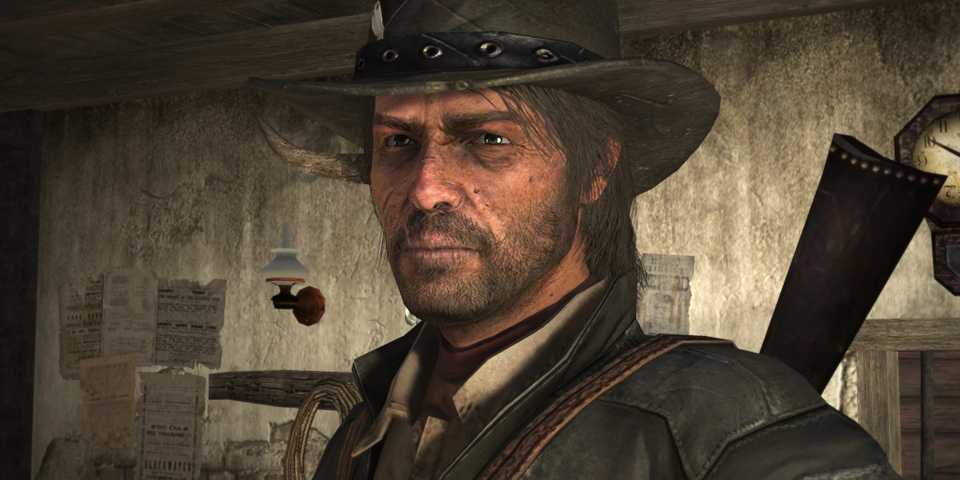
In the case of Red Dead Redemption, the series is largely synonymous with the stories of John Marston and Arthur Morgan. Their deeply personal and complex arcs are what made the games so compelling. However, this very dynamic also creates the same dilemma if the developers want to move the story forward at some point or introduce new main characters.

Red Dead Redemption is Finally Coming to PC
The original Red Dead Redemption and its Undead Nightmare expansion are both coming to PC in the near future.
Transitioning to New Character Perspectives Becomes Alienating
While moving on from the original characters during a pitfall like this is an entirely new direction, even introducing different perspectives could become difficult. In The Last of Us Part 2, the game spends significant time trying to make players understand and sympathize with Abby, whose motivations directly conflict with those of Ellie, the series’ original protagonist. This was a bold move, and Red Dead Redemption faces a similar issue.
Even though Red Dead Redemption 2 gave players a new protagonist in Arthur Morgan, the game still heavily tied its narrative to John Marston. In the epilogue, players return to John, and much of the prequel is designed to set up the events of the original game. This approach, while might help desensitize the audience for more significant storyline changes moving forward, isn’t a sure-shot solution.
Expanding the Universe Beyond Established Characters
Another pitfall shared by both The Last of Us and Red Dead Redemption is their struggle to create new storylines that don't revolve around established characters. In The Last of Us, the universe is rich with potential, but Joel and Ellie’s relationship has become the heart of the story, making any attempt to move beyond them feel risky. Similarly, Red Dead Redemption offers a vast open-world Western setting with the potential for countless stories, yet the narrative still gravitates toward the Van der Linde gang and John Marston’s legacy.
To expand these worlds without alienating fans, both series would need to introduce new game protagonists or perspectives that feel organic within their universes. However, this risks breaking the emotional connection players have with the original characters.
Getting Out Of It Requires a Witcher Franchise-Like Approach
The Witcher 3 effectively wrapped up Geralt’s story while still leaving the door open for the series to continue but it took the franchise three games to do so. Had the franchise opted for a major change like this for The Witcher 2, it would’ve completely alienated its fan base because of how strongly the audience was connected to Geralt. One way to successfully transition to new characters is to give the existing protagonist a definitive and satisfying conclusion while developing the overarching storyline and world in other ways.
While Red Dead Redemption has wrapped up the arcs of John and Arthur in one way or another, the series could still take inspiration from The Witcher in terms of how to move away from the themes set by those characters. For instance, it could introduce entirely new characters or focus on supporting characters like Sadie Adler or Jack Marston, while maintaining the emotional depth and thematic focus of the original games. Nonetheless, focusing too heavily on building emotional connections with the main characters, rather than the overarching storyline is a pitfall and a hard one to completely get out of.


Red Dead Redemption




-
 OpenCritic Reviews
- Top Critic Avg: 79 /100 Critics Rec: 73%
- Released
- May 18, 2010
- ESRB
- M For Mature 17+ Due To Blood, Intense Violence, Nudity, Strong Language, Strong Sexual Content, Use of Drugs
- Developer(s)
- Rockstar San Diego
- Publisher(s)
- Rockstar Games


WHERE TO PLAY


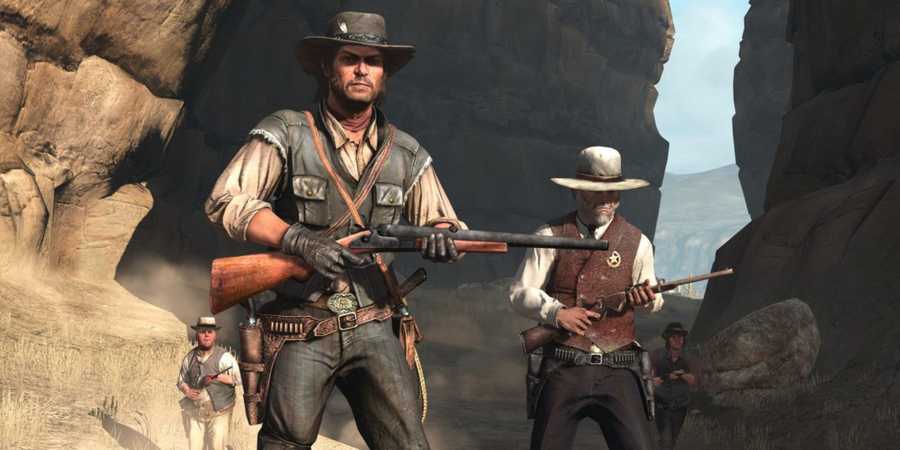
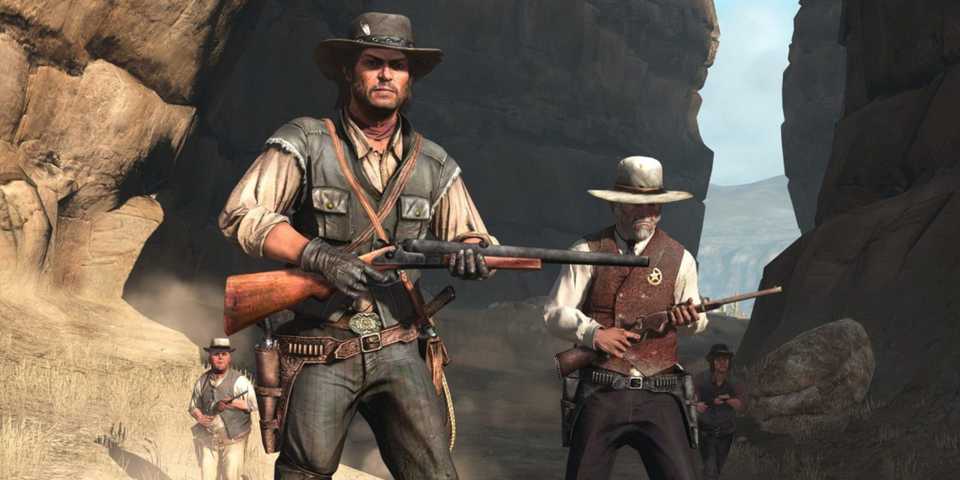
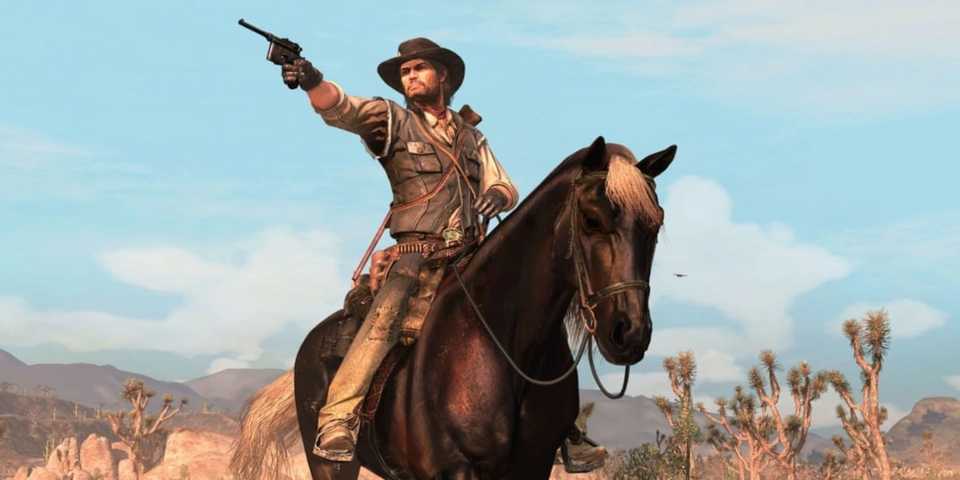
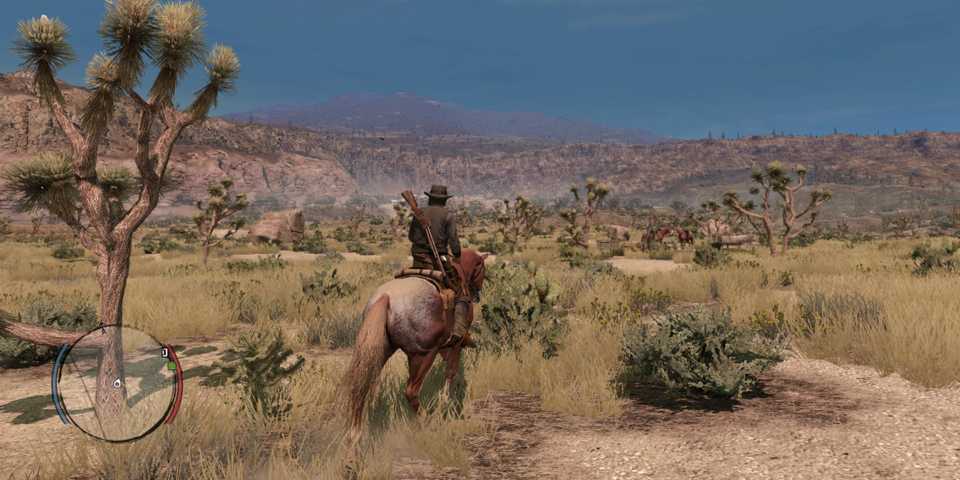
America, 1911. The Wild West is dying. When federal agents threaten his family, former outlaw John Marston is forced to pick up his guns again and hunt down the gang of criminals he once called friends. Experience an epic fight for survival across the sprawling expanses of the American West and Mexico, as John Marston struggles to bury his blood-stained past, one man at a time.
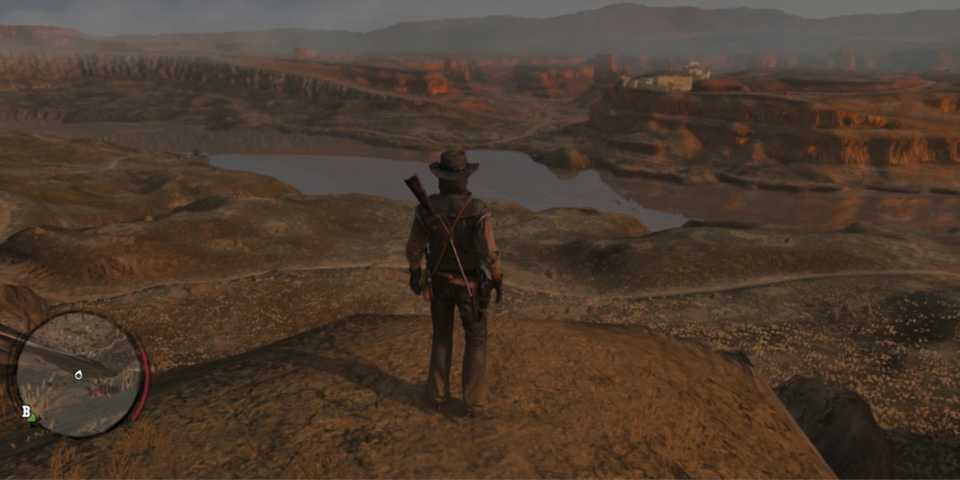
Red Dead Redemption is a Western epic, set at the turn of the 20th century when the lawless and chaotic badlands began to give way to the expanding reach of government and the spread of the Industrial Age.
- Engine
- rockstar advanced game engine
- Multiplayer
- Online Multiplayer
- Franchise
- Red Dead Redemption
- Platform(s)
- Nintendo Switch, PC, PlayStation 3, PlayStation 4, Xbox 360, PlayStation 5, Nintendo Switch 2, Xbox Series X, Xbox Series S, Android, iOS
- Genre(s)
- Open-World, Adventure
- OpenCritic Rating
- Strong
