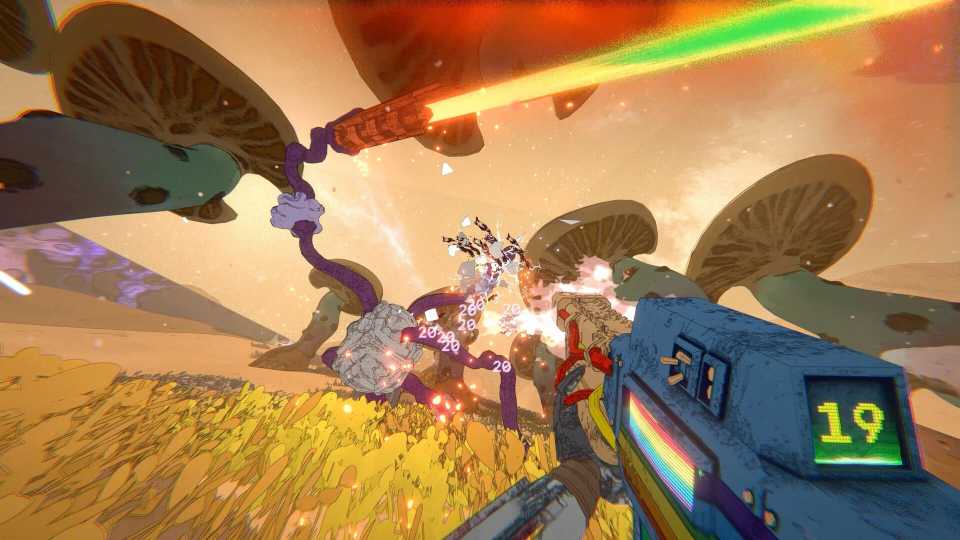
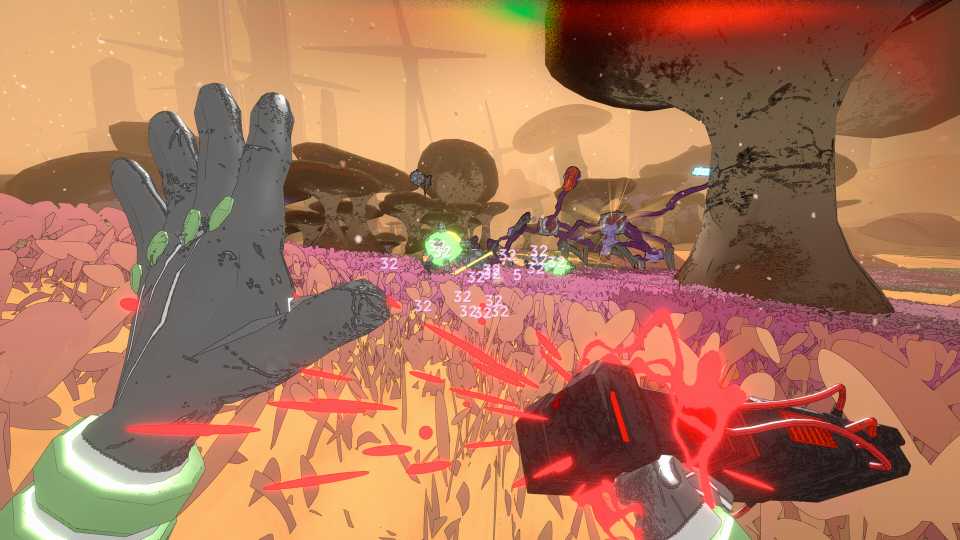
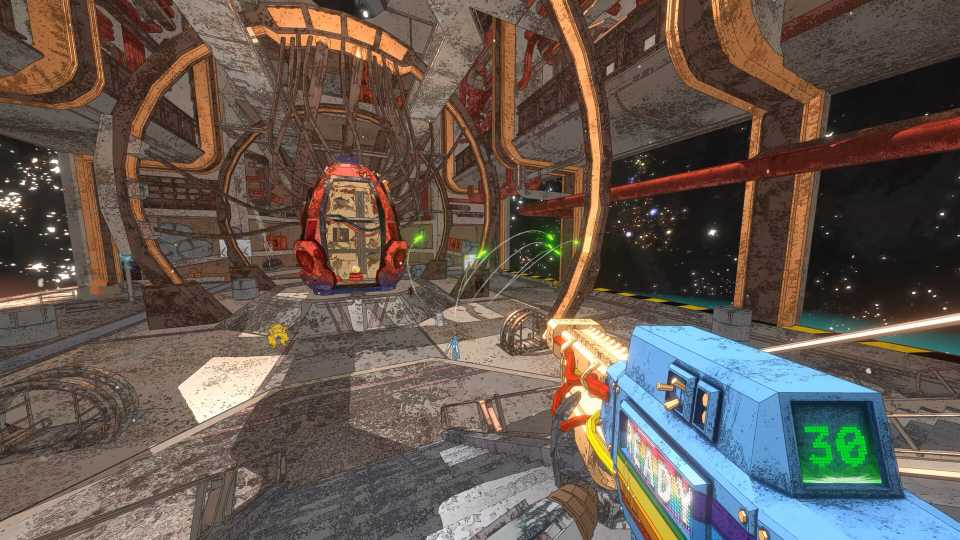
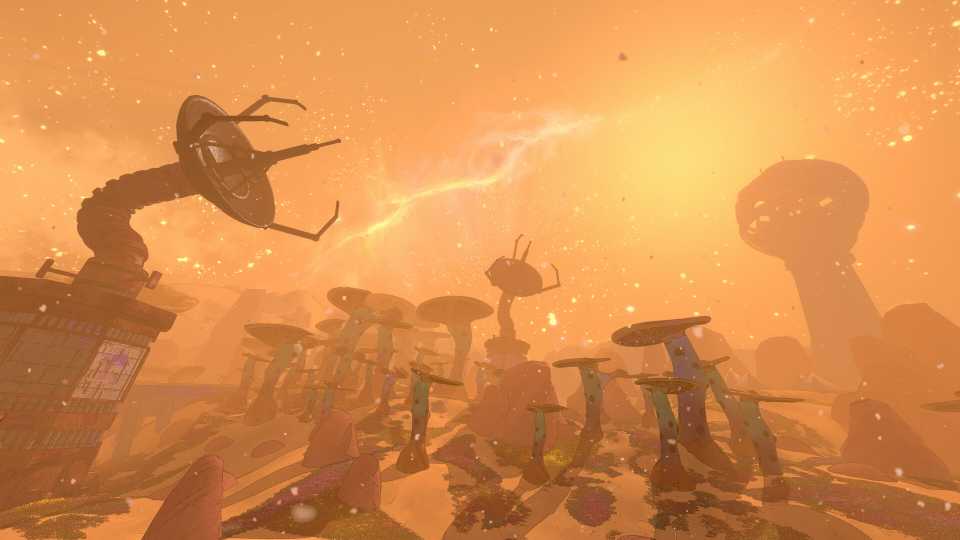
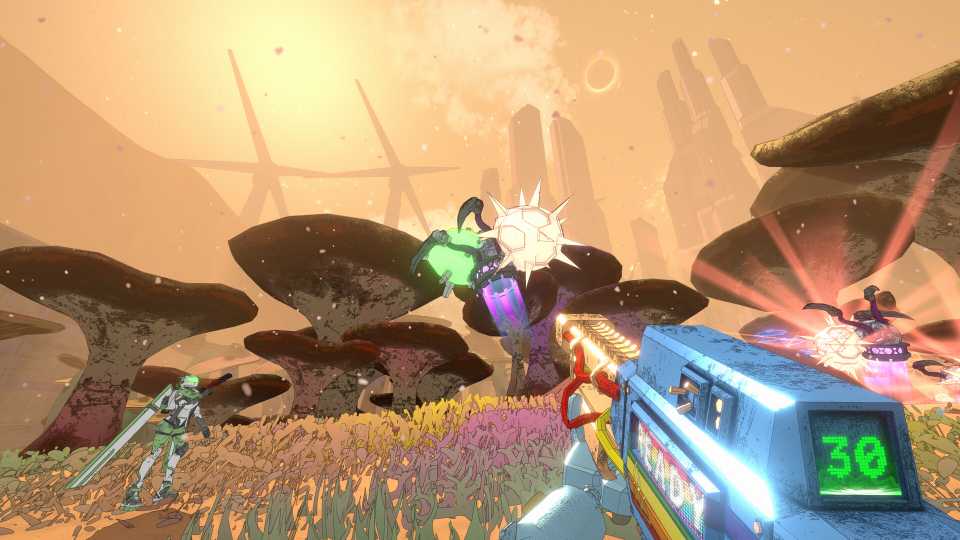
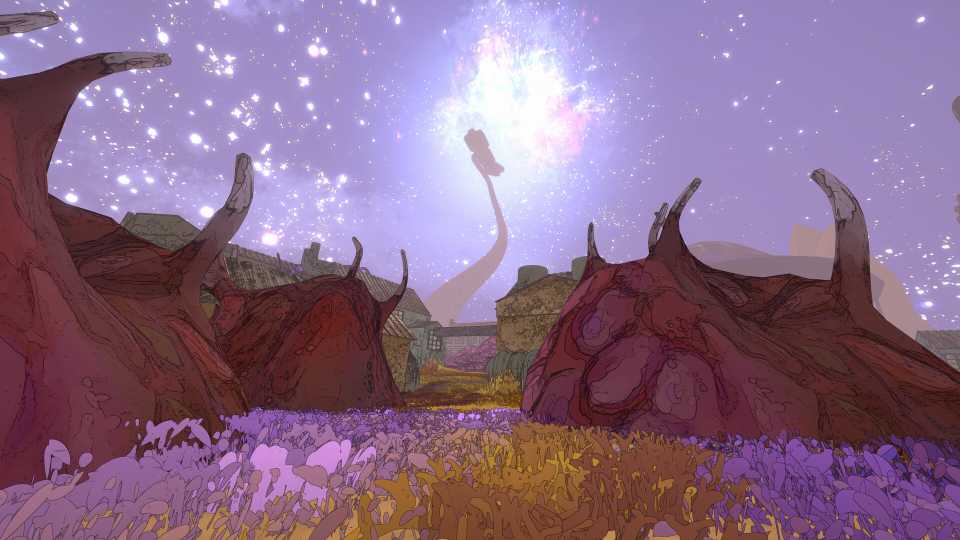
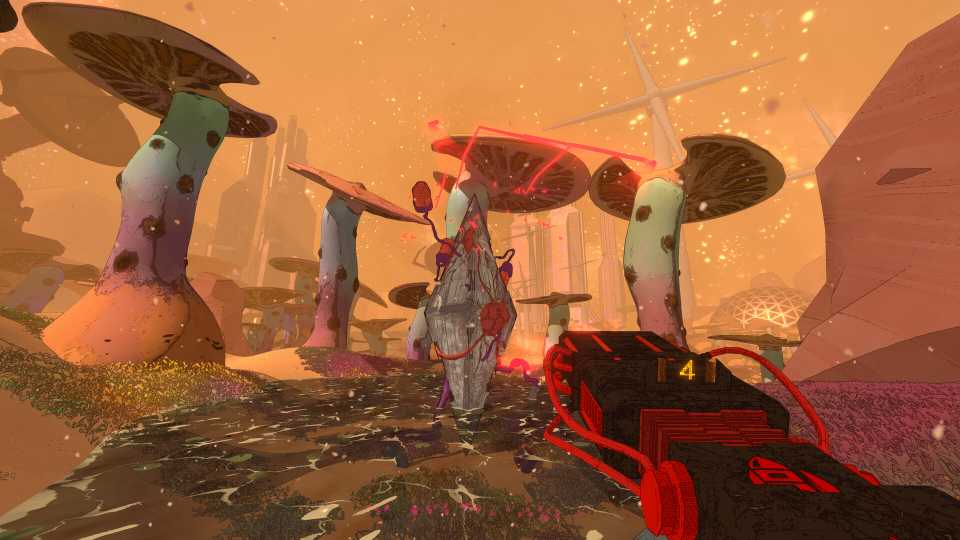
Mycopunk just launched in early access, and its unique sci-fi world is a setting players can easily get engaged with. In particular, Mycopunk's fungal antagonists are a spectacle to behold, and the game's dev team has a lot to say about how they came to be.
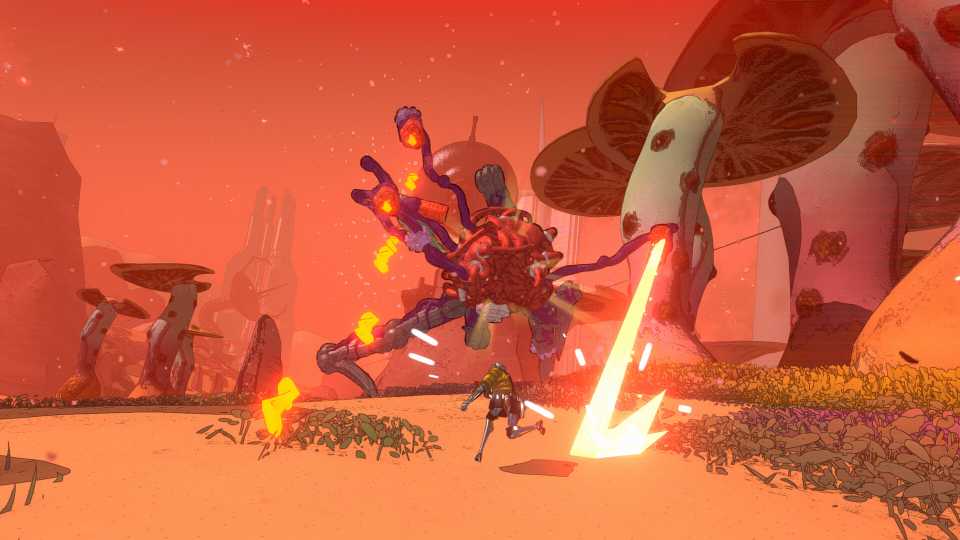
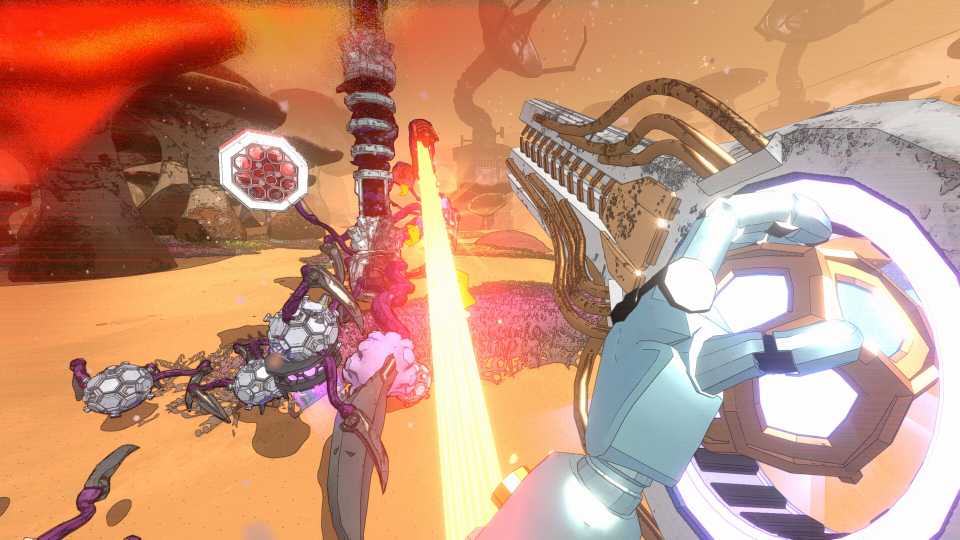
The newly-released Mycopunk just hit Steam's digital shelves, and players are already eating up its wonderfully bizarre world. Along with some interesting twists on the FPS genre, Mycopunk boasts a galaxy ravaged by a fungal enemy—one with some larger-than-life capabilities. The Best War Games sat down with some of the team behind the game, including CEO and creative director Liam Cribbs, lead 3D artist/animator Ryan Yan, and lead writer Noah Matheu, who all spoke more about the inspiration and design goals behind the title's mycelial menace.

Devolver Digital Reveals Its Best Selling Game
Publisher Devolver Digital shares some financial information, revealing how much it earned from its best-selling games over the years.
How Radioactive Mushrooms Inspired Mycopunk
The Alien Feel of Fungi
Fungi have been a staple of sci-fi for some time, and Mycopunk's mushroom enemies are no different. This stems from the alien qualities of many fungi in real life; despite being decidedly inhuman, fungi are just as distinct from the plant kingdom. Fungi can spread spores through the air, run intelligent networks of mycelium beneath forests, and, of course, can take over the bodies of insects in the case of the cordyceps fungus. It's no wonder that fungi have the role they do in sci-fi and horror, whether it's a direct reference (in the case of The Last of Us) or an inspirational building block in a new alien element.
The team behind Mycopunk hit upon all these beats and more. When discussing why the team made fungi the game's main enemy faction, Cribbs simply stated that "I just think fungus is really interesting and cool, even the real fungi on Earth are so alien and weird." He added that "It just makes sense for some sci-fi threat to also be fungus, because there's so much cool stuff that you want to do with it."
Yan spoke further on the subject, highlighting how games like The Last of Us have used fungi and how Mycopunk sets itself apart. He went into the thought process behind using alien fungi, and his own thoughts on the narrative opportunities therein:
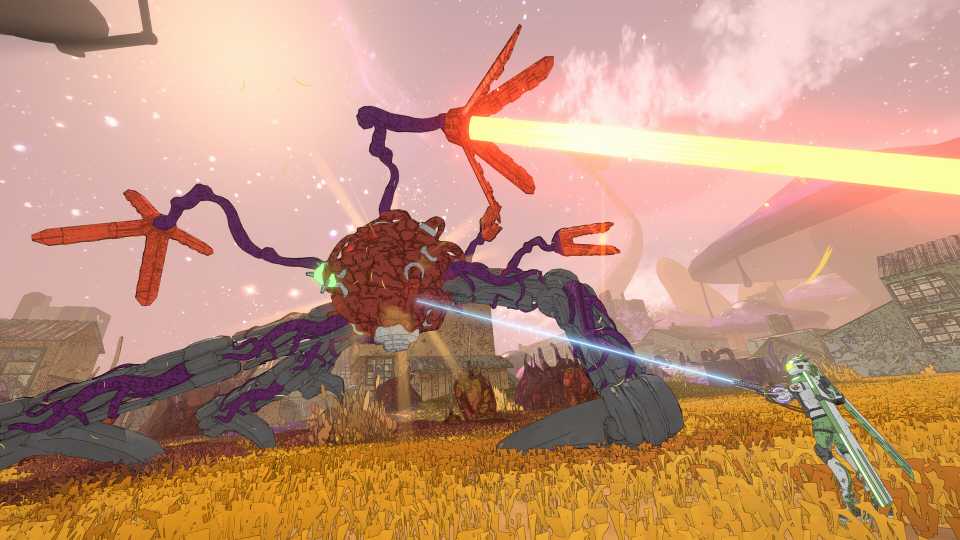
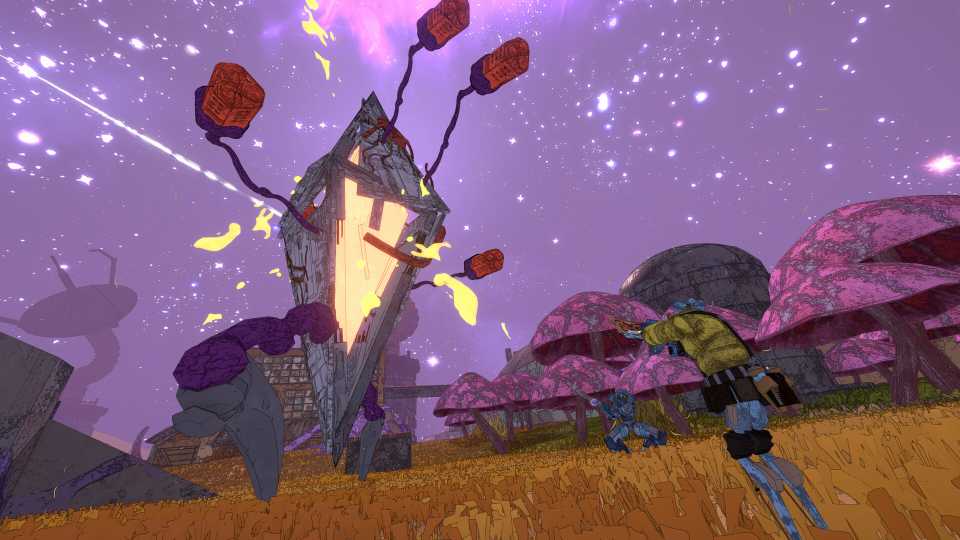
"What makes fungus really interesting to me is just the idea of control. Obviously, The Last of Us has cordyceps, but there are various different types of fungi that just take control of their host. I think this idea of controlling living things is something that we wanted to play with; we were like, 'Oh, what if they just, you know, gave life and control to inanimate objects more-or-less?' So that's kind of where the enemy design idea springboarded off from. Long story short, we just think fungi are cool, and there are so many types, and they all look weird."
The Chernobyl Fungus That Inspired Mycopunk
The Devolver Digital-published Mycopunk has more influences from real-life fungi than cordyceps (a species that's become far more mainstream thanks to The Last of Us). Cribbs spoke about a particular radioactive fungus that played a big role.
"Like the idea was, 'What if the fungus infects machines instead of living things?' There's this kind of fungus that we were reading about that eats radiation (I think it grows around Chernobyl) which we found especially cool. So, in our game, the fungus also likes radiation and power."
There are actually multiple species of fungi that can consume radiation, though in current science, there's a theoretical quality to the exact process of what's happening with 'radiotrophic' fungi. The most well-known of these fungi, which has itself been found within the Chernobyl area, would be Cladosporium sphaerospermum. It has been theorized that the qualities of fungi like Cladosporium sphaerospermum could be used as a shield against radiation, with experiments on these qualities showing promising results.


- Released
- July 10, 2025
- Developer(s)
- Pigeons at Play
- Publisher(s)
- Devolver Digital
- Engine
- Unity
- Multiplayer
- Online Co-Op