


Summary
- Open-world games with player-driven economies offer players the freedom to explore and trade in a virtual world, without restrictions imposed by developers.
- Games like RuneScape, Albion Online, Guild Wars 2, and EVE Online have well-developed player-driven economies, offering opportunities for trading and financial gain.
- The player-driven economies in these games allow for unique experiences and challenges, such as market monopolies and the difficulty of breaking into established markets.
No game is limitless, and even the most cherished, loyally-followed titles will have their boundaries and weaknesses. But some games are less restricted than others, notably open-world games and games with player-driven economies. The former is loosely defined as a game in which players are allowed to move freely about the world as they see it, whether that includes following the main narrative of the game at any given time; the latter is a game that bolsters communicative trading, where the value and profitability of in-game commodities are determined by player-constituted supply-demand levels, auctions, and sales.

6 of the Best Open World Games That Didn't Get a Sequel
Typically, when a game is super successful, a sequel tends to follow. However, sometimes even the most lucrative and critically acclaimed games are standalone adventures.
So what happens when both of these characteristics are featured in a game? The liberties of its user base compound exponentially. Players not only blaze their own paths in the gameplay itself, but they also experience a flourishing in-game economy unfettered by developer-implemented systems. Finding the best open-world games with player-driven economies might feel sort of like sifting through a haystack in search of a needle, but don’t get discouraged. There are a handful of titles out there that bring the in-game financial freedoms afforded by a player-generated economy to the independence of an open-world game approach.
Updated on August 5, 2024, by Mehrdad Khayyat: One major aspect of MMO games that makes them stand out from other multiplayer experiences is the fact that they try to simulate a virtual life for players in a virtual world. So, it is no longer a drop-in drop-out experience, it is about living a long life.
When things go this way, then preparing player-driven economics becomes crucial, as in a world big enough to live in, players should be able to buy or sell commodities to each other and play a role in maintaining the entire economy of the virtual world. Such systems will encourage players to invest more time into MMO games, as their efforts can be rewarded by other players rather than only NPCs.
Runescape
Virtual Trading Floor


MMORPG fans have more than likely given this older title a go at some point. RuneScape may be from the grandfather generation of open-world MMORPGs, but it’s withstood the test of time for good reason. This 20+ year-old game is most known for its fantastical forays into slaying beasts and conquering dungeons, but RuneScape is also notable for its Grand Exchange, a virtual trading floor allowing players to put almost any collectible item up for auction.
In fact, the player-driven economy on RuneScape is so established that the game’s Grand Exchange has a permanent fixture on its website, where users can watch the prices of the items that are the most valuable, most expensive, or otherwise of interest.
Albion Online
Buy Or Sell Player-Crafted Items

Albion Online is a popular medieval-themed MMORPG that gained fan favor for its cross-platform compatibility (iOS, Windows, Android, and Linux users alike can all enjoy this free-to-play game). This game’s player-driven economy is thoroughly developed and, whereas some games may feature player-driven economies in a hybridized sense, Albion Online’s is fully player-driven, and this MMORPG's users can sell crafted and looted items to earn silver.

10 Open World Games That Add Changes To The Genre
Unlike most open-world games, these 10 games add consequences for players who don't follow the rules within their fictional universes.
This poses a number of strengths. For instance, guilds of players can collectively use resources to craft and put to market new items. But there are also a few weaknesses, like the looming threat of monopolistic market takeovers by said guilds, which may drown out the market offerings from newer players.
Guild Wars 2
Player-Controlled Auctioning System

The medieval open-world realm of Guild Wars 2 offers more than f rays of heavy combat and fated battles against dragons. It’s also known for having one of the most well-developed player-driven economies out there.
GW2’ s Trading Post enables stable interplayer auctioning, a feature holding massive appeal for many MMO players. The price of every item on this trading center is set by the player who listed the item, with no involvement from Guild Wars 2’s developers, except maybe to scan the market for pricing anomalies, and to choose which items are tradeable and which aren't.
The Elder Scrolls Online
Trading Treasures And Collectibles

- Released
- April 4, 2014
- Developer(s)
- ZeniMax Online Studios
- Publisher(s)
- Bethesda
- Platform(s)
- Xbox One, Xbox Series X, Xbox Series S, PC, macOS, PlayStation 4, PlayStation 5
- Genre(s)
- MMORPG
When splitting hairs, The Elder Scrolls Online isn’t an open-world game in the most technical sense of the classification; by many players’ standards, games can only be considered open-world if there are no loading screens. ESO has its share of loading screens, but players are still free to traipse about the world at their own will and pace.
The player-driven economy in this 2014-released game encourages the sale of looted treasures and crafted collectibles. However, ESO’ s user-generated market is rumored to be difficult to break into for newer players.
EVE Online
Everything That Is Earnable Is Tradeable

EVE Online is a truly enigmatic MMO with a loyal following. The creative liberties afforded to its players stem from its thriving user-generated market to its sprawling open-world concept to the always-expanding sandbox game design.

8 Best Open World Games Featuring Vampires
Explore these vast open worlds alongside creatures of the night, or even as a vampire yourself.
But speaking strictly to its economy, EVE Online really goes above and beyond in delivering a healthy, balanced player-driven market. The game’s developers went so far as to hire an expert economist to fine-tune and mature the economy and ensure optimal player experience. Got a full inventory of looted treasures to offload after roaming this open-world MMO? All items in EVE Online, including pillaged and crafted collectibles, can be traded for some sort of financial gain, and EVE’s vast online economy is made navigable to players through its online market data tracker.
DOFUS
Trading And Auctioning

Another older MMORPG that will soon notch its 20th birthday, DOFUS sends players on a journey to retrieve dragon eggs and complete heroic challenges. DOFUS is set apart from other games in the genre by its quirky art style, but its player-driver economy operates similarly to other titles.
The user-generated market in this lesser-known open-world game, which is also offered in a mobile MMORPG version, is founded on trading relationships and auctioning. DOFUS players are encouraged to sell directly to one another, rather than NPCs, to keep resources within the game and fetch higher profits.
ArcheAge
Featuring Trade Routes For Haulers

ArcheAge is a sprawling open-world sandbox where players cross vast plains, snowy passes, or churning waters to participate in pillaging, pirating, trading, and brawling. It’s a relatively newer game compared to others in the MMORPG space, but ArcheAge still boasts a robust and matured player-driven economy.

6 Best Open World Games With Children As Main Characters
Video games often offer players a new perspective. In these open-world titles, you take control of a child main character.
ArcheAge also uniquely implements trade routes, which empower players to haul their wares from territory to territory. And, just like in real-world trading routes of old, the paths before the players are likely to be ridden with dangers, including other players that seek to swipe some loot.
Ultima Online
When Players Become Vendors


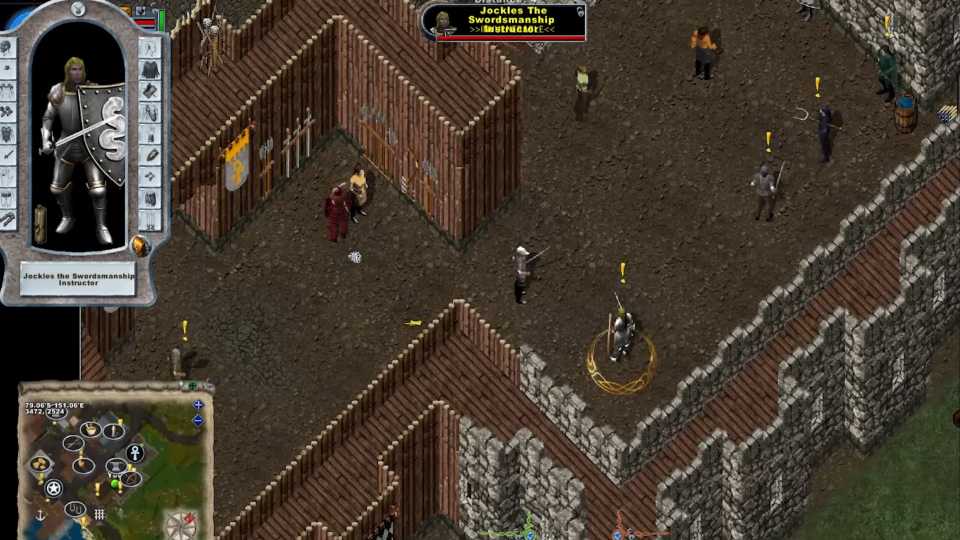
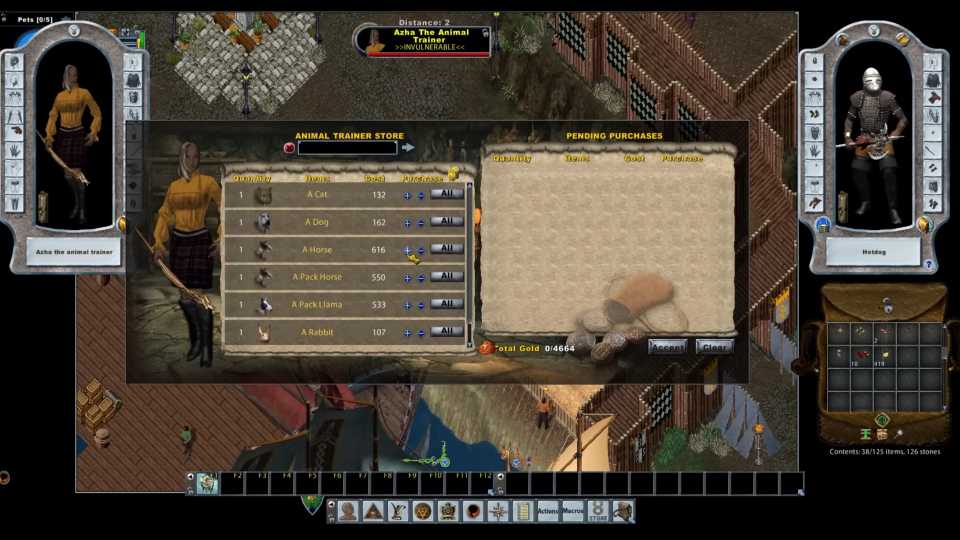
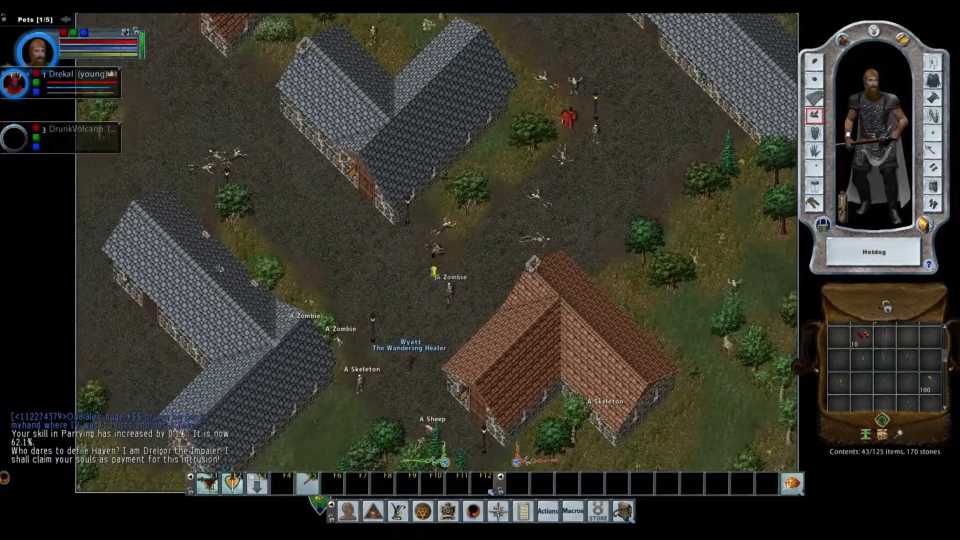
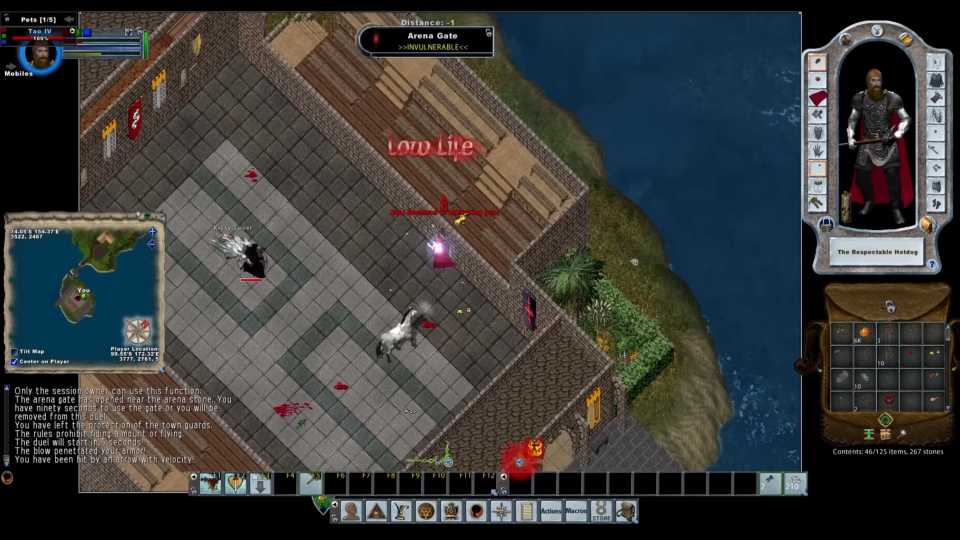
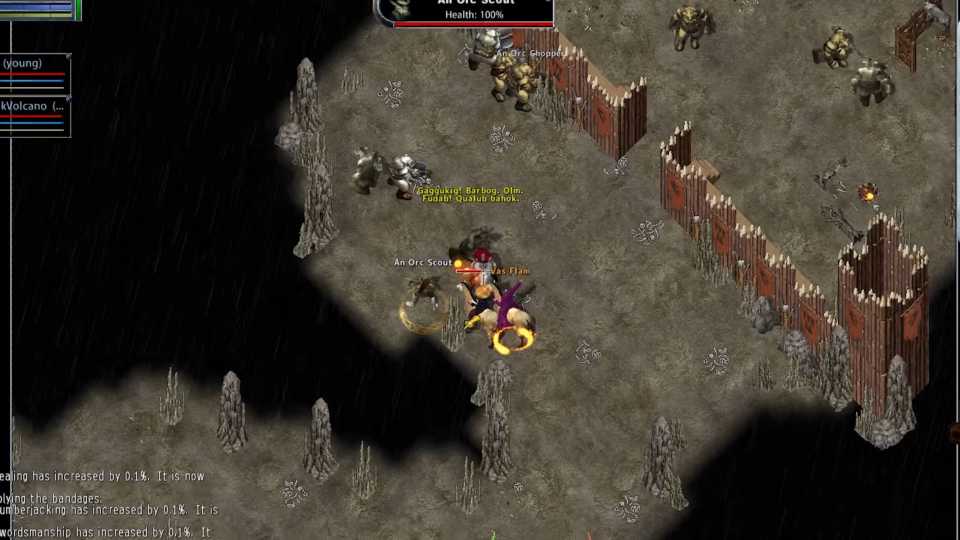
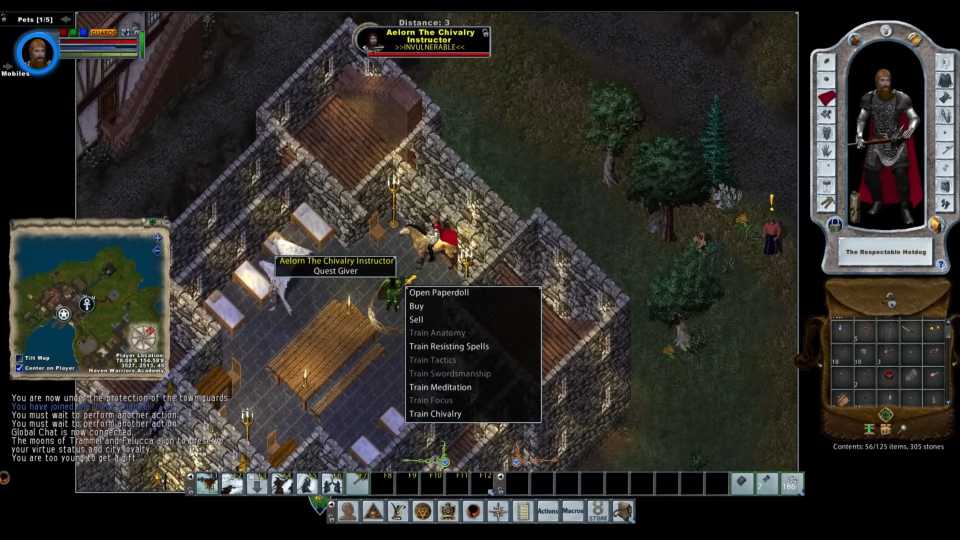
As one of the oldest PC games still being maintained and receiving updates today, Ultima Online is a longstanding open-world fantasy MMORPG that’s had 26 years to fine-tune its player-driven economy.
This game’s economy is different from others. Instead of having a designated auctioning place or market, players station themselves as vendors (or they “hire” a vendor NPC) to peddle wares, or they trade directly with one another. Becoming successful in Ultima Online's player-driven economy might require some time investment (in order to find and sell rare items, or craft and market unique ones) but the balanced yet hands-off approach taken by the developers makes Ultima players' odds of success relatively high.
Star Citizen
Introducing A Money Transfer System Between Players

- Developer(s)
- Cloud Imperium Games Corporation
- Platform(s)
- PC
- Genre(s)
- Shooter, Simulation
Star Citizen's take on player-driven economy is a bit different, and more like the real life. The game features a money-transfer system more like the real world's wire transfer. Each player is allowed to send any amount of in-game currency to another player, and that sets up the fundamentals of economics and trading. Players don't need trading spots or auctioning centers. Everyone can sell everything or even receive money for every service they offer with no limitations.
Aside from that, Star Citizen also simulates the real-world fluctuations of material prices on a player-driven trading system as well. So, when a certain material is priced differently in multiple locations, this becomes a valuable trading material for in-game cargo haulers. As time passes and more players buy the same material from a certain place to sell it in another location at a higher rate, the price tag of the material at the location where it was sold cheap will start to increase, as the demand goes higher and higher, until when the demand will be so high that the profit from trading it will not be worth the hauling effort.
World Of Warcraft
Classic, Solid Player-To-Player Trading

World of Warcraft is arguably one of the most popular MMORPGs to date, but whether it is a true open-world game would be answered differently from player to player, especially as public opinion of developer Blizzard Entertainment’s long-term WoW maintenance strategies has shifted in recent years.
These mixed-bag opinions aside, the ever-popular World of Warcraft boasts a vibrant player-driven economy. Some transactions can be had with NPCs, but financial success in the game largely relies on player-to-player sales and trading.