


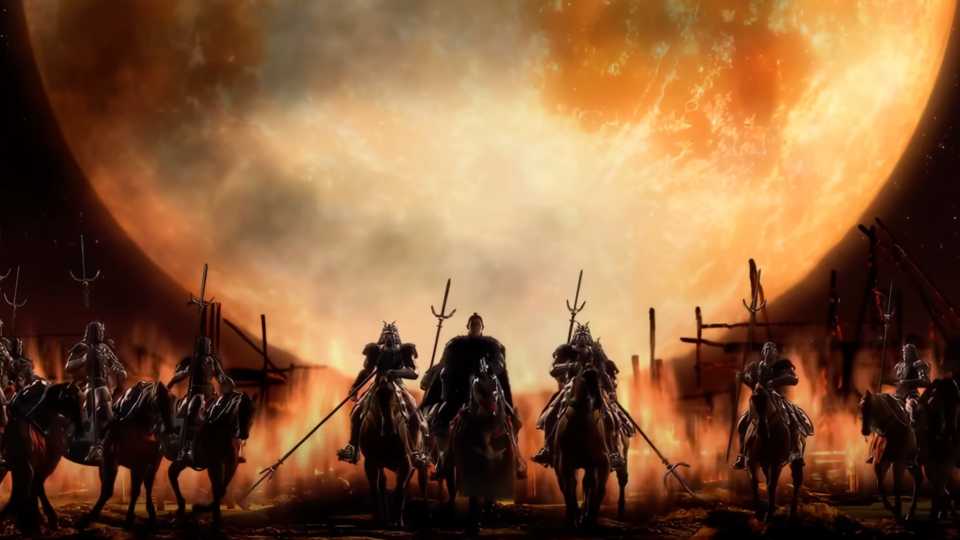
Capcom's Onimusha series remains one of the studio's more noteworthy franchises from its 6th-generation output. Originally intended as a Sengoku-era version of Resident Evil, the first Onimusha game was essentially just that: a take on Resident Evil where players got to step into the shoes of a samurai instead of law enforcement. Across four mainline entries and two spin-off titles, the Onimusha series remained a relic of one of Capcom's more experimental and boundary-pushing eras until the 2018 remaster of the original game in the series, Onimusha: Warlords. And now, we've gotten a remaster of the iconic second entry in the series, Onimusha 2: Samurai's Destiny, as well as a brand-new mainline entry set to release next year in Onimusha: Way of the Sword.
Like the remaster of the first Onimusha game, Onimusha 2: Samurai's Destiny plays it close to the chest when it comes to the actual changes it makes over its source material, but it shines as a result. The four mainline Onimusha games on the PS2 gradually separated themselves from their origins as intended spin-offs of the Resident Evil franchise, and Onimusha 2 has long felt like the title where the franchise really started to come into its own. Playing through Onimusha 2: Samurai's Destiny for the first time since it was originally released only served to confirm what I've long felt about the title: that it's ostensibly the Empire Strikes Back of the Onimusha saga and the series' highlight.
The long gap between the remaster of Onimusha: Warlords and Onimusha 2: Samurai's Destiny points to Capcom timing its release to strategically align with the first new game in the series in two decades, and it's perhaps the perfect introduction to what makes Onimusha special ahead of Way of the Sword's launch. Capcom's adherence to and reverence for the original Onimusha 2 is a sword that cuts both ways in its remaster, but it also serves to underscore how strong its combat and progression have always been and remain all these years later. Together with the small quality-of-life flourishes and additional special features that are included in the remaster package, Onimusha 2: Samurai's Destiny is a re-release of a long-forgotten title in the PS2 library that's now poised to onboard audiences to the Onimusha series with what's arguably the best game in the short-lived franchise ahead of its revival.

Capcom Producer Hopes to See More Onimusha Remasters in the Future
The Best War Games speaks with Capcom producer/Onimusha 2 director Motohide Eshiro about the franchise's growth and the possibility of future remasters.
What's Different in the Onimusha 2 Remaster
The biggest question on players' minds likely centers around what changes Capcom has made to Onimusha 2 as part of the remaster, and the answer is that the studio has opted to approach things conservatively. The original release of Onimusha 2 on PS2 contained a gallery of concept art from artist Keita Amemiya and design sketches from internal Capcom documents, and the remaster's Special Features menu contains these galleries as well. New to the remaster, though, is an additional gallery of concept art labeled Special Artwork that contains 126 new images for players to peruse. Interestingly, the original "Making Of" featurettes that were included in the PS2 version of Onimusha 2 are absent in the remaster's Special Features menu.
Another new inclusion in the Onimusha 2 remaster are the new Honors, which are effectively the game's achievements. As expected, most of these center around reaching certain story milestones or completing combat or puzzle challenges spread throughout the campaign, but some focus on remaster-specific additions, such as the new Hell difficulty mode. Aptly named, the Hell mode difficulty option puts players through the ultimate gauntlet that Onimusha 2 has to offer, requiring perfect execution of every encounter. One hit, and you're dead. It's practically impossible as you get further along in the campaign unless you happen to be keenly tuned in to Onimusha 2's combat, and it's precisely the kind of apex challenge aimed at returning players looking for a new way to experience this PS2-era classic.
Aside from the additional features and modes included in Onimusha 2's remaster, some small quality-of-life flourishes make Onimusha 2: Samurai's Destiny the definitive edition of the title. Visuals have been upscaled to HD while remaining largely the same as in the original, but the game's controls have been adapted to a more modern standard analog scheme versus the original's "tank controls". There's an argument to be made that the old-school Resident Evil "tank controls" in the original release of Onimusha 2 made combat more precise, but the new control scheme in the remaster is, by and large, a net positive. Together with these changes, players now have immediate access to all the previously unlockable mini-games from the Special Features menu, which are a fun dalliance for anyone looking for something different from the game's main story.
Capcom's Decision to Make Small Adjustments Serves Onimusha 2's Remaster Well
The first thing players will see when they boot up Onimusha 2 is a note from Capcom proclaiming that the remaster is geared toward maintaining the original experience as closely as possible. For some, the lack of more significant changes to a remaster might be disappointing, but this approach has ultimately allowed the strength of the original's design and gameplay to be that much more apparent. Onimusha 2's remaster still looks and plays like the PS2 original, but the small touches that have helped bring it into the modern era allow it to feel like how it's remembered through the rose-tinted lenses of nostalgia versus how it actually is.
Thanks to the new control scheme that uses 1:1 inputs from the left analog stick, Jubei is now easier to control than ever before, which simultaneously makes combat easier. On Normal difficulty, experienced action game fans might even find Onimusha 2: Samurai's Destiny too easy, thanks to how the new controls make combat more efficient. But the original Onimusha 2 experience was already both a series highlight and one of Capcom's better action games of the 6th generation, so to see the studio maintain the purity of that experience for a new audience is a move befitting the title's legacy.
Onimusha 2: Samurai's Destiny Remains a Series High Point, Underscored by its Remaster
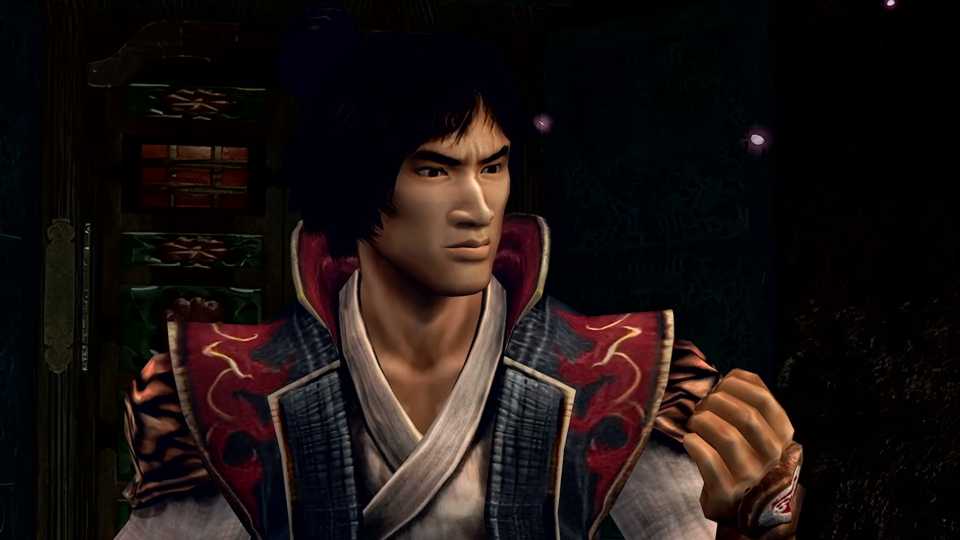
In terms of its place in the broader Onimusha saga, Onimusha 2 has long felt like the series' peak. Despite Samanosuke being seen as the sort of de facto face of the Onimusha series and the only protagonist to appear in more than one entry, Onimusha 2's Jubei is a strong main character who is further rounded out by his relationships with his companions. Getting to build the bonds between Jubei and his allies — Magoichi, Ekei, Kotaro, and Oyu — is a core component of gameplay that remains essential in the remaster, and the fact that Capcom have kept the original's Gift system completely intact is a great way to preserve the original's many branching paths and story deviations that incentivize multiple playthroughs.
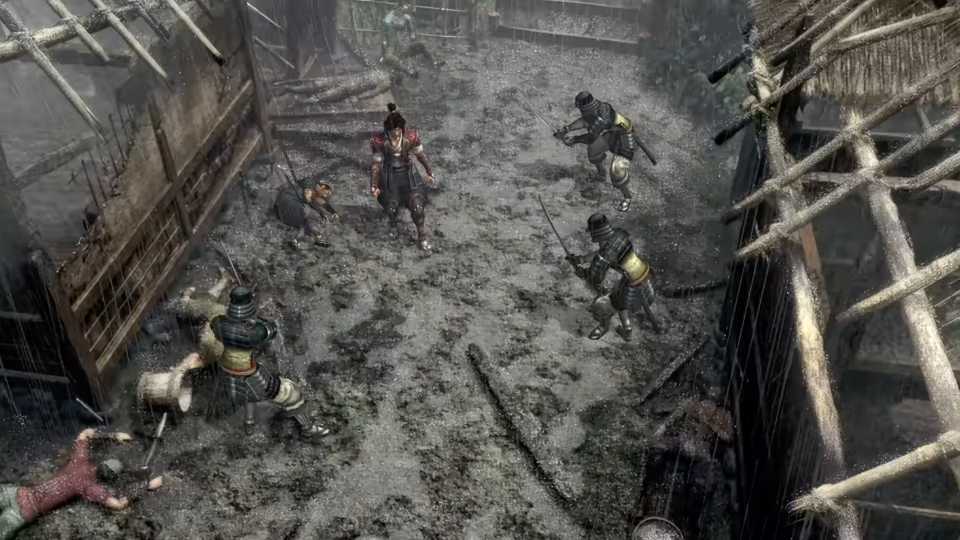
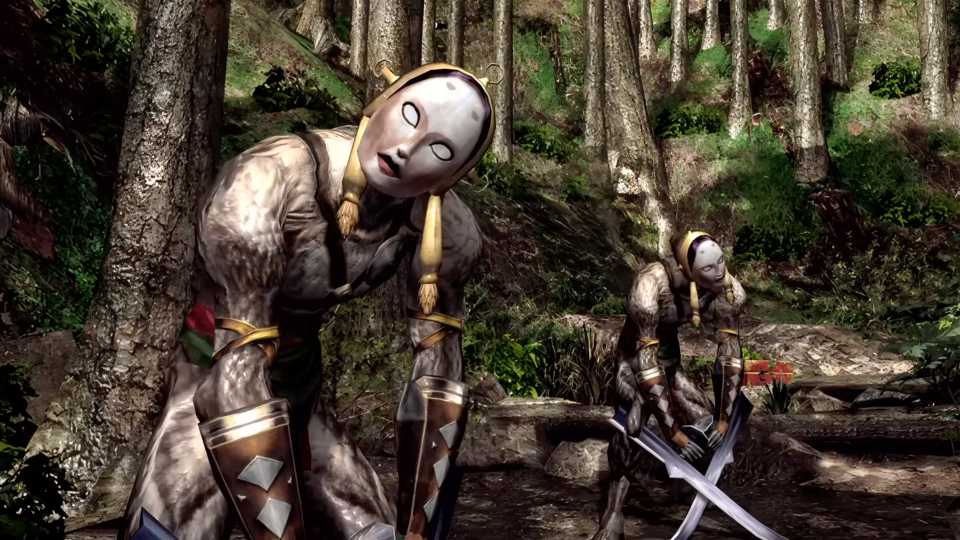
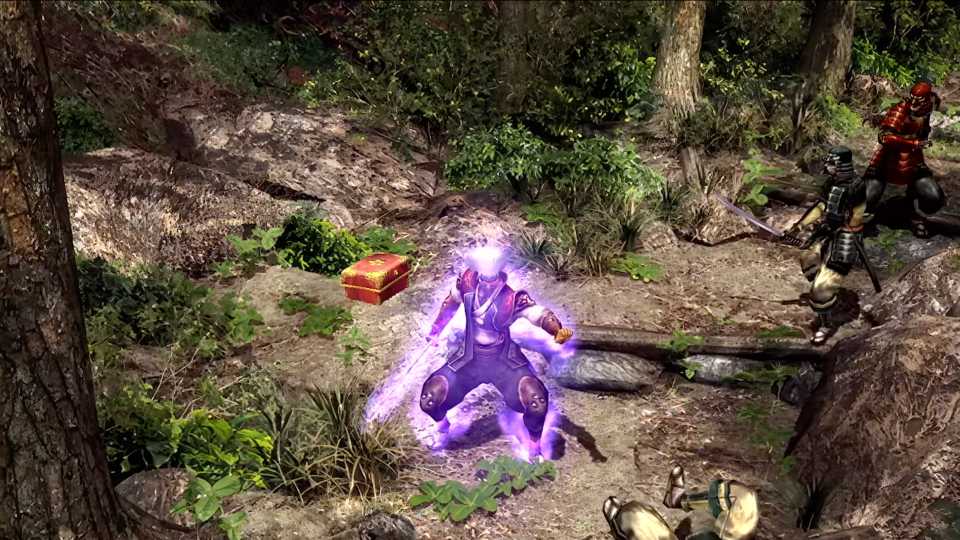
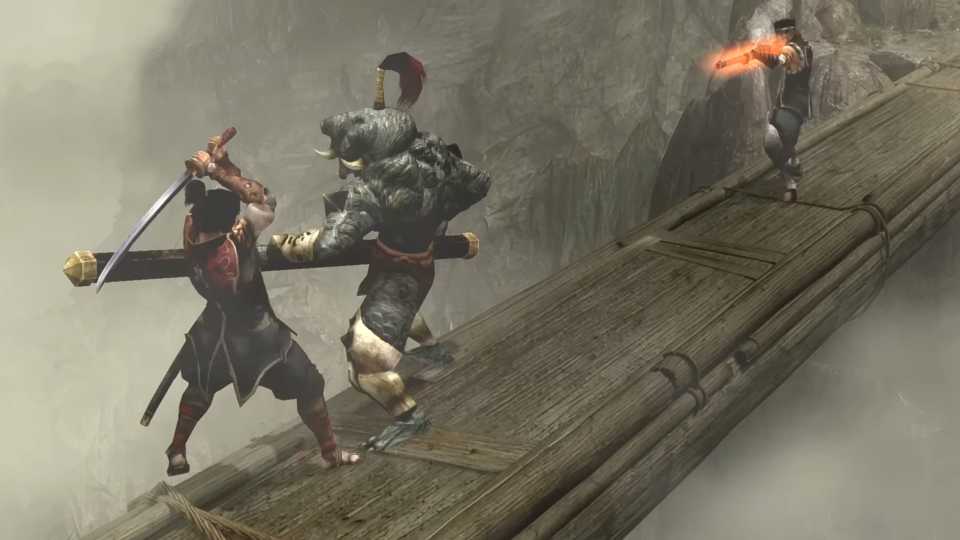
The subtle changes to Onimusha 2's combat in the remaster similarly serve to support encounter design that was already strong in the original release. Jubei has access to a total of 6 melee weapons (5 of which are tied to a specific elemental magic) and multiple ranged options, like a bow and arrow or a tanegashima, and figuring out which weapons are the best for use against specific enemies is still as fun in the remaster as it was 23 years ago. Ultimately, Onimusha 2: Samurai's Destiny is a remaster that is specifically aiming to remain authentic to the original experience, and that experience is one worth preserving as a way to welcome back lapsed players and entice newcomers.
Playing through the game on Normal difficulty, I was able to unlock 36 of the 56 total Honors/Achievements in a single playthrough that lasted roughly 10 hours.
When a company remasters a beloved title in its back catalog, it's always faced with the dilemma of needing to strike a balance between two very different audiences. That balancing act becomes especially precarious the more beloved a title is, and honoring the legacy of a game's original vision to appease longtime fans can sometimes have the unintended effect of pushing away a contemporary audience. As a remaster, Onimusha 2 is a success because it lands at a comfortable middle ground between staying true to the original while also serving as perhaps the best jumping-on point for the franchise ahead of its revival.






-
 OpenCritic Reviews
- Top Critic Avg: 75 /100 Critics Rec: 63%




WHERE TO PLAY





- Platform(s)
- PlayStation 4, Xbox One, Nintendo Switch, PC
- Genre(s)
- Action, Hack and Slash, Survival Horror
- A faithful remaster of the Onimusha series' high point
- The included special features and gallery are enticing additions that longtime Onimusha fans will appreciate
- Players' fondness for the original will impact how they feel about a remaster that's light on upgrades or changes
Onimusha 2: Samurai's Destiny releases May 23, 2025 for PC, PlayStation, and Xbox. The Best War Games was provided a PC code for this review.