


This list contains minor spoilers
Summary
- No filler in the manga means better pacing.
- Catching up is easier with the manga.
- More gore is included in the manga for intense battles.
The most important decision a person will need to make before jumping into the One Piece story is whether they want to consume it through the anime or manga. Both formats are considered completely valid ways of experiencing One Piece in all its glory, but with that being said, they do still provide a much different experience, while also having their own set of benefits that are well worth keeping in mind.

8 One Piece Arcs With The Best Stories, Ranked
One Piece has some incredible story arcs in its expansive history, with these examples being the best of the bunch.
Despite the manga running for over 20 years at this point, author Eiichiro Oda continues to be one of the most celebrated mangaka in the industry, with One Piece still going strong and being more popular than ever. The anime may be very flashy and eye-catching, but there are some aspects that can only really work in manga form. For anyone who is trying to decide between one or the other, these are the main benefits that come with choosing the One Piece manga over the anime as a way to enjoy the story.
No Filler Equals Better Pacing
Catching Up Is Much Easier In The Manga
Like most shonen anime adaptations, the One Piece anime contains its fair share of filler episodes, which are completely non-canon and ultimately not all that relevant to the wider story. The reason this is such a big problem for One Piece specifically is because the series is already incredibly long to begin with, so not only can these filler episodes feel like a waste of time, but it can also be difficult to pick out each and every filler arc without putting in a good amount of research, considering how many there are.
Since the manga comes directly from Oda himself, there is no filler to speak of, resulting in the story moving at a much faster pace and leading into some of the more exciting moments a lot more quickly. Some fans do still enjoy watching the filler episodes just to spend some more precious moments with the Straw Hats, which is completely understandable, but those who simply want to follow the main story and experience it at a more easygoing pace will have a much better time reading the manga.
Cover Stories
Small Side Stories That Follow Many Fan-Favorite Characters' Off-Screen Adventures
Considering how deep and rich the world of One Piece truly is, most fans are eager to get any small tidbits of information that they can about ongoing events, and there's no better way to keep up with these than the cover stories. This refers to the single-page illustrations that Oda will usually include at the beginning of a new chapter, and their purpose is to highlight what a specific character is up to during that portion of the main story.

Best Anime on Crunchyroll to Watch Right Now
Crunchyroll’s anime library changes constantly. This guide highlights the best series to watch right now, along with standout picks by genre.
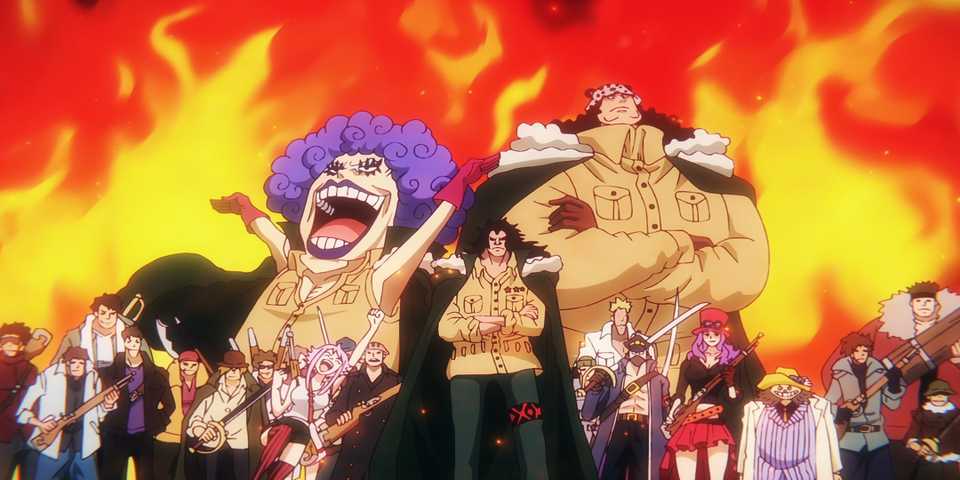
Some popular examples include a cover story that follows Enel after Skypeia, showing how he eventually made it to the moon and has even created his own makeshift army. These stories have covered a plethora of characters, including the likes of Hachi, Yamato, and Pudding, but because they are considered canon, it means that they will often be foreshadowing future events that will take place in the story, making them extremely important for fans who want to be fully in-the-know of what everyone is up to.
Easier To Re-Read Arcs
Binging A Story Arc Is Much More Manageable With The Manga
Considering the staggering number of story arcs that have been included in One Piece so far, it only makes sense that fans would be eager to return to the ones that they enjoyed the most. The truth is though, this can be difficult in the anime, considering the overall pacing of most episodes is pretty slow. Therefore, a full rewatch can be a big time commitment, especially for the longer arcs such as Dressrosa and Wano.
Manga readers, though, are able to move at their own pace, so if there's a gag or a large text of dialogue they are already familiar with, they can simply skip over to get to the next part of the story that most interests them. The anime will often drag out smaller moments as much as possible to extend the runtime of an episode, but the manga can feel a lot more focused and concise, making it ideal for binge reads and also for revisiting previous arcs.
All Official Content
The Anime Can Take Some Creative Liberties Which Don't Always Reflect The Manga
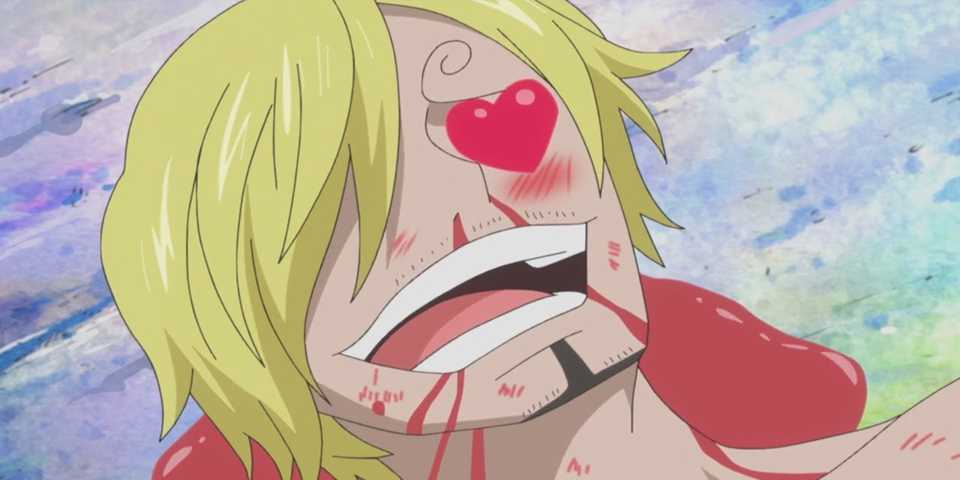
While the anime does its best to stick to the main source material, there have been times when it has taken a few creative liberties that begin to stray away from what Oda might have intended. A recent example of this is how Sanji has been acting a little differently in the Egghead arc and in the anime compared to the manga, even being completely removed from certain scenes without any real explanation.
Needless to say, anyone who wants to experience One Piece as the author intended should definitely go with the manga. This isn't to say that the anime ruins Oda's original vision for the story, as it is still an excellent adaptation which does its best to convey what he is spelling out on the page, but some of these changes are still big enough to warrant the manga being the more authentic way to consume the series.
Gore
One Piece's Manga Includes All The Grizzly Details
The world of One Piece can seem very joyful and vibrant on the surface, but anyone who is familiar with the series will know that it's also extremely dangerous and violent at times. As a result, Oda includes a lot more gore in the manga to really emphasize how brutal some of these fights can truly get, but the anime will tend to tone this down a little bit, without removing the blood and gore entirely.

One Piece: 7 Devil Fruits Perfect For Killing, Ranked
These highly lethal Devil Fruits from One Piece are shown to be perfect for killing off the competition.
It's completely subjective to each individual fan whether they want to see the full extent of the gore or not, but it does ultimately make the manga much more effective at conveying just how much damage someone has taken in an intense battle. The most notable example of this is how Whitebeard has half of his face blown off in the manga during the Marineford War, while in the anime, he only has a few bloodshots and stab wounds to emphasize the amount of pain he's in.
Connecting With The Author
Oda Is Always Talking Directly With His Fans
Eiichiro Oda may be one of the most mysterious manga authors out there, but that doesn't mean that he's not willing to interact with the fans. Before the timeskip, Oda would always be answering fans' questions in most of his chapters, no matter how weird or bizarre they were, which ultimately helped people to connect with the man who was providing them with fun and enjoyable content on a weekly basis.
As time has gone on, Oda has also started to release SBS volumes, which are essentially databooks that reveal a ton of information on important characters and story moments. He will also include giant cover spreads that will often feature the Straw Hats chilling out in a random location, or sometimes will simply include a small doodle of a fan-favorite character. All of this helps fans to get an idea of who Oda actually is, and it's something that the anime just can't replicate.
Respects The Reader's Time
The Anime Stretches Some Moments On For Just A Little Too Long Sometimes
It makes sense that the anime adaptation of the story would try to draw some scenes out for as long as possible in order to get the most emotion out of the viewer. This can be both a blessing and a curse though, as while it does help some important scenes stand out a little more, it can also feel a little redundant at times. For example, back in the Wano arc, the anime had a very bad habit of showcasing Luffy's flashback with Tama over and over again, despite fans being fully aware of the interaction that took place between the two of them only a few episodes earlier.
The manga, on the other hand, will only include scenes, such as this one, for one or two panels at most, so it never feels like the reader's time is being wasted when going through the story. To put it simply, there are many scenes in the anime that don't need to be as long as they are, but the source material only rarely runs into this problem, considering everything moves so quickly.

- Release Date
- October 20, 1999
- Network
- Fuji TV
- Directors
- Hiroaki Miyamoto, Konosuke Uda, Junji Shimizu, Satoshi Itō, Munehisa Sakai, Katsumi Tokoro, Yutaka Nakajima, Yoshihiro Ueda, Kenichi Takeshita, Yoko Ikeda, Ryota Nakamura, Hiroyuki Kakudou, Takahiro Imamura, Toshihiro Maeya, Yûji Endô, Nozomu Shishido, Hidehiko Kadota, Sumio Watanabe, Harume Kosaka, Yasuhiro Tanabe, Yukihiko Nakao, Keisuke Onishi, Junichi Fujise, Hiroyuki Satou
Cast
-
 Mayumi TanakaMonkey D. Luffy (voice)
 -
Kazuya NakaiRoronoa Zoro (voice)


WHERE TO WATCH

- Writers
- Jin Tanaka, Akiko Inoue, Junki Takegami, Shinzo Fujita, Shouji Yonemura, Yoshiyuki Suga, Atsuhiro Tomioka, Hirohiko Uesaka, Michiru Shimada, Isao Murayama, Takuya Masumoto, Yoichi Takahashi, Momoka Toyoda
- Franchise(s)
- One Piece
- Creator(s)
- Eiichiro Oda
