


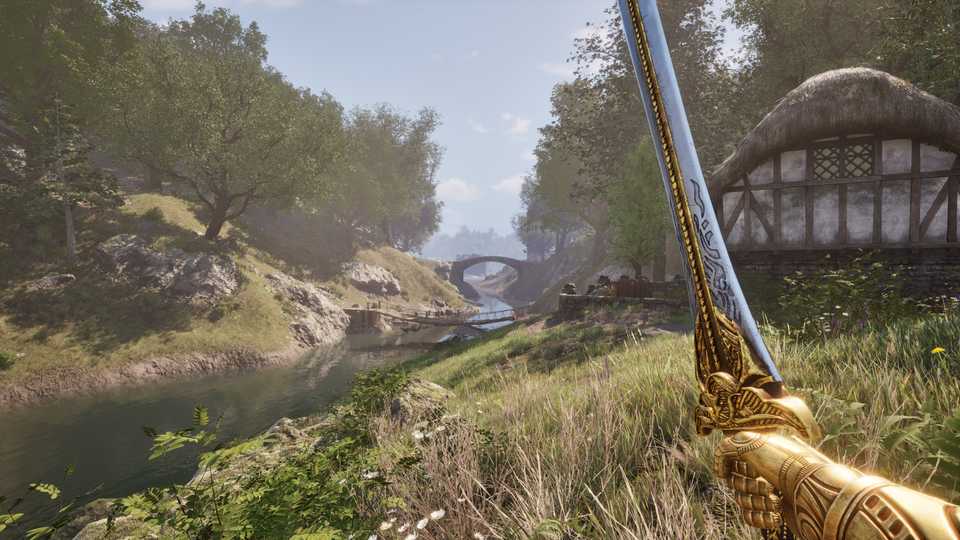
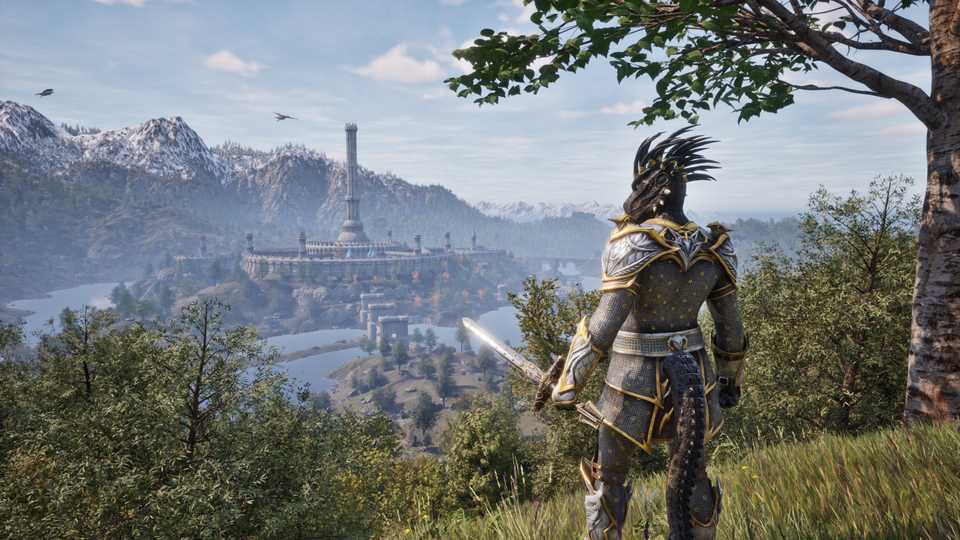
With The Elder Scrolls 4: Oblivion Remastered generating buzz among RPG fans, it’s clear that there’s still a deep hunger for revisiting foundational, genre-defining games through a modern lens. Bethesda’s decision to remaster one of its most beloved titles isn’t just a win for nostalgia—it’s a clear signal that there’s space in the industry for polished, faithful updates to old favorites. And if Oblivion Remastered can make a triumphant return, one other classic RPG deserves the same treatment: Dragon Age: Origins.
While BioWare’s recent projects like The Veilguard continue to develop the Dragon Age universe, the case for returning to the series’ origins has never been stronger. Origins is a cornerstone of the modern Western RPG genre. With its tactical combat, morally complex storytelling, and richly textured world, it holds a place of high esteem among fans, despite the fact that its aging design can be a barrier to new players. A remaster, done with the same respect and care that Oblivion is receiving, would open the gates of Thedas to a whole new generation of players.

Oblivion Remastered Player Racks Up 2 Billion Bounty
An Oblivion Remastered player online manages to rack up a huge bounty of over 2 billion gold.
Dragon Age: Origins Redefined BioWare’s Fantasy Identity
Released in 2009, Dragon Age: Origins came out swinging in an era dominated by action-heavy RPGs. Instead of handholding or cinematic spectacle, it offered dark fantasy at its finest. The game’s branching storylines, hard moral choices, and deeply customizable protagonist stood out in a crowded market. It was a spiritual successor to Baldur’s Gate (originally a BioWare title before it was passed on to Larian Studios) in all but name, pushing players to build not just a character but a legacy in the world of Thedas.
It wasn’t perfect. Combat could be slow, graphics were serviceable but never groundbreaking, and the interface reflected its era. But what it lacked in polish, it made up for with depth, character writing, and worldbuilding. It made every decision matter. It’s no wonder fans still hold it up as a gold standard in BioWare’s portfolio, making Dragon Age: Origins worth revisiting in 2025.
And yet, it’s a game that is understandably causing potential new players to pause before purchasing. The mechanics haven’t aged gracefully. The UI feels clunky. Graphically, it can be jarring to step into after enjoying the smooth aesthetics of modern titles like Inquisition or The Veilguard. At this point, many fans depend on mods for Dragon Age: Origins to improve their experience. A remaster wouldn’t just be a luxury—it’s quickly becoming a necessity if BioWare wants to preserve Origins as a viable part of the franchise’s future.
What a Dragon Age: Origins Remaster Could Offer
If Oblivion was polished and modernized for current-gen systems, Dragon Age: Origins deserves the same treatment. Visual upgrades alone would dramatically enhance the game’s appeal, but even more important would be quality-of-life features: faster load times, smoother animations, better inventory management, and perhaps even improved AI for party members.
A remaster could also clean up the combat system—tightening Dragon Age: Origins' spellcasting, reducing downtime, and giving players more tactical feedback during encounters. This would make Origins far more accessible to players accustomed to the streamlined mechanics of Inquisition or Baldur’s Gate 3. And for longtime fans, a remaster offers something more valuable than technical improvements: it’s a chance to re-experience the story through modern eyes, stepping into the shoes of a Grey Warden with crisp textures, remastered music, and seamless cutscenes. There’s also the opportunity to bundle in all Origins’ DLC—especially Awakening, its well-received expansion, for a definitive edition that does justice to the game’s scope.
BioWare Has Already Done The Remaster Cycle Once
The case for a Dragon Age: Origins remaster is only strengthened by BioWare’s own history. Mass Effect: Legendary Edition was a triumph, reintroducing a beloved trilogy with just the right blend of polish and reverence. That remaster proved BioWare understands how to modernize its older titles without erasing their identity. If it could do that for Mass Effect, there’s no reason BioWare couldn’t do it again for Origins.
And like Mass Effect, Origins also stands at a critical juncture in the series' timeline. In the process of reimagining the franchise for a new audience and art direction, The Veilguard hasn’t been the most financially successfu l. The original game can serve as a reminder of where it all began—and why fans fell in love with Thedas in the first place.
Dragon Age: Origins Could Fit Right Into a Nostalgia-Driven Market
FromSoftware remastered Dark Souls, Square Enix rebuilt Final Fantasy 7 from the ground up, and now Oblivion, long considered the “middle child” of the Elder Scrolls family, is getting its moment to shine. Publishers understand that audiences crave both novelty and familiarity—something new that feels like something they already love. A remastered Origins would slot neatly into that cultural moment.
It’s also a lower-risk project compared to launching a new game entirely. And with all the drama and murkiness following The Veilguard, BioWare needs a big win. With the core design already in place, BioWare or a trusted partner studio could focus development on enhancement rather than creation. For EA, it’s a chance to strengthen the modern Dragon Age brand, giving players something to do if they have wrapped up their playthrough of The Veilguard and potentially drawing in a younger audience unfamiliar with the earlier titles.
A Reintroduction to Moral Complexity
There’s another reason Origins is worth bringing back: it’s still one of the few RPGs that commits so thoroughly to moral gray areas. Players aren’t choosing between a “Paragon” or “Renegade” path; they’re making decisions with lasting consequences, often with no obvious right answer. In an age where narrative depth is once again in high demand, this kind of storytelling is exactly what the RPG genre needs. A new generation of gamers, raised on streamlined morality systems, deserves to experience a game that asks harder questions and lets them live with the consequences of their answers.
A Dragon Age: Origins Remaster Would Be Timely
With Oblivion Remastered on the horizon and The Veilguard preparing to usher in a new era, now is the perfect time to revisit the game that defined Dragon Age’s earliest identity. In the face of The Veilguard, players flocked to play Origins again. A Dragon Age: Origins remaster could bridge the gap between past and future, delivering a meaningful experience for both newcomers and veterans.
It wouldn’t require a total reinvention. Just a respectful refresh—something that brings its tactical brilliance and emotional storytelling into clearer focus. If Bethesda is willing to do that for Oblivion, BioWare should recognize the value in doing the same for Origins. The Blight may have been vanquished, but the legacy of Dragon Age: Origins still casts a long shadow.




-
 OpenCritic Reviews
- Top Critic Avg: 82 /100 Critics Rec: 87%
- Released
- April 22, 2025
- ESRB
- Mature 17+ // Blood and Gore, Sexual Themes, Violence
- Publisher(s)
- Bethesda







WHERE TO PLAY





- Engine
- Unreal Engine 5
- Genre(s)
- Action, RPG, Open-World, Adventure
