


Of the many accomplishments highlighted by Oblivion Remastered, narrative and tone may be the most significant, or at least the most interesting. The Elder Scrolls can safely be considered “dark fantasy,” at least in part: the series does retain some Tolkein-esque lightheartedness and whimsy, with the black-and-white morality of the Daedra being much more Lord of the Rings than A Song of Ice and Fire. But there’s still a notable emphasis on more mature themes, expressed through plot elements like murder and political intrigue.
Perhaps it’s the improved graphics of Oblivion Remastered that make these darker motifs stand out so much. After all, it’s much easier for the player to emotionally distance themselves from, say, the Dark Brotherhood quest, when faced with the 2006 original’s wonky visuals. More than anything, though, Oblivion Remastered is something of a stark shift in tone when measured against Bethesda's more recent outings, which indicate the developer's growing preference for more family-friendly stories and worlds. While there's nothing inherently wrong with a more all-ages narrative, Oblivion Remastered proves that there's virtue in a story and game world with darker, more mature themes, and one might hope that future RPGs from the company will be a little more Oblivion and less Starfield in this respect.

Character Customization Is Oblivion Remastered's Most Unexpected Triumph
The Elder Scrolls 4: Oblivion makes a number of improvements over the original, but character creation is one especially worth mentioning.
Oblivion Proves that Bethesda Can Nail a Darker Tone
Oblivion Is a Relic from a Darker Era of Bethesda
Both Oblivion and Skyrim can safely be considered under the umbrella of dark fantasy, as they are replete with deadly prophecies, evil spiritual forces, and cunning, sometimes unsettling political plots. The player-character themselves plays an important role in this darker tone: players can choose to murder and steal to their hearts' content, even joining organizations specifically formed for such ventures.
This embracing of darker themes and lore elements can be seen in Fallout 3 as well: players can commit horrible atrocities in that game, and even their allies, like those in the Brotherhood of Steel, are often far from plainly heroic. Bethesda in the early-2000s and mid-2010s was defined by such boldness, and while some have criticized the developer for its use of shock value (infamous plot developments like the destruction of Megaton in Fallout 3 are especially critiqued, but no less iconic), this willingness to lean into the ugly side of humanity lent its stories a mature and appealing dimension, which its newer releases lack.
Contemporary Bethesda Lacks the Venom of Games Like Oblivion
Among the most prominent critiques of Starfield is its toothless sci-fi world-building. There's a notable lack of tension in its far-future world, as Bethesda seemingly skirts the genre's strong suits, those being its potential for social commentary through speculation, showing what humanity could become if it isn't careful. Setting aside world-building elements, Starfield's cast is incredibly sanitized, with all the players' allies being upstanding, morally uncomplicated and uncompromised characters. The player-character themselves is incapable of committing atrocious acts, and there's a notable lack of the loathsome character archetypes seen in previous Bethesda titles.
These same points can be made about Fallout 4, albeit to a slightly lesser degree. The protagonist of that game is a parent willing to sacrifice anything for their child—hardly a blank slate that the player can make as evil or complex as they like. Supporters of modern Bethesda's narrative style might argue that this makes for a better, more focused narrative, which is fair, but it also comes at the cost of a world with real stakes. Oblivion Remastered shows audiences what can be possible in a world with razor-sharp teeth, one that isn't afraid to show its audience its darkest corners, and Bethesda should take note of that.




-
 OpenCritic Reviews
- Top Critic Avg: 82 /100 Critics Rec: 87%
- Released
- April 22, 2025
- ESRB
- Mature 17+ // Blood and Gore, Sexual Themes, Violence
- Publisher(s)
- Bethesda







WHERE TO PLAY





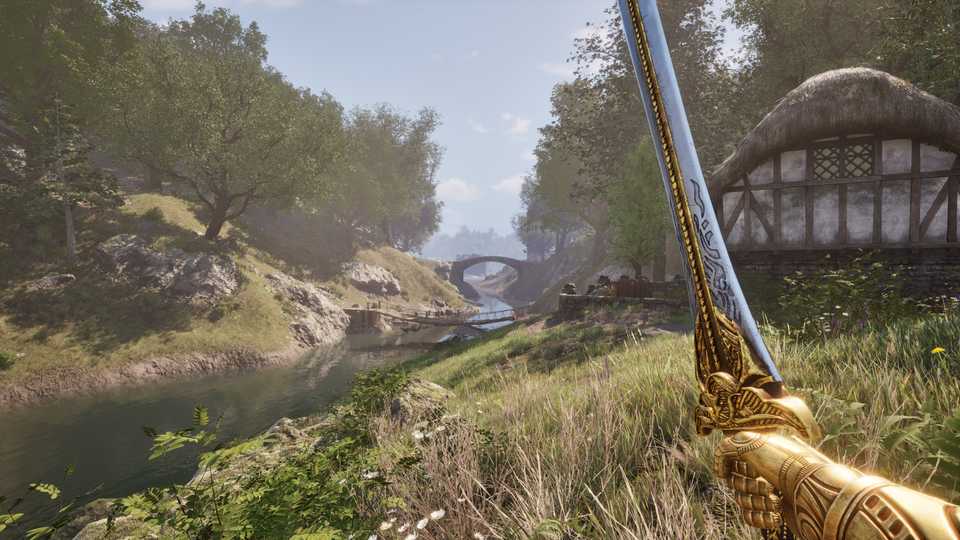
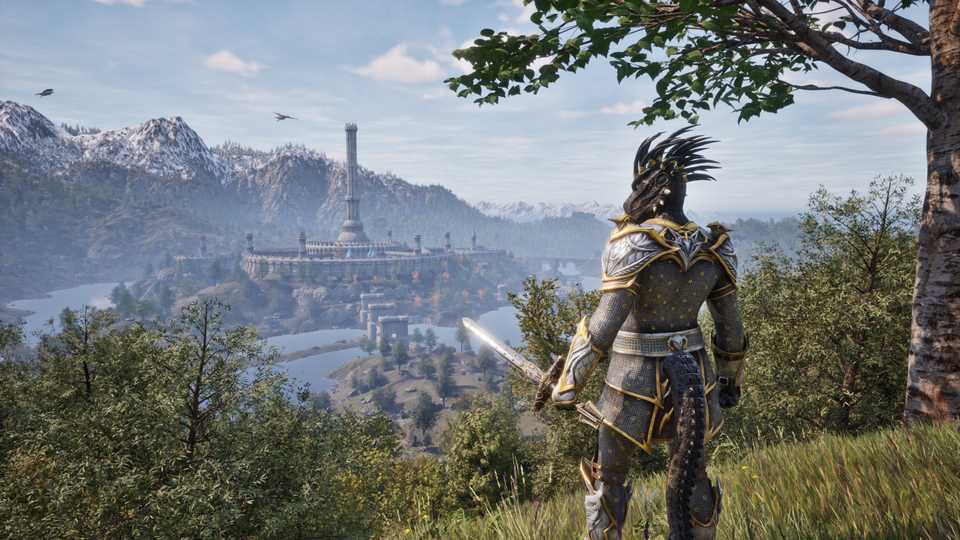
The Elder Scrolls IV: Oblivion™ Remastered modernizes the 2006 Game of the Year with all new stunning visuals and refined gameplay. Explore the vast landscape of Cyrodiil like never before and stop the forces of Oblivion from overtaking the land in one of the greatest RPGs ever from the award-winning Bethesda Game Studios.
Rediscover Cyrodiil
Journey through the rich world of Tamriel and battle across the planes of Oblivion where handcrafted details have been meticulously recreated to ensure each moment of exploration is awe-inspiring.
Navigate Your Own Story
From the noble warrior to the sinister assassin, wizened sorcerer, or scrappy blacksmith, forge your path and play the way you want.
Experience an Epic Adventure
Step inside a universe bursting with captivating stories and encounter an unforgettable cast of characters. Master swordcraft and wield powerful magic as you fight to save Tamriel from the Daedric invasion.
The Complete Story
Experience everything Oblivion has to offer with previously released story expansions Shivering Isles, Knights of the Nine, and additional downloadable content included in The Elder Scrolls IV: Oblivion Remastered.
- Engine
- Unreal Engine 5
- Franchise
- The Elder Scrolls
- Number of Players
- Single-player
- Steam Deck Compatibility
- Verified
- PC Release Date
- April 22, 2025
- Xbox Series X|S Release Date
- April 22, 2025
- PS5 Release Date
- April 22, 2025
- Genre(s)
- Action, RPG, Open-World, Adventure
- Platform(s)
- Xbox Series X, Xbox Series S, PlayStation 5, PC
- OpenCritic Rating
- Strong
- X|S Optimized
- Yes
- File Size Xbox Series
- 123.2 GB
