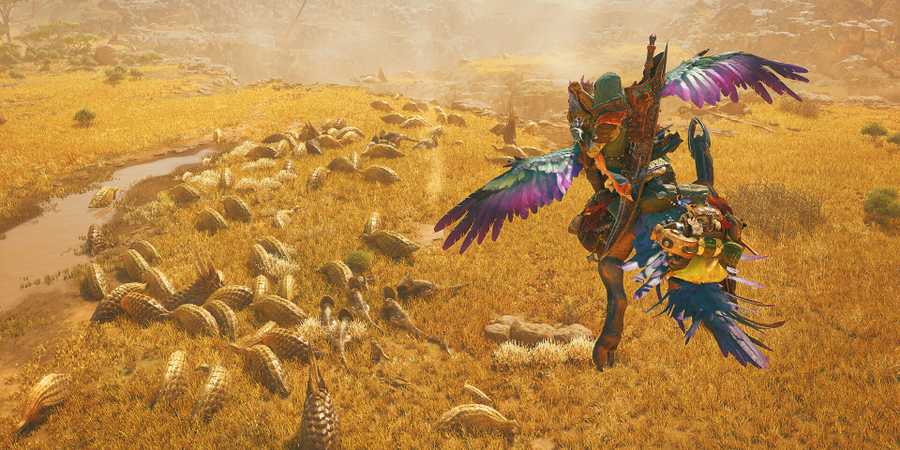
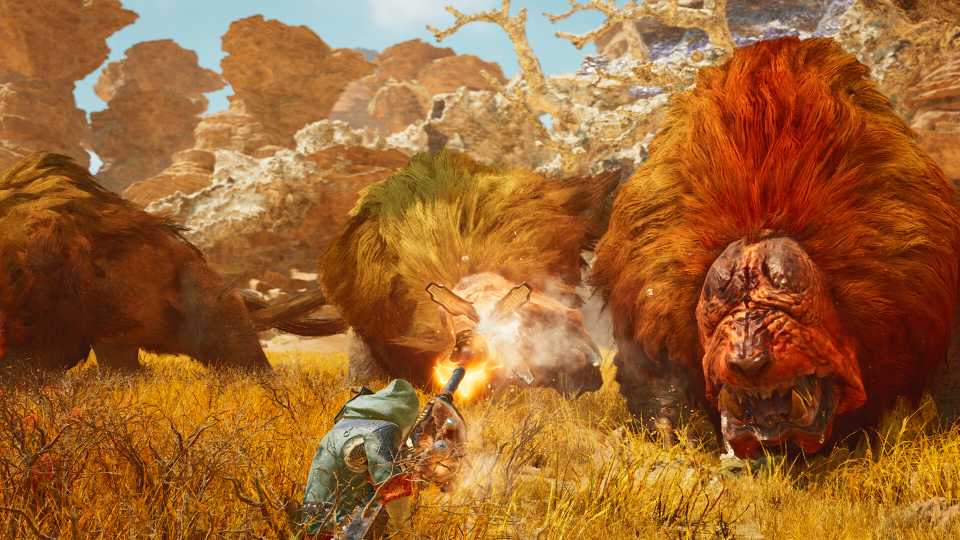
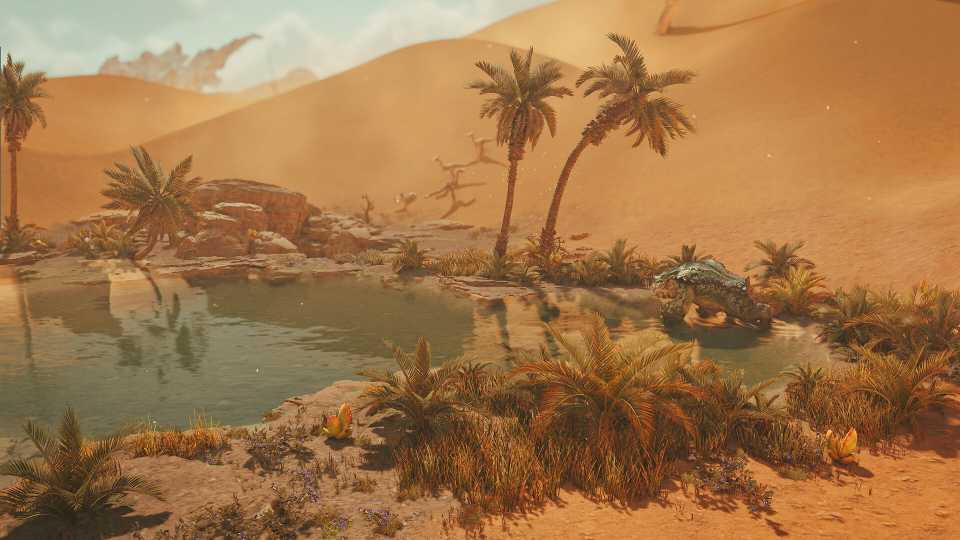
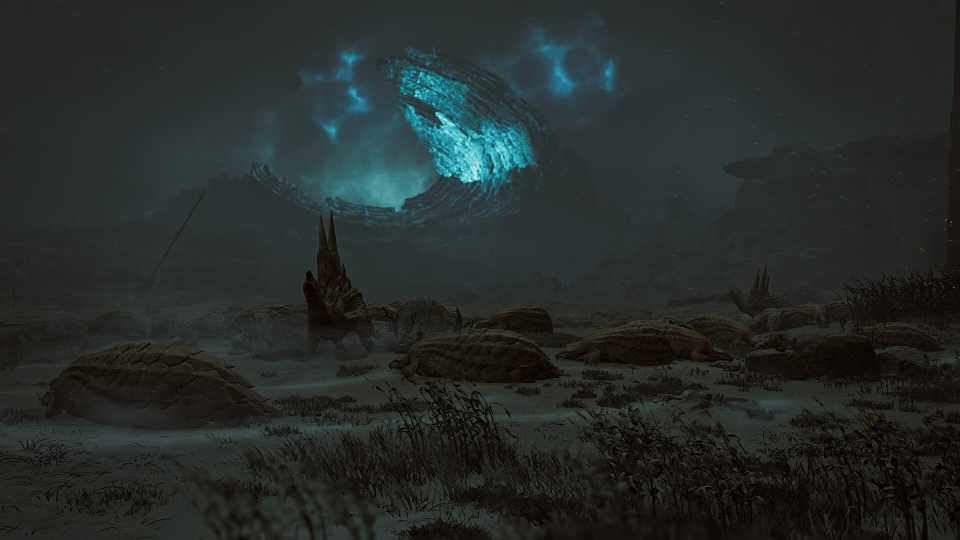
The milestone success of Monster Hunter Wilds should come as no surprise to anyone who has been watching the franchise's meteoric rise to popularity following Monster Hunter World. World's innovations went a long way toward making the Monster Hunter series its most accessible to newcomers, which was something Monster Hunter Rise built upon to position Monster Hunter Wilds as a record-breaking title. But one of the newer mechanics from Monster Hunter Rise is missing from Monster Hunter Wilds, and its absence is sorely felt. Despite Monster Hunter Wilds featuring arguably the best monster mounting mechanics in the series, Rise's Wirebug is nowhere to be found.
One of a small handful of new gameplay mechanics that were introduced in Monster Hunter Rise that remain exclusive to that 2021 series entry, the Wirebug was a useful traversal tool that served several different functions in the context of Rise's gameplay. Thanks to Rise's environmental design and its shift toward verticality, the Wirebug was an indispensable tool for quickly reaching elevated areas or getting out of harm's way. But the Wirebug was equally as important in combat, allowing for players to execute midair attacks and easily mount monsters, and it would have been a natural fit in Monster Hunter Wilds' gameplay.

The Unwritten Rules of Monster Hunter Wilds Explained
Monster Hunter Wilds may be the most accessible entry in the franchise to date, but players should still adequately prepare before they set off.
Monster Hunter Wilds Makes Mounting Large Monsters Easier Than Ever

Contrary to previous Monster Hunter games, players can easily jump onto the backs of large monsters from their Seikret mount, as long as there's enough of a height differential between them and their prey when they dismount. Once players are on top of a large monster, Monster Hunter Wilds does away with World and Rise's mounting mechanics in favor of a new system where players can easily hop from one part of the monster to another, dishing out damage until creating a Wound and then exploiting it with Focus Attacks.
Without the inclusion of the Wirebug, mounting monsters in Monster Hunter Wilds is both easier to pull off and more satisfying. But it's hard to not feel like its absence marks a missed opportunity to encourage players to utilize the new mounting system more. Wounds and Focus Attacks are cornerstones of Monster Hunter Wilds' new combat innovations, and, surprisingly, Capcom didn't actively encourage players to mount large foes more often to exploit those systems.
How the Inclusion of the Wirebug Could Have Enhanced Monster Hunter Wilds

From a level design perspective, it makes sense that the Wirebug doesn't reappear in Monster Hunter Wilds. While Monster Hunter Rise's verticality and multiple-floor maps made the inclusion of a tool like the Wirebug a necessity, the same can't be said about Monster Hunter Wilds. Comparatively, Monster Hunter Wilds places a much greater emphasis on scale and density in its interactive spaces. Combined with the ability for players to use the environment to serve as a dynamic part of monster hunts, the inclusion of the Wirebug may have had the potential to upset the game's balance.
But Monster Hunter Wilds is already fairly approachable for newcomers in comparison to the rest of the series, and the inclusion of the Wirebug could have gone a long way toward encouraging players to mount large monsters more often. The new mounting system in Monster Hunter Wilds is a unique departure from how the mechanics were handled in both Monster Hunter World and Rise, and including the Wirebug to help facilitate it would have had the power to transform encounters with large monsters that stay mobile.




-
 OpenCritic Reviews
- Top Critic Avg: 89 /100 Critics Rec: 95%