Summary
- Monster Hunter Wilds features a seamless open world with diverse biomes, a rarity in open-world games.
- The game's living ecosystem sets it apart, with monsters behaving naturally, making the world feel alive.
- Dynamic weather and day cycles in the game impact gameplay and add unpredictability, enhancing the immersive experience.
The open-world genre of video games has proven over time to be a tough nut to crack, but more recent titles have shown that all it takes is a great degree of ambition and a willingness to take bold risks. Monster Hunter Wilds is the latest title to do just that, offering players an experience that subverts their expectations of what an open-world game can and should be, all while raising the bar for future games in the genre and proving that they still have plenty of room to innovate.
Monster Hunter Wilds' new world takes what is expected of an open-world game and builds something fresh on top of it, showing that what matters even more than the content within a world is the world itself. Rather than trying to give players a bunch of things to do, Monster Hunter Wilds gives players a bunch of things to look at and experience, proving that context matters in an open-world game more than content does.

Monster Hunter Wilds’ Gemma Is the Game’s Breakout Star
Monster Hunter Wilds' Gemma captivates players with her charm, depth, and role in the hunt, making her the game's standout character and fan favorite.
How Monster Hunter Wilds Innovates on the Open-World Formula
Monster Hunter Wilds' Open World Is Seamless With Multiple Biomes
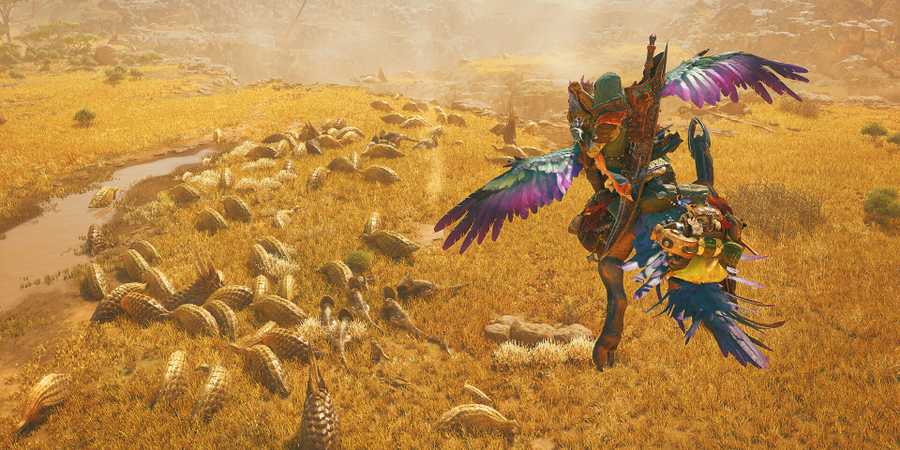
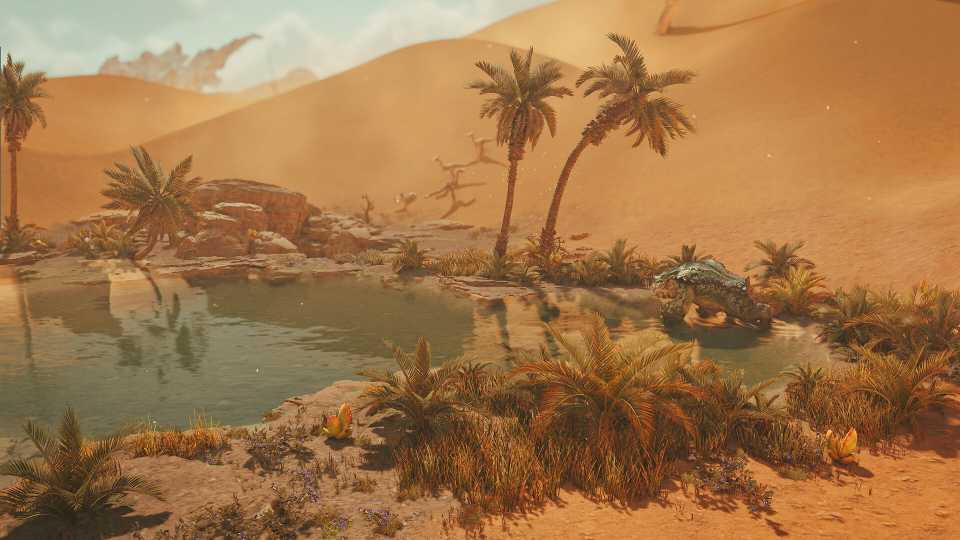
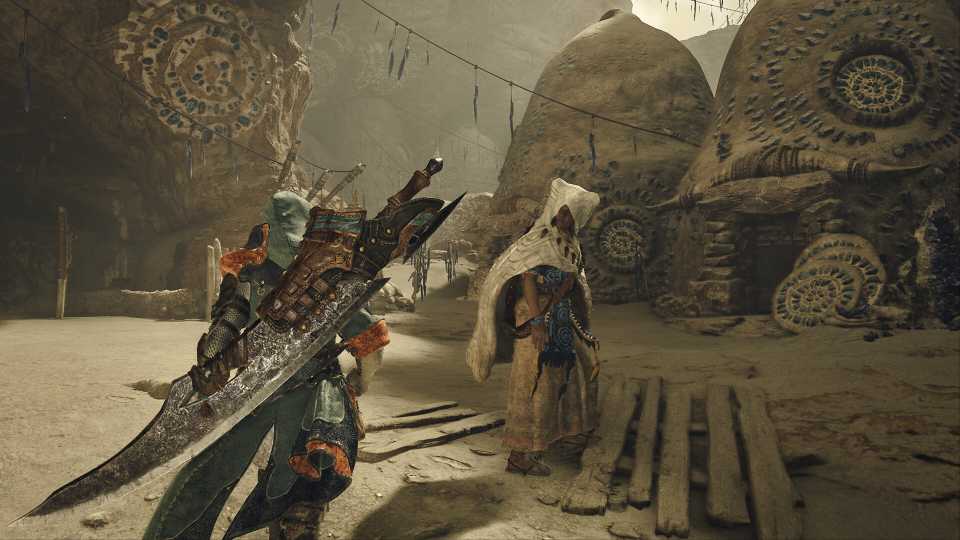
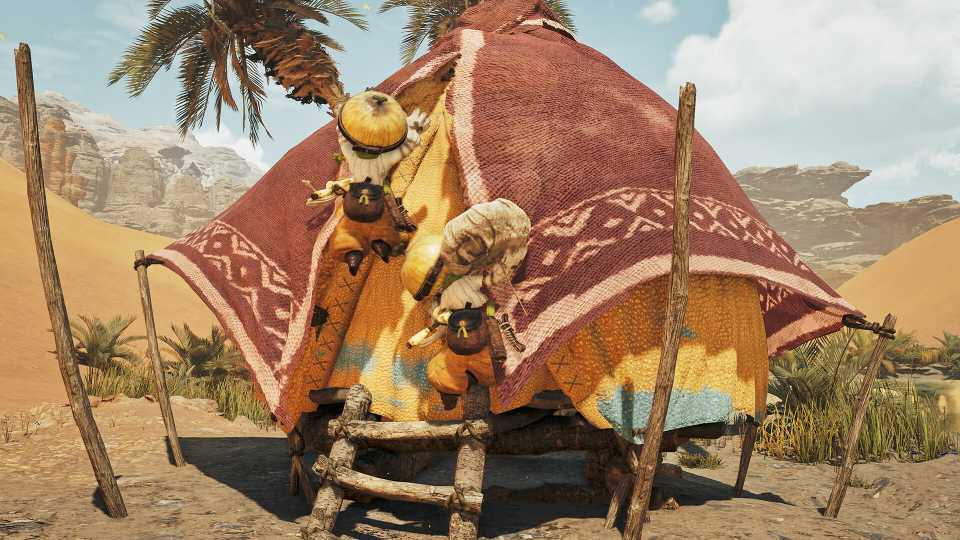
While it's becoming increasingly uncommon for open worlds to be seamless these days, Monster Hunter Wilds marks the first time the series has ever featured an entirely seamless open world, meaning it lacks loading screens between areas. Something Monster Hunter Wilds' open world does do that most other seamless open worlds neglect to do, however, is that it features diverse biomes, all within the same world.
Monster Hunter Wilds' new world takes what is expected of an open-world game and builds something fresh on top of it, showing that what matters even more than the content within a world is the world itself.
It can be very difficult for games with seamless open worlds to feature multiple biomes because they, for one thing, need to be large enough to justify having multiple diverse environments on one map, but they also need to have a convincing way of transitioning players from one biome to an entirely different one. Most of these games generally opt for loading screens or cutscenes that see characters traveling long distances to other regions, but Monster Hunter Wilds justifies the existence of multiple biomes by featuring a world that feels like it is constantly evolving and shifting.
Monster Hunter Wilds' Open World Boasts a Living Ecosystem
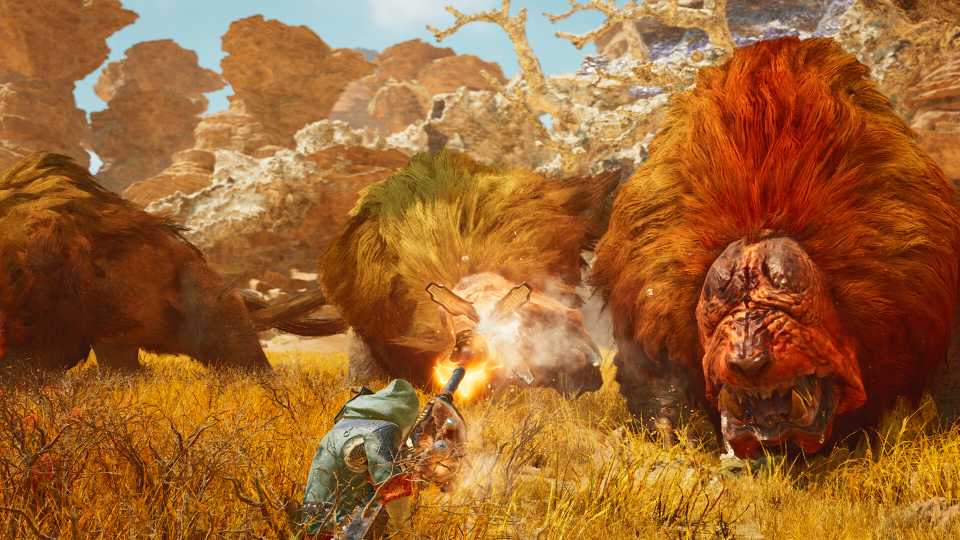
This is really where Monster Hunter Wilds' open world shines the brightest: in its ability to place players within a living, breathing ecosystem that feels alive and unpredictable. Unlike many other open-world games, where enemy behavior is largely scripted, Monster Hunter Wilds' monsters behave more naturally, like with hunting, mating, and territorial disputes. These interactions aren't scripted and occur organically, making Monster Hunter Wilds' open world feel more like a natural reflection of reality rather than a program.
Monster Hunter Wilds Features Dynamic Weather and Day Cycles
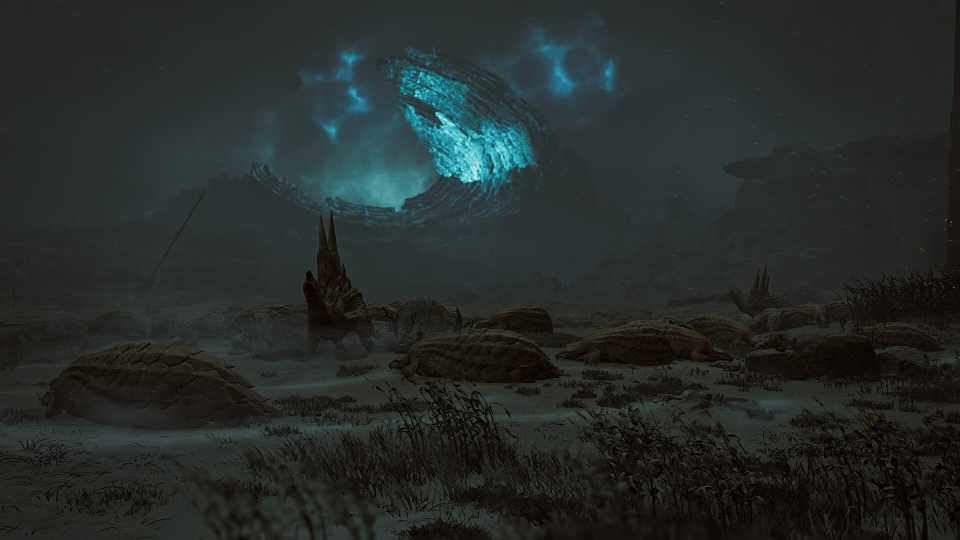
Monster Hunter Wilds' dynamic weather system is another highlight of its open world, and while many other open-world games feature weather systems of their own, Capcom's latest is on an entirely different level. Not only does Monster Hunter Wilds' weather system offer players an unprecedented degree of visual spectacle, but it also directly impacts gameplay more than most open-world weather systems do. This adds yet another layer of unpredictability to its world, in addition to its regular day-night cycles, which can even affect monster behavior.
Some monsters in Monster Hunter Wilds might behave more aggressively during certain times of the day or during specific weather patterns, once again making the game's world feel alive and always on the move.
By embracing a world that is as alive as the creatures that inhabit it, Monster Hunter Wilds offers something that doesn’t just entertain players but immerses them. Its seamless exploration, living ecosystems, and dynamic weather system make up the ingredients for an open-world recipe that other games in the genre should strive to imitate. As developers continue to push the boundaries of open-world design, Monster Hunter Wilds stands as proof that there is still plenty of room for innovation, so long as they are willing to challenge expectations.




 OpenCritic Reviews