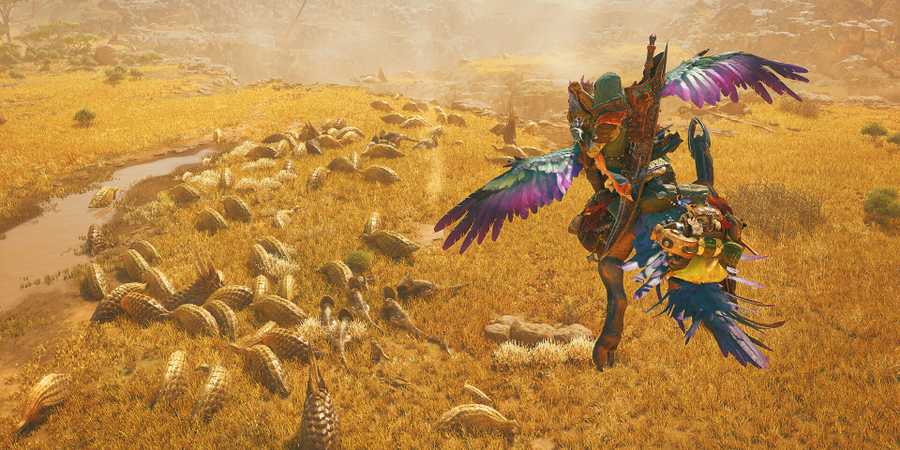
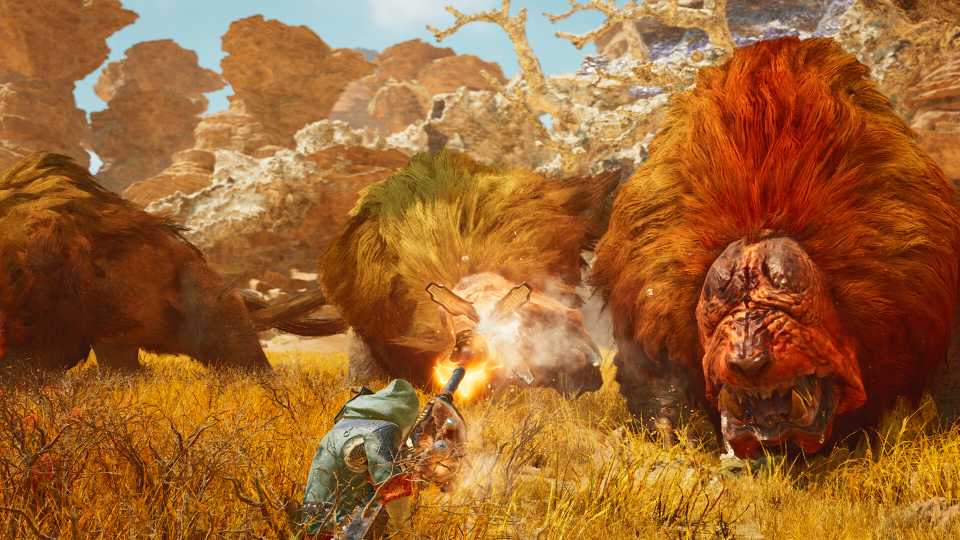
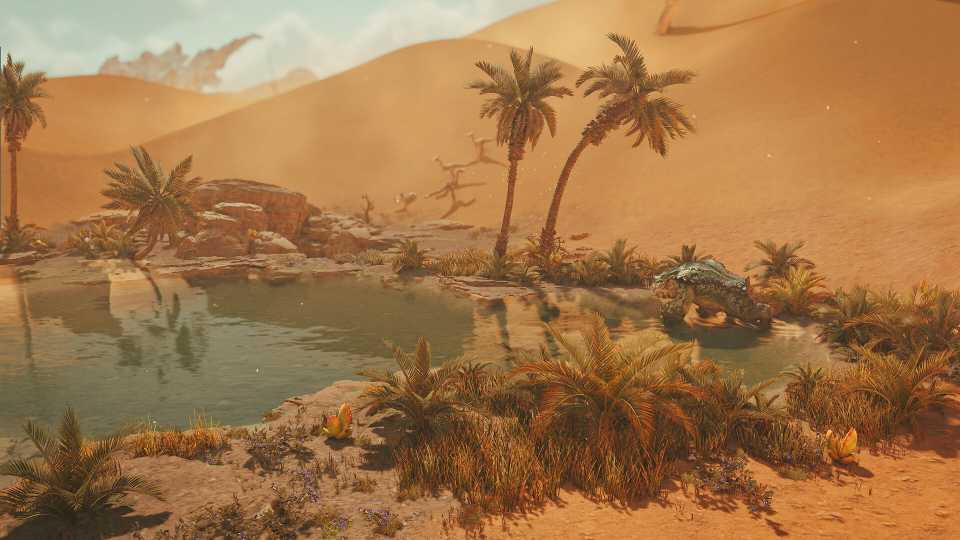
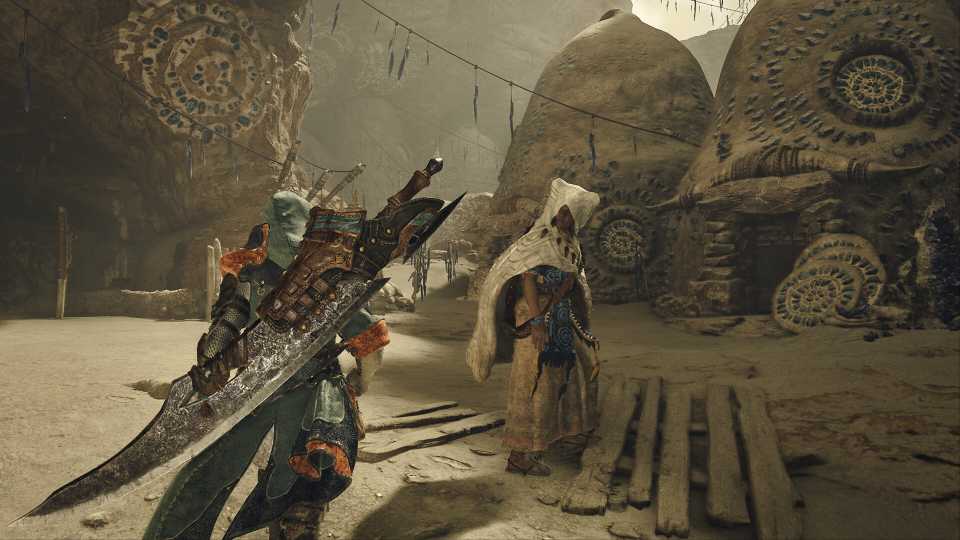
The record-breaking success of Monster Hunter Wilds is a welcome surprise for longtime fans of the series who have watched its steady rise to prominence over the last several years. Formerly a relatively niche franchise that limited most of its mainline entries to handhelds — several of them Japan-exclusive, to boot — the Monster Hunter series experienced its breakout moment with Monster Hunter World, which built upon the goodwill the series had established with the 3DS entries Monster Hunter 3 and 4 Ultimate to deliver the series' most accessible entry to date. Monster Hunter Wilds only continues that push toward accessibility, and its commercial success proves it was the right move for the franchise.
But Monster Hunter Wilds' critical acclaim and substantial commercial success are a more modern phenomenon for the series and a far cry from its much more humble beginnings on PS2. Surprisingly, the original Monster Hunter on PS2 was largely critically panned and a commercial flop in North America, resulting in its sequel remaining Japan-exclusive thanks to the series' far greater commercial success in the region. Since then, the franchise has incrementally gained a strong foothold in the West to become one of Capcom's flagship IP, and the release of Monster Hunter Wilds (and its impressive sales figures) solidifies it as a "full circle" moment for the series.

Monster Hunter Wilds Launch Beat World's in One Big Way
The successful launch of Monster Hunter Wilds beat Monster Hunter World's in a major way, and another record has been set for the franchise.
The Monster Hunter Franchise Has Come a Long Way
Before the arrival of Monster Hunter World in 2018, the Monster Hunter franchise was mostly relegated to Japan-only console releases and handhelds. That focus on handheld play was a calculated shift on Capcom's part, taking advantage of Japan's population density, the popularity of handhelds among Japanese gamers, and readily available access to wireless internet to facilitate co-op play to transform Monster Hunter from a one-off game to a full-blown franchise. Slowly but surely, Monster Hunter started to gain a foothold in the West, but not until later entries like Monster Hunter 4: Ultimate on 3DS made a major commercial splash, setting the stage for Capcom to put the resources behind a brand-new entry developed specifically for home consoles.
Monster Hunter World represented a "lightning in a bottle" moment for Capcom, arriving hot on the heels of the company's successful reinvention of Resident Evil courtesy of Resident Evil 7 and presenting the notoriously hard-to-get-into Monster Hunter series in a much more beginner-friendly package. World's success would only be further cemented in the coming years by thousands of players jumping on the title during the lockdowns of the COVID-19 pandemic, which teed up 2021's Monster Hunter Rise to have similar success, eventually paving the way for Capcom to bring the previously Switch-exclusive game to other consoles and PC.
Monster Hunter Wilds Has Achieved an Important Milestone for Capcom

Despite the impressive success of both Monster Hunter World and Monster Hunter Rise, neither title could have prepared Capcom for what the company had in store with Monster Hunter Wilds. Wilds' reveal at The Game Awards 2023 was one of the main highlights of the show, resulting in a year of hype that had the surprising side effect of boosting player counts for older games in the series. It was obvious that fans were hungry for more Monster Hunter, and Monster Hunter Wilds was primed to see the series achieve its greatest success yet.
Monster Hunter Wilds has now broken a very important record for Capcom, becoming the studio's fastest-selling game by reaching a staggering 8 million units in sales in just 3 days. To put it in perspective, it took Monster Hunter World nearly 5 months to achieve similar sales, which signals Monster Hunter Wilds as the true moment when the series made its full switch from being a commercial and critical failure to being one of Capcom's most important franchises. Wilds' success is well-earned and proves that Capcom's investment in the franchise was a worthwhile strategy that will continue to pay off in the future.




-
 OpenCritic Reviews
- Top Critic Avg: 89 /100 Critics Rec: 95%