


The Last of Us is peppered with nail-biting gameplay sequences where players either defend themselves against infected and humans or evade such enemies, wielding the environment and an assortment of crafted items to do so. There is rarely an instance where having a bottle or a brick on hand in The Last of Us isn’t advised or advantageous, and players who take the time to meticulously search their surroundings will have many more resources than those who don’t. But, while The Last of Us excels in all of these moments, Part 1 in particular naturally feels inferior to Part 2 now with everything the sequel introduces to the series.

How The Last of Us’ HBO Show Can Immersively Portray the Game’s Combat
The Last of Us has nuanced combat mechanics with bricks, bottles, shivs, and other diverse melee instruments that should play a role in the HBO show.
The Last of Us Part 1’s Gameplay is Slow at the Best and Worst of Times
Considering how much Part 2 extrapolates on Part 1’s gameplay, Part 1 is incredibly elementary in comparison. Part 1’s action/stealth encounters are sandwiched between lengthy walking sequences that help to establish relationships between characters as players loot environments for resources, ammo, and manuals.
Perhaps the biggest strain on gameplay in Part 1, some sections can’t help but feel dogged, regardless of how crucial they are to developing characters in-game; for example, if not for these slower beats, players might not have easily acknowledged Ellie’s fluctuating body language throughout the game.
The Last of Us’ opening in Boston following the prologue is decidedly slow with much-needed worldbuilding as players are introduced to Tess, Ellie, and Marlene, and it’s not until Bill finds Joel and Ellie in Lincoln that Part 1 begins to tighten its pacing. That said, a big component of why these sections may feel sluggish is because of the restriction on players’ movement.
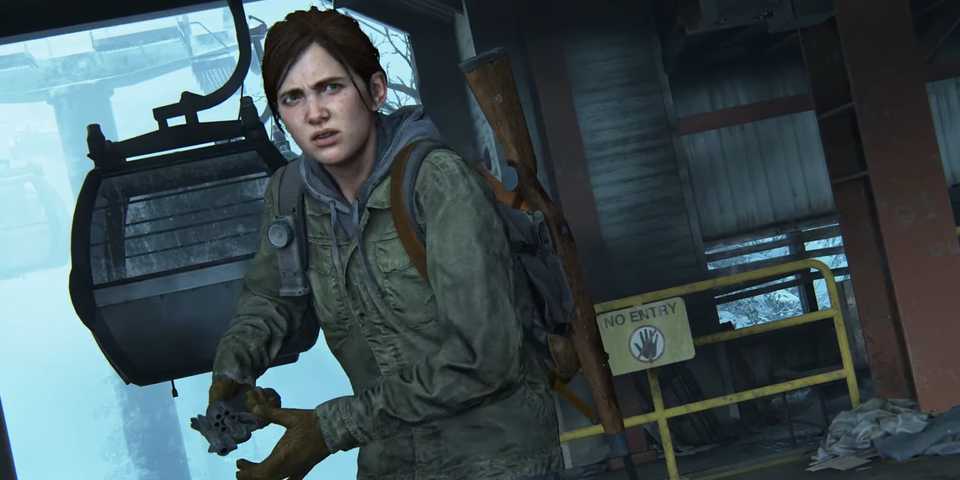
Joel is constantly leashed to a light jog, like when Tommy escorts him through the power plant, and even in gameplay sequences where players can move freely there is an egregious ‘jump’ interaction players can initiate on gaps and ledges. Jumping doesn’t seem intended as an actual mechanic but rather an unprompted traversal method, especially while navigating ventilation shafts in the Salt Lake City tunnel, and it, along with dragging Ellie around on wooden palettes and having to hoist planks and ladders, contributes greatly to such languid movement.
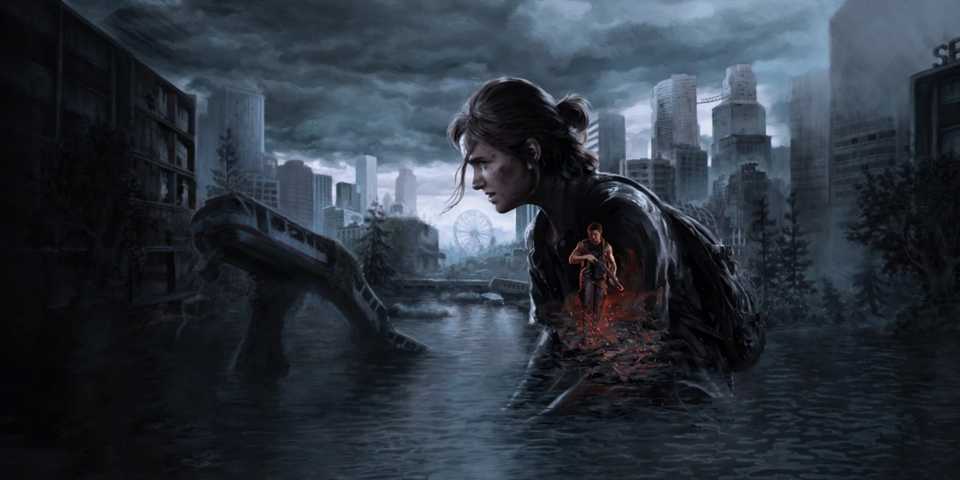
The Last of Us Part 2’s Gameplay Being So Superior Can’t Be for Nothing
Many of Part 1’s gameplay blemishes could be forgiven if not for Part 2 basically rewriting the book on how players interact with the world of The Last of Us. Such improvements and changes include:
- An actual jump mechanic with a more satisfying animation that is used in a lot of regular traversal.
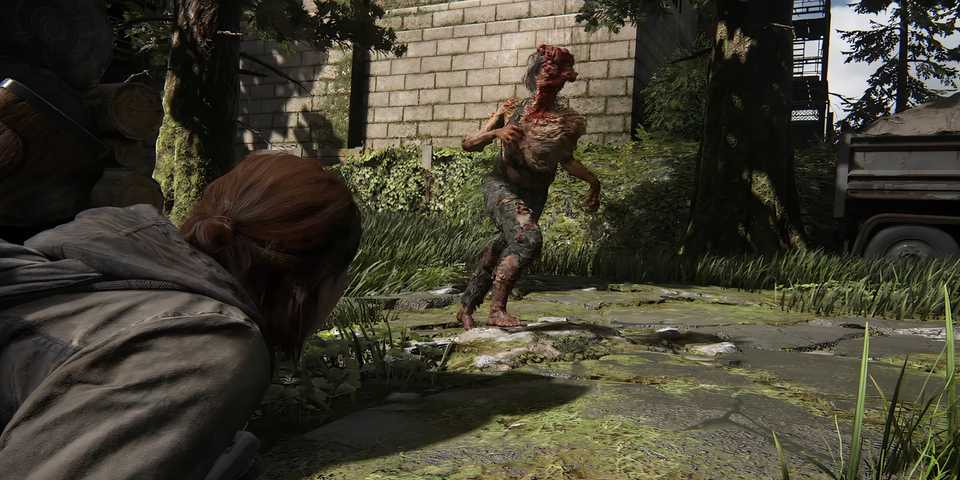
- Prone crawling to navigate beneath obstacles or through narrow passageways and hide in foliage.
- A rope mechanic that allows players to ascend, descend, and swing across chasms.
- A dodge mechanic (perhaps the most impactful addition to gameplay in Part 2), necessitated by melee combat being more exchange- and grapple-heavy.
- A squeeze-through mechanic that lets players flee precarious environments or sneak by undetected via narrow passageways.
- Safes are now manually unlocked, and their solutions aren’t all as trivial as finding a nearby note with a combination code written on it; instead, some combination codes are discerned by solving environmental puzzles.
- Glass can be shattered, whether on windows, displays, or vending machines, in order to enter environments, loot resources and ingredients, or lure enemies.
None of these gameplay changes are necessarily exciting or fantastic on paper, but they become so seamless and wonderful because of how well they blend into The Last of Us’ realism.
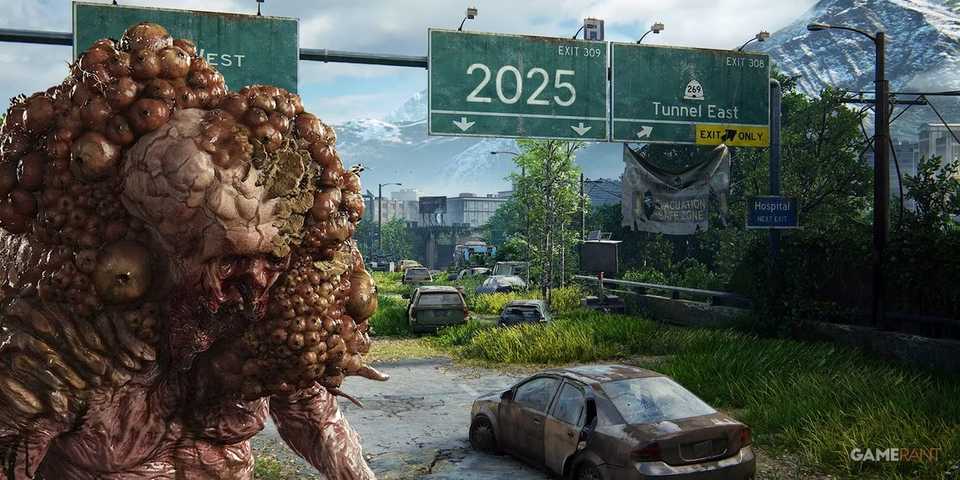
The Last of Us obviously has a hefty dose of science fiction in its DNA given that players contend with the mutated horrors of the Cordyceps fungus (based on a real disease affecting ants), but there is nothing exaggerated about the way players move around the ruins of society and reach their destinations more than two decades after the outbreak occurred. It would be unfortunate now if no Last of Us Part 3 ever came to fruition because Part 2’s gameplay is a massive evolution on interactivity, progression, and traversal design choices, and seeing how those could be inherited or iterated on by a third game would be terrific.


-
 OpenCritic Reviews
- Top Critic Avg: 89 /100 Critics Rec: 90%
- Released
- January 19, 2024
- ESRB
- M for Mature: Blood and Gore, Intense Violence, Nudity, Sexual Content, Strong Language, Use of Drugs
- Developer(s)
- Naughty Dog
- Publisher(s)
- Sony Interactive Entertainment







WHERE TO PLAY


- Engine
- Proprietary Engine
- Franchise
- The Last of Us
- PC Release Date
- April 3, 2025
- PS5 Release Date
- January 19, 2024
- Genre(s)
- Action-Adventure
- Platform(s)
- PlayStation 5
- OpenCritic Rating
- Mighty
- PS Plus Availability
- N/A
