


Summary
- Kingdom Come: Deliverance 2 focuses on historical accuracy for realism and immersion.
- The historically accurate city design offers educational value for players.
- Gameplay limitations may arise due to realistic city layouts, potentially affecting accessibility and pacing.
Kingdom Come: Deliverance 2 is nearly here, already showing clear signs of remaining true to the formula established by its predecessor, which prides itself on medieval authenticity. Like the first game, Kingdom Come: Deliverance 2 desires to transport players to medieval times, offering an experience that might be the closest thing yet to actually being there.
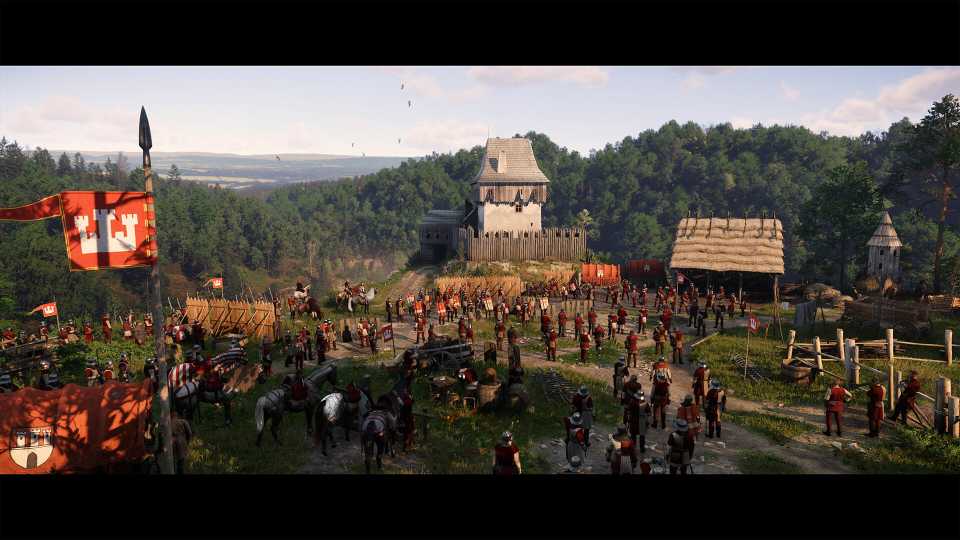
Effectively following in the footsteps of its predecessor, Kingdom Come: Deliverance 2 is pulling out all the stops to be as historically accurate as possible, and that comes down to its representation of 15th-century Bohemia. Arguably, this is all but necessary, as a significant portion of the praise garnered by the first Kingdom Come: Deliverance targeted its ability to provide one of the most authentic medieval experiences yet. However, in Kingdom Come: Deliverance 2's pursuit of historical accuracy — namely, when it comes to its cities — it may find both a blessing and a curse awaiting it at the end of the rainbow.
Kingdom Come: Deliverance 2's Historically Accurate City Design Has Its Ups and Downs
Kingdom Come: Deliverance 2's Historically Accurate Cities Increases Realism and Immersion
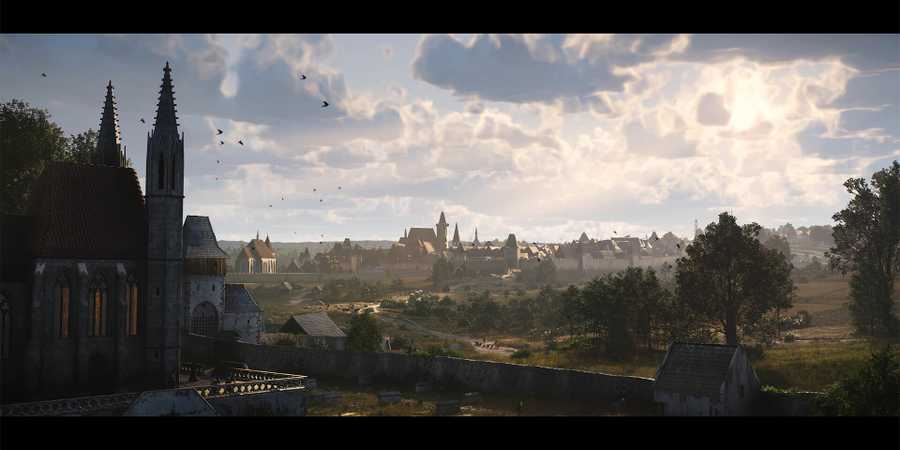
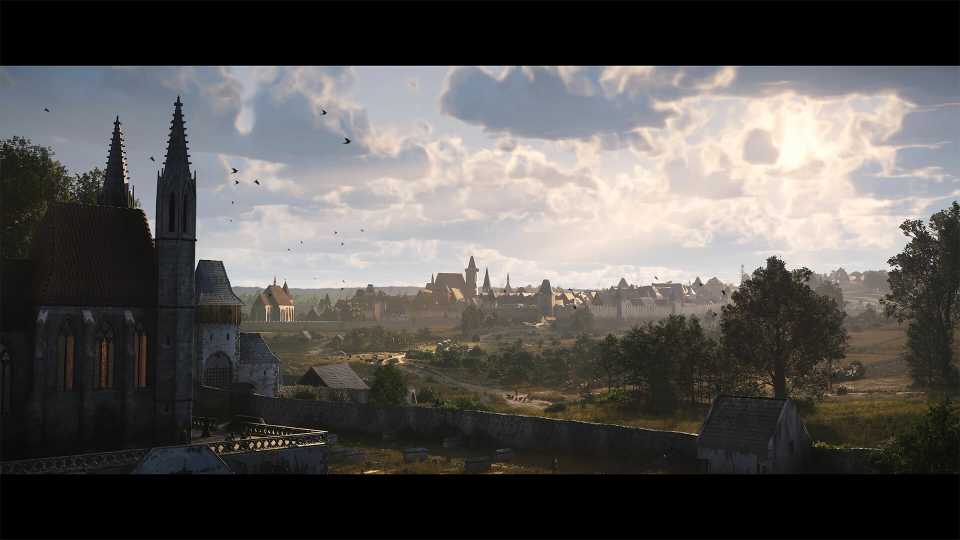
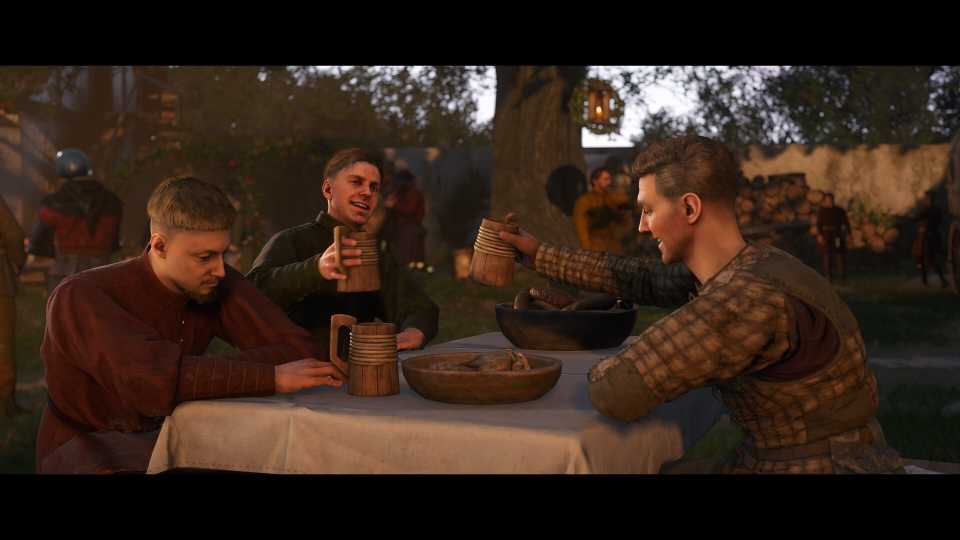
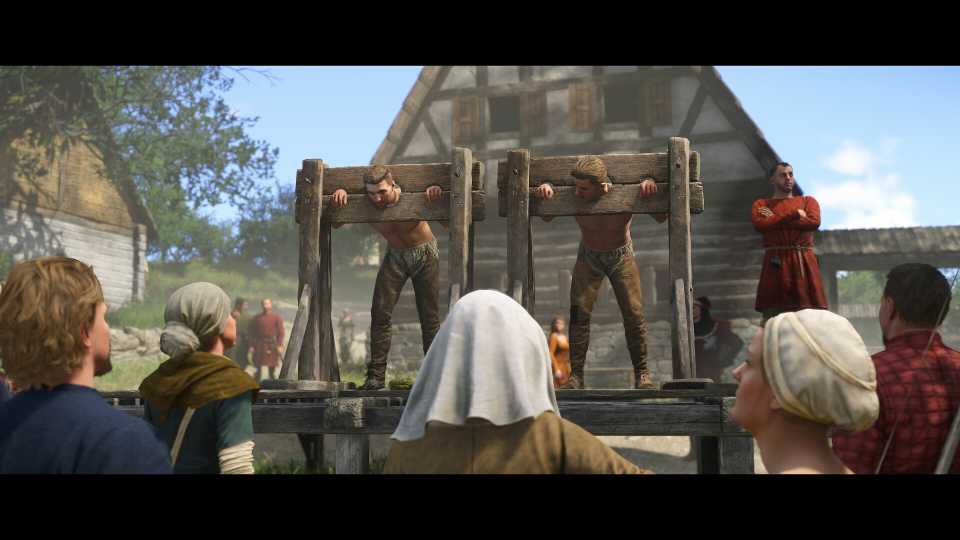
The clearest benefit to Kingdom Come: Deliverance 2 designing its cities to be as historically accurate as possible is the realism and immersion it will undoubtedly contribute to the game. If the sequel is anything like its predecessor — and it certainly already seems that way, as Kingdom Come: Deliverance 2 is not only a standalone title but might as well be considered a remake — this historical accuracy will be at the top of the list of its praises once the final assessment of the game begins. That being said, Kingdom Come: Deliverance 2's enhanced visuals and scope could potentially make those praises sing even louder this time around.
Beyond the immersion factor that Kingdom Come: Deliverance 2's historically accurate cities contribute to the game's authenticity is the educational value offered by their commitment to realism. With cities that are designed to accurately reflect 15th-century Bohemian city life, players can learn more about medieval urban environments, societal structures, and the daily life of each city's occupants. For instance, understanding the hierarchical organization of cities, with wealthier districts at the center and poorer areas near the walls, helps to provide context to the social dynamics of the period. In the end, this makes Kingdom Come: Deliverance 2, like its predecessor, help players to feel like they are actually stepping into medieval times and getting firsthand experience of the world.
Kingdom Come: Deliverance 2's Historically Accurate Cities Present Gameplay Limitations
While Kingdom Come: Deliverance 2's historically accurate cities are bound to offer unprecedented realism and immersion, however, designing in-game cities in such a way can present gameplay limitations, especially for those looking for a more casual experience in the sequel (which the predecessor largely strayed from). Since medieval cities often had narrow, winding streets, especially in poorer areas near the walls, it can make navigation in the game a bit more challenging for players, and this will likely be doubly true if Kingdom Come: Deliverance 2's map isn't designed to be thoroughly accessible.
The clearest benefit to Kingdom Come: Deliverance 2 designing its cities to be as historically accurate as possible is the realism and immersion it will undoubtedly contribute to the game.
Furthermore, putting essential services like merchants, blacksmiths, and quest objectives in distant or less accessible parts of the city could potentially lead to some players getting bored with the monotony of traveling from one side of a city to another. All of this said, this is nothing new in the realm of Kingdom Come: Deliverance, as the first game had similar features and veterans may therefore be perfectly fine with the layout of things in the sequel. The most recognizable difference may come down to size in Kingdom Come: Deliverance 2, as the scale of the sequel's cities may make its commitment to historical accuracy too much for new players to bear.
Ultimately, Kingdom Come: Deliverance 2 builds upon its predecessor's legacy by doubling down on historical authenticity, especially in its city design. However, while this will undoubtedly enhance the game's immersion, realism, and educational value, it also poses challenges for gameplay accessibility and pacing. Whether the sequel strikes the right balance here will likely determine how well it is received by new players, though veterans likely already know what to expect. Nevertheless, in the end, Kingdom Come: Deliverance 2 is set up to provide an experience that is as demanding as it is rewarding, effectively blurring the line between video game and historical re-creation.


Kingdom Come: Deliverance II



-
 OpenCritic Reviews
- Top Critic Avg: 89 /100 Critics Rec: 95%
- Released
- February 4, 2025
- ESRB
- Mature 17+ / Use of Alcohol, Blood and Gore, Sexual Content, Strong Language, Intense Violence, Partial Nudity
- Developer(s)
- Warhorse Studios
- Publisher(s)
- Deep Silver





WHERE TO PLAY




- Engine
- CryEngine
- Number of Players
- Single-player
- Steam Deck Compatibility
- Playable
- PC Release Date
- February 4, 2025
- Xbox Series X|S Release Date
- February 4, 2025
- PS5 Release Date
- February 4, 2025
- Platform(s)
- PlayStation 5, Xbox Series X, Xbox Series S, PC
- Genre(s)
- RPG, Action-Adventure, Open-World
- X|S Optimized
- Yes
