


Summary
- Superman's upcoming movie aims to revive interest in superhero films by emphasizing his relatable struggles.
- The film cleverly markets Superman as a flawed hero, challenging the misconception that he is impervious.
- James Gunn's portrayal of a vulnerable Superman has reinvigorated excitement among general audiences.
James Gunn's Superman movie has a lot riding on its success. After all, it's attempting to kickstart not just a new phase of cinematic DC storytelling in the form of the DCU, but also a renewed interest in superhero movies at large. The fact that the film is doing all of this with a character whose last true-blue success with a feature-length film was all the way back in 1981 has put even further pressure on the film to succeed. Can Superman become a four-quadrant blockbuster smash, convert the naysayers, and launch the DCU with aplomb? If the ingenuity of its trailers is to be believed, it might. Despite what some fans seem to believe, making the fact that Superman does get hurt and struggles an integral part of Superman’s marketing is an ingenious idea.
The problem that the majority of general audiences claim to have with Superman is that he isn't relatable. The lazy, shorthand, default explanation for why Superman simply doesn’t resonate with audiences anymore is that he is an impervious, god-like character who doesn’t struggle with anything. But that reading is fundamentally wrong, and presents a misunderstanding or failure to engage with the essential literature that has defined Superman over his near-century of existence.

'It's Honestly More Trouble Than It's Worth' David Corenswet Reveals A More Complex Relationship Than Fans Expect
Despite the way the film has been promoted, Superman's best friend won't be quite as helpful as fans expect in the upcoming reboot film.
The Origins of Superman

The character of Superman was originally created by writer Jerry Siegel and artist Joe Shuster, and debuted in Action Comics #1, all the way back in April 1938. From his very debut, the purpose of Superman was not to isolate audiences from him, but to rally them together around him. In a time of immense strife and struggle, when the world was in the depths of the Great Depression and on the brink of World War II, Superman was a beacon of hope. He was an aspirational embodiment of the fundamental goodness of humanity that everyone could relate to quite deeply.
Siegel and Shuster were both Jewish immigrants who came to America as outsiders. To this end, Superman was the pinnacle of the American dream. As Siegel so famously wrote in that very first comic book featuring the character:
“Superman! Champion of the oppressed. The physical marvel who had sworn to devote his existence to helping those in need.”
Superman wasn’t created to be some objective, all-powerful, god-like being, but rather just a hero capable of saving those in need. Shortly before the creation of Superman, Jerry Siegel’s father was killed by a rogue gunman in a bank robbery. Many of those closest to Siegel, including his wife, maintain that some of the earliest sketches of Superman featured the character thwarting a bank robbery and saving the potential victims in the line of fire. As such, Superman wasn’t made super to separate him from the everyday people, but rather to allow him to be closer to everyday people.
The Backlash to Superman

In the decades that followed Superman’s creation and stratospheric rise to fame, he became ingrained in pop culture in a way that few other fictional characters ever have. The character’s presence became so ubiquitous that a backlash of sorts was all but inevitable. This response came not only in the form of the character’s declining popularity, but also in the form of numerous counter-cultural responses to the character in literary form.
This has never been more obvious than it is today. Take a look around at other modern superhero-themed media like Invincible, The Boys, or even Thunderbolts. All of them have a riff on Superman, in which an all-powerful character is painted as objective, uncaring, and disassociated from the people whom he views as beneath him. After a time, these traits became conflated with Superman as well, and things only got messier over the last decade.
Zack Snyder’s live-action Superman films, such as Man of Steel and Batman v. Superman: Dawn of Justice, portrayed the character in a similar way to many of these counter-cultural responses to the original character’s creation. Snyder’s Superman was an uber-masculine and muscular figure, much like many of the filmmaker’s other protagonists, who shied away from overt displays of emotion. As a result, huge swaths of audiences found this depiction of the character to be cold and calculating rather than inspiring. He was a god-like figure with little care for any human lives outside his immediate circle of friends and family. All of this only further contributed to the dissonance between who Superman originally was as a character, and how audiences now perceived him.
A Hurt Superman is a Hopeful Superman

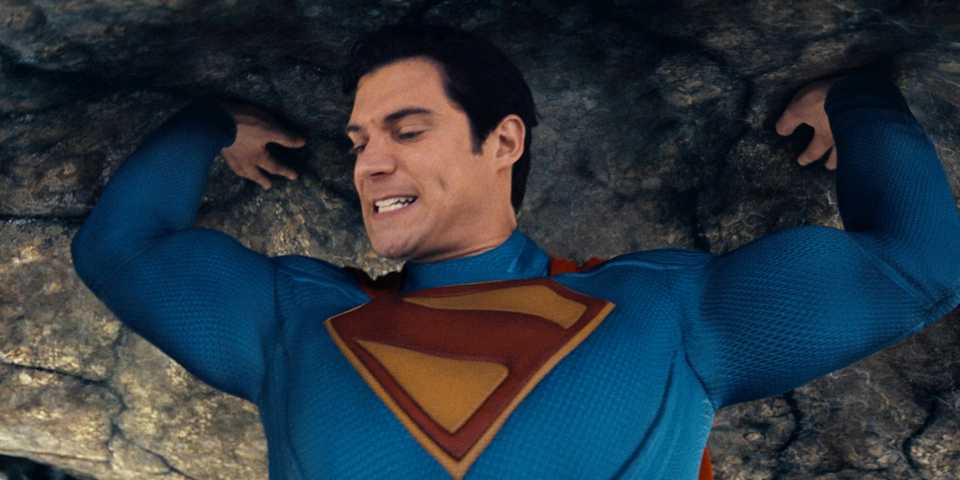
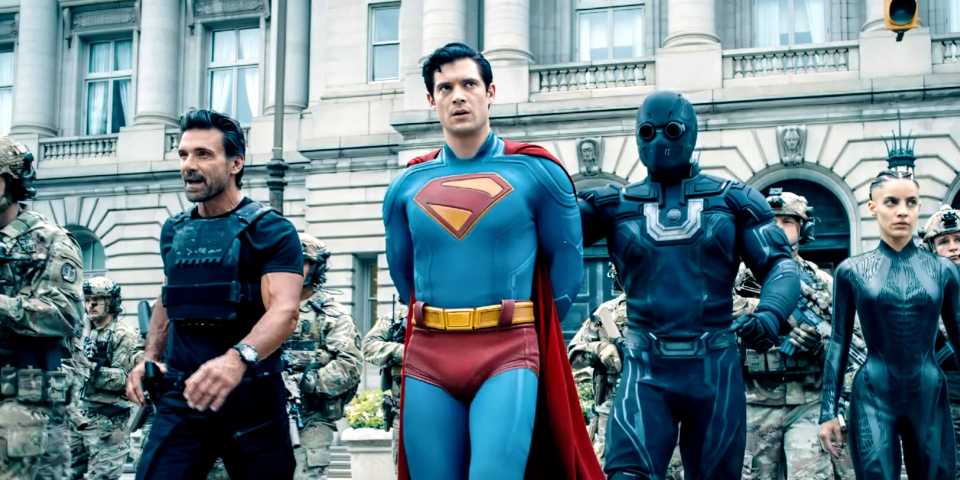
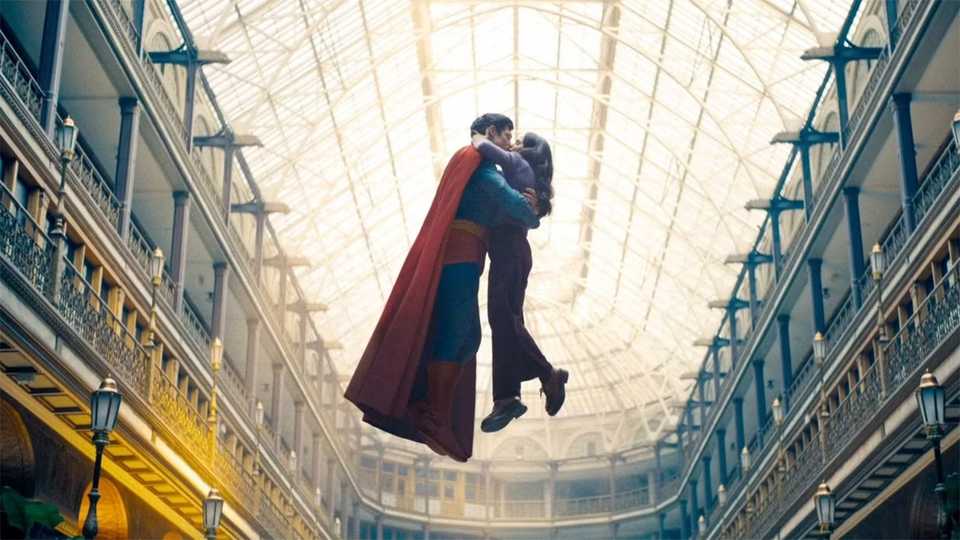
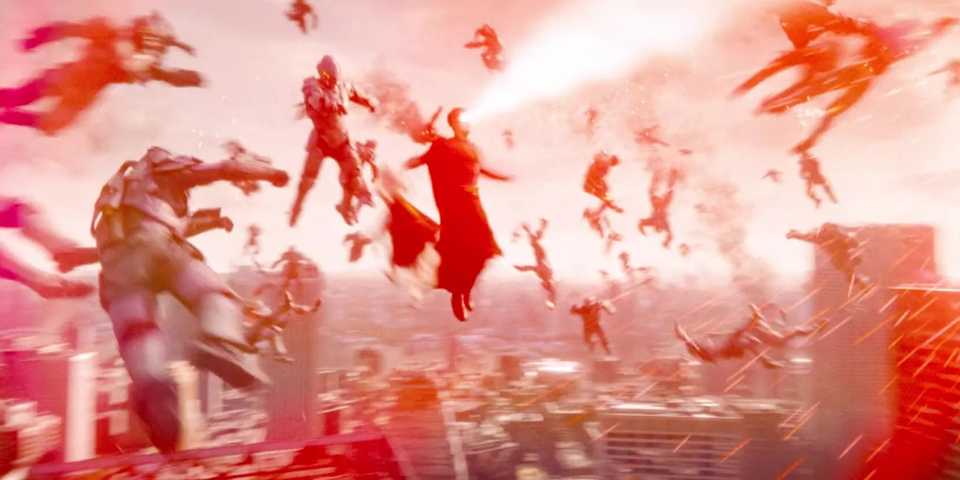
All those reasons are why it's a stroke of brilliance that James Gunn made sure that the first images audiences saw of his version of Superman did not show some cold, unstoppable machine, but of an injured man, invested in protecting others even if it comes at a great cost. Some fans have been quick to decry Gunn’s version of the character being showcased in this way, or the fact that the latest trailer shows him asking for help from the likes of Krypto and several robotic lifeforms in the Fortress of Solitude before receiving a direct dose of pure yellow sunlight to help heal him.
If one is a Superman fan (as Ben Shapiro claims to be), then surely one is aware that this ground has been covered several times over in the comics over the course of decades, right? Tons of the imagery and events depicted in Superman’s marketing thus far have been lifted directly out of classical influences like the Fleischer Superman cartoons of the 1940s and modern influences like Grant Morrison’s All-Star Superman. This isn’t really anything new for true-blue fans of the character. But more importantly, for modern general audiences, it is.
By foregrounding Superman as a fallible man who can — and does — get severely injured in attempting to save innocent lives, Superman has been able to cut through this faux perception of the character. For the first time in a long time, general audiences are excited about a new Superman movie. That’s all because the film’s marketing has gone out of its way to shine a spotlight on the true essence of the character.

- Release Date
- July 11, 2025
- Runtime
- 130 minutes
- Director
- James Gunn


Cast
-
 David CorenswetSuperman
 -
 Rachel BrosnahanLois Lane

WHERE TO WATCH
- Writers
- James Gunn, Joe Shuster, Jerry Siegel
- Producers
- Peter Safran
- Franchise(s)
- DCU
