


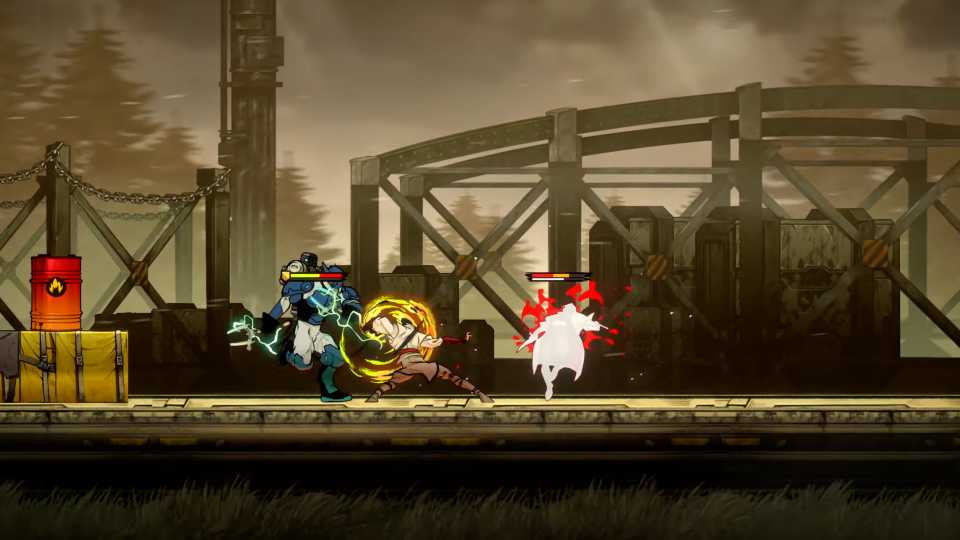
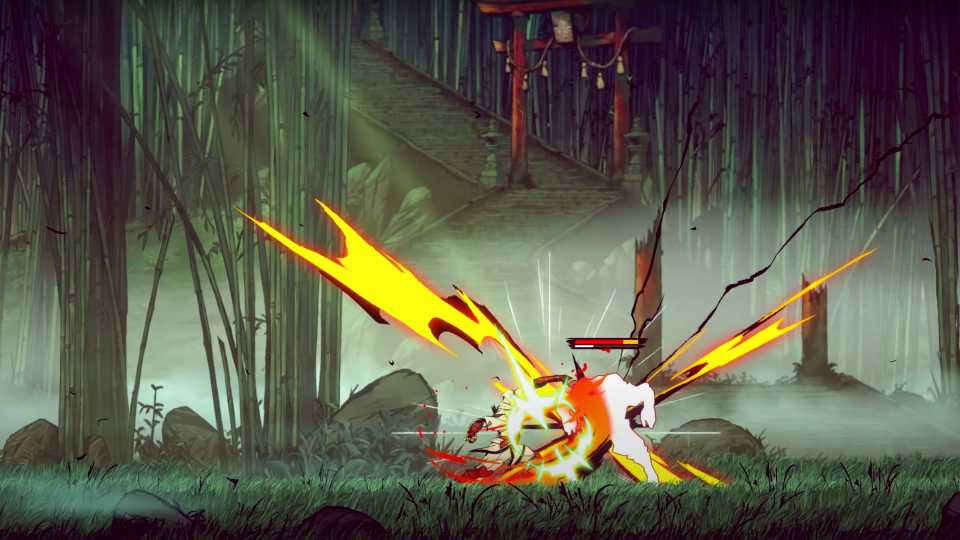
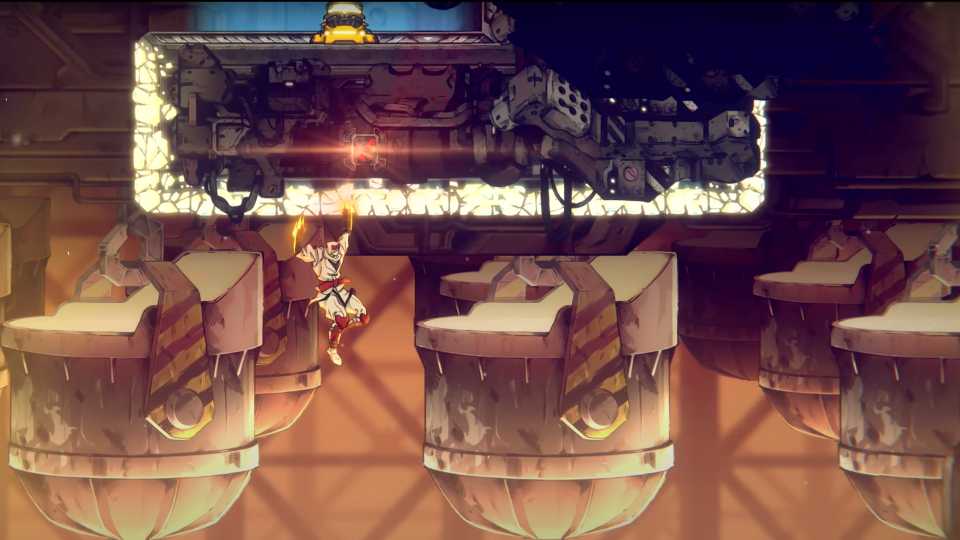
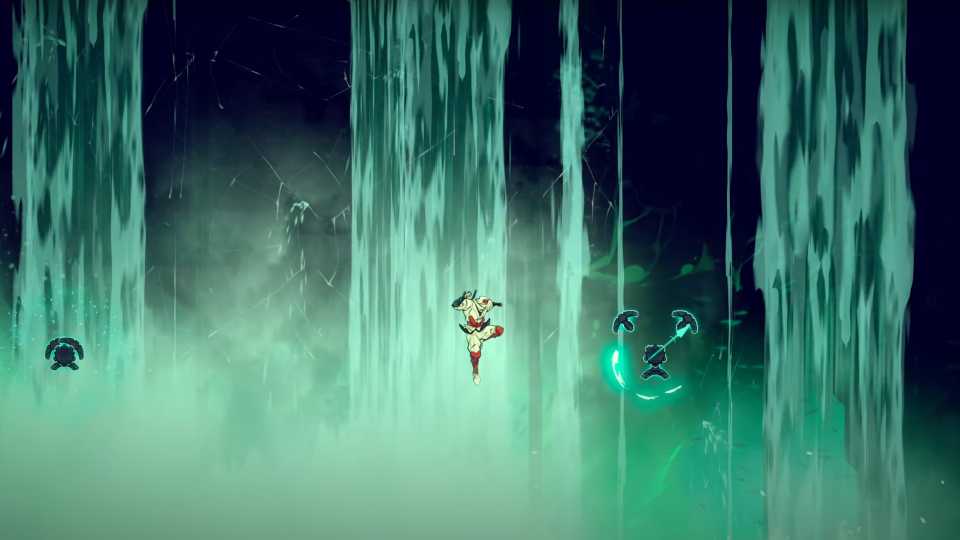
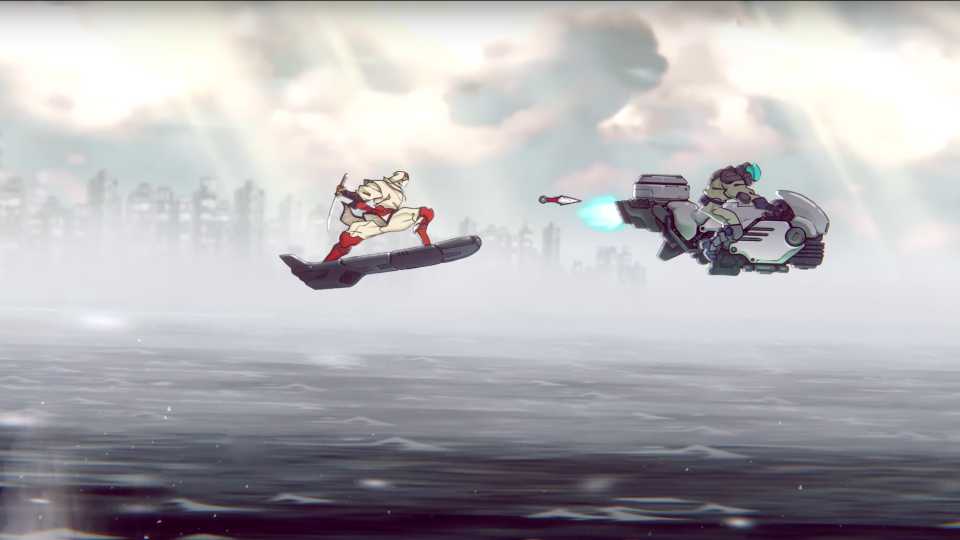
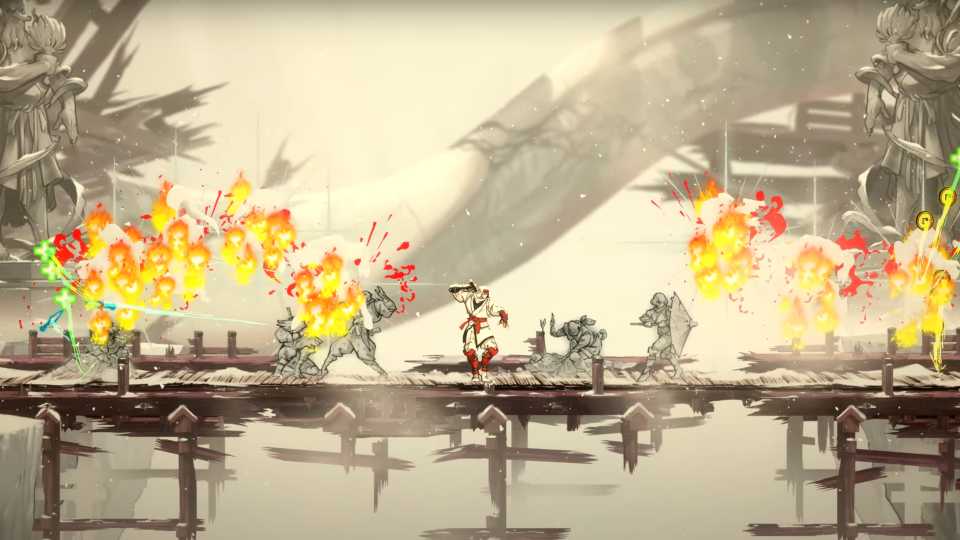
Shinobi: Art of Vengeance is bringing Sega's long-dormant hack-and-slash ninja series back in a big way. Not only will Shinobi: Art of Vengeance honor what worked in past titles, but it'll package in some new flair—including a beautiful hand-drawn 2D style.
The Shinobi series of games began life in arcades before hitting Sega's home consoles, and the most popular games in the franchise scratch the era's itch with some punishing hack-and-slash action. Shinobi: Art of Vengeance is a return to these roots, with a helping of more modernized 2D platformer gameplay, and fan art surprisingly played a role in this renaissance. The Best War Games recently sat down with members of the Lizardcube team (co-developers alongside Sega), including CEO and art/creative director Ben Fiquet, to discuss the inception of Art of Vengeance and the role fan art played in this development.

Shinobi: Art of Vengeance is a Timely Answer to Ninja Gaiden's Comeback
The surprise announcement of a 2D Shinobi reboot is perfectly timed to position it against this year's Ninja Gaiden: Ragebound.
The Role of Fan Art In Shinobi: Art of Vengeance's Development
Fans will already be well aware of the long gaps between entries in the franchise, with Art of Vengeance coming off the heels of the longest hiatus yet. Shinobi saw far greater output in the decade following its inception. Shinobi's original gameplay and arcade trappings, while important to its appeal, have been a particular double-edged sword when it comes to maintaining relevance in a shifting industry. However, those roots are still important. Lizardcube started there, looking at all the original gameplay, artwork, and stylistic decisions of the earliest franchise entries, but then it made a lateral move to determine what the franchise exactly meant to fans.
Early in the development of Shinobi: Art of Vengeance, Lizardcube sought out fan works to remain faithful to the IP. The value in fan art is that it shows more of what the fandom thinks of the IP, and leaning into that helped Fiquet make key decisions when it comes to the art and direction of the game. As Fiquet said,
"For each of our games, we dive deep into the source materials, past artworks, interviews or making of. But we also take a lateral step and look at the fan art and the expanded lore; it provides a very insightful glance at what these games mean to the players throughout the years."
While Fiquet didn't cite any specific examples, the use of fan art says a lot about how Shinobi: Art of Vengeance's combat, gameplay, and artwork came to be. As Fiquet described, this is indeed something of a "lateral" approach and allowed the team to see the franchise through the eyes of those who love it most. Contrasting the intentions of developers against the perception of fans will create a clear Venn diagram for any series, with the overlapping areas being primed for instances of successful design. Meanwhile, the more emergent area—where fans find value never imagined by devs—could signal new areas to emphasize. It's important for devs to take on criticism and feedback, but it's also important to see what areas worked as intended, creating an anchor point so that the core design doesn't stray.






-
 OpenCritic Reviews
- Top Critic Avg: 87 /100 Critics Rec: 94%




WHERE TO PLAY




- Genre(s)
- Action, Platformer, Hack and Slash
