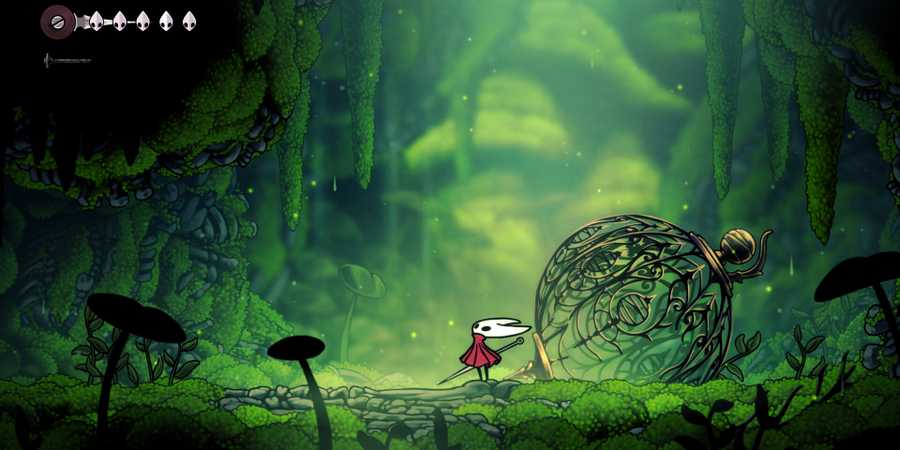
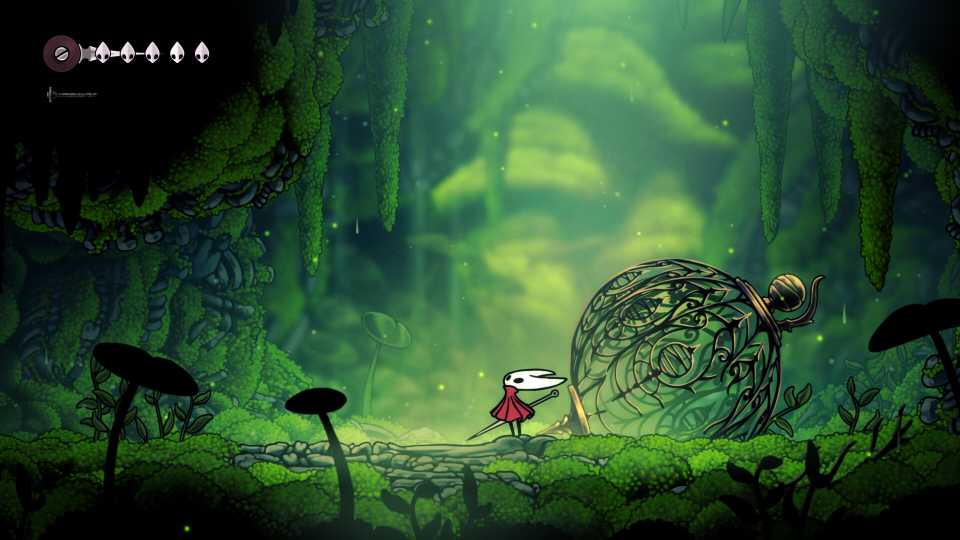
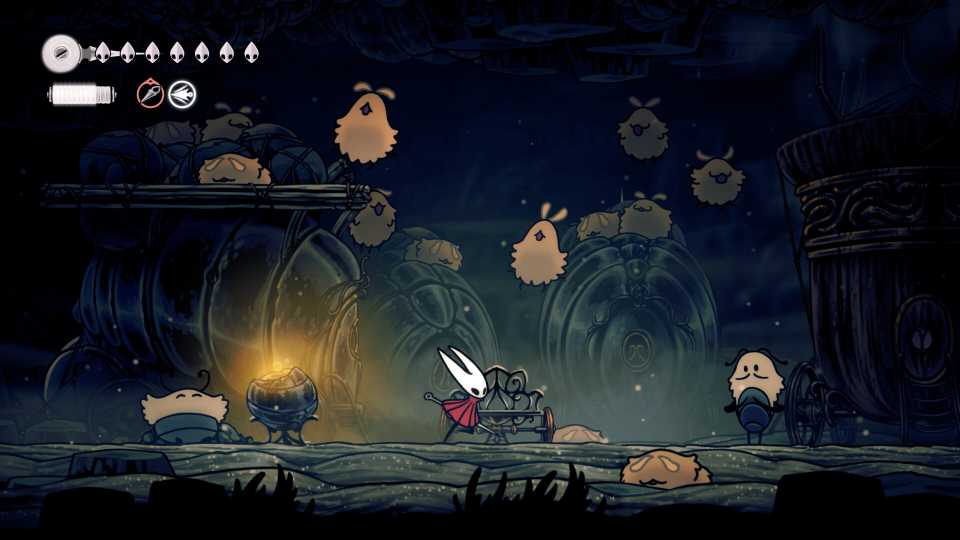
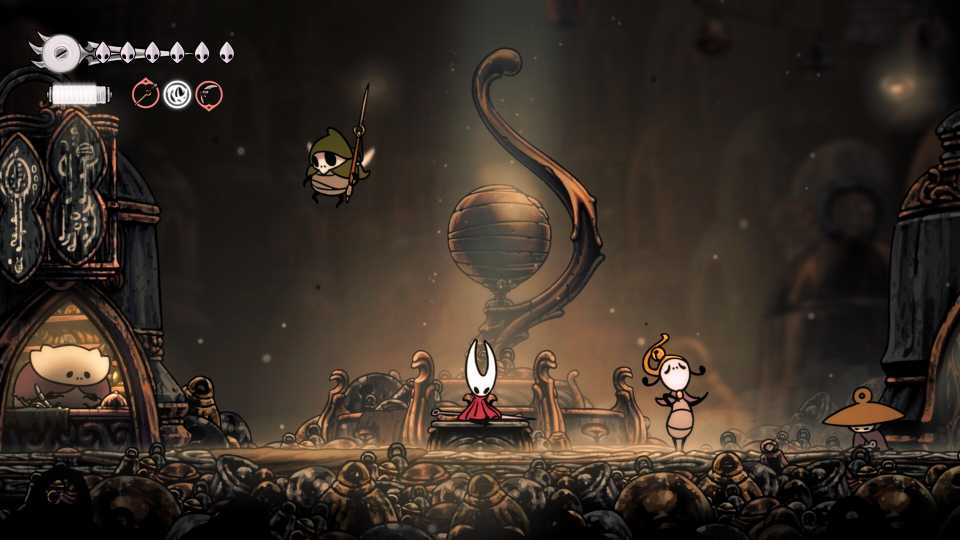
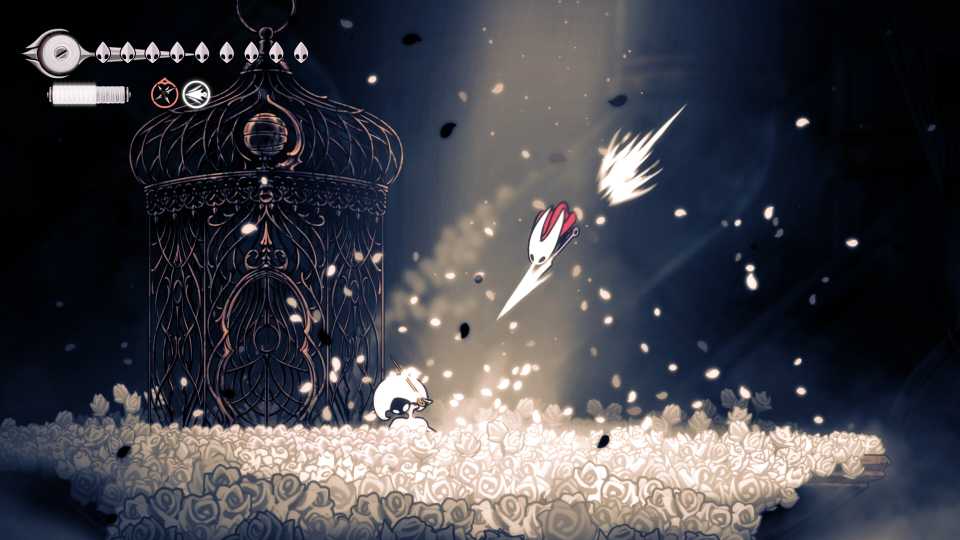
Arguably the best part of Hollow Knight: Silksong is its willingness to embrace radical change and growth. Following a game as seminal, respected, and popular as the original Hollow Knight, Silksong could have easily gotten away with just giving audiences more of what they wanted. Instead, Team Cherry chose to make significant steps forward in terms of story and design, and Hollow Knight: Silksong is all the better for it.
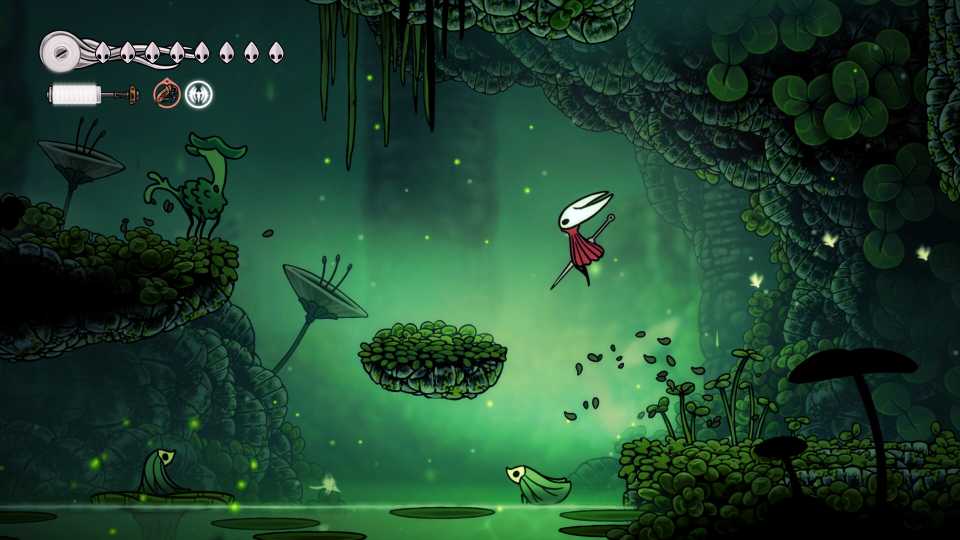
There are many clear differences between Hollow Knight: Silksong and its predecessor—differences that audiences saw coming ahead of launch. For instance, the game's focus on acrobatics and fluid movement was foretold by Hornet's traversal abilities in the first Hollow Knight, as well as Silksong's gameplay trailers. Similarly, it was somewhat obvious that Silksong's narrative presentation would be distinct from that of the first game, since Hornet is a more well-defined character who can actually speak to NPCs, in contrast to the first game's silent protagonist. But there are even greater mechanical distinctions still, and the more subtle design choices ought not to be overshadowed by the comparatively flashy and dramatic ones.
How Hollow Knight: Silksong Weaves Environment Design Into Combat

Environmental Manipulation Helps Elevate Silksong's Combat Sandbox
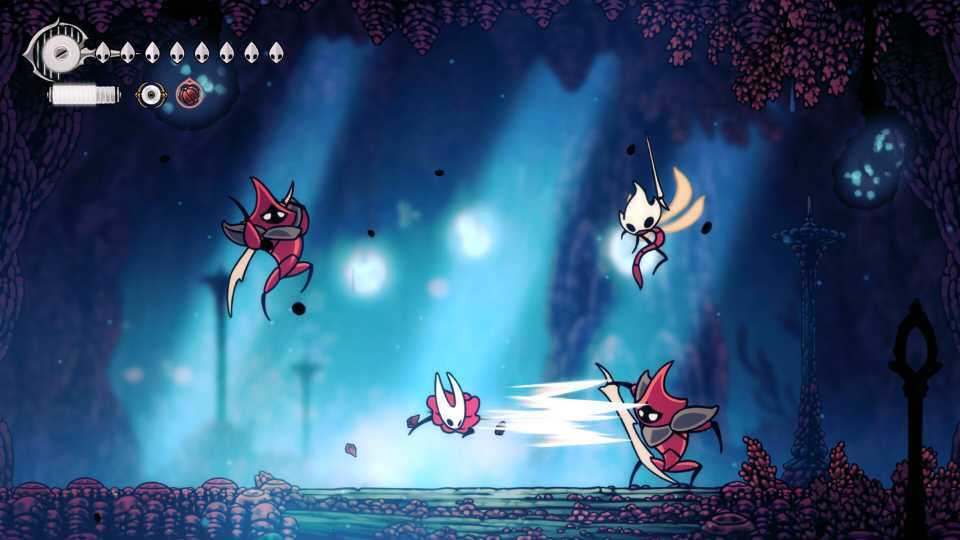
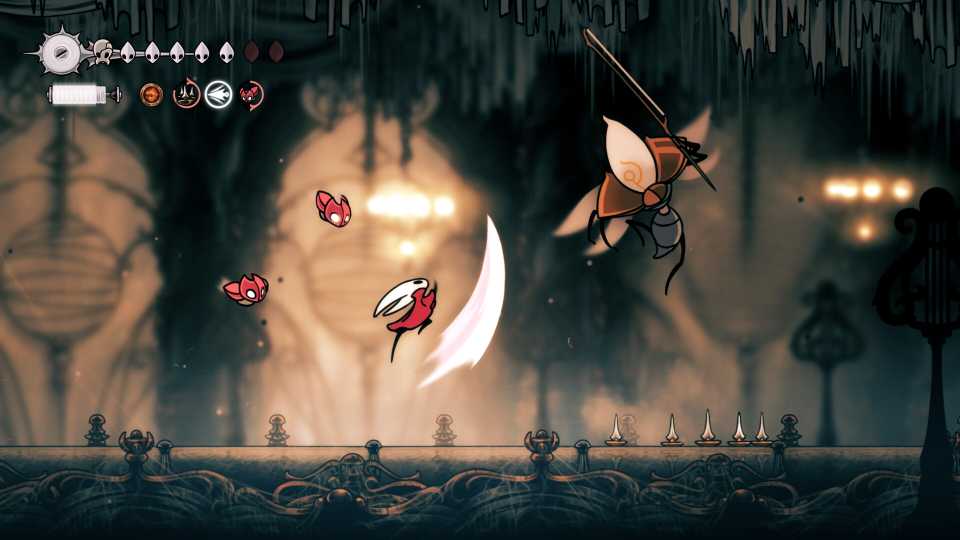
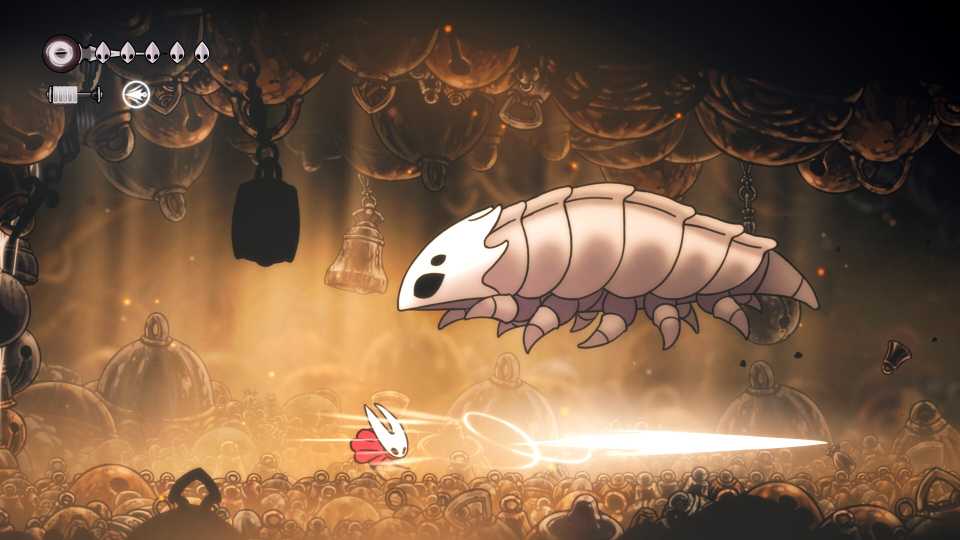
As many have already discussed, Hollow Knight: Silksong's combat is a considerable leap forward from the first game. Hornet has a far wider arsenal of weapons and skills, and her acrobatic movement often lends battles a ballet-like elegance, with momentum and style uncharacteristic of encounters in the first Hollow Knight. Indeed, Silksong's combat is a marked improvement over that of its predecessor, and the game's other most important pillar, level design, serves to buttress it.
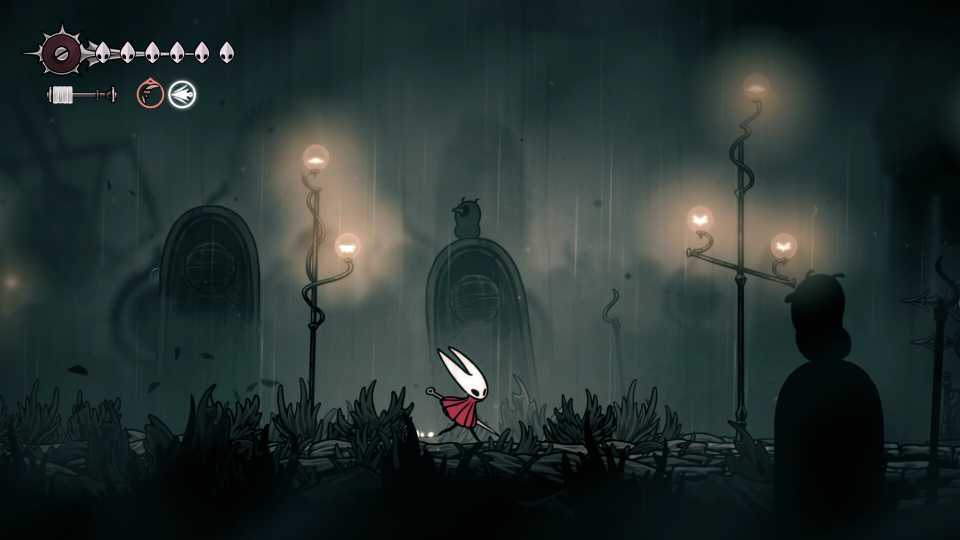
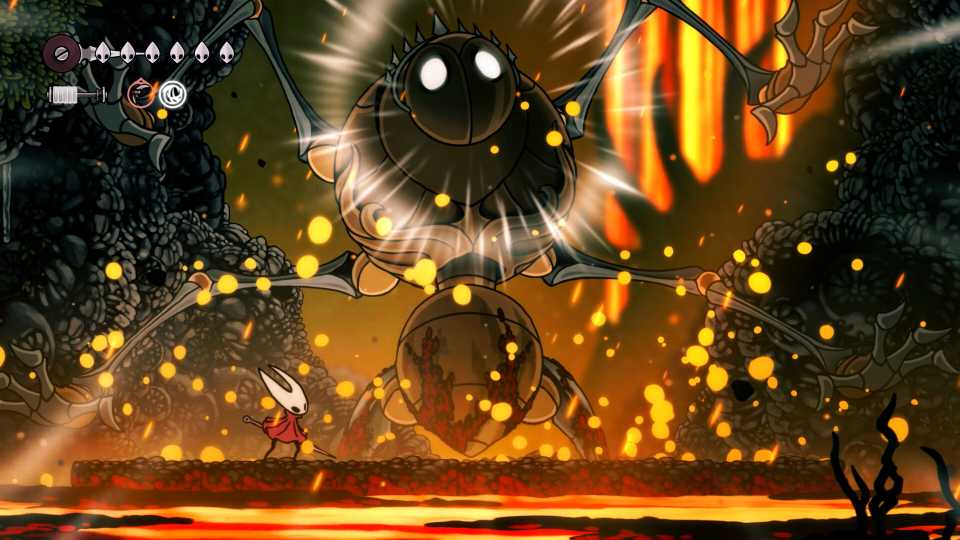
There are a number of environmental hazards in Silksong, which isn't exactly surprising, considering its genre conventions. But what is somewhat surprising is how much the player can manipulate these hazards, making clever use of them in order to dispatch enemies more efficiently. For example, Pharloom is littered with bulging, explosive boulders that hang from cave ceilings like deadly stalactites. These will often be used for puzzle-solving, but Hornet can also attack them and cause them to drop, creating an explosion below. When timed correctly, these boulders can deal considerable damage, even taking out several enemies at once. Such circumstances rear their head time and again, since Silksong is replete with such dangerous natural formations.
Silksong's combat is a marked improvement over that of its predecessor, and the game's other most important pillar, level design, serves to buttress it.
These interactive hazards do more than offer unique strategic opportunities; they gel incredibly well with Silksong's broader combat design staples. As was widely reported before launch, Hollow Knight: Silksong's combat is designed around a series of traps and tools that Hornet can use to better dominate her enemies. In essence, these traps are addendums to the magic offensive abilities of the first Hollow Knight; they provide the player with a greater variety of options during combat encounters, adding a layer of dynamism and flexibility that greatly enhances the overall experience. As it happens, this design philosophy perfectly synergizes with Silksong's aforementioned environment design.
Combat in Silksong is much more focused on planning, strategic positioning, and build-crafting, courtesy of Hornet's tools. Items like Sting Shards and Tacks can be dropped in tactical locations, funneling enemy forces toward environmental hazards or simply adding to their DPS. In other words, it's remarkably effective to combine tools, traps, and basic melee attacks with things like the previously mentioned explosive boulders, which aids the gameplay experience in surprising ways. For one thing, it allows fights to be unexpected and varied, depending on where they take place. But the offensive capabilities of these environmental hazards also serve to reward players for paying attention to their surroundings. Since Silksong is all about exploration and learning the lay of the land, this is quite a clever and appropriate way to further incentivize critical thinking and pattern recognition.





-
 OpenCritic Reviews
- Top Critic Avg: 91 /100 Critics Rec: 97%
- Released
- September 4, 2025
- ESRB
- Everyone 10+ / Fantasy Violence, Mild Blood
- Developer(s)
- Team Cherry
- Publisher(s)
- Team Cherry