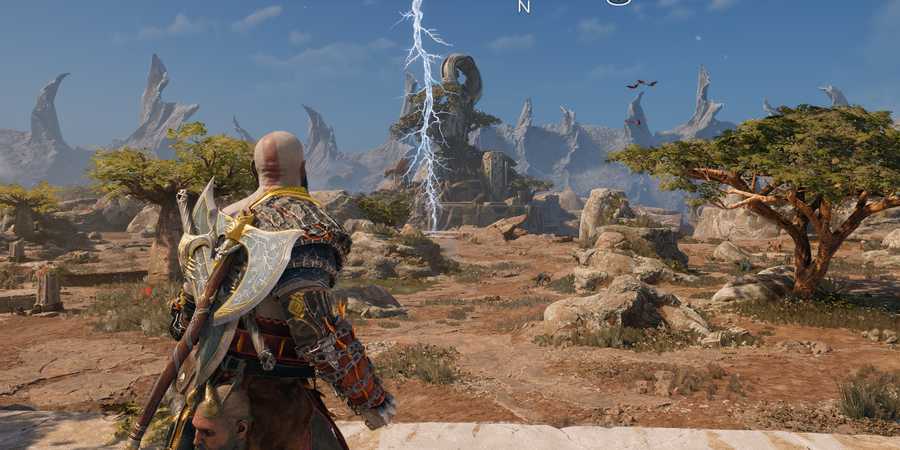
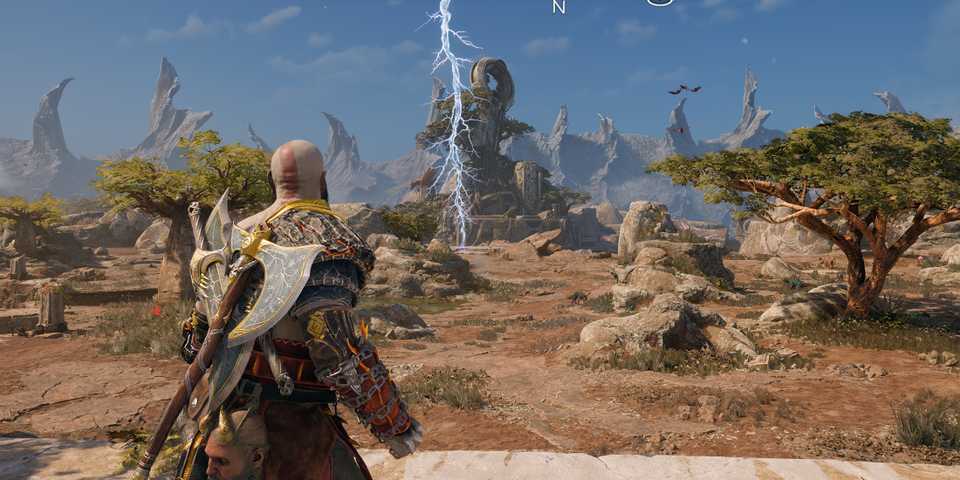
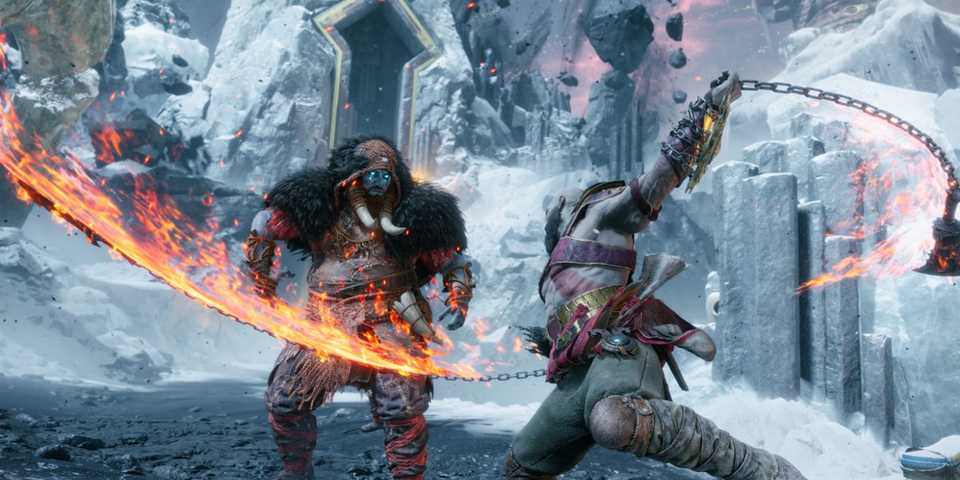
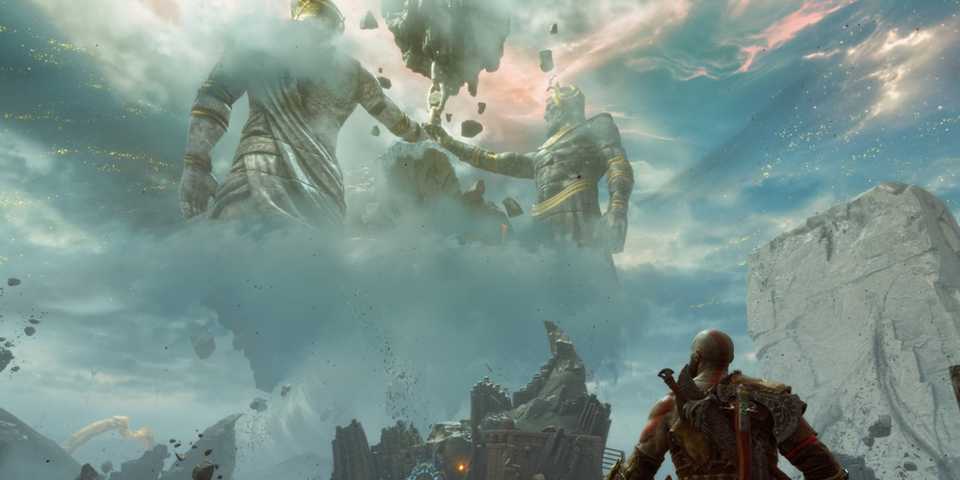
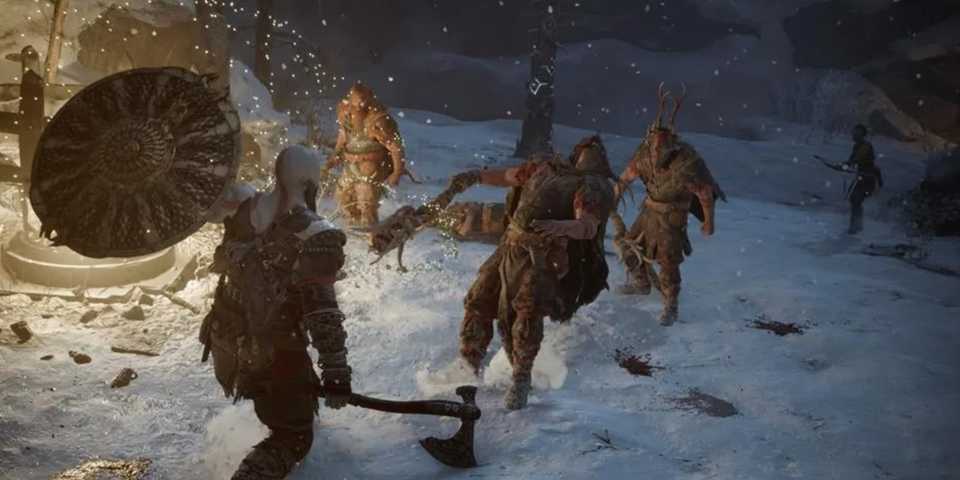
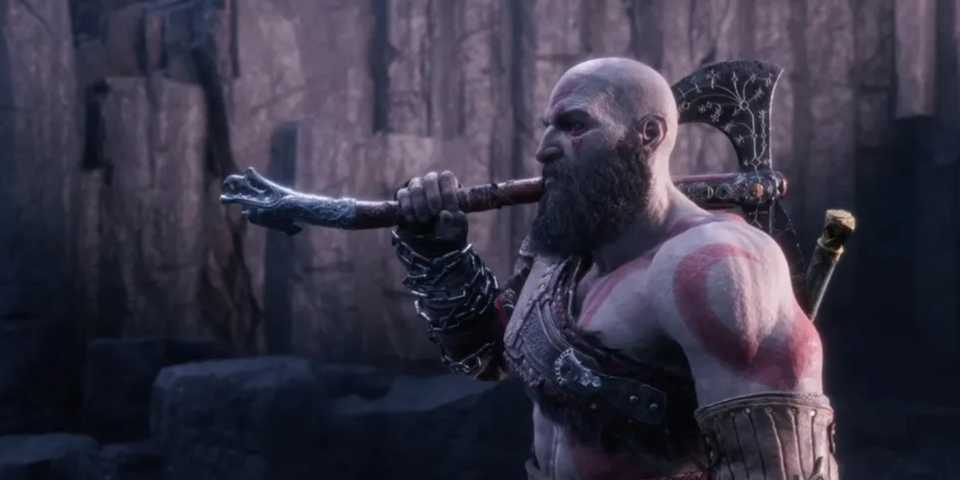
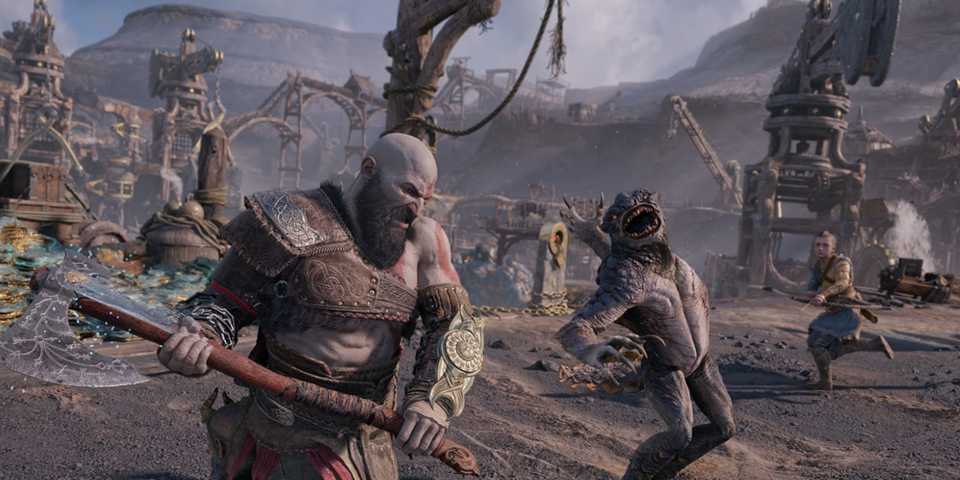
The Valhalla DLC for God of War: Ragnarok was more than an epilogue; it was a creative pivot that fused the series' core combat with roguelike progression and introspective storytelling. What began as an experimental postscript became a defining part of the game’s legacy. It gave players randomized encounters, branching upgrades, and emotional growth for Kratos—all for free.
That surprise made it clear that future entries in the God of War franchise cannot ignore what Valhalla introduced. Whether Santa Monica Studio sets its next game in Egypt, Greece, or somewhere entirely new, this type of roguelike experience deserves to return, but not as a post-launch bonus. It should be included from the start and embedded into the core of the game and its identity.

Doom: The Dark Ages Proves an Egyptian God of War Game Doesn’t Have to Push the Envelope
Doom: The Dark Ages' status as a prequel might be proof positive that the next God of War game doesn't need to go crazy with its premise.
Valhalla Changed God of War's DNA Forever
Valhalla succeeded because it was not just difficult for the sake of being difficult. Instead of relying on repetitive grinding, it structured its roguelike systems around character growth and narrative weight. Kratos revisited memories, wrestled with regret, and prepared for what came next. Every run was not just another attempt at survival, it was a deeper dive into his psyche.
It also proved that players were ready to revisit the God of War combat loop through new systems. Modifiers, temporary abilities, and class-like traits gave players more freedom to experiment. Even longtime fans found fresh builds and strategies that renewed their appreciation for the game’s mechanics.
Part of what made Valhalla great was how each run encouraged experimentation. Players could discover new builds, adjust tactics, and approach familiar encounters in fresh ways based on the abilities offered during a given attempt.
Building this type of experience into the next game at launch would raise the baseline expectations and make the roguelike system feel like an essential design feature rather than an optional extra.
Future God of War Settings Must Adapt This Formula
If God of War heads to Egypt, the mythological depth of that setting is ideal for roguelike exploration. Egyptian gods are numerous and often embody concepts like judgment, rebirth, and transformation. These themes are perfect for a recursive loop that can carry both mechanical and symbolic meaning. Roguelike content in this world could allow Kratos, or even a new protagonist, to traverse different interpretations of the afterlife or face mythic trials from gods like Anubis or Thoth.
A Greek God of War prequel offers a similar opportunity. Imagine Kratos in his younger, bloodthirsty days being pulled into a cyclical underworld challenge by Hades. He would be forced to confront his early choices in a chamber of endless judgment. The gameplay potential is enormous and fits well with the series’ existing themes.
The God of War series has long included optional combat trials and arena-style challenges, so adapting those elements into a roguelike format felt like a natural evolution rather than a sudden shift.
Including roguelike content early in development would allow the next God of War to blend it more naturally into story arcs, voice acting, and progression systems. This approach avoids the feeling of a retrofitted feature and instead supports full integration into the game’s core.
Roguelike Mode Should Be A Legacy Feature Now
What Valhalla did best was earn player trust. It achieved this not just by being free, but by showing a willingness to take creative risks within an established formula, and the next God of War game should build on that foundation. Expanding the roguelike mode with co-op trials, rotating daily challenges, or even a builder system could help maintain long-term engagement.
More importantly, the roguelike loop should feel like a natural extension of the game’s themes. It should focus not just on combat mastery, but on emotional reckoning. Whether it follows a young Kratos trying to prove himself or an older one mentoring someone new, the roguelike format is perfect for exploring legacy, failure, and growth.
Santa Monica Studio now faces a choice. It could leave Valhalla behind as a one-time success or embrace it as a core feature going forward. The second option will hopefully be the one that is chosen, as the mode has obvious long-term potential to turn God of War into more than just a series of linear epics, making future games a space where gods, regrets, and hard-earned wisdom come together in one evolving experience.


God of War Ragnarok


-
 OpenCritic Reviews
- Top Critic Avg: 92 /100 Critics Rec: 97%
- Released
- November 9, 2022
- ESRB
- M For Blood and Gore, Intense Violence, Strong Language
- Developer(s)
- Santa Monica Studio
- Publisher(s)
- Sony