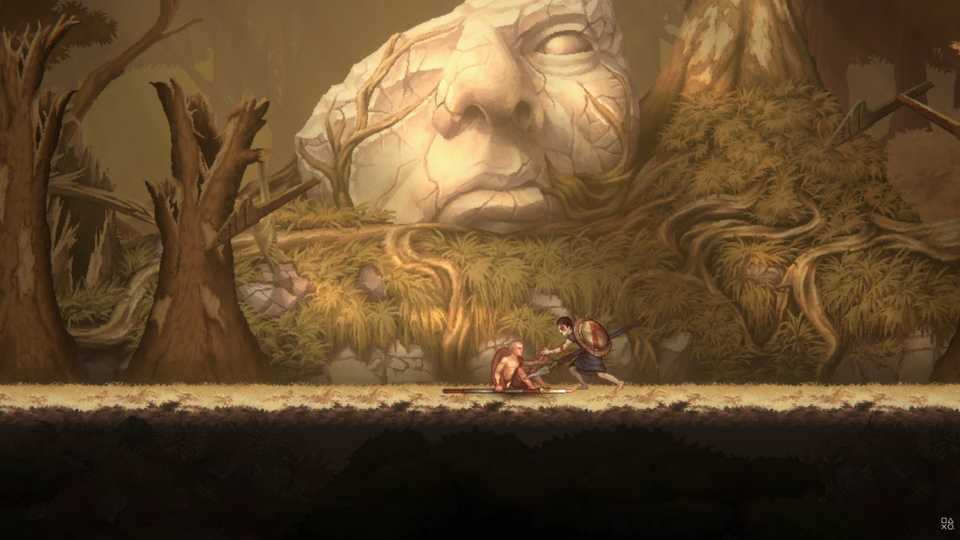
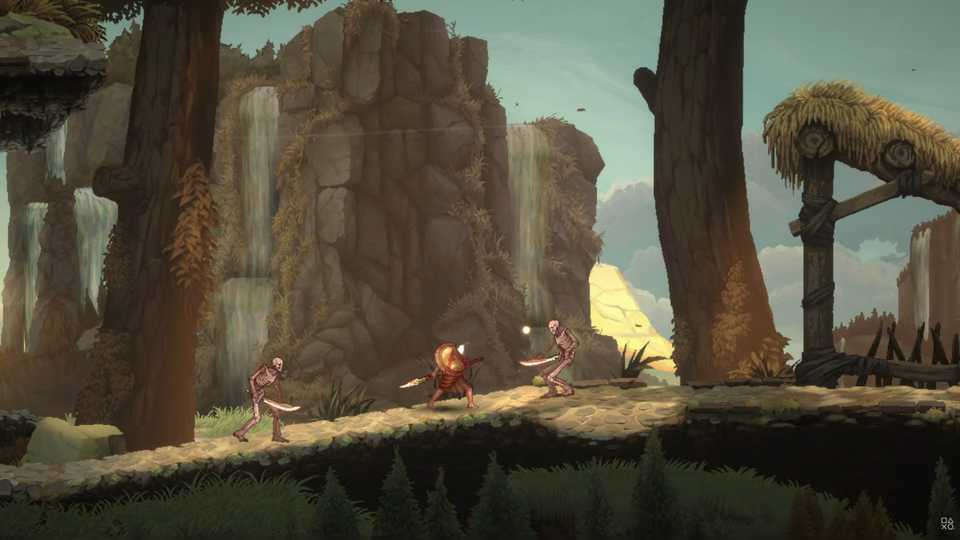
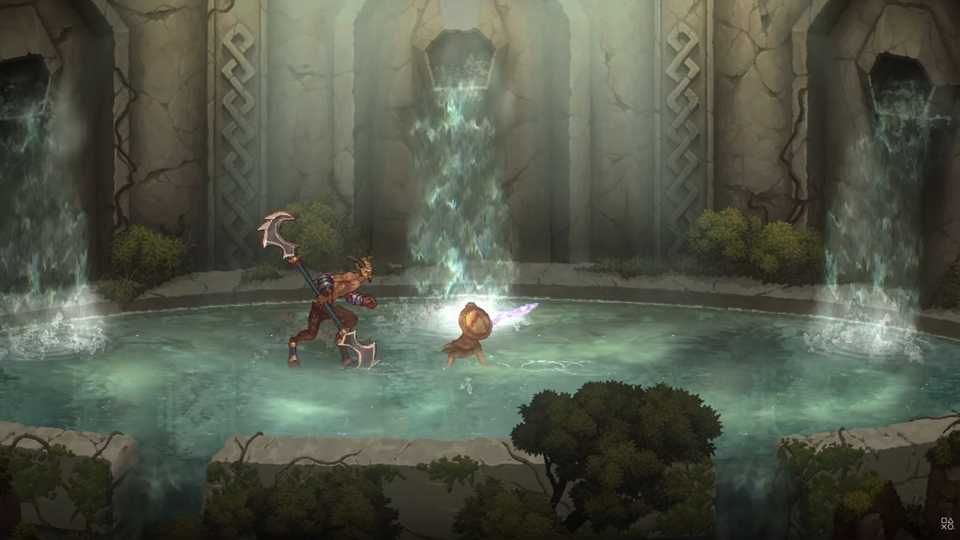
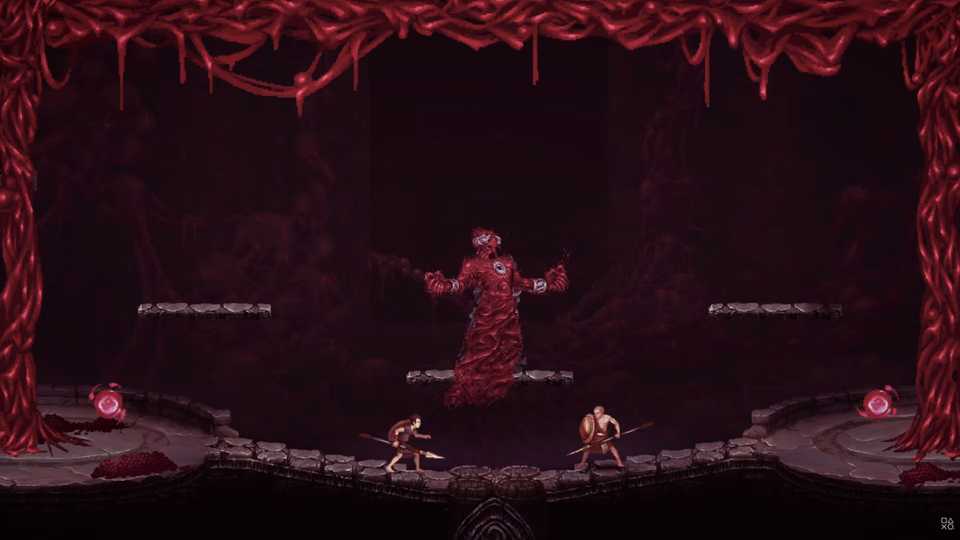
When God of War: Sons of Sparta suddenly dropped on the PS5 following Sony's February 2026 State of Play, fans saw a radically different Kratos than the one they'd always known. Instead of the grizzled warrior most players associate with the God of War name, they were treated to a leaner, younger version of the Spartan hero rendered in pixelated 2D sprites. Honestly, it's hard not to have a brash reaction to such an extreme shift in design, as God of War: Sons of Sparta's "we have Kratos at home" vibes make it hard to reconcile its fresh face with the icon fans have lived alongside for nearly two decades now.
At first, the frustration makes sense. Kratos' design across the main God of War trilogy and the Norse reboot has become instantly recognizable, from his ashen skin and chained blades to the deep gravel of his voice and bulwark of muscle that players have carved through mythological pantheons with. As such, it's natural to expect God of War: Sons of Sparta to at least hint at that familiar appearance. However, what we got instead feels like someone slapped a classic character's name on a sprite and called it a day. That's far from the truth, though, as that's actually a reaction to expectation meeting canon and coming up short. Kratos' new design makes sense for what God of War: Sons of Sparta is, even if it doesn't feel right.
Why Kratos' Design in God of War: Sons of Sparta Makes Sense
Maybe it's because we've all been waiting for a mainline sequel to God of War Ragnarok, but that's not what Sons of Sparta is. Rather, it's a true prequel, set during the formative years of Kratos' life when he was still just another youth enduring the Spartan Agoge alongside his brother Deimos. The game's official description explicitly puts this chapter of the Spartan's story before any of the tragedies or feats that eventually defined him.
This is actually key to understanding why his appearance is so drastically different from the norm. Unlike the Kratos players first met in God of War (2005) or the older, more introspective Kratos of 2018's reboot, this version hasn't yet walked the path that made him the Ghost of Sparta or the stern father figure who ventured into Norse myth. Canonically, he hasn't yet lost his family, battled the gods, or earned the scars and fury that give the character his most recognizable visual identity. In that context, a younger, less iconic design makes sense for the story being told.

It should be acknowledged that part of the dialogue here is about medium as well. God of War: Sons of Sparta features a 2D, pixelated art style that naturally simplifies details compared with the hyper-realistic 3D models of God of War (2018) and God of War Ragnarok. Pixel art tends to exaggerate proportions and obscure nuance, especially on a character as familiar as Kratos, and that can make designs feel a little extra "wrong" when sprites are compared to actual models. However, this style is an artistic choice that helps distinguish this story the broader God of War saga, rather than a continuation of the cinematic experience players have grown accustomed to.
Unlike the Kratos players first met in God of War (2005) or the older, more introspective Kratos of 2018's reboot, this version hasn't yet walked the path that made him the Ghost of Sparta or the stern father figure who ventured into Norse myth.
There's another layer that complicates the notion of a younger Kratos feeling incomplete as well. God of War: Sons of Sparta features TC Carson, the original voice of Kratos from the Greek era God of War games, returning as a narrator, recounting the events of the story from the perspective of an older, wiser man. In light of that, Sons of Sparta is meant to show a younger version of Kratos through the lens of hindsight for a more reflective, perhaps more emotional narrative. There's no indication that the older Kratos appears in full form outside of narration, but his role as a storyteller in the game backs up the fact that this is a tale about how the legend began, not who he became.
So, the reaction to his appearance is almost as telling as the game design itself. Devotion to a single aesthetic can make any departure feel like a betrayal or a weird design choice, even when it's rooted in story logic. Where one group sees a lack of iconic features, another could view it as faithfulness to the narrative—which, in this case, is about witnessing the forging of a myth rather than retreading what's familiar. Of course, there's a tension between those perspectives, but it's exactly what makes the conversation about Kratos' design in God of War: Sons of Sparta worth having, in a sense. It almost pushes back against the idea that a character must look the same in every context to be real or authentic.
It May Be Justified, But It Still Hurts
Still, most of what's been shared online so far isn't outright praise for Kratos' design or the pixel art, at least not in the God of War-specific corners of the internet. Many players have taken to forums and subreddits to voice their complaints, like comments on this Reddit post from PailDuck about the game. One user even said they laughed when they saw it because it caught them off guard, while another simply said "looks lame." In other words, the early criticism hasn't all been about Kratos' appearance, but about whether the side-scrolling, 2D design was even the right call for one of gaming's most visually iconic franchises.
But, interestingly enough, that skepticism actually highlights the whole point. A younger Kratos is supposed to look drastically different, and the negative reaction has as much to do with expectation as objective design quality. Fans have lived with Kratos' hulking, bearded, ultra-detailed modern look for more than half a decade, not to mention the original God of War Greek trilogy's stark, brutal presentation. Asking a version of him who has yet to walk the path of tragedy, vengeance, god-slaying, and fatherhood to already resemble those iterations is like expecting a teenager to look like their fully formed adult self. No matter how many pixels are on-screen, that clash of expectations was built into the reveal from the start, and if nothing else, the backlash just shows how deeply fans have internalized Kratos' visual identity rather than rejecting this design out of hand.


- Released
- February 12, 2026
- ESRB
- Teen / Blood, Violence
- Developer(s)
- Santa Monica Studio, Mega Cat Studios
- Publisher(s)
- Sony Interactive Entertainment
- Franchise
- God of War