

With God of War: Ragnarok closing one chapter of Kratos’ journey, the series appears ready for a shift—possibly through a solo Atreus game. Kratos' recent arc in the God of War: Ragnarok Valhalla DLC revealed a fitting conclusion to his role as the Norse God of War, exploring themes of introspection, forgiveness, and the ideals of hope. The thematic and symbolic weight of Kratos' journey through Valhalla suggests that it's time for Atreus to carve his own path, complete with a new title and a narrative that's wholly his own.
Inspired by the rebranding of Ghost of Tsushima to Ghost of Yotei, God of War could similarly transition to something like "God of Hope." By doing so, the series could use this title to signify a fresh beginning, emphasizing themes that align more closely with Atreus' unique outlook, skills, and coming-of-age journey.
Why an Atreus Game Needs Its Own Title
God of Hope—or a similarly distinct title—would establish Atreus as a character with a separate journey from his father. Where Kratos was once defined by revenge, then redemption, Atreus has always approached conflict with curiosity, compassion, and a yearning for connection. Inheriting his father’s title might anchor Atreus to a legacy of vengeance, but a new title would empower the character to carry the torch in his own way, exploring themes of discovery and understanding.
In Ragnarok Valhalla, Kratos went through trials to reconcile his bloody past, eventually sitting metaphorically as the Norse God of War. His journey closed the chapter on his reign and helped him reach a peaceful acceptance of his past. This resolution allows Atreus to step forward with a title that reflects his own ideals and dreams.
Building Atreus' Story Beyond Kratos' Shadow
Kratos’ journey with Mimir through Valhalla saw him reckoning with his past and the prophecy set forth by his late wife, Fey. In contrast, an Atreus-led game would symbolize a shift to the future. This new title could symbolize his progression from Kratos’ young son to a character with agency and a destiny that isn’t bound by his father’s legacy.
In Norse mythology, Atreus is known for his ties to Loki, a figure renowned for his complex blend of playfulness, mischief, and empathy. Letting Atreus define his own godly identity could establish him as a character who approaches conflicts and alliances differently, fostering themes of hope, reconciliation, and growth rather than vengeance and retribution. A title like God of Hope would capture this ethos.
A New Title to Expand Atreus’s Gameplay and Themes
Choosing a distinct title could also open up fresh gameplay possibilities in line with Atreus’ character. Rather than focusing solely on intense combat, an Atreus game could emphasize his magic, his cunning, and his ability to bridge worlds—a different tone from Kratos’ battles against gods and titans. This thematic shift could let players explore the world as Atreus learns new skills, journeys through unfamiliar lands, and interacts with characters who broaden his understanding of heroism.
Such a title would also free developers from the structure of God of War, allowing them to experiment with narrative and gameplay mechanics that fit Atreus’ personality. Where Kratos wields weapons of destruction, Atreus might gather relics with more positive qualities, learning skills and spells from cultures beyond the Norse lands. The choice to give Atreus a name of his own would allow him to grow organically as he encounters trials that require wit and heart as much as force.
Setting the Stage for a New Generation of God of War
In Ragnarok Valhalla, Kratos’ story ends on a hopeful note, as he accepts his past and takes on the symbolic mantle of the Norse God of War. This moment grants Atreus an opportunity to continue the God of War legacy on a more optimistic path. Giving Atreus his own title would signal a new generation within the franchise, creating a hero who is not haunted by his father’s brutal history but instead guided by ideals of growth, peace, and understanding.
A new title like God of Hope would grant Atreus the freedom to evolve outside the confines of Kratos’ established legacy. This shift would give players a fresh reason to invest in the story without expecting the vengeful arcs and violent challenges typical of Kratos’ saga.


God of War Ragnarok


-
 OpenCritic Reviews
- Top Critic Avg: 92 /100 Critics Rec: 97%
- Released
- November 9, 2022
- ESRB
- M For Blood and Gore, Intense Violence, Strong Language
- Developer(s)
- Santa Monica Studio
- Publisher(s)
- Sony



WHERE TO PLAY





Embark on an epic and heartfelt journey as Kratos and Atreus struggle with holding on and letting go
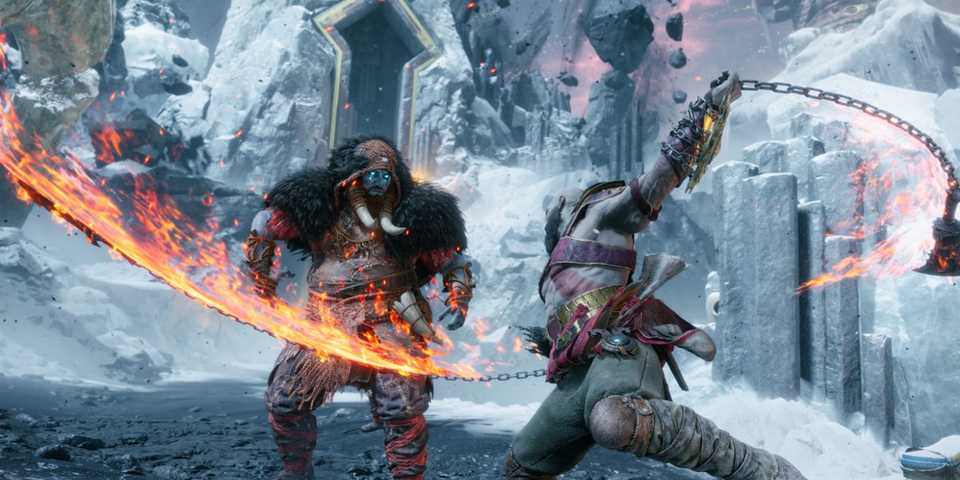
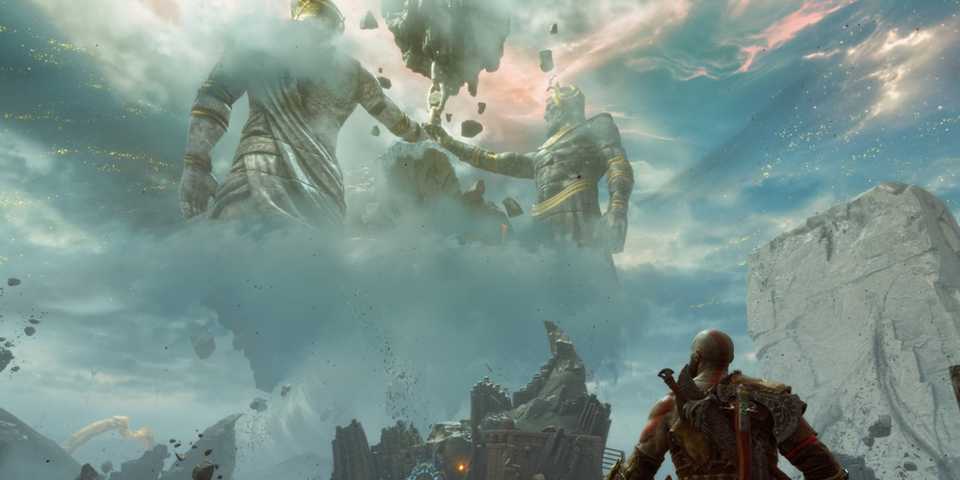
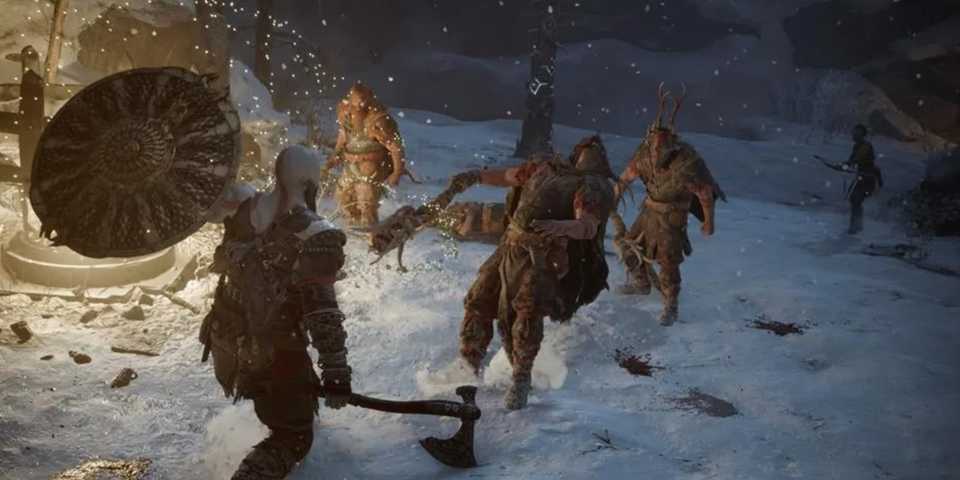
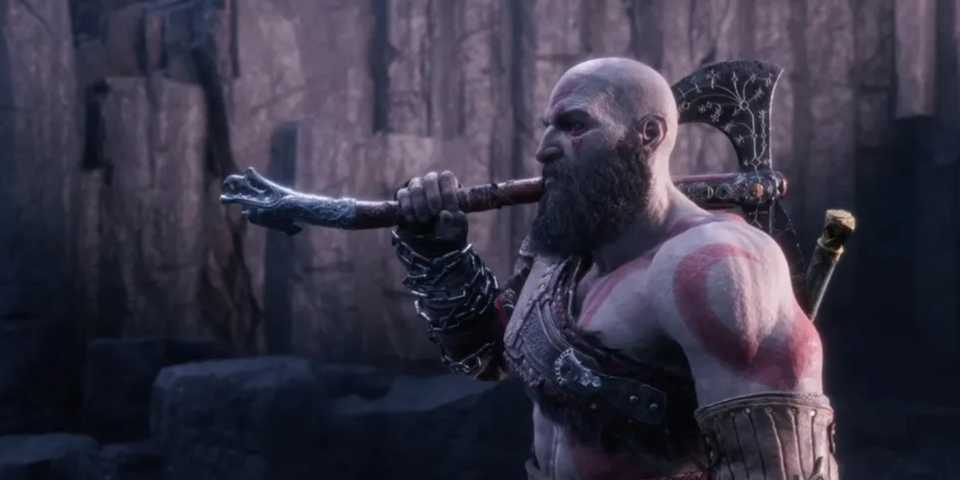
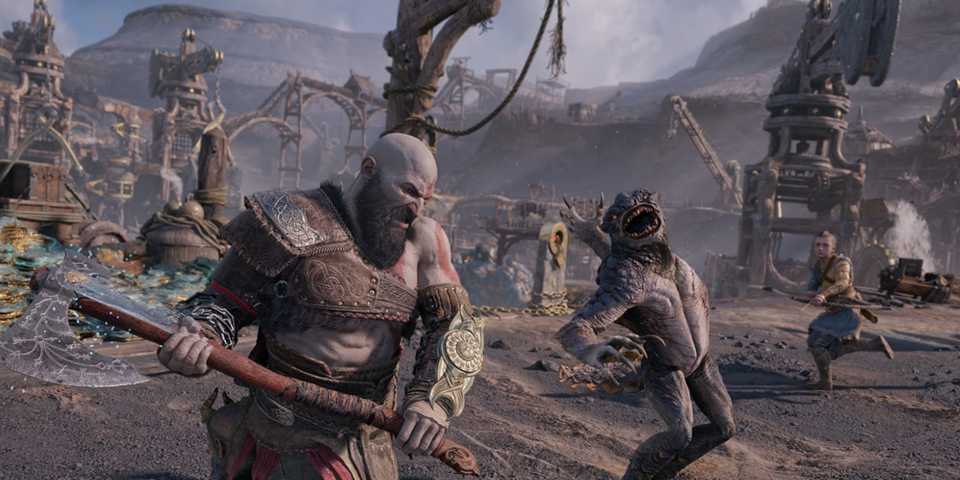
From Santa Monica Studio comes the sequel to the critically acclaimed God of War (2018). Fimbulwinter is well underway. Kratos and Atreus must journey to each of the Nine Realms in search of answers as Asgardian forces prepare for a prophesied battle that will end the world. Along the way they will explore stunning, mythical landscapes, and face fearsome enemies in the form of Norse gods and monsters. The threat of Ragnarök grows ever closer. Kratos and Atreus must choose between their own safety and the safety of the realms.
- Engine
- Proprietary Engine
- Franchise
- God of War
- Platform(s)
- PC, PlayStation 4, PlayStation 5
- How Long To Beat
- 26 Hours
- OpenCritic Rating
- Mighty
