


Summary
- Final Fantasy Tactics emphasizes strategic control over Ifrit, requiring planning and resource management.
- Final Fantasy 16 transforms Ifrit into a narrative-driven spectacle, sacrificing player autonomy for emotional impact.
- The evolution of Ifrit reflects Final Fantasy's commitment to experimentation, offering different gameplay experiences for fans.
For decades, Ifrit has embodied elemental fury in Final Fantasy, with each appearance offering a different take on his fire-born rage. But while the summon has remained consistent in aesthetic and elements, its gameplay role has shifted dramatically depending on the title. This is especially clear when comparing Final Fantasy Tactics' version of Ifrit to the powerful Eikon in Final Fantasy 16. Though both showcase the same mythological figure, the philosophies behind their implementation could not be more different.
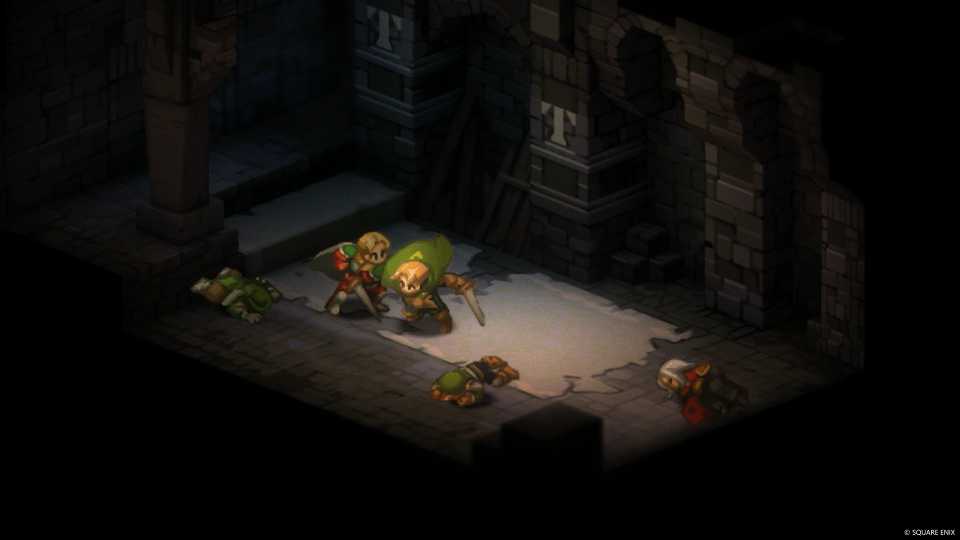
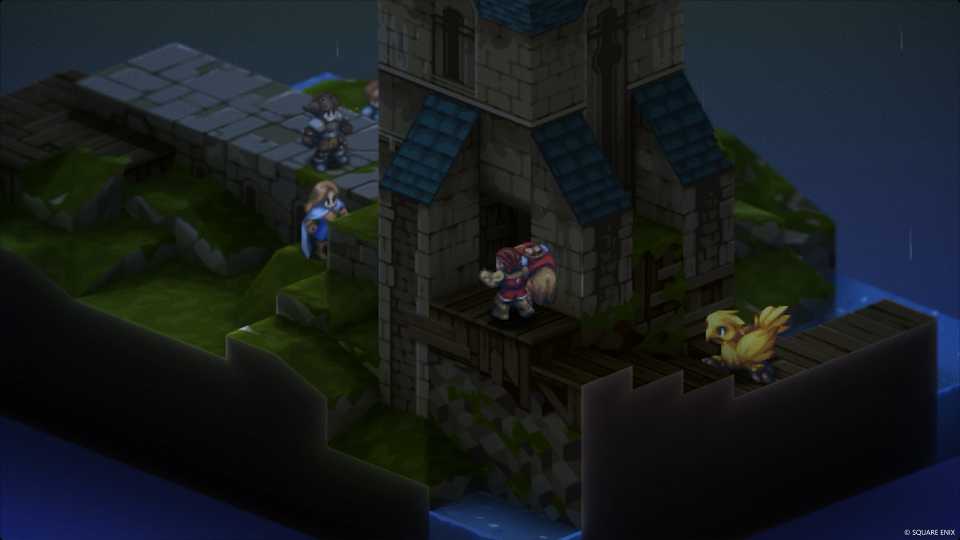
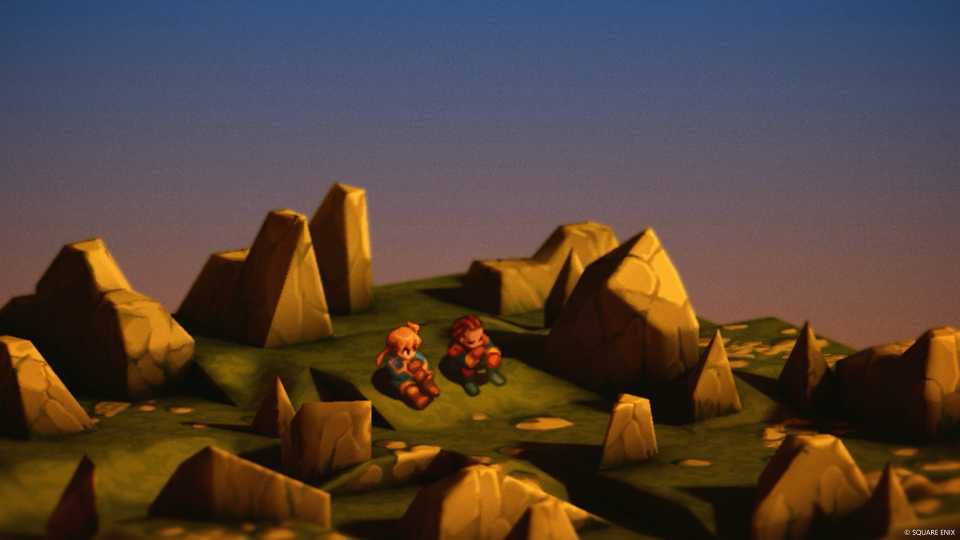
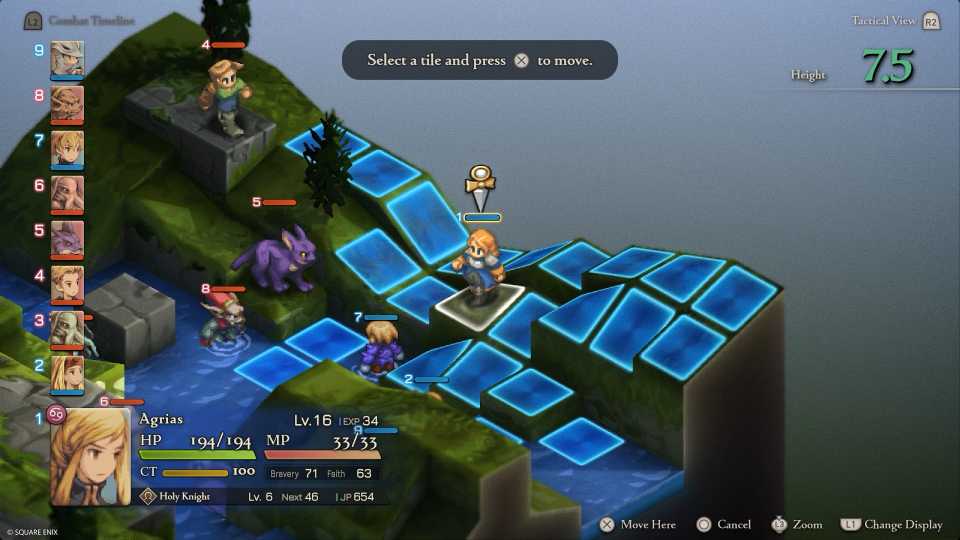
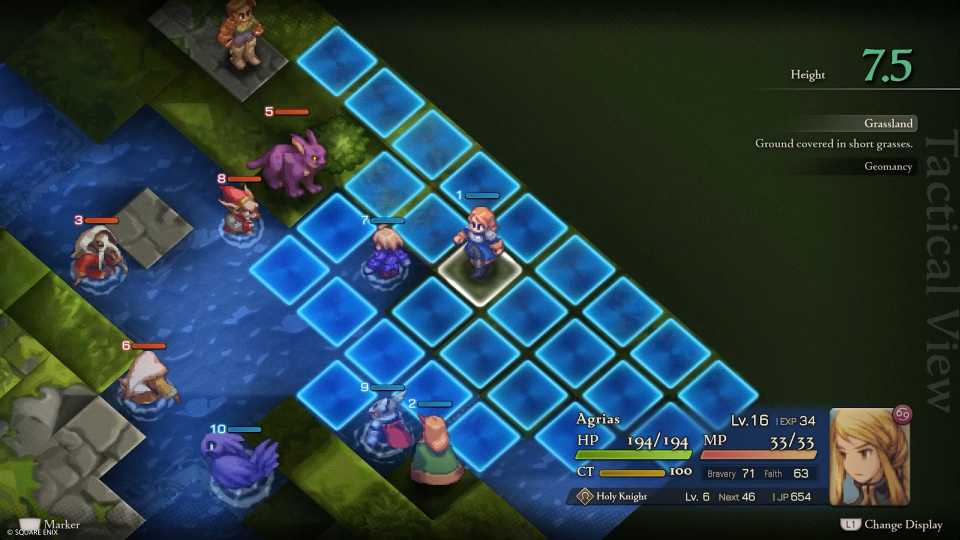
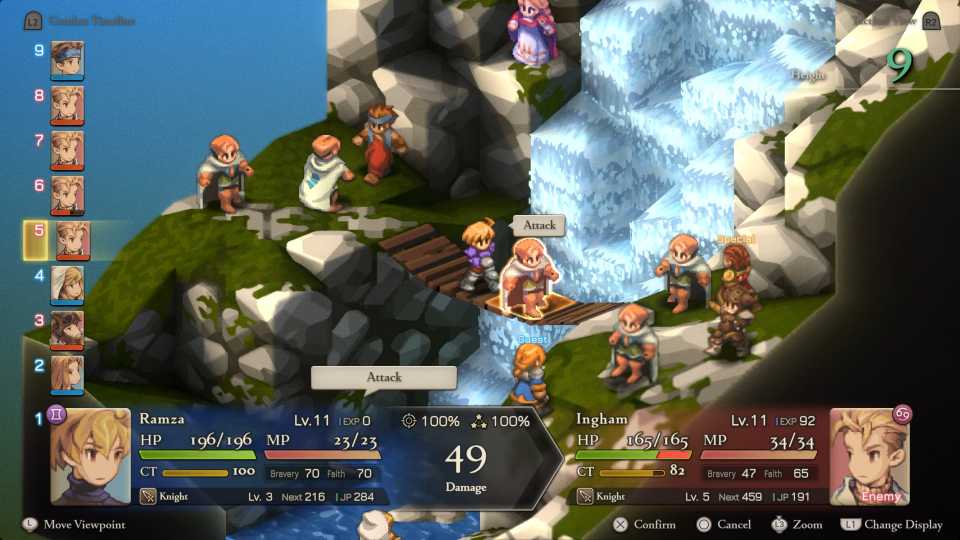
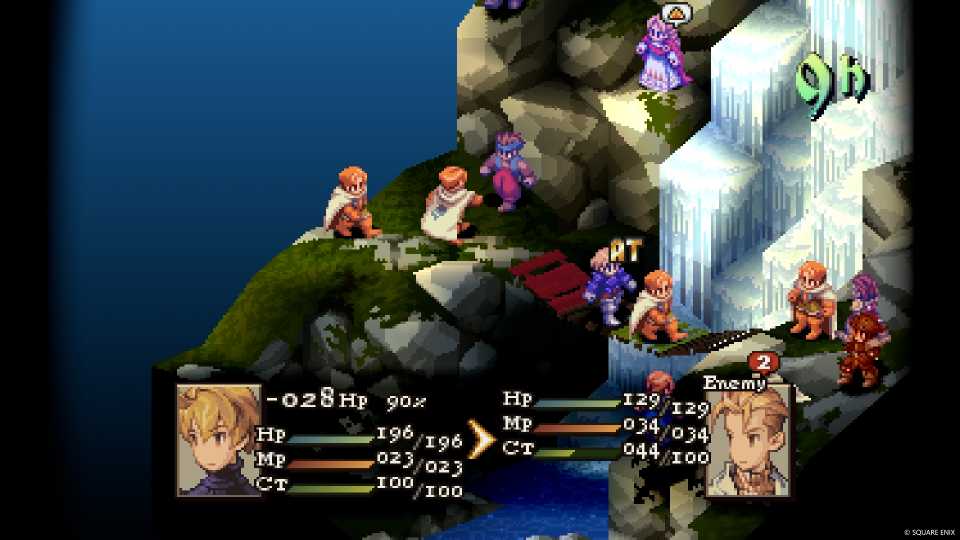
Final Fantasy Tactics, a tactical RPG centered on class-based warfare and positioning, makes summoning a calculated part of strategy. The player must weigh risk, timing, and casting cost. In contrast, Final Fantasy 16 treats Ifrit more like a weapon of narrative and spectacle, something awe-inspiring but far less controllable. The contrast reflects two broader design principles that continue to define the series: player agency versus cinematic immersion.

Final Fantasy: 8 Scariest Summons, Ranked
Not all Final Fantasy summons look particularly friendly. Here are some of the scariest ones that have appeared throughout the series.
Final Fantasy Tactics: Ifrit Emphasizes Tactical Control
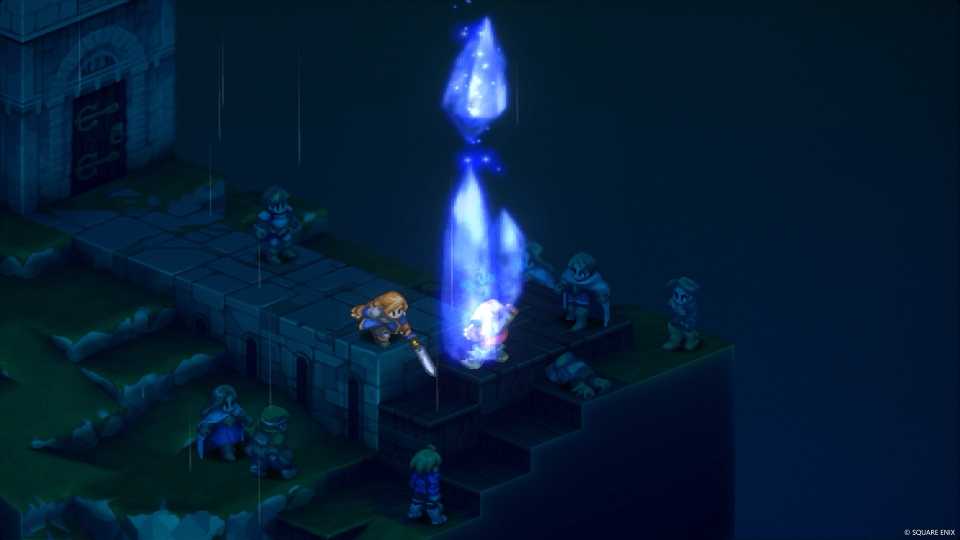
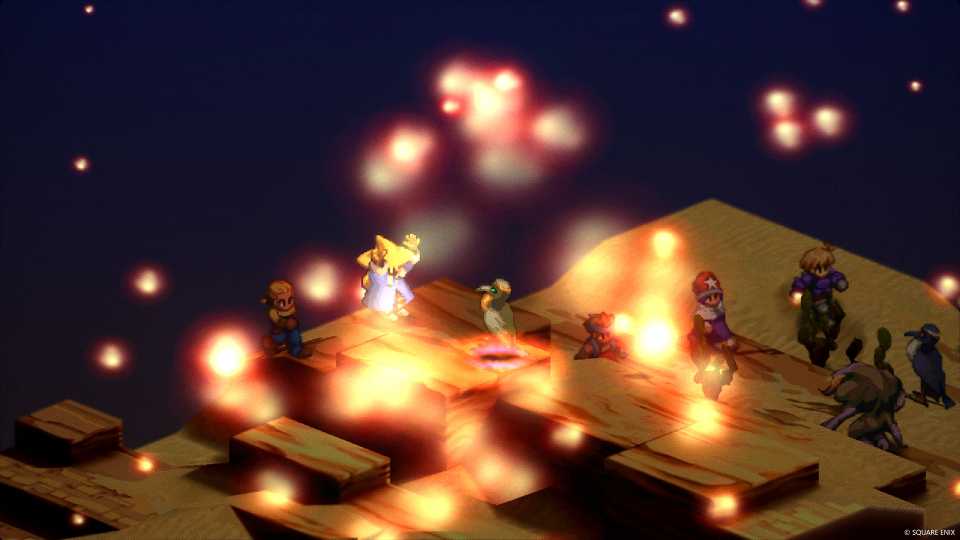
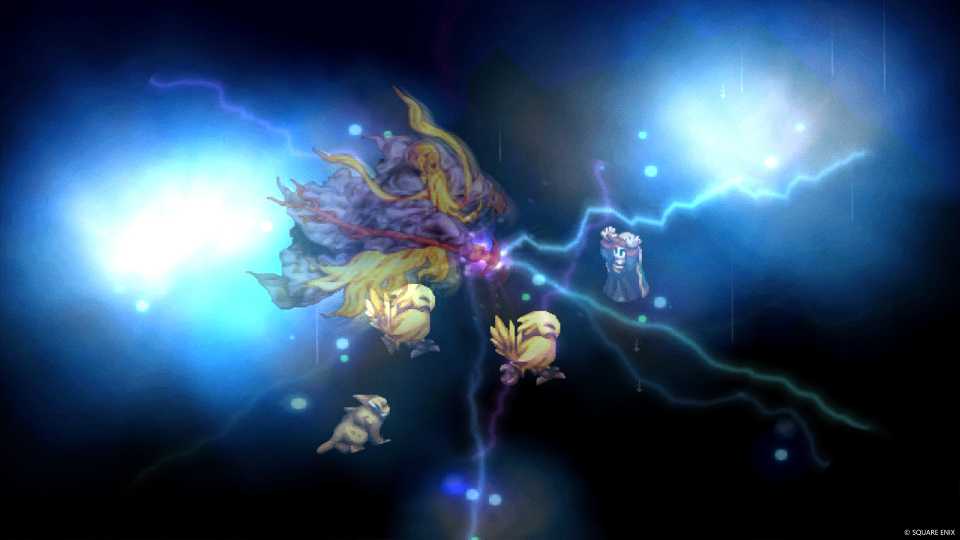
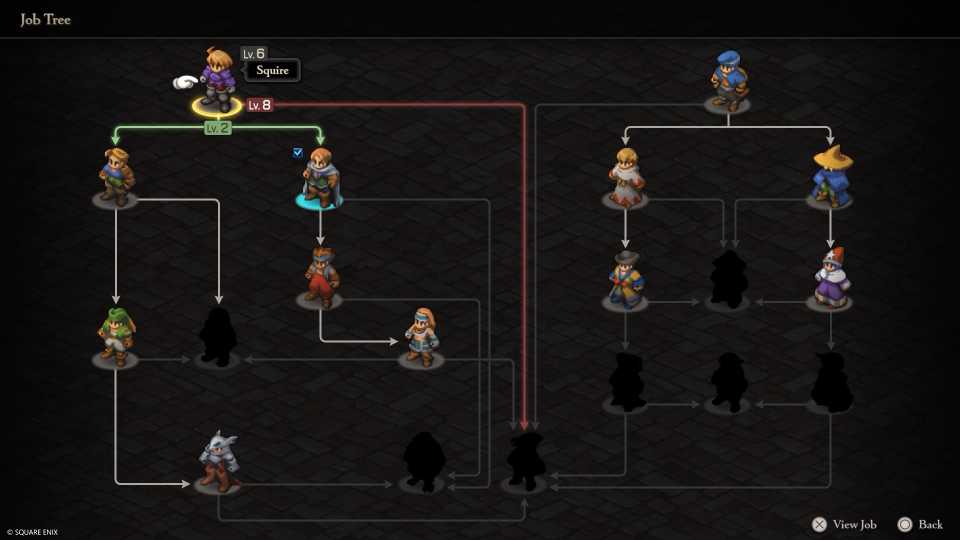
In Final Fantasy Tactics, Ifrit is accessed through the Summoner job, which allows players to call upon powerful espers to aid in battle. Each summon costs a significant amount of MP and requires casting time, meaning the ability isn't instant and must be planned around. Ifrit costs 24 MP, has a charge time of 4, and affects a large area. Its main strength lies in its ability to ignore magic evasion and distinguish between allies and enemies. When cast, Ifrit unleashes fire over a broad section of the battlefield, damaging only foes within the radius.
What this reveals is a design rooted in balance and responsibility. The player has full control over how and when Ifrit is used, and every element from range to charge time demands forethought. Summons like Ifrit become tools of finesse, not blunt-force dominance.
In Final Fantasy Tactics, summons like Ifrit will only target enemies with offensive abilities, making them safer to use in crowded fights where allies are nearby.
Ifrit’s incantation, “King of flames, burn into cinders!” Speaks to his legendary stature, but in Tactics, that title is earned through function, not flair. It’s not about how cinematic the attack looks, but how well it fits into the surrounding battle strategy. The moment players summon Ifrit, they're not just pressing a button. They’re executing a carefully calculated decision that could turn the tide or waste their turn.
Final Fantasy 16: Ifrit Reflects Narrative Spectacle
Final Fantasy 16 moves in a completely different direction. Here, summons are known as Eikons, and Ifrit is not simply a powerful ally, but a central figure in the story. Players don’t summon Eikons directly during standard battles. Instead, they are manifested during cinematic boss fights or major story moments. Ifrit is one of the most important Eikons in Final Fantasy 16, tied closely to protagonist Clive Rosfield and the darker turns the narrative takes.
This version of Ifrit represents explosive scale and emotional weight. When players finally wield Ifrit in battle, it is during climactic sequences that often span entire levels, complete with massive set pieces and quick-time events. Players lose direct control over timing but gain immersion in epic, almost kaiju-scale clashes.
Ifrit's design in Final Fantasy 16 includes molten horns, glowing claws, and a towering build that emphasizes his destructive role among the Eikons.
The sacrifice, of course, is autonomy. While Ifrit’s role in Final Fantasy Tactics reflects a design philosophy centered on player strategy and planning, Final Fantasy 16 takes those same mythological roots and reframes them as emotionally driven, scripted power.
What Ifrit Says About Final Fantasy’s Evolution
These two versions of Ifrit reveal a great deal about Final Fantasy’s range. On one end, there is Tactics, where power is earned through planning, and the summons are part of a well-oiled class system. On the other hand, Final Fantasy 16 transforms summons into cinematic centerpieces, emphasizing emotion, drama, and world-building.
This contrast showcases how Final Fantasy as a franchise embraces experimentation. While some fans prefer the older approach that allows them to treat summons like tools of their own design, others appreciate the spectacle of watching a Final Fantasy 16 Eikon tear through mountains in a scripted showdown. Neither is inherently better. They reflect different values and cater to different player experiences.
The upcoming release of Final Fantasy Tactics: The Ivalice Chronicles on September 30, 2025, is likely to reignite these discussions. As new players encounter Ifrit in its tactical form, and others compare it to the Eikon-fueled spectacle of Final Fantasy 16, the series' evolving identity continues to take shape. Each version of Ifrit tells its own story, and both belong in the franchise’s long legacy of reinvention.






- Released
- September 30, 2025
- ESRB
- Teen / Fantasy Violence, Blood, Mild Suggestive Themes, Mild Language, Drug Reference
- Developer(s)
- Square Enix
- Publisher(s)
- Square Enix
- Franchise
- Final Fantasy
- Number of Players
- Single-player
- PC Release Date
- September 30, 2025

- Genre(s)
- Tactical, RPG, Strategy
