


Summary
- Final Fantasy 7 Rebirth's open-world offers abundant activities and rich contextual storytelling for players to uncover.
- The game's regions showcase a blend of visual beauty and narrative depth, emphasizing environmental themes and Shinra's impact.
- Through detailed historical accounts and world intel, Rebirth builds a multi-faceted setting that enhances gameplay and narrative.
Final Fantasy 7 Rebirth's approach to its open-world, much like the rest of its game design philosophy, is abundant. There is much to do and see throughout Rebirth's regions, and as players engage with the many facets of its terrain, the world of FF7 Rebirth opens up even further contextually. The freedom for players to pick up these details, rewarding their thoroughness through historical synopses, fiend traits, and more, shows a clear connection between Rebirth's gameplay and narrative prowess, lending credence to its multi-faceted setting.
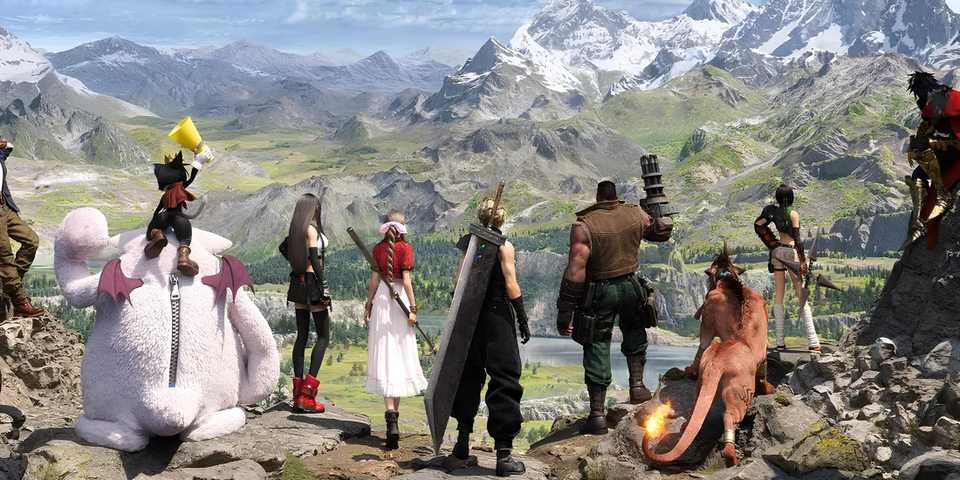
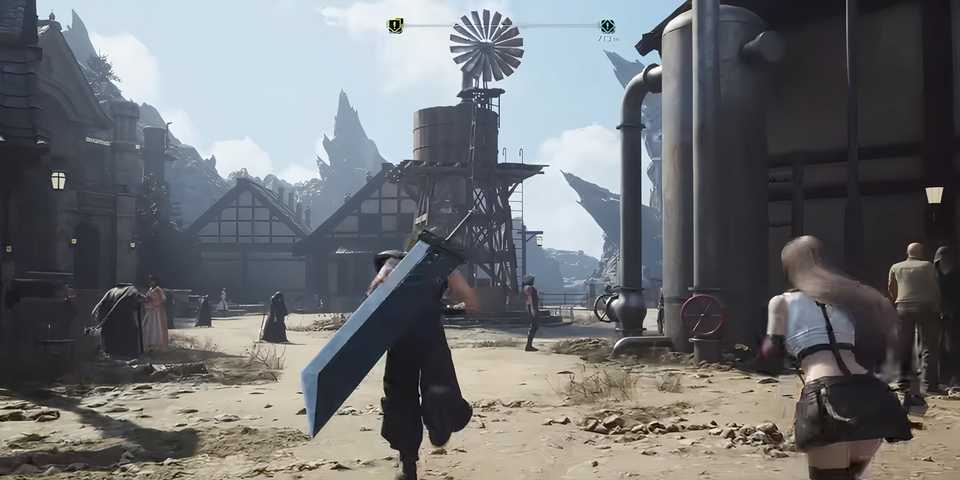
The regions of Final Fantasy 7 Rebirth are a visual treat, ranging from the verdancy of the grasslands to the desolation of Corel, though their nuances lie beyond physical appearance alone. Much of Rebirth's storytelling relies on its use of environments, both implicitly and explicitly, as it emphasizes the planet's strength and its suffering at the hands of Shinra. Fiends roam near grazing rabbits and deer, mako lifesprings, both farrow and replete, sit tucked away in the crevices of Cosmo Canyon. There is a beauty to how Rebirth details its settings, with its region intel striking an effective balance between showing and telling to give greater context to its world.

Final Fantasy 7 Rebirth Director Confirms Returning Mini-Game for Part 3
One of the most popular features in Final Fantasy 7 Rebirth is returning in a bigger and better way in the series' final installment.
How Final Fantasy 7 Rebirth Gives Greater Context to Fiends, Summons, and More
Chadley's Historical Accounts
As Cloud and company compile information from mako fonts, divine sanctuaries, and more, the regional data extracted by Chadley grows. Accruing this data gives players the opportunity to hear about the locations they traverse, giving more context to FF7's world, summons, and fiends. Rebirth's world intel, for example, provides historical accounts of its regions, like the humble beginnings of Junon before Shinra's occupation and the company's ever-present specter over Gongaga's dense jungle lands. These synopses are both beautifully written and encapsulate the ways in which Shinra's grasp has mired the planet, driving home Rebirth's environmentalist themes.
Divine and Fiend Intel
The classic use of Final Fantasy summons is also given weight through Chadley's musings, as he tells Cloud about the legends of the divines and their relation to the world. These details are great points of world-building that hone in on the summons as revered entities, showing that they exist as creatures whose folklore has been passed down over the ages. Hearing of Phoenix's flames being rekindled by the warmth of a fisherman's fire, for example, is a perfect compliment to its home in the Junon region, where the seafood of its coast is its people's primary source of sustenance. This use of backstory can be seen with fiend intel as well, demonstrating the effectiveness of Rebirth's narrative design.
MAI, Chadley's counterpart, builds further from what's provided by the Assess materia through her analysis of fiends as Cloud and company take to the field. MAI's reflections range from the physical characteristics of fiends to their adverse relationship with humans and mako, showing how the monsters have adapted to their terrain and their own pecking order as predators and prey. The thoughtfulness of fiends' combat skills and design are given greater weight and connection to the world through MAI's analyses; the basilisk, for example, is described as being studied by Shinra in attempts to replicate its camouflaging capabilities, furthering Rebirth's emphasis on the company's exploitation.
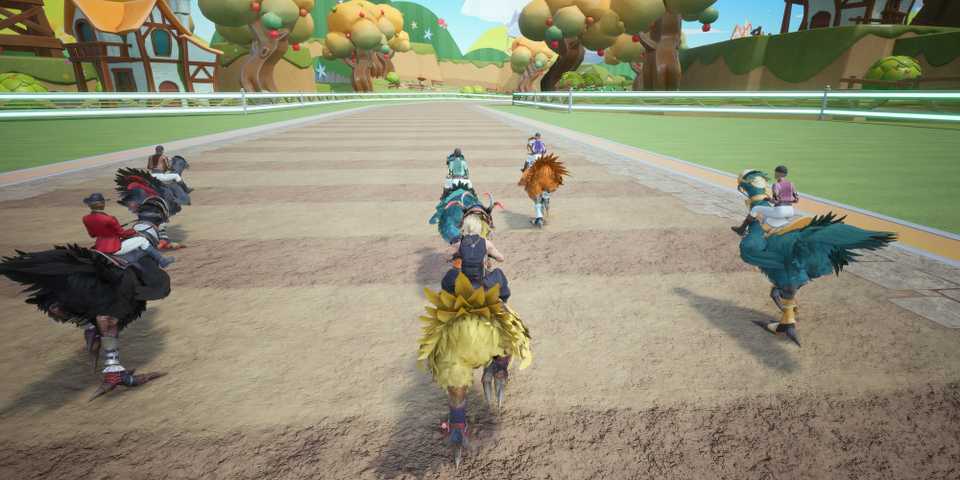
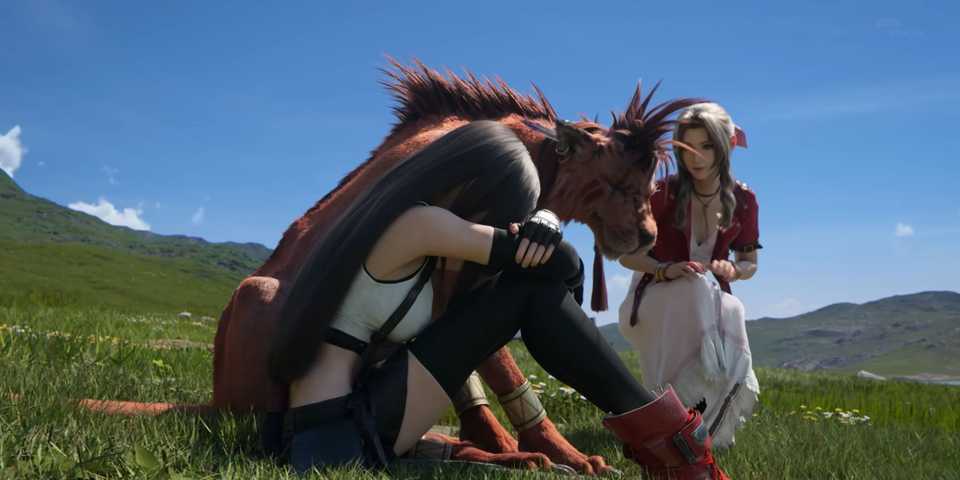
The way that these regional intel points are structured demonstrates Rebirth's emphasis on interactivity; through its myriad mini-games and side quests, even more narrative details open to build upon the game's cast, both through lesser NPCs and more prevalent supporting characters. Cosmo Canyon's protorelic missions, for example, give endearing flashbacks to the OG Avalanche team that hit even harder when placed within the spiritual context of the region. It is through these considerations that Rebirth's regions feel expressive beyond the party's plights, which in turn makes its world more lived in.


Final Fantasy 7 Rebirth


-
 OpenCritic Reviews
- Top Critic Avg: 92 /100 Critics Rec: 97%
- Released
- February 29, 2024
- ESRB
- T For Teen Due To Blood, Language, Mild Suggestive Themes, Use of Alcohol and Tobacco, Violence
- Developer(s)
- Square Enix
- Publisher(s)
- Square Enix



WHERE TO PLAY




- Engine
- Unreal Engine 4
- Franchise
- Final Fantasy
- Platform(s)
- PlayStation 5, PC
- Genre(s)
- RPG
- How Long To Beat
- 40 Hours
- PS Plus Availability
- N/A
