


The Final Fantasy 7 Remake trilogy is progressing smoothly towards its conclusion, with Final Fantasy 7 Rebirth having just migrated to PC and the third entry getting an early status report. Although it's taking a while to finish, the individual parts have been worth the wait, as FF7 Remake gave fans an in-depth tour of Midgar while Final Fantasy 7 Rebirth covered most of the overworld. Some story changes have been controversial, but the games as a whole have been respectful, beautiful, and fun counterparts to the original Final Fantasy 7.
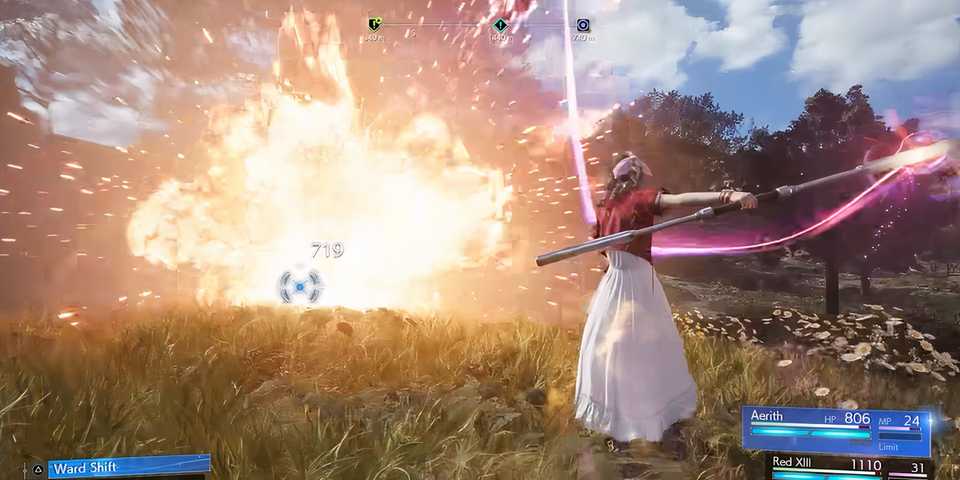
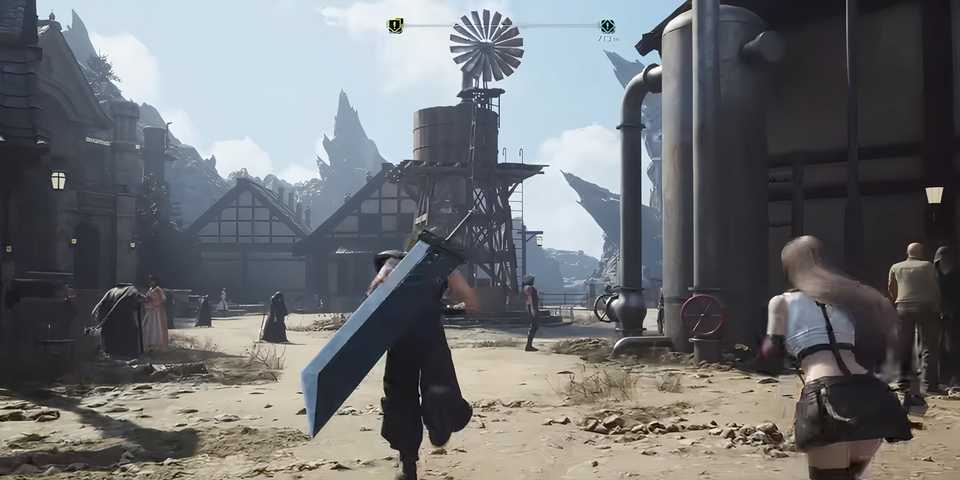
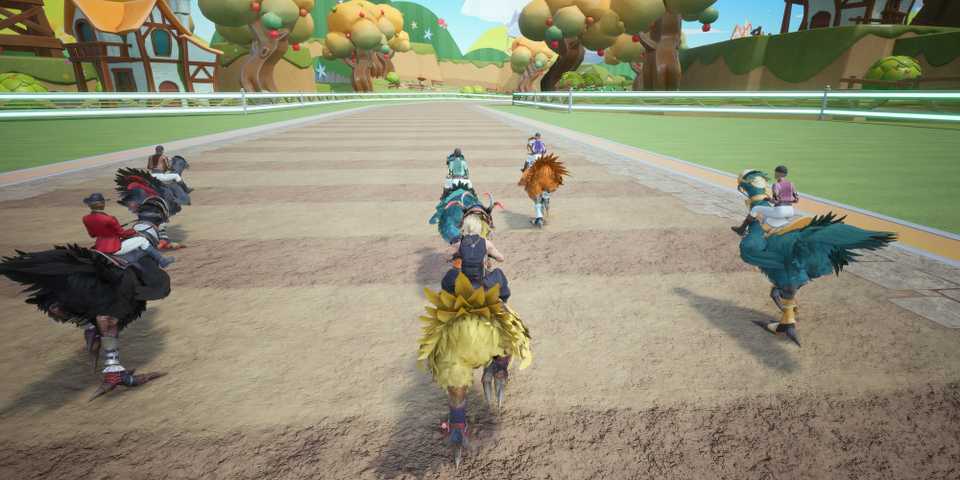
Exemplifying the virtue of “fun,” Final Fantasy 7 Rebirth urges players to get lost in its seemingly endless side activities and character customization, and the core gameplay tying them all together presents a firm foundation. Even without the original Active-Time Battle system making a return, its legacy is alive in the ATB resources and strategic paused menus that Remake and Rebirth use, while FF7’s Materia and weapons create even more builds and gameplay opportunities than ever before. It would be a shame to lose all of this work after the FF7R trilogy is complete, but fortunately, the Final Fantasy franchise has another avenue to keep it around.
Action Mechanics Have Mostly Prospered In Final Fantasy’s Side Games
While some fans have advocated for FF7 Remake and Rebirth’s real-time-with-pause combat to migrate to a mainline Final Fantasy entry, there's another direction it could take. Action combat was traditionally considered the domain of Final Fantasy spin-offs, like the Crystal Chronicles and Kingdom Hearts series. Even after Final Fantasy 15 and 16 made the jump to full action, spin-offs still have more room to experiment without any RPG expectations holding them back. The hybrid gameplay in FF7 Remake and Rebirth was designed to give action combat a Final Fantasy vibe, so just about any FF spin-off could use it and feel right, but one game would feel the most natural.
A Final Fantasy Type-0 Comeback Is Long Overdue
Final Fantasy Type-0 is an action RPG that's part of the Fabula Nova Crystallis series alongside Final Fantasy 13, but it always felt like it was meant for more. Even before the game’s international console and PC release in 2015, Final Fantasy Type-0 already had a spin-off of its own, accompanying trademarks for Type-1 through Type-3, and statements from director Hajime Tabata that he would like the Type-0 series to continue. It never did, as its own side games Agito and Awakening were both shut down by 2020, and Tabata left Square Enix, but there's now a good reason to finally bring Final Fantasy Type-0 back.
Final Fantasy 7 Rebirth Can Help A Type-0 Sequel Nail Its Gameplay
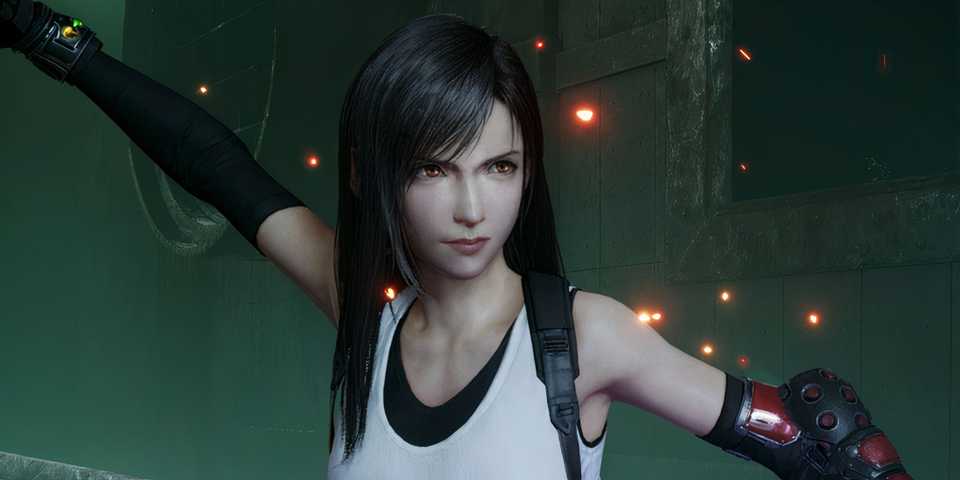
There are a surprising number of similarities between FF7 Rebirth and FF Type-0’s combat already, starting with their party system. Both games bring parties of three into fights, and allow for character-switching in real time. All of these party members play differently with their own abilities, and can equip both those unique skills, passives, and magic, with varying restrictions. Type-0 even has an Ability Gauge in addition to its MP, similar to Rebirth’s ATB Gauge, and summons that require fulfilling certain requirements to use. It's not hard to view Remake and Rebirth as direct upgrades from Type-0.
FF7 Rebirth Feels Like 13 Years Of Innovation Over Type-0
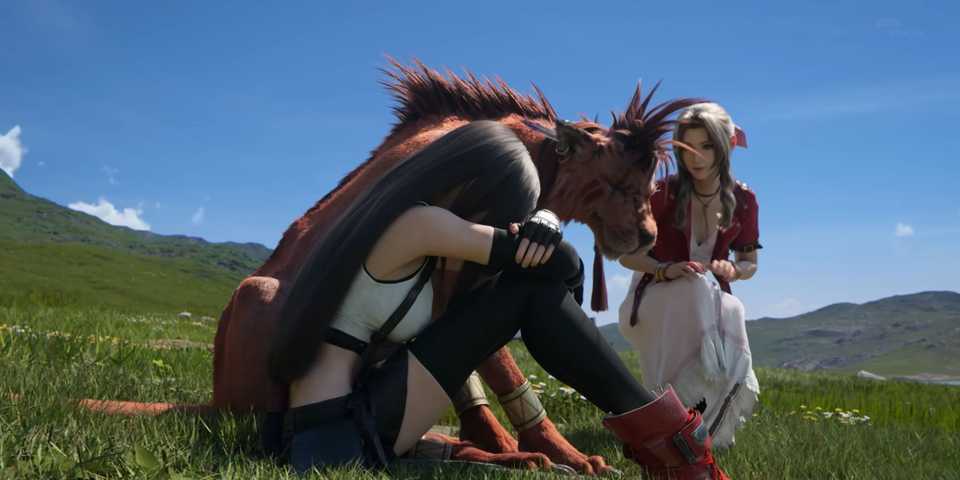
Of course, that's because the latter games have more to them. Character bonds are emphasized through FF7 Rebirth’s Synergy Skills and Synergy Abilities, real-time combat and party control are made more palatable thanks to the paused menu, weapons can impact a character’s base play style, and, most notably, party members can equip more than two abilities each. Final Fantasy Type-1 would have most of its combat design in place if it inherits Final Fantasy 7 Rebirth’s mechanics, all the while ensuring that one of Final Fantasy’s most impressive combat systems gets to stay in use.


Final Fantasy 7 Rebirth


-
 OpenCritic Reviews
- Top Critic Avg: 92 /100 Critics Rec: 97%
- Released
- February 29, 2024
- ESRB
- T For Teen Due To Blood, Language, Mild Suggestive Themes, Use of Alcohol and Tobacco, Violence
- Developer(s)
- Square Enix
- Publisher(s)
- Square Enix



WHERE TO PLAY




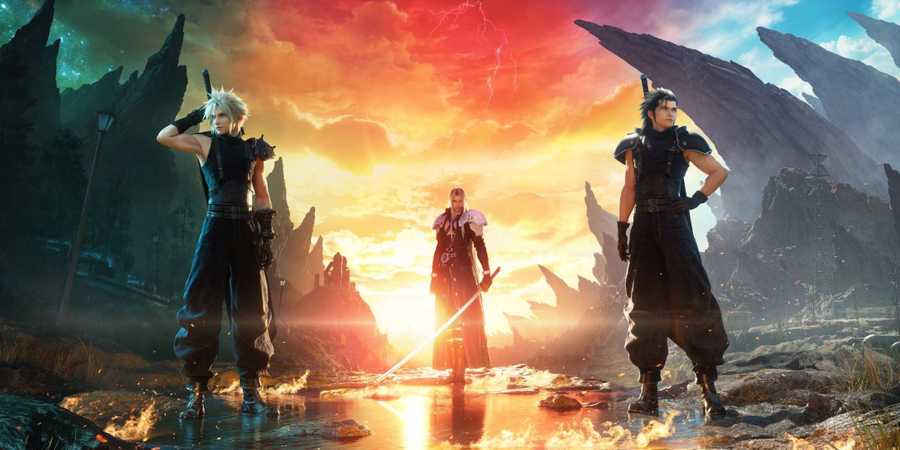
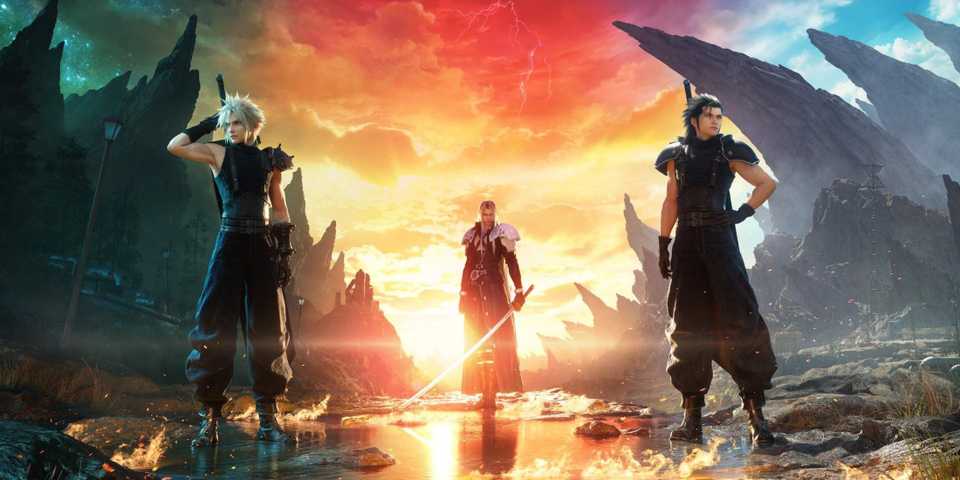
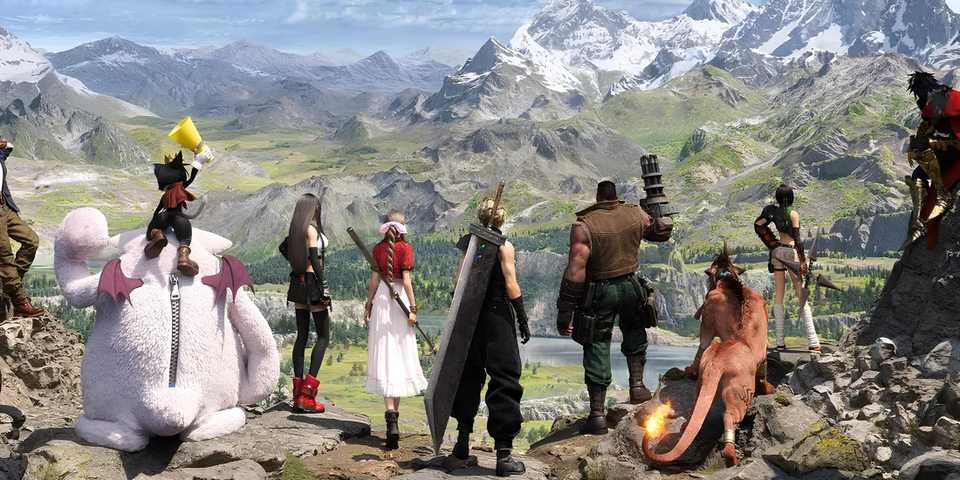
Discover a vibrant and vast world in this standalone entry in the Final Fantasy VII remake project. Final Fantasy VII Rebirth is the second entry in the Final Fantasy VII remake project, which retells the story of the genre-redefining RPG across three distinct games. Iconic heroes Cloud, Barret, Tifa, Aerith and Red XIII have escaped from the dystopian city Midgar and are now in pursuit of Sephiroth, the vengeful swordsman from Cloud’s past who was thought to be dead. This new adventure can be enjoyed by all players, even those who have yet to play Final Fantasy VII Remake or the PlayStation original. Expect a new standard of cinematic storytelling, fast-paced combat and rich exploration across a vast world.
- Engine
- Unreal Engine 4
- Franchise
- Final Fantasy
- PC Release Date
- January 23, 2025
- PS5 Release Date
- February 29, 2024
- Platform(s)
- PlayStation 5, PC
- Genre(s)
- RPG
- How Long To Beat
- 40 Hours
- PS Plus Availability
- N/A
- OpenCritic Rating
- Mighty
