


Summary
- Oblivion Remastered retains the spiritual weight and thematic depth that Skyrim lacks.
- Oblivion Remastered offers a darker, quieter, and eerier atmosphere compared to Skyrim.
- The Hero of Kvatch in Oblivion Remastered is a more relatable and grounded character than the Dragonborn in Skyrim.
The Elder Scrolls 5: Skyrim has long been considered the best Elder Scrolls game ever made, and for plenty of good reasons. Firstly, it is still the most expansive Elder Scrolls game to date — not counting The Elder Scrolls Online — and that world is free for players to explore at their leisure. Additionally, its open-ended game design in general, from its quests to many parts of its story, are considered high points by many. However, even with all that Skyrim has going for it, there is a spiritual weight to Oblivion, and now The Elder Scrolls 4: Oblivion Remastered, that Skyrim simply can't touch.
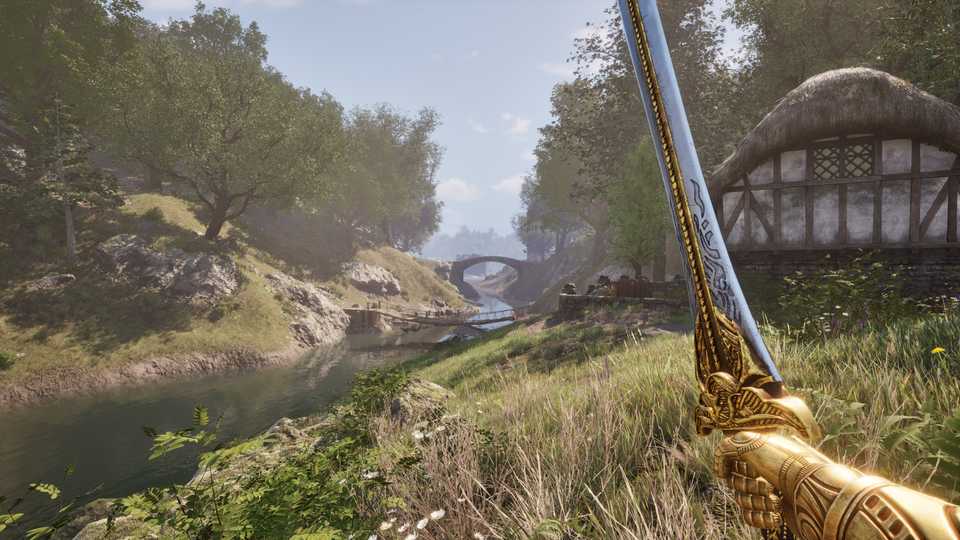
Since The Elder Scrolls 4: Oblivion Remastered retains the spirit and design of the original game, it's essentially the same experience at its most fundamental level. Something Oblivion Remastered accomplishes for the original game, though, is that it highlights what made the original Oblivion so great by visually and mechanically enhancing its world to reach closer to modern standards. In doing so, it highlights one of the biggest aspects of The Elder Scrolls that was lost in Skyrim, despite the status it maintains as the best Elder Scrolls game ever made.

Oblivion Remastered's Personality System Proves the Original's Was Always Ahead of Its Time
Oblivion Remastered’s revamped Persuasion and Personality systems show how the original was already innovating RPG mechanics years ahead of others.
Oblivion Remastered Outdoes Skyrim on a Thematic and Atmospheric Level
Oblivion Remastered's Themes Reach Deeper Than Skyrim's
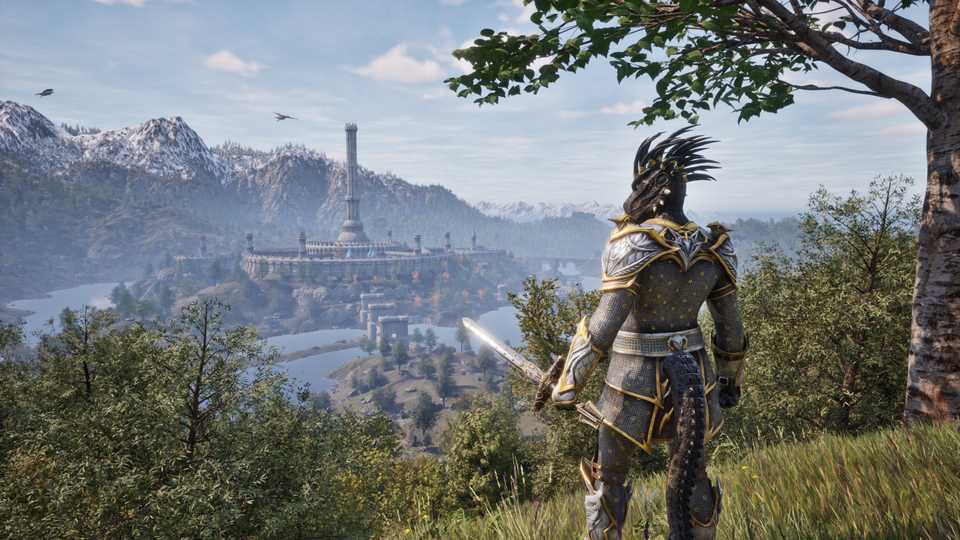
In Oblivion Remastered, players aren't framed as a chosen one born with power, but as a prisoner drawn into the impending doom of an empire. In many ways, players can relate to Oblivion Remastered's playable character, the Hero of Kvatch, as they are thrust into a world filled with unknown possibilities that can't be conquered by a hero with supernatural powers. Being such a destined character of prophecy in Skyrim, the Dragonborn, players are likely to feel as though they can overcome any danger ahead of them, but as an ordinary individual in Oblivion Remastered, they have no choice but to rely on their personal strengths to accomplish their goals.
Since The Elder Scrolls 4: Oblivion Remastered retains the spirit and design of the original game, it's essentially the same experience at its most fundamental level.
There's a more spiritual side to Oblivion's story — and it's highlighted in Oblivion Remastered — that deals with sacrifice, divine absence, and cosmic responsibility in a way that Skyrim never really touches. As a normal individual in a world doomed to fall, players pick up the weight of what in any other story would be handed off to the one whose destiny it is to fulfill such a responsibility. In Oblivion Remastered, however, players are required to carry the weight of the world on their shoulders, not because they are a character of prophecy, but because they were in the right (or wrong) place at the right time, and to neglect that responsibility would be both morally and ethically defiant.
Oblivion Remastered Is Much Quieter, Darker, and Eerier Than Skyrim
Oblivion Remastered, like the original game, is also much quieter, darker, and eerier than Skyrim ever gets, and much of this is due to the status of the playable character. Rather than being on top of the world as the Dragonborn in Skyrim, players are more or less bearing witness to the world from ground level. There is a degree of life in Skyrim's world that Oblivion Remastered's Cyrodiil doesn't possess, which even comes down to the number of NPCs and substories players can find throughout. Even Oblivion Remastered's dungeons achieve a tension that Skyrim's never did, and its story is thematically much darker overall.
How Oblivion Remastered's themes compare to Skyrim's is made evident by each game's title. Skyrim is named after the province itself, indicating a focus on its world, since that was a big part of its success. Oblivion Remastered, on the other hand, is named after the very thing that is threatening the world, making its premise much more foreboding.
At its core, The Elder Scrolls 4: Oblivion Remastered captures a feeling that Skyrim, for all its achievements, never quite managed to reach. It pulls players into a fragile world on the brink of collapse, where the weight of unseen forces presses in on every decision. It reminds players that greatness is not always born from destiny, but sometimes from choosing to stand when no one else will. In doing so, Oblivion Remastered reaffirms that the strongest stories are not always the ones about being powerful, but about being willing to take on the burden.




-
 OpenCritic Reviews
- Top Critic Avg: 82 /100 Critics Rec: 87%
- Released
- April 22, 2025
- ESRB
- Mature 17+ // Blood and Gore, Sexual Themes, Violence
- Publisher(s)
- Bethesda







WHERE TO PLAY





- Engine
- Unreal Engine 5
- Genre(s)
- Action, RPG, Open-World, Adventure
