


Summary
- Gameloft's upcoming D&D game will offer a unique blend of survival, life simulation, and RPG elements, setting it apart from Baldur's Gate 3.
- The game should avoid featuring the iconic city of Baldur's Gate, as it would draw needless comparisons to the successful Baldur's Gate 3.
- To excel as a survival adventure, Gameloft's title should focus on uncharted wilderness and small villages, rather than urban settings like Waterdeep.
Wizards of the Coast are looking to bring Dungeons and Dragons to greater and greater heights, with a major film, the award-winning powerhouse Baldur's Gate 3, new 2024 rulebooks, and further moves into the videogame market. One of these moves involves an upcoming D&D survival game from Gameloft, a title that should make one crucial move to avoid an obvious cliché.
Back in March, Disney Dreamlight developer Gameloft Montreal announced their upcoming D&D game. The studio's X post on the subject stated that this (currently unnamed) game would be a "hybrid of survival, life simulation and action RPG," a stark contrast to games like Baldur's Gate 3. That title's success, however, undoubtedly influenced this move towards more video games. Even the TTRPG itself is diving more into the gaming market; not only is WOTC placing more emphasis on digital sales through D&DBeyond, but its upcoming VTT (Virtual TableTop) is looking to arrive with console availability.
Gameloft's D&D Title Should Avoid A Trip To Baldur's Gate
Though it's confirmed that Gameloft's project will take place in D&D's Forgotten Realms setting, the same world Baldur's Gate 3 is set in, there are parts of that setting the title should avoid. Most notably, the city of Baldur's Gate would be a poor fit for what this new game claims to be. While fans don't know much, many factors are working against such an inclusion, even if Baldur's Gate is an incredibly iconic locale. Gameloft should cut the trend of Baldur's Gate being shoehorned into D&D media.
Gameloft Shouldn't Try To Step On The Toes Of Baldur's Gate 3
The Forgotten Realms setting is already overused, practically becoming the default D&D setting as opposed to other popular worlds like Ravenloft or Greyhawk. However, Baldur's Gate in particular has skyrocketed in oversaturation. The most major use of the city right now is in Baldur's Gate 3, where it takes top billing. It's also featured in the other Baldur's Gate games and the adventure Baldur's Gate: Descent Into Avernus and is easily one of the most recognizable parts of D&D.
With the weight of these expectations, it would make sense for Gameloft to give the city a miss. If Baldur's Gate is a big part of the project, it will draw immediate comparisons to Baldur's Gate 3's critical and financial stardom. Not to say Gameloft would fall short of these expectations, but it would be better for its game to do its own thing. The city has already had more than enough time in the spotlight, and it would be healthier for a new game and for D&D as a franchise to get new fans invested in more locales.
The Survival Aspect Of Gameloft's Title Should Look To The Wilds
Furthermore, Gameloft's D&D game will be a survival title. For this reason, the project may be better suited to skipping out on urban areas as a whole. Not just Baldur's Gate, but other major cities like Waterdeep or Neverwinter may stand in the way of a survival adventure. The game could center on small villages like Phandalin or stretches of uncharted wilderness. Indeed, rolling on random encounter tables, keeping watch around a campfire at night, and unearthing ancient tombs under hills or out in the woods are the escapades that really capture classic D&D survival.
On the other hand, there are urban hubs in the Forgotten Realms that are known to few outside the circles of hardcore fandom. D&D and the media surrounding it have been chained to the Sword Coast, the part of the Forgotten Realms that houses Baldur's Gate, for most of 5e. As the game enters into a new era with 2024's upcoming rule updates, dormant parts of the Forgotten Realms should be explored and enjoyed.
- Franchise
- Dungeons & Dragons
- Original Release Date
- 1974
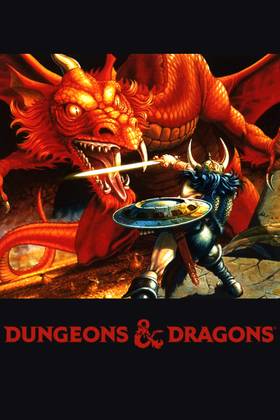
Created by Gary Gygax, Dungeons & Dragons is a tabletop game in which players craft their own worlds and band together to take on adventures through mysterious realms outlined in companion materials. One of the best role-playing games ever made, it has been adapted into a variety of video games and other media.
Checkbox: control the expandable behavior of the extra info- Publisher
- Wizards of the Coast
- Designer
- E. Gary Gygax, Dave Arneson