


Summary
- D&D 2024 Player's Handbook updates include a better layout & clearer jargon through a rules glossary.
- D&D 2024 drops species proficiencies in weapons and armor, enhancing worldbuilding & balancing.
- Casters in D&D 2024 are more limited in armor & weapon options, narrowing the power divide between martial and magical classes.
Dungeons and Dragons' 2024 Player's Handbook is being shown off by content creators, revealing the book's full contents. This recent unveiling has confirmed one way in which the 2024 revision of Dungeons and Dragons has rebalanced character options.
D&D 2024 brings many changes to the Player's Handbook, which will soon be hitting shelves for all players. While its 2014 iteration is a fantastic book that has helped bring millions of players into the hobby, 2024 gives it some necessary updates. Layout tweaks are a big one, with the 2024 PHB being far easier to parse. Not only is it better formatted, but it includes a rules glossary that makes the jargon of D&D much clearer—something that's also been cleaned up throughout the guide, with greater consistency reigning throughout.

Baldur's Gate 3: Weapons You Can Only Craft
Similar to other RPGs, players of Baldur’s Gate 3 have the opportunity to create a wide variety of items to use in their playthroughs.
D&D 2024 Is Making The Right Call By Forgoing Species' Proficiencies
There have also been many mechanical changes made in D&D 2024, with species (formerly known as races) seeing quite the share. Not only are they no longer the source of beginner ability score boosts, but every species option has received reworks. The most noticeable among these is the fact that no species present receives weapon or armor proficiencies. This was pretty standard in 2014, with staple races like elves and dwarves seeing this trait. Despite the loss of a feature, this is actually a great change for the game, serving as a boon for worldbuilding and balancing.
Species Having These Proficiencies Makes Little Sense
A lot has been said about how having mental stat increases tied to certain D&D races has been problematic, but weapon/armor proficiencies are just as strange when tied to race. Not every dwarf would receive training in the way all dwarves would have darkvision or poison resistance, especially if they grew up somewhere not versed in arms. This D&D rule change, limiting species to traits that any one example of the group could always have, makes much more sense from a worldbuilding perspective.
Casters Are More Limited With Their Armor And Weapon Options, And That's Good
D&D 2024's backgrounds follow the cue of species here, with the feats they grant limited to Origin Feats, none of which grant weapon or armor proficiencies. Now casters have to multiclass or take feats at later levels (both of which have a host of prerequisites) to gain the benefits of more powerful armaments. This is a stark change to D&D 5e's past 10 years of progression design; a wizard could gain medium armor proficiency by just being a hill dwarf. This would rectify the squishy downsides of playing a wizard, driving the martial-caster divide to an astronomical extreme.
Within the ecosystem of D&D 2024, this is no longer an issue. In fact, the divide is smaller than it's ever been: some spells have been nerfed, weapon masteries have been added, and martials have seen major buffs. There's still something of a power gap, but at least now martials can do more that casters simply can't—giving them the chance to strut their stuff. Allowing martials to have something of a monopoly on martial weapons and medium/heavy armor is a great way to nerf casters in a way that doesn't diminish the fun of playing a mage, only serving to limit total optimization.
This change also gives space for species to have more unique traits, something many D&D species struggle with—granting bonus spells and proficiencies rather than unique abilities. The new Player's Handbook doesn't excel at this, with many species falling back on granting spells, but options like goliath and aasimar are gaining a smorgasbord of individualized features. Future sourcebooks should use the new room to grant more distinct powers to whatever new species they brew up.
- Franchise
- Dungeons & Dragons
- Original Release Date
- 1974
- Publisher
- Wizards of the Coast
- Designer
- E. Gary Gygax, Dave Arneson
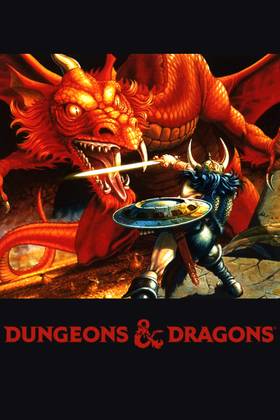
Created by Gary Gygax, Dungeons & Dragons is a tabletop game in which players craft their own worlds and band together to take on adventures through mysterious realms outlined in companion materials. One of the best role-playing games ever made, it has been adapted into a variety of video games and other media.
Checkbox: control the expandable behavior of the extra info