


Summary
- Spell components in D&D provide a balance to powerful spells, encourage creativity, and add immersion to gameplay.
- Material components can be a rewarding challenge, but ensure clear expectations with the DM.
- Verbal and somatic components are easier to work with, but limitations can create memorable moments in gameplay.
Dungeons and Dragons has several systems in place for both DMs and players to make achievements and milestones more rewarding. One of the biggest decisions a DM has to make when crafting a new campaign is the question of spell components. Spell components can make or break a campaign by turning even the most interesting story into a tedious resource-gathering mission or, at worst, limit players so they can't cast even basic spells. However, spell components are there for a reason, and can be used creatively in Dungeons and Dragons to give players a feeling of accomplishment.
Spell components in Dungeons and Dragons 5e can be verbal, somatic (hand gestures), or material. Material spell components are often mundane items that can be fulfilled with a component pouch, but higher-level spells require rare and costly items such as diamonds, expensive oils, or statues encrusted with gemstones. Foregoing the component pouch and embracing material spell components can be a rewarding way to play, but needs to be done with the drawbacks of doing so in mind, including making sure both the DM and players are on the same page.

Dungeons and Dragons' Updated Player's Handbook is a Huge Loss for One Class
Dungeons and Dragons' is getting a major rules update, but its newly revised Player's Handbook doesn't seem to honor one beloved class.
Reasons to Use Spell Components in Dungeons and Dragons
Spellcasting is a powerful ability in Dungeons and Dragons, and spell components are one of the ways to mitigate the power creep that inevitably comes with it, especially at higher levels. Spells like Heroes' Feast, Revivify, or Wish, which are high-level or should only be used in exceptional, rare circumstances, benefit from having a barrier to access them aside from character level and spell slots. Gathering these components for these high-level spells can be a quest in and of itself, or the reward for one.
Another benefit of using spell components is that it gives both players and the DM a chance to add creativity to DnD spellcasting. Rather than simply stating that a spell has been cast, using an object to cast the spell in a certain way and interpreting it through the lens of that character, their class, and background, is a wonderful tool for roleplaying and creativity. Spell components also add immersion to gameplay, and could possibly distinguish spellcasting classes that tap into magic naturally such as Sorcerers from the other spellcasting classes that either channel their magic through a patron or other external source, or harness their magic through learning.
How Using Spell Components Can Go Wrong
Lacking spell components can limit gameplay, especially if the spells that require components are core to a build. Spell components can be expensive, rare, or take up space in a character's inventory. The player behind a spellcasting character and the DM of a campaign can also have different expectations of how to implement spell components. For example, if they should only be used on rare occasions for special spells, or if they should be commonly used for more common spells.
Expectations about spell components and other issues such as this should be resolved during Session 0 so that the DM and the players are on the same page. DMs can stick to the required components for spells as stated in the Dungeons and Dragons sourcebooks, or they can create their own spell components for situations and spells that suit the campaign better.
Verbal and somatic components of spells are easier to work around than the material requirements, but in certain situations such as being Silenced, underwater, or otherwise unable to speak or having hands bound, spellcasting becomes impossible. These are good limitations on spellcasting that make gameplay and roleplaying more creative in DnD and set up memorable moments at the table. However, they need to be moments, and not become nuisances that make gameplay drag.
- Franchise
- Dungeons & Dragons
- Publisher
- Wizards of the Coast
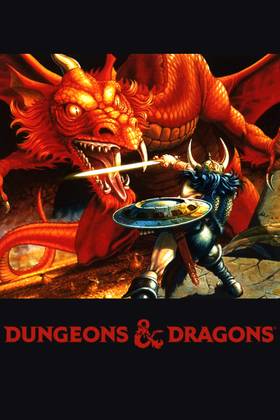
Created by Gary Gygax, Dungeons & Dragons is a tabletop game in which players craft their own worlds and band together to take on adventures through mysterious realms outlined in companion materials. One of the best role-playing games ever made, it has been adapted into a variety of video games and other media.
Checkbox: control the expandable behavior of the extra info- Original Release Date
- 1974
- Designer
- E. Gary Gygax, Dave Arneson