


This article contains spoilers about Clair Obscur: Expedition 33's Paintress identity, early game spoilers for Final Fantasy 10, and revelations about Shadowheart's personal narrative in Baldur's Gate 3.
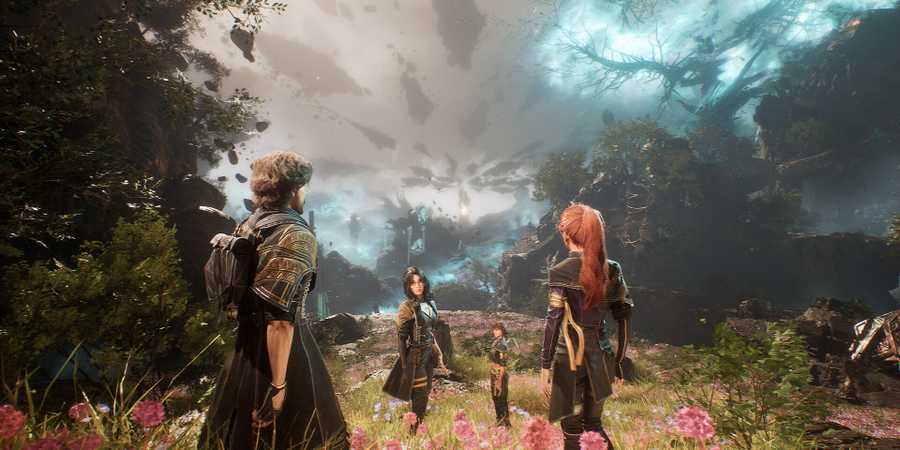
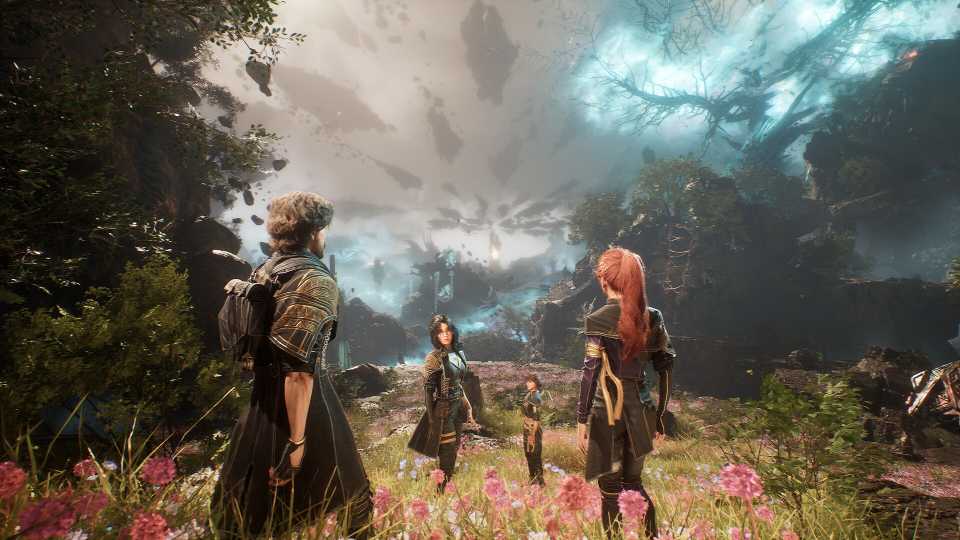
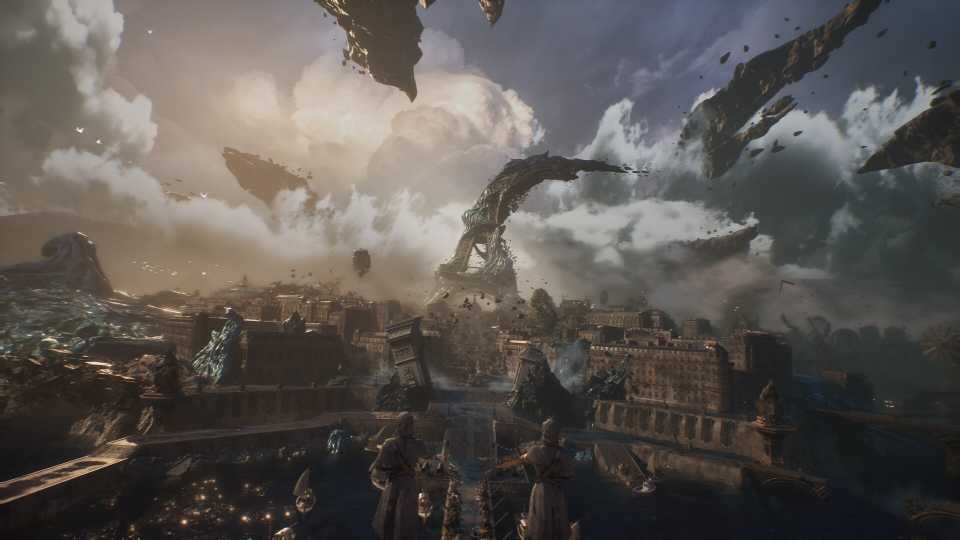
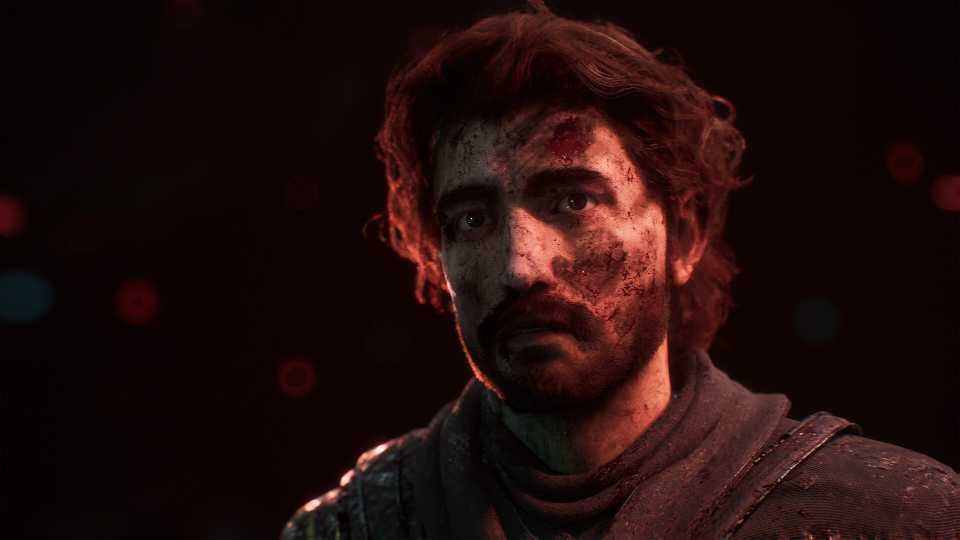
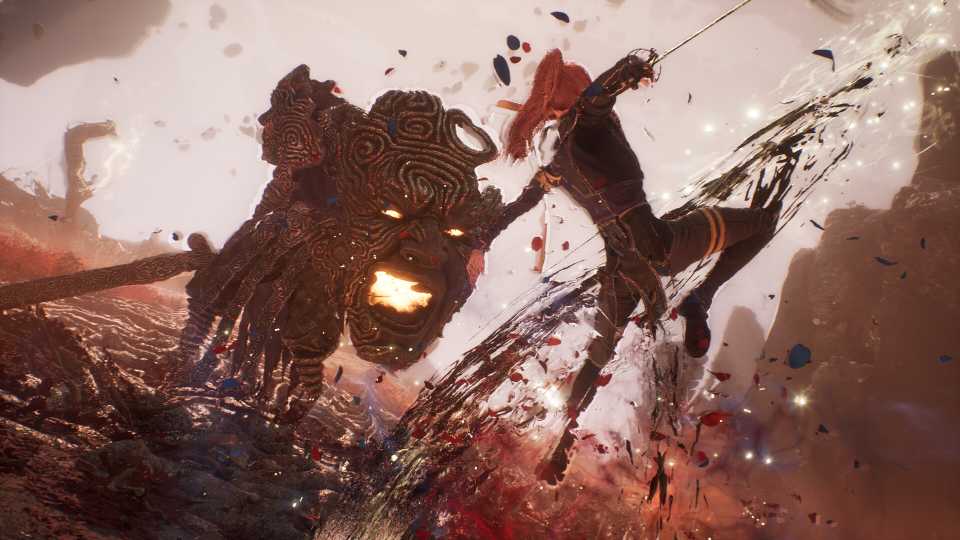
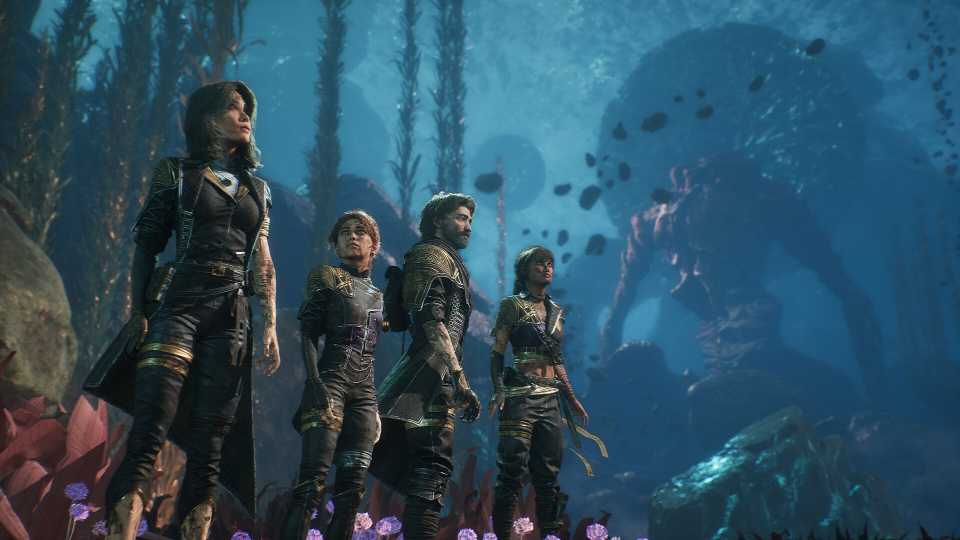
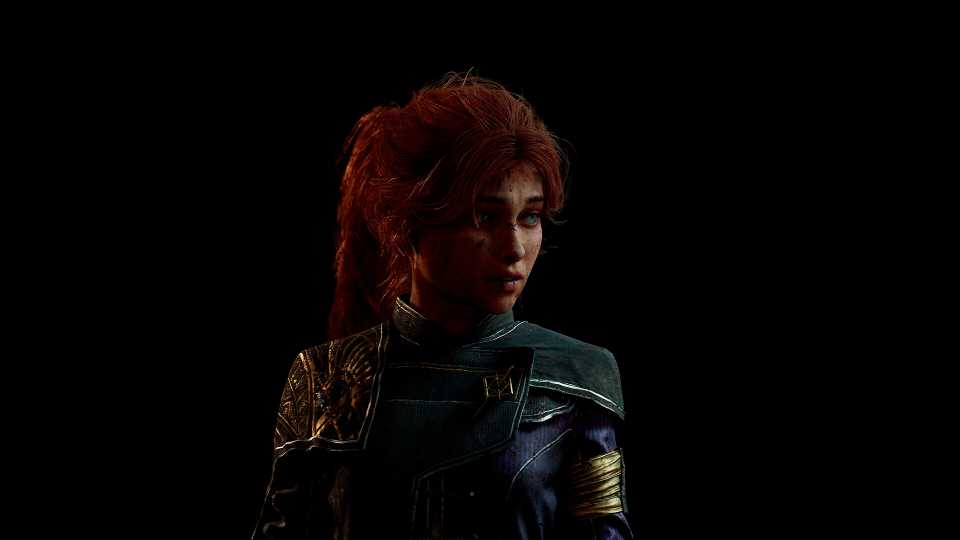
Clair Obscur: Expedition 33 is a breakout title that pushed boundaries with its painterly visuals, rhythmic combat, and layered emotional storytelling. Developed by the small team at Sandfall Interactive, the game has sold over 3.3 million copies, standing out during a crowded release window that included The Elder Scrolls 4: Oblivion Remastered. Even French President Emmanuel Macron publicly congratulated the team—a rare moment of national recognition for a debut RPG.
Its success can be traced to a strong narrative core, an unconventional turn-based combat system, and a world that draws from art history, music, and existential dread. Players looking for their next experience may find it in one of the following games, each offering something that reflects or deepens the themes of Clair Obscur: Expedition 33.

Legend of Dragoon Addition Tier List
The Additions in Legend of Dragoon give the game its unique rhythm-action combat, but not all of these extended combos are made the same.
Legend of Dragoon Combat Feels Surprisingly Familiar
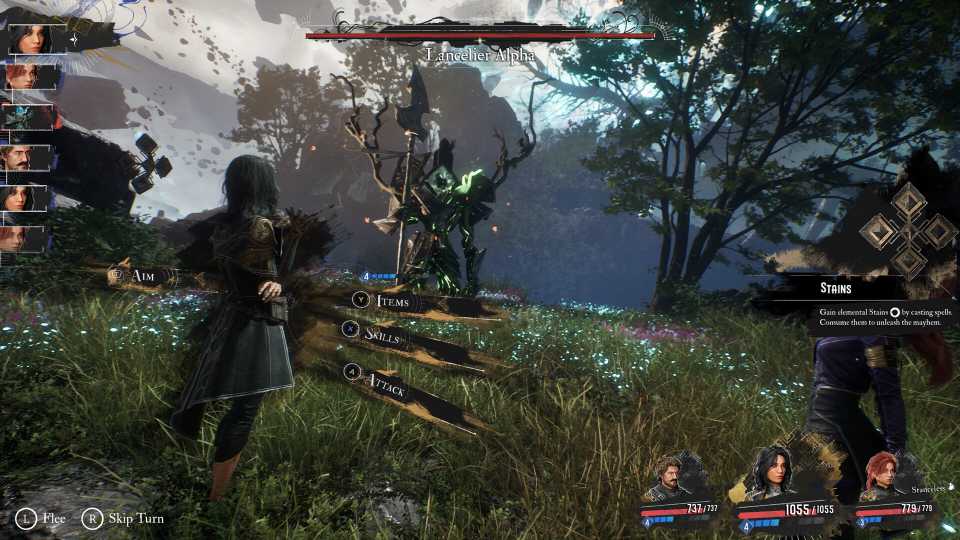
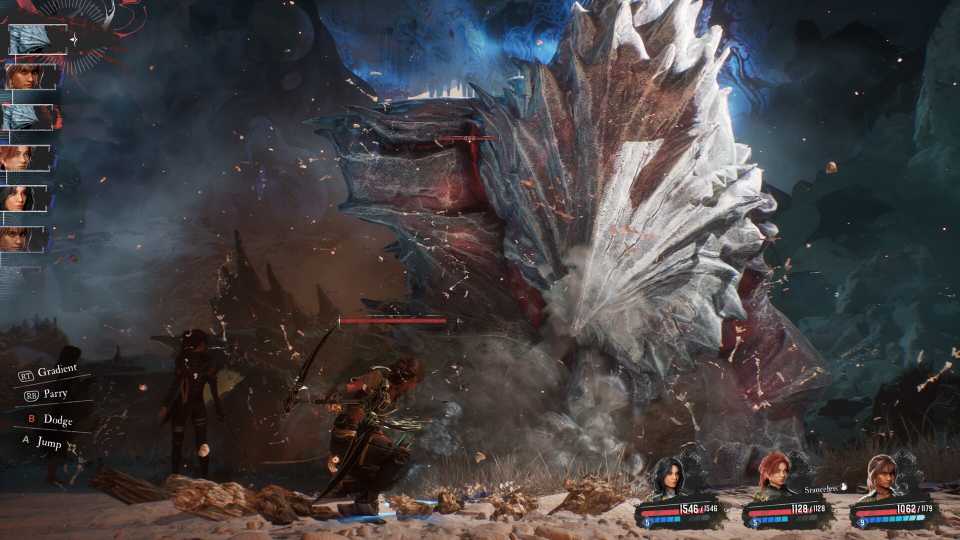
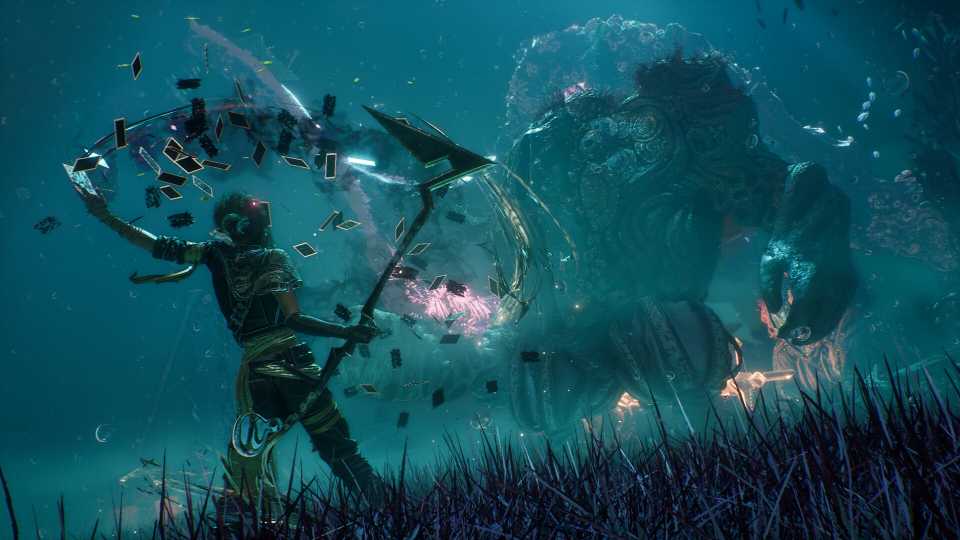
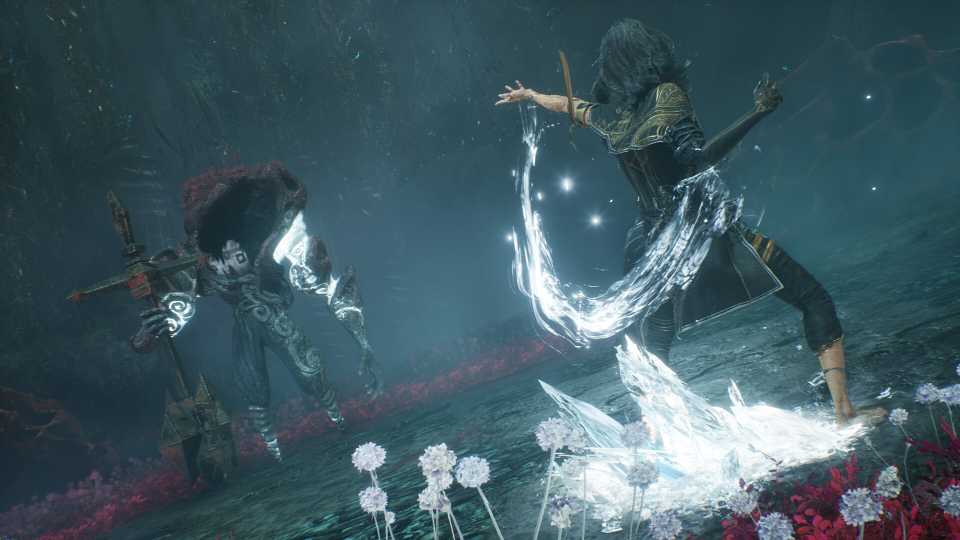
Many players noted that Clair Obscur’s rhythmic attacks brought to mind The Legend of Dragoon. In that 1999 title, players perform timed button presses during attacks called “Additions,” which made basic actions more interactive and satisfying. That mechanic is echoed in Clair Obscur, where spells and melee strikes often require timing-based inputs to land critical hits or stagger enemies.
The two games also mirror each other in how they treat transformation. In The Legend of Dragoon, characters unlock Dragoon forms that change their abilities and animations mid-fight. Clair Obscur similarly lets Maelle shift combat flow with unlockable skills that change tempo and allow chain reactions, especially during the painterly “Final Touch” sequences.
While The Legend of Dragoon shows its age with sluggish pacing and dated localization, it still captures a raw emotional intensity. Dart’s mission to avenge his village and uncover his lineage offers a familiar blend of grief and duty, much like Maelle’s reluctant role in certain story events.
The PS4 and PS5 versions of The Legend of Dragoon include save states and rewind features, which help offset its slower moments and make it easier for modern players to enjoy.
Final Fantasy 7 Rebirth and the Weight of Fate
Both Final Fantasy 7 Rebirth and Clair Obscur explore the heavy theme of fate. In Rebirth, the party grapples with the implications of the Whispers, ghostly entities that enforce destiny. In Clair Obscur, the selection of those destined to die is final, and Maelle’s role is heartbreakingly interconnected with it. Players who enjoyed the tension between choice and predetermination will find a deep narrative parallel.
The comparison between Aerith and Maelle also goes beyond visual elegance. Both characters serve as emotional centers in their respective stories and carry burdens they rarely voice aloud. In Rebirth, Aerith’s cryptic awareness of future events adds a layer of tragedy. Similarly, Maelle’s internal monologue and journals provide insight into the guilt she carries.
Combat in both games blends action with pause-and-plan mechanics. In Rebirth, players can freeze time using Tactical Mode to issue commands, while Clair Obscur uses rhythmic spell casting and paint-based abilities that feel responsive and deliberate. An example from Rebirth is the ability to synergize Aerith’s “Ray of Judgment” with Cloud’s “Infinity’s End,” echoing how Maelle’s late-game spells require coordination between timing and enemy vulnerability states.
Final Fantasy 16 Offers Intensity and Introspection
Final Fantasy 16 is a more controversial choice, but there is thematic overlap and a shared commitment to character-driven storytelling. Clive, like Maelle, is shaped by tragedy and betrayal. His homeland is destroyed, his family torn apart, and his own identity questioned throughout the game. For players who connected to Maelle’s quiet unraveling, Clive’s emotional arc offers a similar introspective journey.
The voice actor, Ben Starr, brings FF16's Clive to life with a performance that mixes restraint and fury. That’s particularly evident during the Phoenix Gate scene, where Clive relives a traumatic moment in slow, suffocating detail. Maelle’s breaking point during the latter parts of Clair Obscur shares that same emotional clarity.
The combat in Final Fantasy 16 discards party systems in favor of one-on-one combat with cinematic spectacle. For example, players can summon Eikonic abilities like Titanic Block or Garuda’s Deadly Embrace to interrupt enemy patterns. While more action-focused than Clair Obscur, both games emphasize visual flair and clean inputs over overwhelming systems.

Xenoblade Chronicles 3 Balances Lore and Humanity
Indeed, Xenoblade Chronicles 3 and Clair Obscur both anchor their conflicts in existential dread. In Xenoblade 3, characters are born into a war they don’t fully understand and are locked into ten-year lifespans known as “terms.” The parallels to Clair Obscur’s annual purge of artists, those most connected to emotion and rebellion, are stark.
Xenoblade 3’s lead duo, Noah and Mio, are Off-Seers who play flutes at the funerals of the fallen. Music is woven directly into the worldbuilding. That artistic use of sound mirrors how French classical music plays an atmospheric and narrative role in Clair Obscur. The moment when Mio’s melody lingers over a battlefield in Chapter 5 recalls Maelle’s solitary violin scene after a pivotal loss.
Combat in Xenoblade 3 revolves around class-swapping and Ouroboros transformations. These require long-term planning, but moment-to-moment control is satisfying. A concrete example is how the “Incursor” class allows critical damage chains that require positional awareness and cooldown management, an echo of how Clair Obscur demands focus and precision from players juggling rhythm patterns and enemy weakness cycles.
Lost Odyssey Builds Emotion Through Silence
Lost Odyssey is often remembered for its “A Thousand Years of Dreams” novella segments, but the core game tells its story just as effectively through quiet observation. Kaim, the immortal protagonist, begins the game without memory, mirroring how Clair Obscur feeds players information slowly through environmental design and side stories rather than lengthy exposition.
One memorable example comes from the “A Thousand Years of Dreams” segments, particularly the story titled A Hero’s Return. In it, Kaim visits a village that worships a fallen soldier. The quiet restraint of his revelations in this moment mirrors Clair Obscur’s environmental storytelling, like when Maelle finds remnants of a forgotten artist's final work. Both games trust the player to find significance in silence, rather than action.
Mechanically, Lost Odyssey uses a ring-based combat system that requires players to time their attacks to deal extra damage, not unlike how Maelle’s brush strokes must land within narrow windows to achieve bonus effects. Both games require presence, not just inputs.
Final Fantasy 10 Grapples with Death and Duty
In Final Fantasy 10, Yuna embarks on a pilgrimage to defeat Sin, a monstrous being that terrorizes the world. The twist is that this ritual comes at the cost of her life. Maelle’s role in Clair Obscur as the “Paintress,” tasked with executing chosen artists, carries a similarly sacrificial undertone.
One concrete story parallel is the Farplane scene in Final Fantasy 10, where the dead appear as memories. Tidus watches his mother fade into pyreflies, questioning what is real. In Clair Obscur, the hallucinated encounter with a deceased comrade during a fever dream sequence invites that same discomfort with memory and mortality.
The Conditional Turn-Based (CTB) system in Final Fantasy 10 allows players to manipulate turn order by selecting faster abilities or debuffs. For instance, using Haste or Delay Buster creates control over enemy movement, much like how Maelle’s slow spells lock down enemy actions if executed with proper timing.

The 27 Best PS5 RPGs, Ranked (2025)
The best PS5 RPGs find ways to push the console to its limits, providing players with an engrossing experience unlike anything else that came before.
Baldur’s Gate 3 and the Power of Single-Player Design
At first glance, Baldur’s Gate 3 seems mechanically unrelated. Its Dungeons & Dragons framework uses dice rolls, party tactics, and grid-based combat. Yet its core design philosophy shares a heartbeat with Clair Obscur: emotional storytelling, consequences that matter, and faith in single-player experiences.
Actor Jennifer English voices both Clair Obscur's Maelle and BG3's Shadowheart. In Baldur’s Gate 3, Shadowheart’s internal conflict over her devotion to Shar creates several pivotal moments. One specific example occurs in Act 2, when players discover the fate of her parents. The player’s influence changes how she processes the revelation. In Clair Obscur, Maelle’s breakdown in the latter part of the story builds toward a similar climax where emotion overrides duty.
Both games also allow characters to shape the world not just through combat but through presence. In Baldur’s Gate 3, a high Charisma stat lets players defuse conflicts. In Clair Obscur, players can examine brush strokes in destroyed murals to learn about the victims. There are no branching paths, but the world responds to quiet observation.
Clair Obscur: Expedition 33 leaves a lingering ache, the kind that only certain games can stir. Each of the titles listed here offers a different path forward, but all share the courage to confront mortality, memory, and meaning. Whatever players choose next, it’s clear that Clair Obscur has set a new standard for what a first journey can be.




-
 OpenCritic Reviews
- Top Critic Avg: 92 /100 Critics Rec: 98%
- Released
- April 24, 2025
- ESRB
- Mature 17+ / Blood and Gore, Strong Language, Suggestive Themes, Violence
- Developer(s)
- Sandfall Interactive
- Publisher(s)
- Kepler Interactive



WHERE TO PLAY






- Engine
- Unreal Engine 5
- Number of Players
- Single-player
- Steam Deck Compatibility
- Playable
- PC Release Date
- April 24, 2025
- Xbox Series X|S Release Date
- April 24, 2025
- PS5 Release Date
- April 24, 2025
- Genre(s)
- Turn-Based RPG, JRPG, Fantasy
- Platform(s)
- PlayStation 5, Xbox Series X, Xbox Series S, PC
- OpenCritic Rating
- Mighty
- X|S Optimized
- Yes
- File Size Xbox Series
- 42.33 GB
- Wiki
