


The following contains major story spoilers for Clair Obscur: Expedition 33.
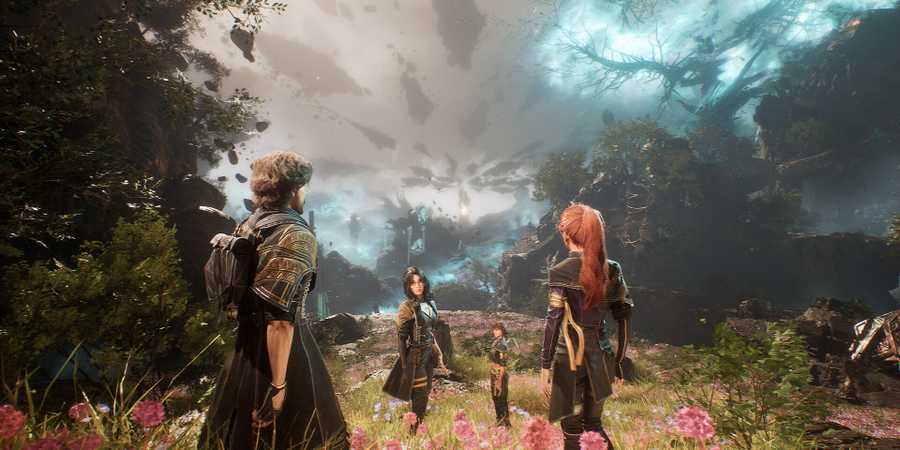
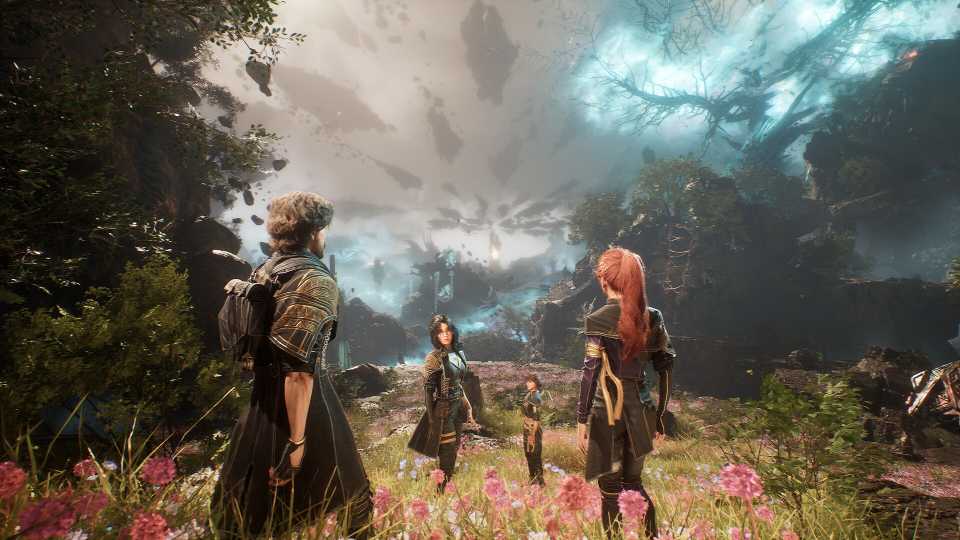
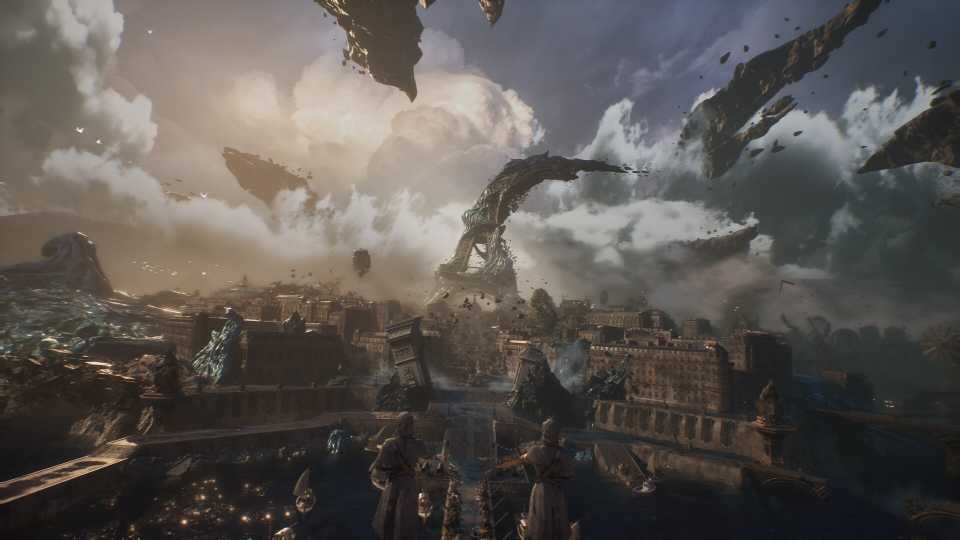
Not all fantasy games rely on grand prophecies or world-ending catastrophes to create emotional weight; some of the most powerful stories in the genre are rooted in something far more personal: family. Clair Obscur: Expedition 33 and God of War may come from different corners of the gaming world—one a French surrealist RPG, the other an action series steeped in Norse mythology—but both use their fantastical settings to frame grounded, deeply human family conflicts.
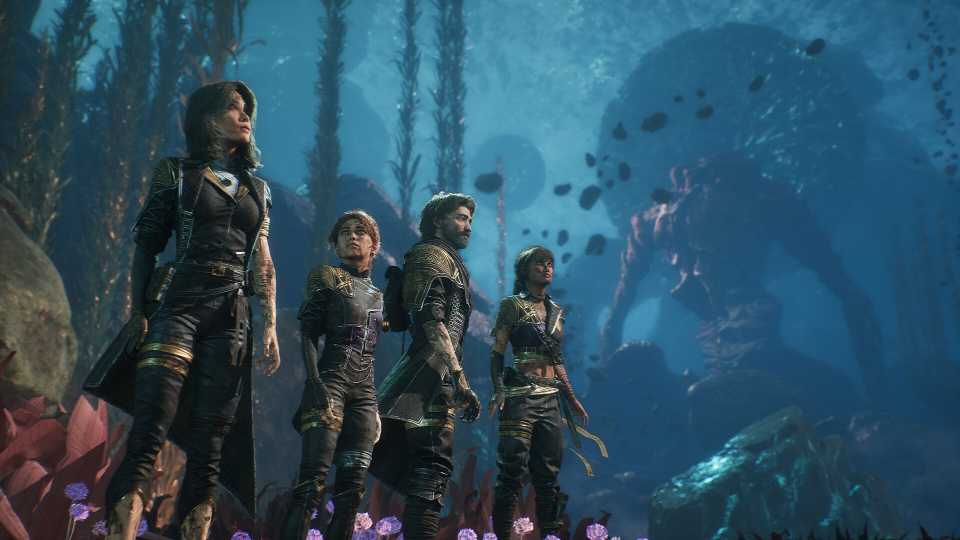
Each game presents a tale of complicated parental relationships, grief, and identity. These themes unfold not through exposition-heavy lore but through actions, choices, and conversations between characters who feel heartbreakingly real. In Clair Obscur: Expedition 33, the player follows Maelle and the rest of the Dessendre family as they endure the literal and metaphorical unraveling of their world after a traumatic loss. God of War focuses on Kratos and his son Atreus navigating a dangerous world, and each other, after Atreus' mother's death.

Clair Obscur Expedition 33: 8 Best Songs On The Soundtrack
Clair Obscur: Expedition 33's soundtrack is packed with tremendous songs that will stay with the player even when they're away from their screen.
Clair Obscur: Expedition 33 Shows Grief’s Weight
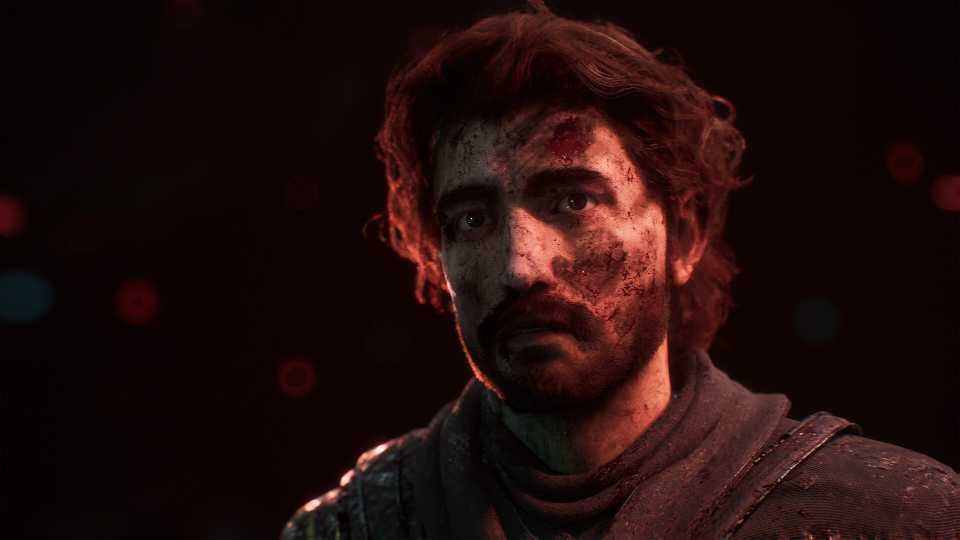
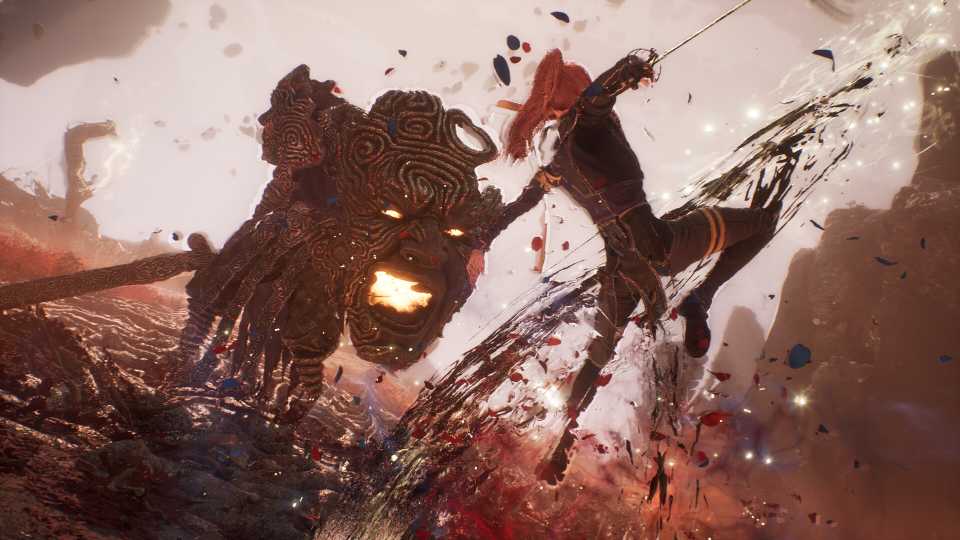
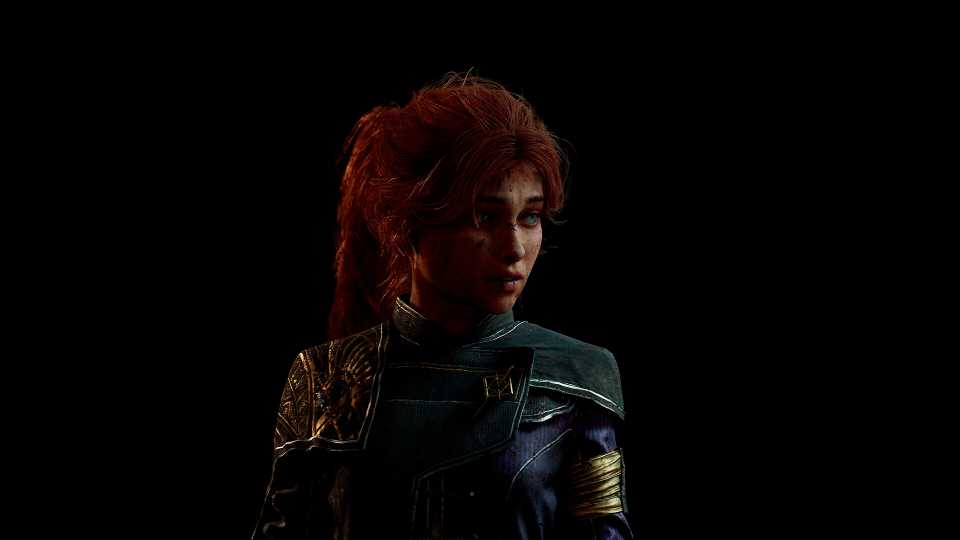
Clair Obscur: Expedition 33 explores the emotional and psychological cost of loss in a way few RPGs attempt. The Dessendre family doesn’t just endure a tragic event; they’re shaped, fractured, and sometimes undone by it. Maelle’s role in Clair Obscur: Expedition 33 especially exemplifies how grief can morph into obsession, guilt, or stubborn denial, especially by the end. Her choices are not about saving the world in the traditional sense, but about the inability to move on. That emotional authenticity is reflected in how the game presents its branching endings, and Sandfall lets players sit with the consequences of their choices, much like real life.
What’s most notable is how the game never tries to undercut its emotional beats with irony or over-explanation. When Clair Obscur: Expedition 33's Aline clings to her own version of events, it’s heartbreaking because players know how much she's lost and how she's suffered for it. The surreal visuals may suggest fantasy, but every emotional conflict in the game could easily be found in a family living room. It's this grounded realism that has resonated with over two million players, proving that personal stakes can be just as compelling as epic ones.
God of War Builds Real Conflict from Mythology
When God of War rebooted in 2018, it moved away from revenge-fueled spectacle and leaned into a more intimate story of Kratos' fatherhood. Once a symbol of unchecked violence, Kratos became a man attempting to raise his son with restraint and wisdom—qualities he himself lacked for much of his life. Meanwhile, Atreus is more than a child following in his father’s footsteps; he’s someone wrestling with the knowledge of what he is and what he might become. The father-son dynamic becomes the true driving force of the narrative, not just a subplot.
As God of War Ragnarok expands the scope, it also deepens the exploration of broken familial ties. Odin’s manipulative parenting, especially in his interactions with God of War's Thor and Baldur, offers a darker mirror to Kratos’ struggle. Odin isn’t just a villain, he’s a cautionary tale about what happens when power and control override care and honesty. The game doesn’t preach about fatherhood, but it builds its world and character arcs around the consequences of generational trauma.
In interviews (especially with one via Time), God of War's Cory Barlog has cited his own experiences as a parent as a major influence on the reboot's tone and themes, anchoring myth in everyday truths.
By balancing violent encounters with quiet, emotionally charged moments (like God of War's Atreus and Kratos sharing a fireside talk or struggling to understand each other's motives), the series achieves a kind of narrative texture few action games attempt. It proves that gods and monsters are great, but the real drama happens when family members try to reach one another across the emotional void.
Future Games Should Learn From Clair Obscur and God of War
While there are currently no announcements for a follow-up, Clair Obscur: Expedition 33's milestone success suggests that more emotionally grounded narratives in fantastical worlds would be welcome. Whether it’s a direct sequel or a spiritual successor, the groundwork has been laid for this approach to become a creative signature for Sandfall. Should it continue in this direction, Sandfall may even benefit from following the trajectory of God of War, which showed how expanding scope doesn’t have to mean sacrificing intimacy; it can instead offer new angles on family conflict.
A potential future Clair Obscur game could further explore generational relationships, much like God of War Ragnarok did by bringing in multiple parent-child dynamics.




-
 OpenCritic Reviews
- Top Critic Avg: 92 /100 Critics Rec: 97%
- Released
- April 24, 2025
- ESRB
- Mature 17+ / Blood and Gore, Strong Language, Suggestive Themes, Violence
- Developer(s)
- Sandfall Interactive
- Publisher(s)
- Kepler Interactive



WHERE TO PLAY






- Engine
- Unreal Engine 5
- Number of Players
- Single-player
- Steam Deck Compatibility
- Playable
- PC Release Date
- April 24, 2025
- Xbox Series X|S Release Date
- April 24, 2025
- PS5 Release Date
- April 24, 2025
- Genre(s)
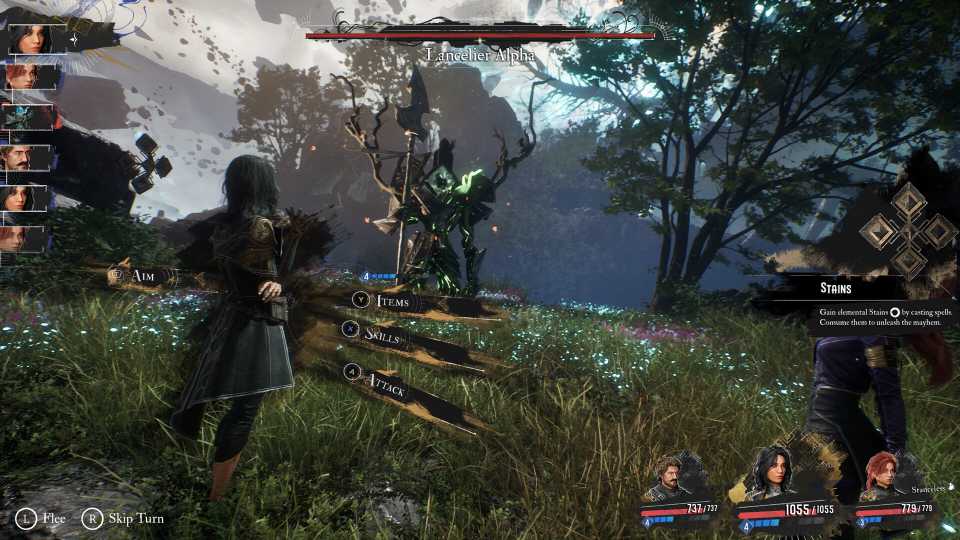
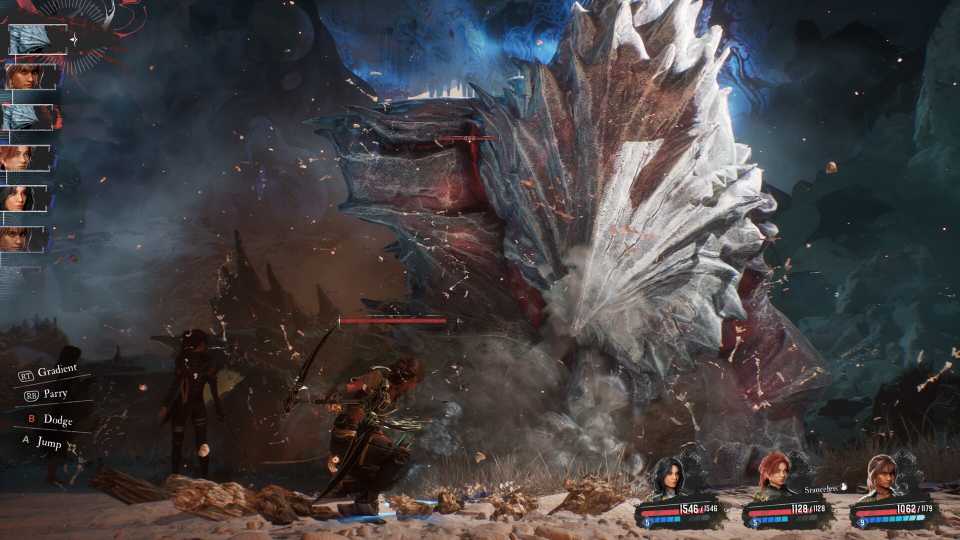
- Turn-Based RPG, JRPG, Fantasy
- Platform(s)
- PlayStation 5, Xbox Series X, Xbox Series S, PC
- OpenCritic Rating
- Mighty
- X|S Optimized
- Yes
- File Size Xbox Series
- 42.33 GB
- Wiki
