


Summary
- Turn-based RPGs on GBA challenge players to think strategically in battles with unique systems like alchemy and elemental powers.
- Obscure sequels like Fullmetal Alchemist: Sonata of Memories and Mother 3 offer engaging storylines and innovative gameplay mechanics.
- Remakes like Lunar Legend and Breath of Fire 2 update classic RPGs with improved visuals and gameplay while staying true to the original charm.
RPGs provide a lot of things for different types of players on the Game Boy Advance. Some play them because they enjoy the story. Some play them for the graphics. Others play them for the challenge and one of the most engaging genres is the turn-based RPG.

10 Sequels You Didn’t Know Existed On Game Boy Advance
The Game Boy Advance is home to some great games, and surprising sequels. Theses sequel titles are pretty obscure, but they're out there.
Players need to use their minds to get through turn-based battles instead of hacking and slashing away like in action games. The sub-genre of this would be tactical RPGs and the GBA has some standouts like Final Fantasy Tactics Advance and Fire Emblem. While good, those aren’t traditional turn-based RPGs. So, let’s see what else the GBA has to offer.
8 Fullmetal Alchemist: Sonata of Memories
An Anime Game Fans Would Love

- Released: July 22, 2004 (Japan)
- Developer: Tom Create
- Publisher: Bandai
- Metacritic Score: N/A
Japan has a lot more anime games on the GBA than North America. Fullmetal Alchemist, a celebrated anime, is one example and Fullmetal Alchemist: Sonata of Memories was the tie-in. It briefly followed the first sections of the anime before going off the rails into filler territory for better or worse. The most interesting thing about this adaptation was the battle system though. Players could fuse elements or materials in battle to create alchemic attacks, mirroring the gimmick of the anime.
7 Mother 3
Nintendo’s Not So Best Kept Secret

Mother 3
- Released
- April 20, 2006
- Publisher(s)
- Nintendo
- Platform(s)
- Nintendo Game Boy Advance
- Developer
- Brownie Brown, HAL Laboratory
- Genre(s)
- RPG
- How Long To Beat
- 25 Hours

- Metacritic Score: N/A
Mother 3 is another game that was only released in Japan but there is an extensive English patch for it. Unlike Fullmetal Alchemist: Sonata of Memories, Mother 3 is a more known quantity as the fan demand for an official release has been high for almost two decades. Like all games in the series, the story is separate but the quirky themes continue throughout from NPCs to enemy designs. The battle system could be played like a normal turn-based RPG but there is a secret rhythm to battle too. If timed right, players could unlock an easier combat experience but it takes a lot of practice.
6 Lunar Legend
One Of The Better Remakes

- Platform: GBA
- Released: December 10, 2002 (NA)
- Developer: Japan Art Media
- Metacritic Score: 79
Lunar Legend is a reimagining of Lunar: The Silver Star which was the first game in the series. The franchise began in 1992 in Japan on the Sega CD. It’s a long-running series but most entries are just ports or remakes of the original game.

10 Console Games You Never Knew Were Ported To The Game Boy Advance
The Game Boy Advance had a ton of great exclusive titles, but it also received some unexpected ports as well.
That’s not necessarily a bad thing because as basic as the plot is, the original idea is solid within Lunar Legend. The script was updated to make more sense with the translation, the turn-based combat flowed better, it had improved visuals, and so on. Like the first few Final Fantasy games, Lunar: The Silver Star is just an RPG classic.
5 Breath of Fire 2
Capcom’s Dragon-Infused RPG

- Platforms: SNES, GBA
- Released: April 15, 2002 (GBA NA Version)
- Developer: Capcom
- Metacritic Score: 81
Capcom has a lot of abandoned franchises under their belt and Breath of Fire is one of them. The first two games were on the SNES and both got GBA updates. Of the two, Breath of Fire 2 is a better port as it was a better game on the SNES too. It is a traditional turn-based RPG complete with a small party and quick random battles. The twist is that Ryu, the main character, can turn into various overpowered dragon forms to turn the tide of battle.
4 Pokemon FireRed/LeafGreen
Going Back To Basics

Pokemon FireRed
- Released
- September 7, 2004
- ESRB
- E For Everyone
- Developer(s)
- Game Freak
- Publisher(s)
- The Pokemon Company, Nintendo
- Franchise
- Pokemon
- Platform(s)
- Nintendo Game Boy Advance
- Genre(s)
- RPG
- How Long To Beat
- 30 Hours
- Metacritic Score: 81
Pokemon Sapphire and Pokemon Ruby were the third generation entries on the GBA which were good. However, the remakes of the first two games are what fans went wild for. Pokemon FireRed and Pokemon LeafGreen updated the graphics to make them look like the third generation games and they mirrored the modern mechanics too. It was great going back to the Kanto region and choosing the classic Pokemon starters of Bulbasaur, Squirtle, or Charmander. Sometimes nostalgia can overpower new entries and that’s what happened with the GBA Pokemon entries.
3 Mario & Luigi: Superstar Saga
The Duo’s First RPG Together

Mario & Luigi: Superstar Saga
- Released
- November 17, 2003
- ESRB
- e
- Developer(s)
- AlphaDream
- Engine
- gabeg
- Franchise
- Super Mario Bros.
- Platform(s)
- Nintendo 3DS, Nintendo Game Boy Advance, Nintendo Wii U
- Developer
- Vanpool
- Publisher
- Vanpool
- How Long To Beat
- 35 hours
- Metacritic Score: 90
Mario & Luigi: Superstar Saga is the first game in the RPG spinoffs that focused on the two brothers. What Super Mario RPG: Legend of the Seven Stars did for combat, this game did it for exploration. In battle, each button corresponded to either Mario or Luigi for both offensive and defensive maneuvers. Hitting A could help Mario jump over an enemy’s attack, for example.

10 Games Still Trapped Exclusively On Game Boy Advance
The Game Boy Advance had a shorter life than the GB or GBC, but that doesn't mean it was in need of exclusives. In fact, the GBA may have too many.
This was true while exploring the world too and using different combo patterns could make the brothers perform specific actions. For example, one could hit the other to go underground to get under traps or the two could become one helicopter to float over pits. The game was beyond inventive and it’s certainly one of the best RPGs in the franchise.
2 Golden Sun
Before They Made Sports Games, Camelot Ruled The GBA Market

Golden Sun
- Released
- November 12, 2001
- Developer(s)
- Camelot Software Planning
- Publisher(s)
- Nintendo
- Franchise
- Golden Sun
- Platform(s)
- Nintendo Game Boy Advance
- Genre(s)
- JRPG
- Metacritic Score: 91
Golden Sun had that same type of puzzle-solving exploration that Mario & Luigi: Superstar Saga had. Instead of using two characters to morph into weird positions, players had psychic abilities to do things like move objects from far away. Battles didn’t involve psychic abilities and instead, heroes were powered up by Djinns which corresponded to certain elements. They could be swapped around characters, giving them new elemental powers and Djinns could be used as powerful attacks in battle too like Summons in Final Fantasy. The ability to swap Djinns around characters to get more spells was also like the Esper system in Final Fantasy 6, and Espers were the Summons of that universe.
1 Final Fantasy 6 Advance
A SNES Classic Made Even Better


- Released
- February 5, 2007
- ESRB
- Everyone 10+ // Mild Fantasy Violence, Mild Suggestive Themes
- Developer(s)
- Square Enix, Tose
- Publisher(s)
- Square Enix, Nintendo
- Franchise
- Final Fantasy

- Platform(s)
- Nintendo Game Boy Advance
- Genre(s)
- JRPG, Adventure
- How Long To Beat
- 33 hours
- Metacritic Score: 92
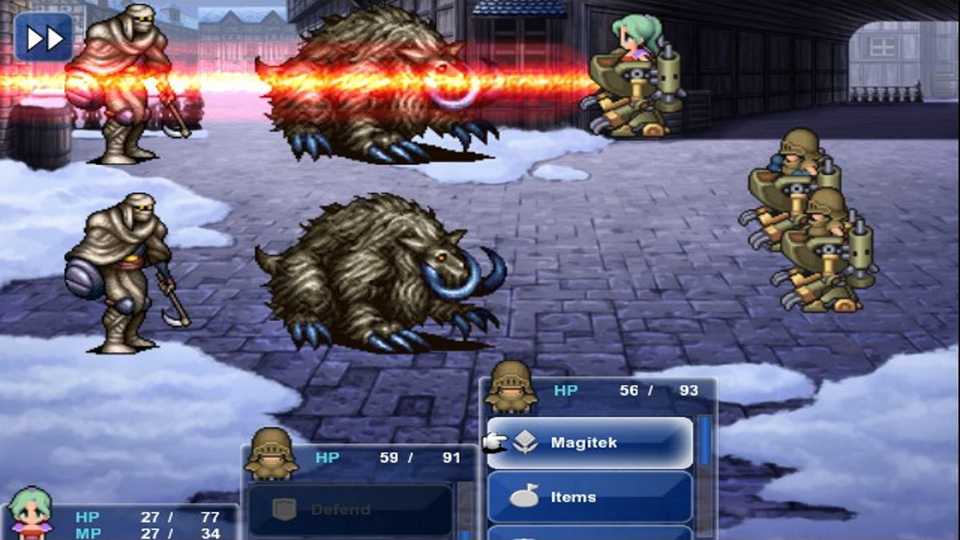
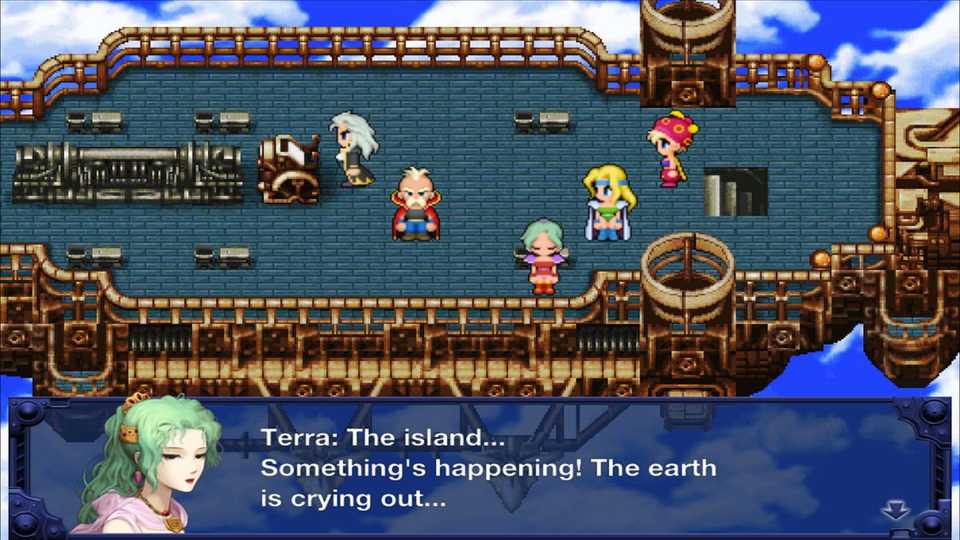
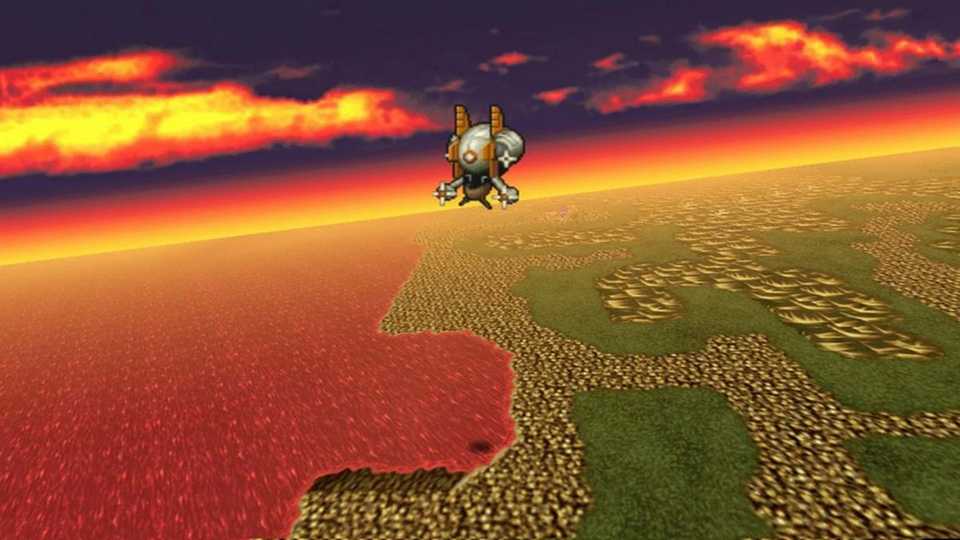
Speaking of Final Fantasy 6, Final Fantasy 6 Advance was an enhanced port of the SNES original. It’s the highest-rated game in the series on GBA and even ranks among the top ten on Metacritic for the GBA overall. It was a classic on the SNES and it got better on the GBA thanks to the improved graphics and script. The core gameplay remained fun too as the aforementioned Esper system allowed characters to gain a wide variety of abilities from healing magic to fire spells. Another great thing about the gameplay was the huge party, which may be the largest in the series with fourteen core characters and many temporary characters too. From the combat to the characters to the music and story, this is a stellar entry in the entire Final Fantasy pantheon.