


Summary
- Best JRPGs use mythologies for immersive narratives and unique settings.
- Ys 6: draws Mesopotamian & European mythos; Breath of Fire 4 leans on East Asia.
- Shin Megami Tensei 5 Vengeance blends worldwide mythologies for strategic gameplay.
Although JRPGs are known for presenting fantastic and original settings, many games in this genre also draw inspiration from the real world. Among the most frequent sources are the diverse cultures and mythologies around the planet, which bring legendary characters, mythical creatures, and age‑old stories able to enrich already fascinating narratives and create powerful connections with players by presenting settings familiar to many.

10 Most Fun JRPGs, Ranked
From classic turn-based systems to real-time action, these Fun JRPG games offer thrilling combat and immersive worlds that keep players hooked.
However, the best JRPGs based on mythology go beyond simply copying famous stories or characters. These games truly stand out because they incorporate mythological elements to deepen their own narratives, creating more immersive and convincing universes; by using myths as inspiration, they not only tell good stories but also expand the creative potential of the genre, offering even more memorable experiences.
8 Ys 6: Ark Of Napishtim
JRPG Draws From Different European Mythologies For Its Setting

Ys VI: The Ark of Napishtim


- Released
- September 27, 2003


WHERE TO PLAY


- ESRB
- T
- Genre(s)
- Action RPG


- JRPG Inspired by Mythology: Mesopotamian and European
Since its debut, the Ys franchise has been known for drawing from various strands of European folklore, and Ys 6: The Ark of Napishtim incorporates many references to Mesopotamian mythology, using names and themes inspired by ancient legends to enrich its narrative. The Ark of Napishtim itself alludes to the character Utnapishtim from the Epic of Gilgamesh, while elements such as the White Emelas and the quest for immortality reinforce the connection with myths about gods and ancient heroes.
Beyond Mesopotamia, Ys 6 also explores traces of civilizations such as Rome, Carthage, and Canaan, adapting names like Altago and the Romun Empire to create parallels with historical conflicts. Characters such as Ernst and Agares echo tragic versions of mythological figures, and their motivations, rooted in tales of kings and legendary champions, allow the astute use of symbolism to give the game its own setting without losing appeal to fans of mythology‑inspired role‑playing titles.
7 Breath Of Fire 4
Eastern Myths Deepen This Classic Dragon-Themed JRPG

Breath of Fire IV
- Released
- November 28, 2000
WHERE TO PLAY
- ESRB
- T For Teen Due To Mild Violence, Suggestive Themes
- Genre(s)
- RPG
- JRPG Inspired by Mythology: East Asian
Although the entire franchise explores common themes such as the ability to transform into dragons, spirituality, and ancient legends, Breath of Fire 4 is the series entry that relies most heavily on motifs drawn from other mythologies, especially those of East Asia. Throughout the journey, players encounter direct references to the yin‑yang philosophy, reincarnation, and divine figures typical of Chinese stories, grounding the fantasy in recognizable cultural symbols.

8 Best Enemies Who Became Allies in JRPGs, Ranked
These characters go from antagonists to allies, giving JRPGs depth, surprise, and some of the most iconic turns in gaming.
This influence becomes even clearer in the duality between the characters Ryu and Fou‑Lu, two halves of the same deity whose conflict symbolically reflects the struggle between opposing forces and highlights the complex relationship between humankind and divinity. Moreover, the game’s dragons adopt appearances and powers closer to traditional Eastern portrayals, strengthening the title’s unique mythological identity and giving its world a distinct flavor among turn‑based role‑playing adventures.
6 Odin Sphere
A Fantasy World Inspired By Nordic And Scandinavian Tales

Odin Sphere: Leifthrasir
- Released
- June 7, 2016

WHERE TO PLAY

- ESRB
- T For Teen Due To Fantasy Violence, Mild Blood, Mild Language, Partial Nudity, Use of Alcohol
- Genre(s)
- Action RPG

- JRPG Inspired by Mythology: Norse and European
Although Odin Sphere takes place in a fictional setting compared with other JRPGs inspired by different mythologies, the game openly displays its debt to Norse and broader European folklore. Its very title and many story characters clearly reference those mythic figures, while the plot entwines several protagonists’ narratives in a conflict foreshadowing the arrival of Armageddon, a nod to Ragnarök.
The game also presents figures and events drawn from the Norse Eddas, including cursed kings, apocalyptic prophecies, and the symbolic use of magical artifacts. Playable heroes embody archetypes found in assorted myths, such as the noble warrior, the tragic sorceress, and the cursed princess, adding an epic tone that helps Odin Sphere stand as both a stylish and grand JRPG.
5 Valkyrie Profile Lenneth
JRPG Places Players In The Role Of A Valkyrie

Valkyrie Profile: Lenneth

- Released
- July 18, 2006



WHERE TO PLAY



- ESRB
- T for Teen - Blood, Suggestive Themes, Use of Alcohol, Violence
- Genre(s)
- JRPG, Adventure
- JRPG Inspired by Mythology: Norse
Norse mythology remains another rich source of inspiration for JRPGs, and one of the finest examples is Valkyrie Profile Lenneth, which casts players as a Valkyrie serving Odin and gathering fallen heroes to prepare for Ragnarök. While exploring Midgard, the narrative lets the audience witness each warrior’s tragic life before death and then guide those spirits to Valhalla, weaving emotion into the recruitment process.
Fans who enjoy familiar mythic elements will find in Valkyrie Profile Lenneth one of the best JRPGs drawn directly from myths, with characters and locations that clearly reference Nordic figures and concepts. As the plot advances, the story grows existential, prompting the protagonist to question her role in the cosmos amid conspiracy and manipulation, lending the tale unexpected depth.
4 Final Fantasy 10
Different Mythologies Were Used To Create This JRPG

Final Fantasy 10
- Released
- December 17, 2001

WHERE TO PLAY




- ESRB
- T for Teen: Mild Blood, Mild Suggestive Themes, Violence
- Genre(s)
- JRPG
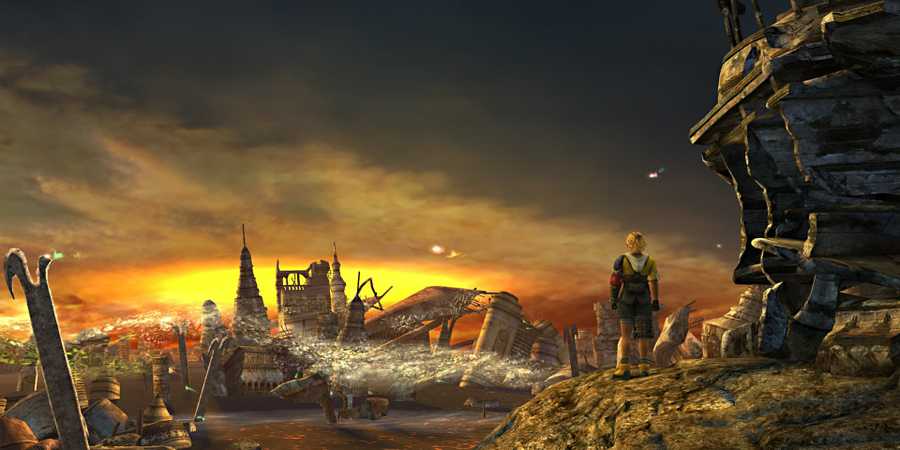
- JRPG Inspired by Mythology: Buddhist, Shinto, and Western
Final Fantasy 10 stands out among JRPGs for a setting deeply shaped by multiple mythological traditions from both East and West. The world references Buddhism through a narrative structure that echoes Asian pilgrimage tales and beliefs in spiritual transcendence, while Shinto practices surface in Yuna’s rituals guiding spirits to the Farplane, reflecting ancestral kami veneration and the cycle of life and death.

10 Best JRPGs With Child Protagonists, Ranked
These JRPGs show that even child protagonists can lead to incredible stories.
The game also channels these mythic themes into the summoned Aeons, powerful entities that aid the party in combat and embody specific cultural symbols. Anima draws on concepts of the eternal feminine in psychology and Gnostic lore, while Valefor borrows its name from Western demonology, allowing the JRPG to weave diverse beliefs into a cohesive, memorable whole across the adventure for dedicated combatants.
3 Glory Of Heracles
This JRPG Was Entirely Based On Greek Mythology

Glory of Heracles
- Released
- January 18, 2010
- ESRB
- E10+ For Everyone 10+
- Developer(s)
- Paon, Studio Saizensen
- Genre(s)
- RPG
- JRPG Inspired by Mythology: Greek
Greek mythology ranks among the world’s most influential traditions, and its hallmarks appear in many games, including Glory of Heracles, a JRPG set in ancient Greece and neighboring Mediterranean lands. The narrative threads multiple legends through the journey of an amnesiac protagonist who allies with varied companions, including Heracles himself, while searching for identity and purpose amid shifting divine schemes across mythic landscapes.
The myths drive every plot beat in Glory of Heracles, making the adventure both distinctive and familiar. Encounters with deities such as Zeus and monsters like Medusa sit beside references to Olympus rivalries and epic episodes like the Twelve Labors, ensuring that classical lore frames each trial the party faces throughout the sweeping Mediterranean‑inspired odyssey, as players witness legendary feats firsthand.
2 Persona 3 Reload
Greek Mythology Is Present In Many Parts Of The JRPG

Persona 3 Reload

- Released
- February 2, 2024

WHERE TO PLAY

- ESRB
- Mature 17 / Blood, Partial Nudity, Sexual Themes, Strong Language, Violence
- Genre(s)
- JRPG, RPG, Life Simulation, Strategy

- JRPG Inspired by Mythology: Greek
One factor that makes Persona 3 Reload such a compelling experience is the close link between its core themes and Greek mythology, which permeates the JRPG’s narrative symbolism. The choice of this tradition supports the game’s somber, introspective tone, examining mortality and the need to confront the unknown through a modern lens that resonates with contemporary audiences across cultural contexts alike.
Although the title references other pantheons through enemies and summons, Greek stories dominate every narrative layer. Each playable character wields a Persona drawn from those myths, allowing parallels between personal arcs and legendary figures and proving the references serve deeper purposes than surface aesthetics within the game’s exploration of fate, agency, and collective struggle against despair inspired by ancient heroism.
1 Shin Megami Tensei 5 Vengeance
Various Mythologies Are Present In This Incredible JRPG

Shin Megami Tensei V: Vengeance
- Released
- June 14, 2024
WHERE TO PLAY
- ESRB
- M For Mature 17+ Due To Blood, Partial Nudity, Sexual Themes, Strong Language, Violence
- Genre(s)
- JRPG
- JRPG Inspired by Mythology: Multiple mythologies
Among the best JRPGs that use mythology as a core inspiration for their worldbuilding, the Shin Megami Tensei series stands out as a major reference, and Shin Megami Tensei 5 Vengeance is one of the entries that best utilizes these elements. Players can form teams with various demons, heroes, and even deities to create different compositions and tackle the game’s strategic combat.
Rather than lean on a single mythology, the game pulls legends from cultures worldwide to construct its devastated Tokyo, locked in a war between angels and demons. Familiar creatures appear beside obscure spirits, ensuring every region unveils fresh mythic surprises and elevates the sense of discovery as the narrative advances through branching quests and high‑stakes boss confrontations for dedicated strategists.

10 Best JRPGs You Can Sink Hundreds of Hours Into, Ranked
These JRPGs offer deep customization, vast exploration or even multiple endings, ensuring hundreds of hours of replayability.